
Hospitality for Foreigners — History & Facts
No other Belgian painter of the early twentieth century returned so often to the theme of hospitality as Gustave Van de Woestijne. In Hospitality for Foreigners, he revisits the motif that fascinated him throughout his career: the silent rituals of welcome and the ambiguous space between host and guest. The painting’s title itself hints at a wider social context, reflecting the anxieties and hopes of a Europe marked by movement and displacement in the aftermath of World War I.
While the exact date and circumstances of the work remain uncertain, it is widely recognized as a meditation on charity and the outsider, a subject that resonated deeply in Van de Woestijne’s Flanders. At the heart of the scene, a group of figures gathers around a sparse table, their faces elongated and grave, recalling the stylized forms of early Netherlandish painters whom Van de Woestijne admired. The central gesture—a host offering bread to a weary traveler—recalls biblical parables of welcome, but the mood is tense, almost theatrical, as if each participant is caught between suspicion and duty. The muted palette, heavy drapery, and compressed space intensify the sense of psychological drama, much as in Le repas chez Simon by James Ensor, another Belgian artist who explored the social ritual of sharing food.
The painting’s quiet symbolism—the open door, the humble loaf, the averted gazes—invites viewers to consider the cost and meaning of hospitality in uncertain times. The provenance of Hospitality for Foreigners is not fully documented, and its medium and dimensions remain a matter of scholarly debate. It is generally agreed that the work was created during Van de Woestijne’s mature period, when he was associated with the Symbolist movement and living in Leuven. The painting is representative of his interest in moral questions and his distinctive blend of realism and stylization.
Today, it is held in a private collection, rarely exhibited, and known chiefly through exhibition catalogues and critical studies. Its elusive history only adds to its aura, making it a touchstone for those interested in the intersection of art, ethics, and the experience of the outsider.
More Artworks by Gustave Van de Woestijne
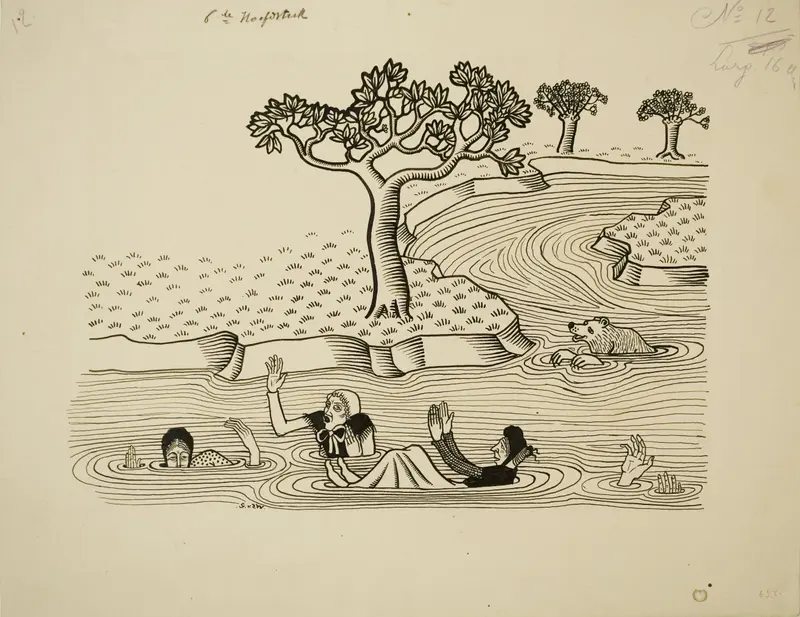
How Brown went out with Reynard where he thought he was eating honey and how he was caught by head and feet and suffered further misfortune
Gustave Van de Woestijne
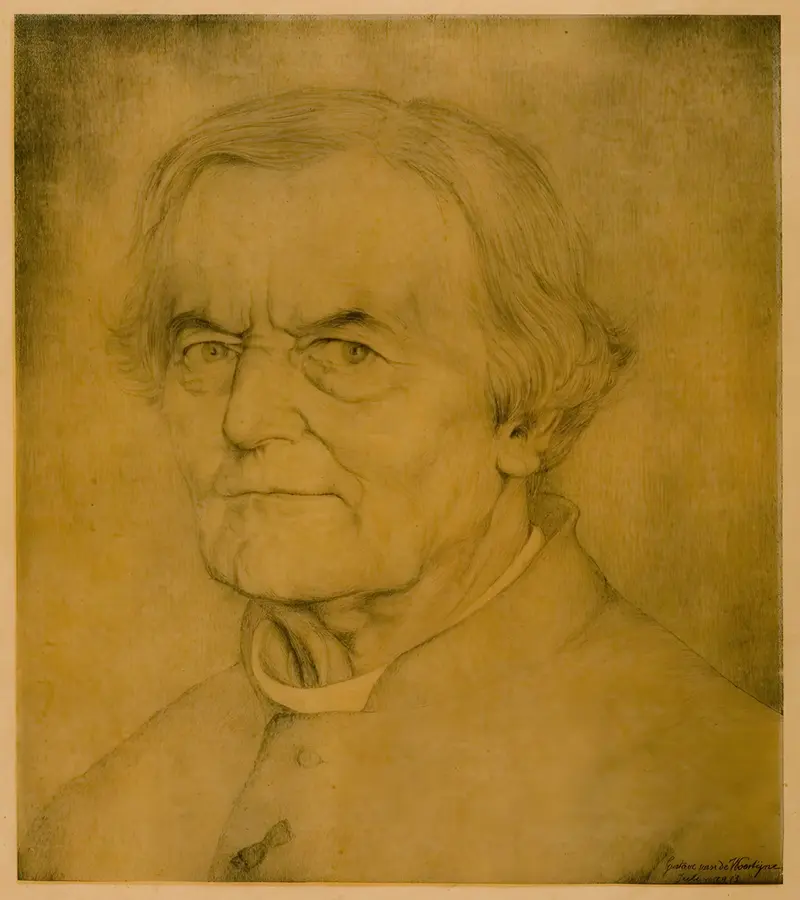
Portrait of Hugo Verriest
Gustave Van de Woestijne
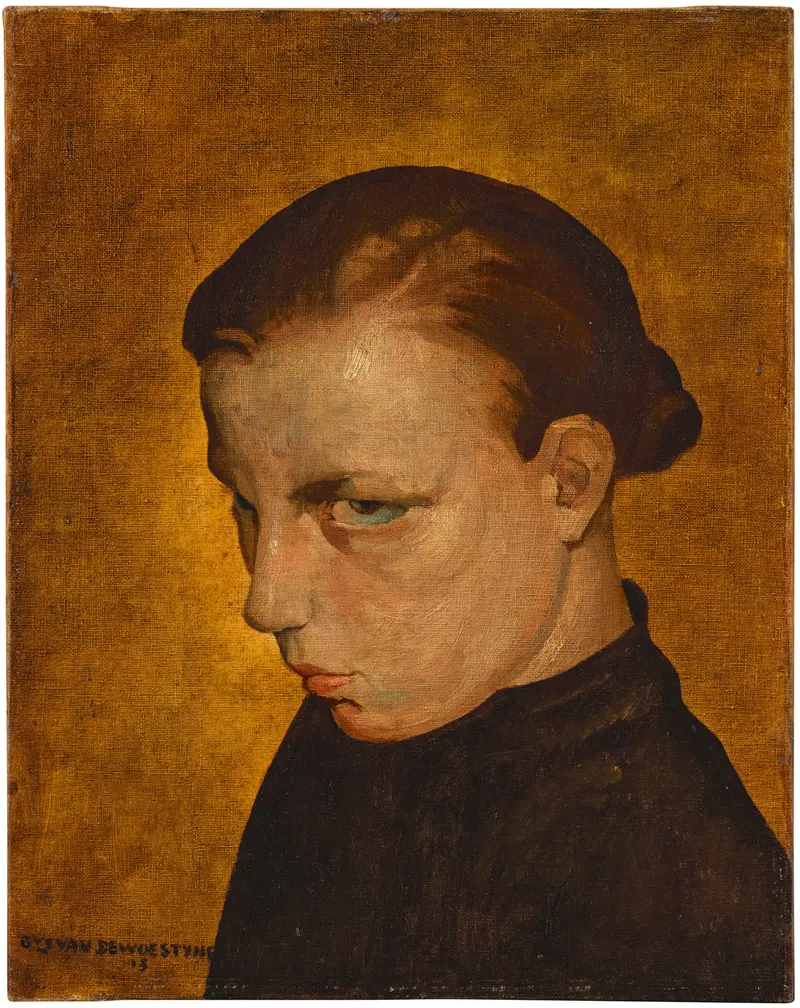
Angèle
Gustave Van de Woestijne
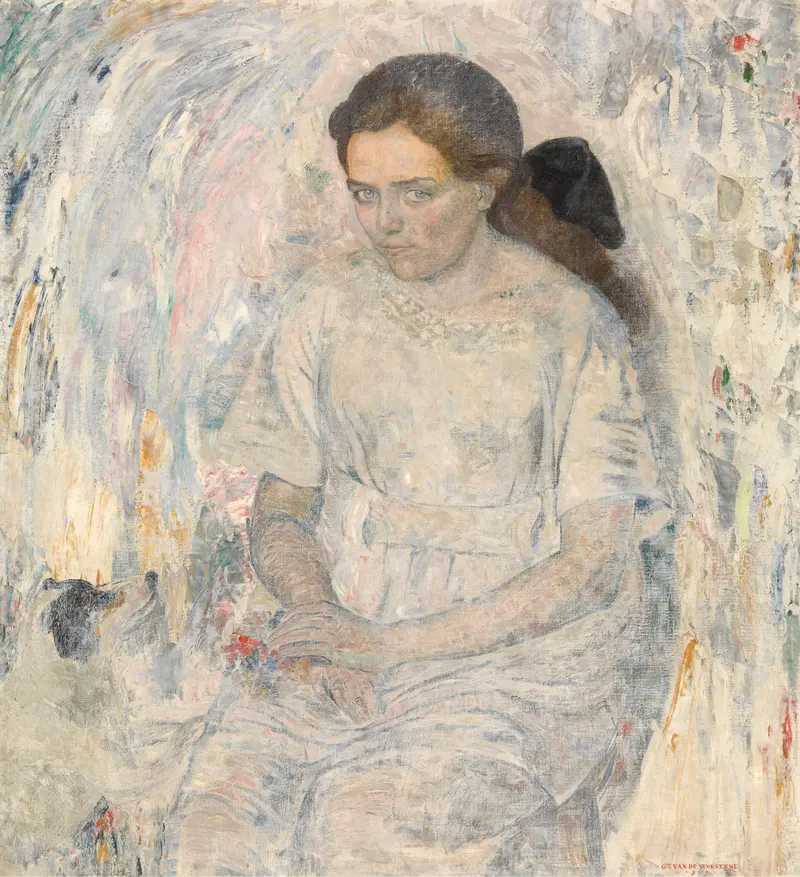
Adrienne
Gustave Van de Woestijne
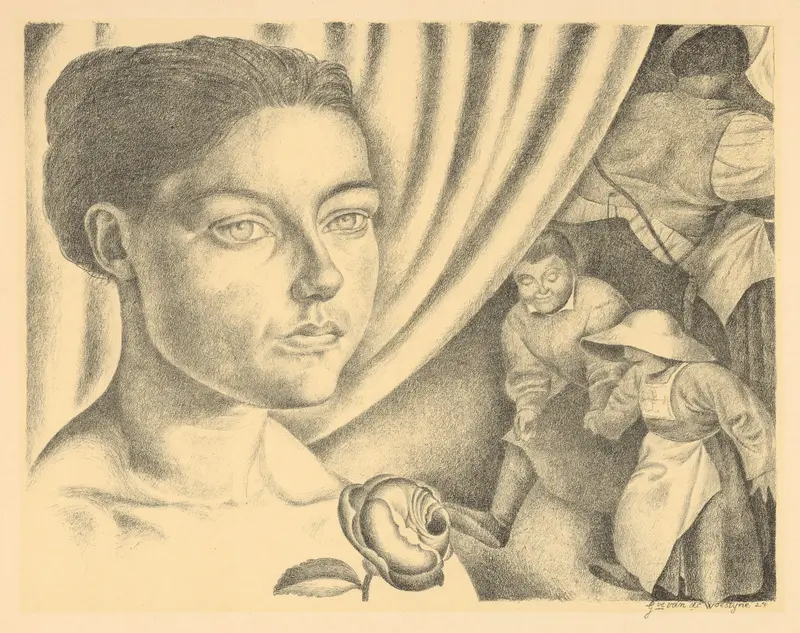
Jeune Femme
Gustave Van de Woestijne
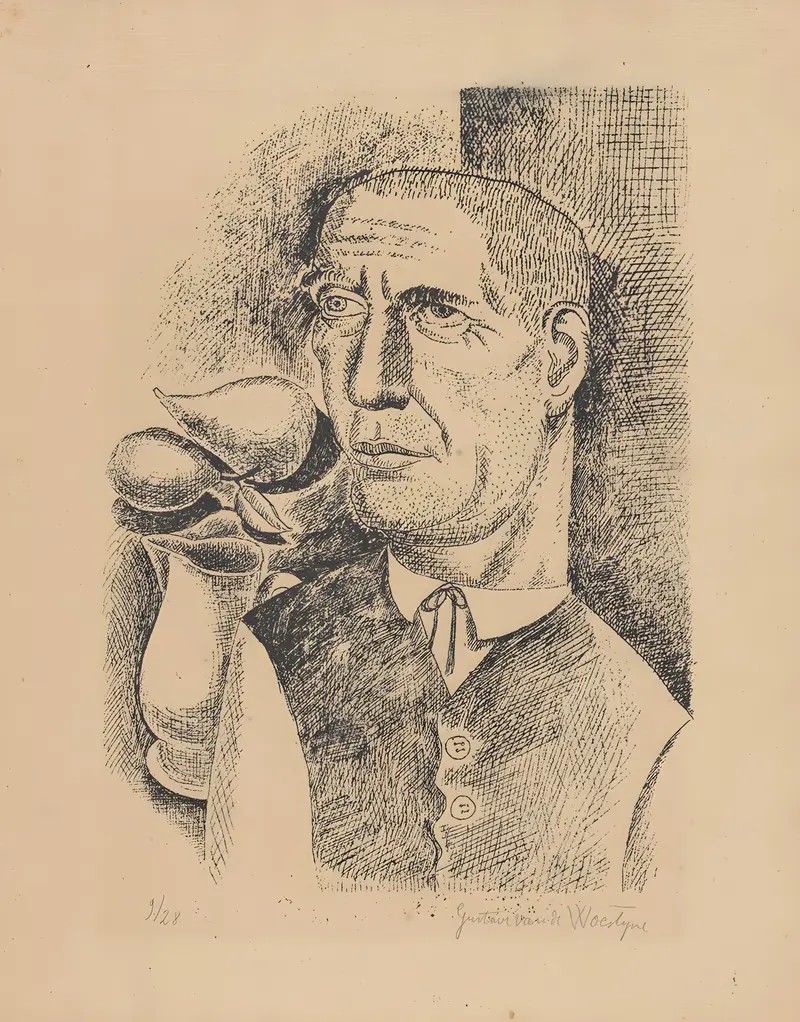
Boer op zijn zondags (Paysan endimanché)
Gustave Van de Woestijne
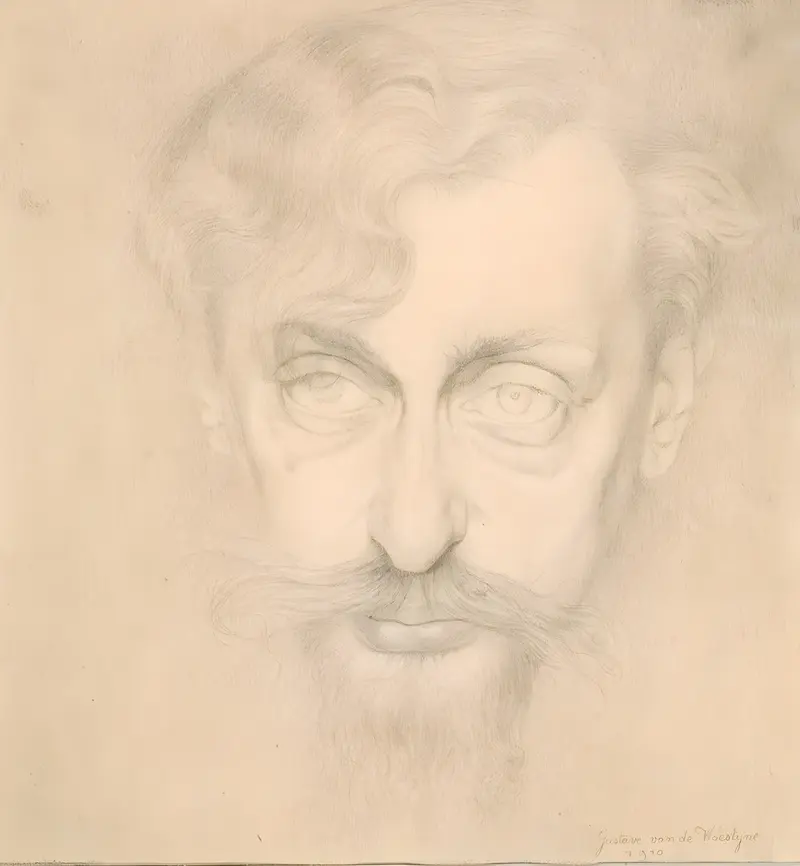
Portrait of the Writer Karel van de Woestijne
Gustave Van de Woestijne
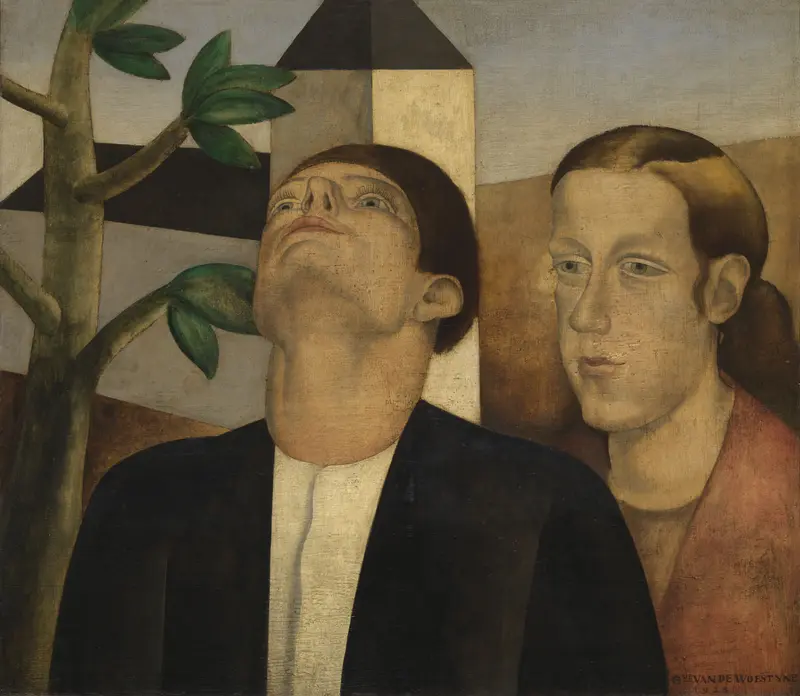
Azure
Gustave Van de Woestijne
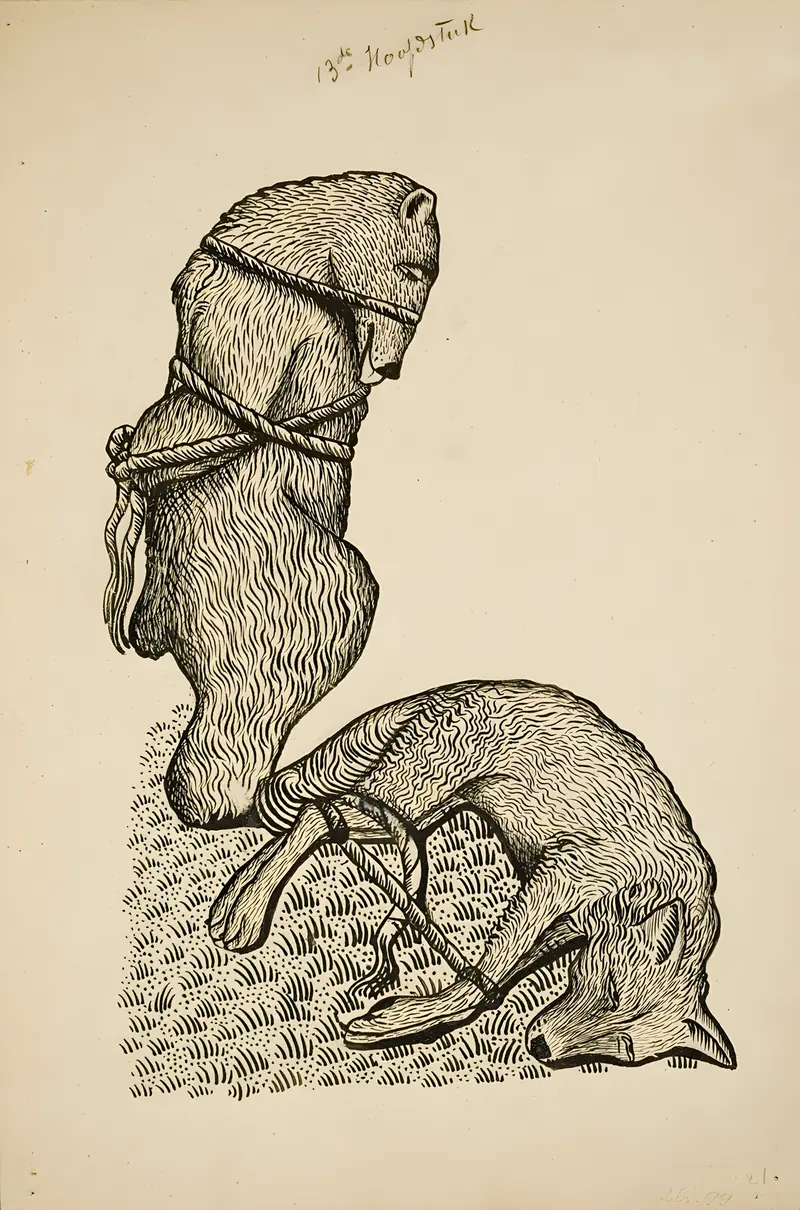
How Reinaert devises a new trick to get free and exterminate his enemies
Gustave Van de Woestijne
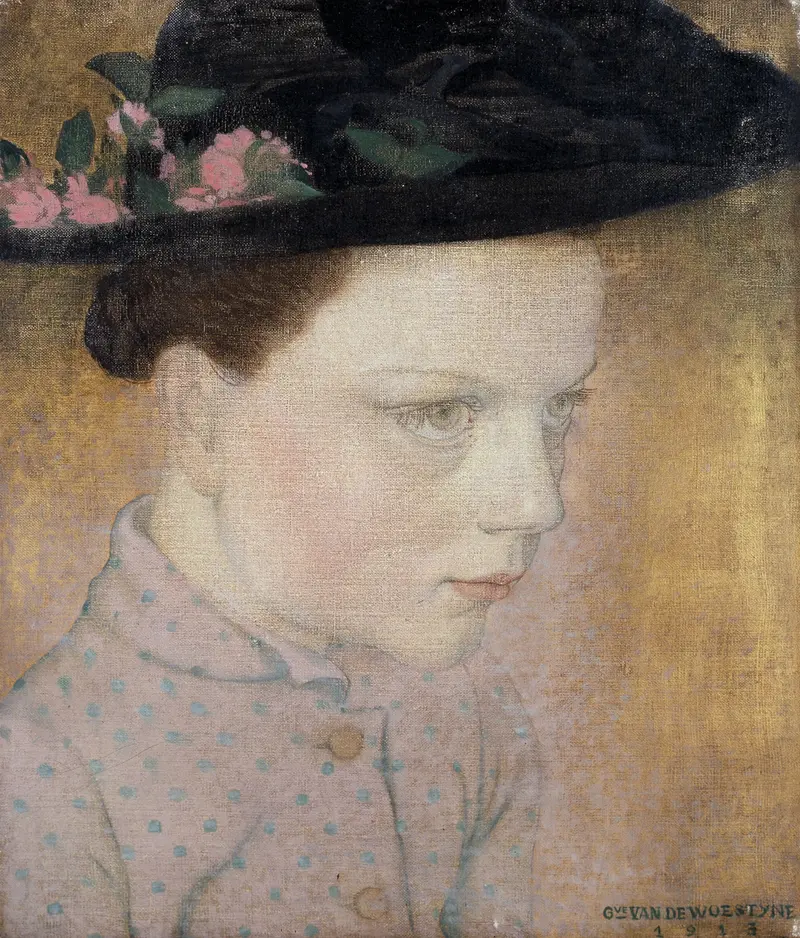
Country Girl
Gustave Van de Woestijne
More Genre Scene Art

Banquet of the Officers of the St George Civic Guard
Frans Hals

Rembrandt and Saskia in the Scene of the Prodigal Son
Rembrandt van Rijn

Bal du moulin de la Galette
Pierre-Auguste Renoir

Quadrille at the Moulin Rouge
Henri de Toulouse-Lautrec

A Burial at Ornans
Gustave Courbet

When Will You Marry?
Paul Gauguin