
Porträt der Madame Dupin — History & Facts
It is the directness of her gaze that first catches the viewer—steady, unhurried, and touched with a hint of a smile. The sitter’s cheeks are softly flushed, her lips gently parted, as if she has just turned to greet a visitor. The pale blue and white stripes of her gown lead the eye across the canvas, their crispness set off by the delicate play of light on her exposed shoulder.
A black ribbon choker, simple yet striking, draws attention to the long line of her neck and serves as a subtle anchor in the composition. Every detail, from the glint of the dress’s fastenings to the faint suggestion of pearls, is chosen to signal both refinement and approachability. Works like this, painted in the early 1730s, belonged to a world where portraiture was both a social necessity and a statement of taste. In the France of Jean-Marc Nattier, portraitists were called upon to capture not only likeness but also the ideals and aspirations of their sitters—often women of the court or the rising bourgeoisie.
Around 1733, when this portrait was created, the Rococo style was in full bloom: light, color, and a sense of ease replaced the formality of earlier decades. History has kept few traces of the exact circumstances of this Porträt der Madame Dupin, but its survival, now documented in a photograph by Krzysztof Golik, offers a rare chance to study the delicate balance of poise and personality that defined its era. Look again at her eyes; they are an invitation to imagine the world she inhabited.
More Artworks by Jean-Marc Nattier

Madame Crozat de Thiers and Her Daughter
Jean-Marc Nattier
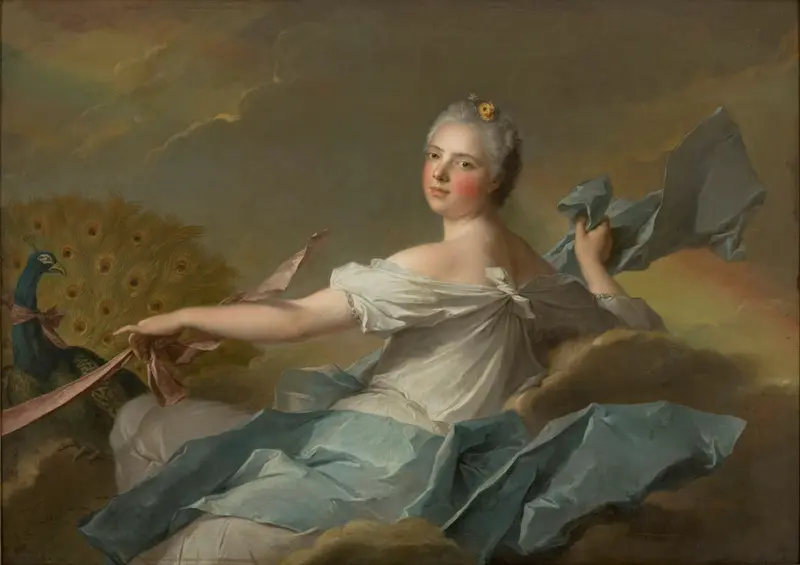
Princess Marie Adélaïde of France - The Air
Jean-Marc Nattier
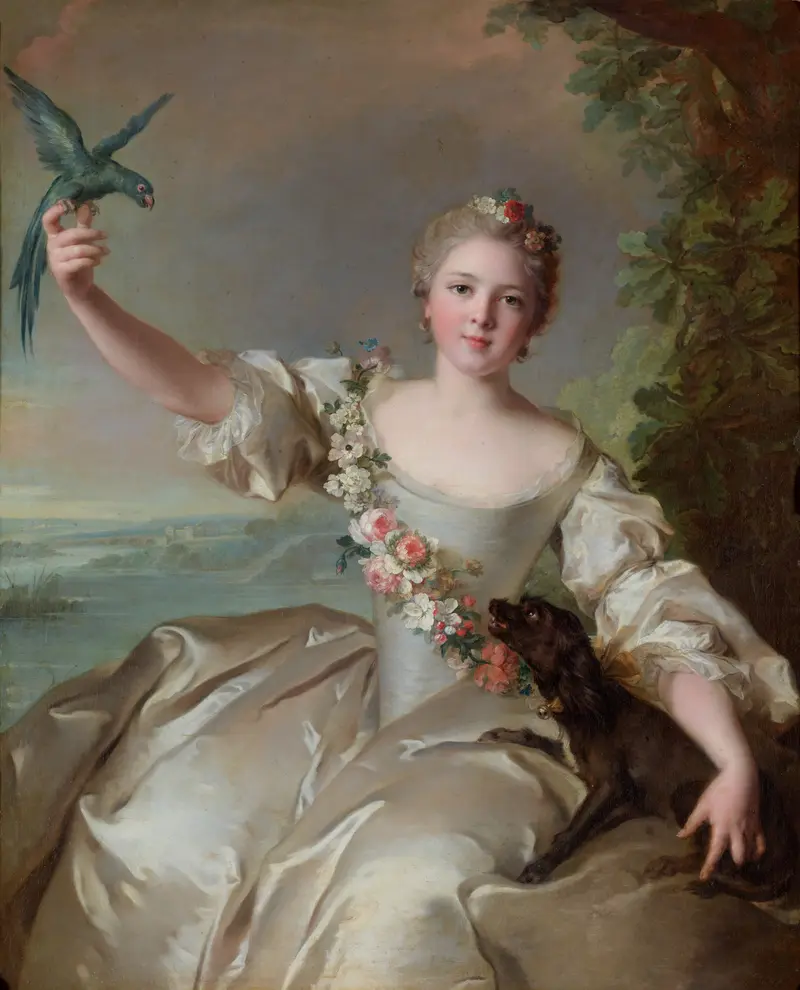
Portrait de Mathilde de Canisy, marquise d'Antin
Jean-Marc Nattier
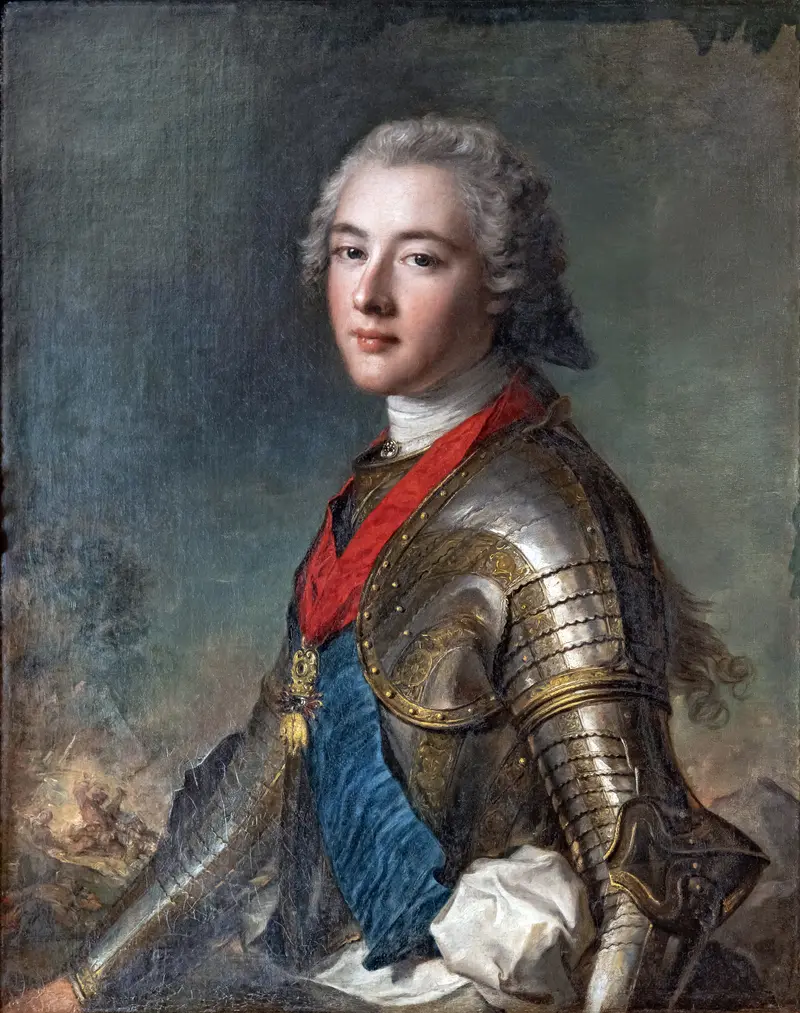
Bemberg Fondation Toulouse - Portrait de Louis Jean Marie de Bourbon, Duc de Penthièvre - Jean Marc Nattier inv.1158 82x65.4
Jean-Marc Nattier
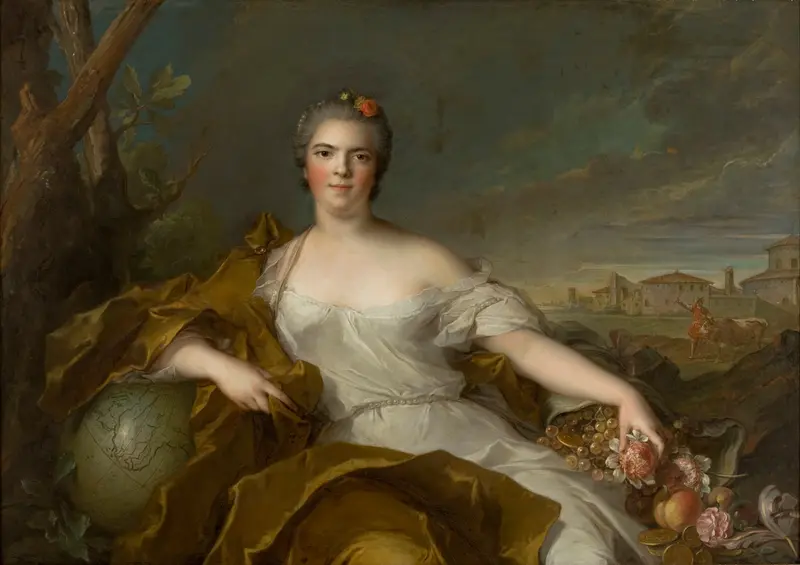
Princess Louise-Élisabeth of France - The Earth
Jean-Marc Nattier
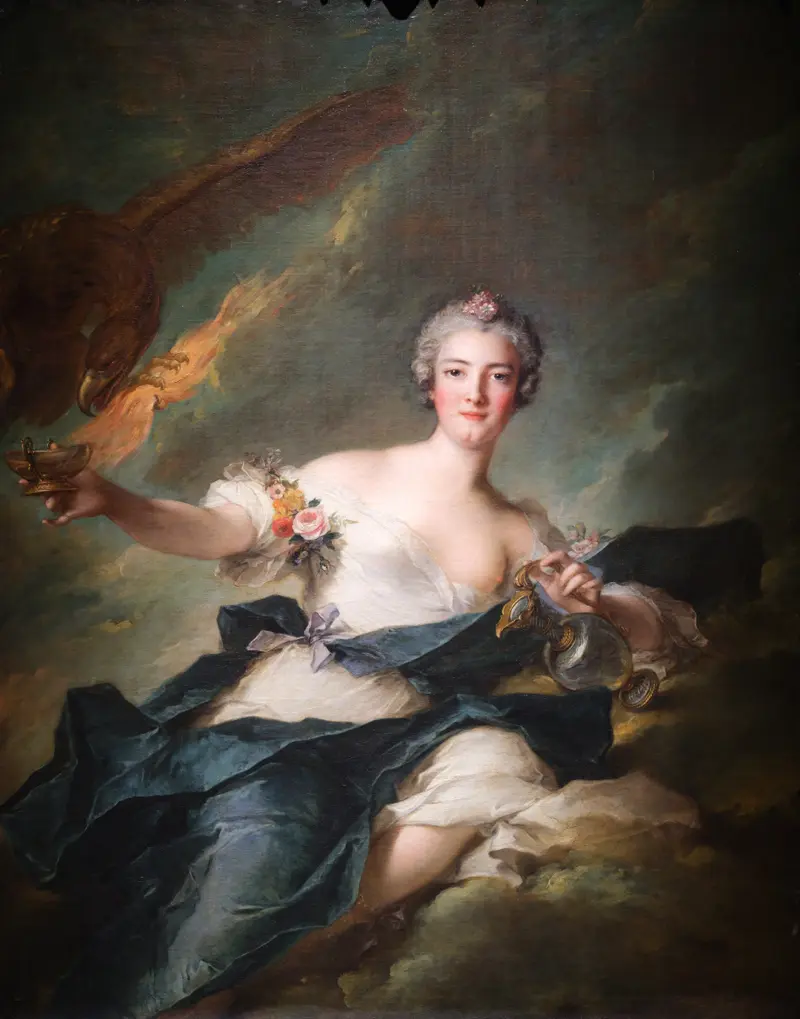
The Duchess of Chaulnes Represented as Hebe
Jean-Marc Nattier
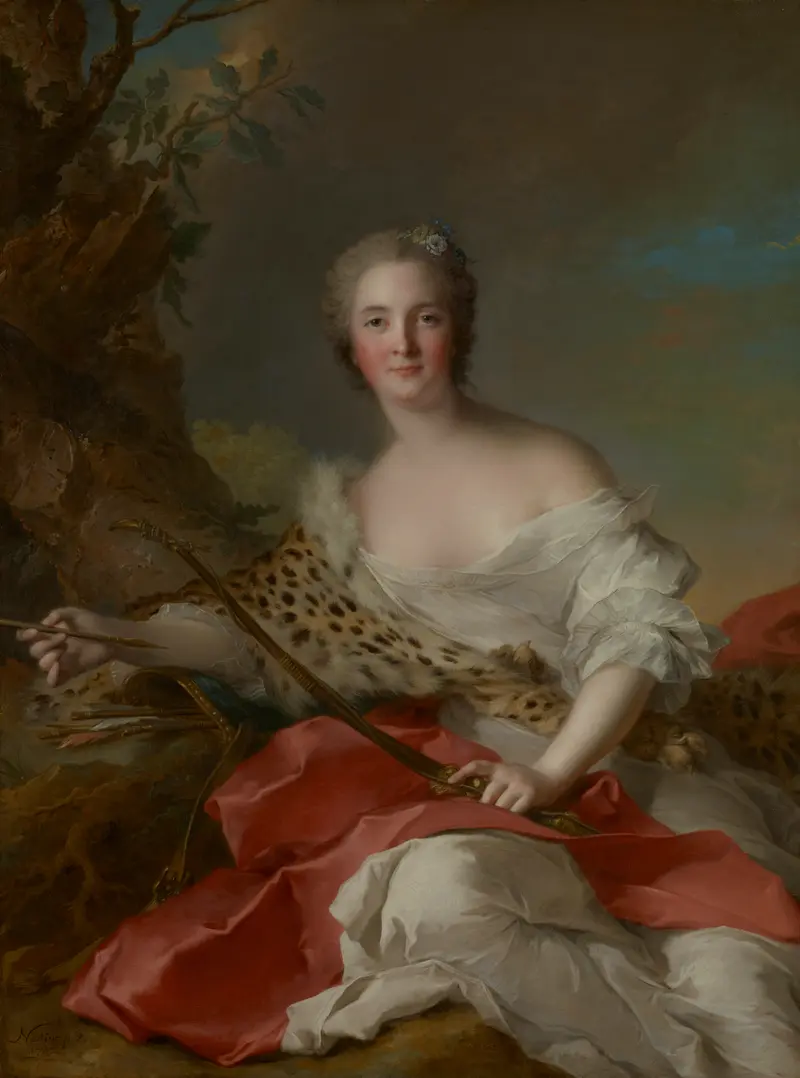
Portrait of Madame Bonnier de la Mosson as Diana (Constance-Gabrielle-Magdeleine du Monciel de Lauraille
Jean-Marc Nattier
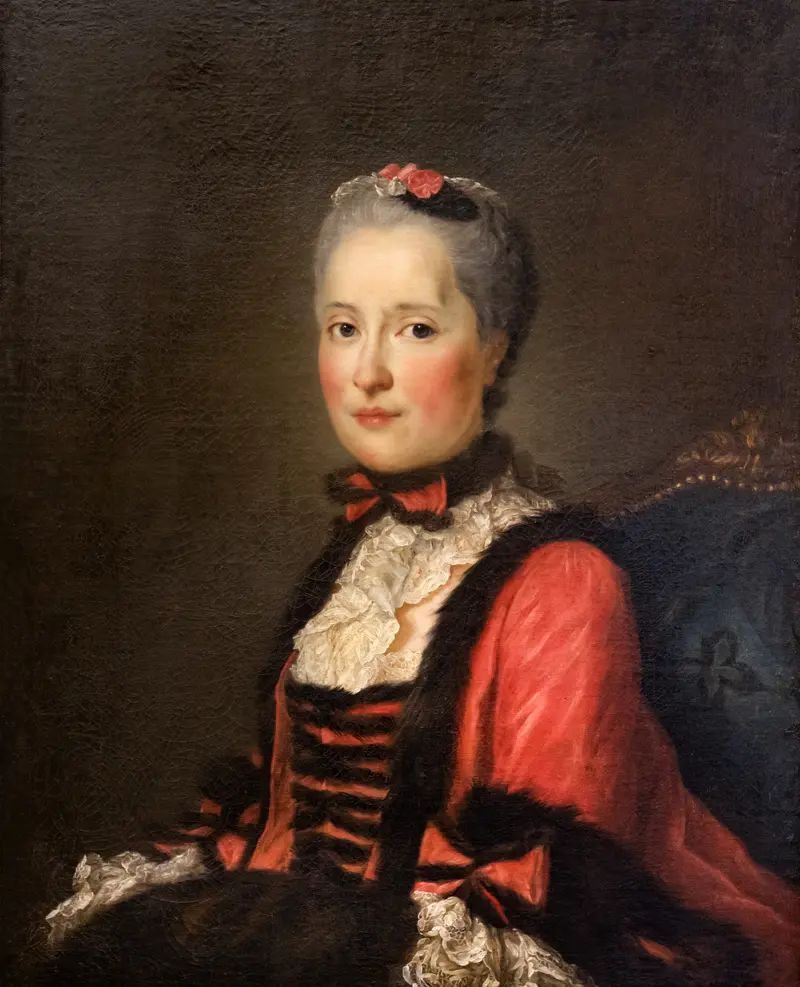
Portrait of Marie-Josephe of Saxony, Dauphine of France
Jean-Marc Nattier
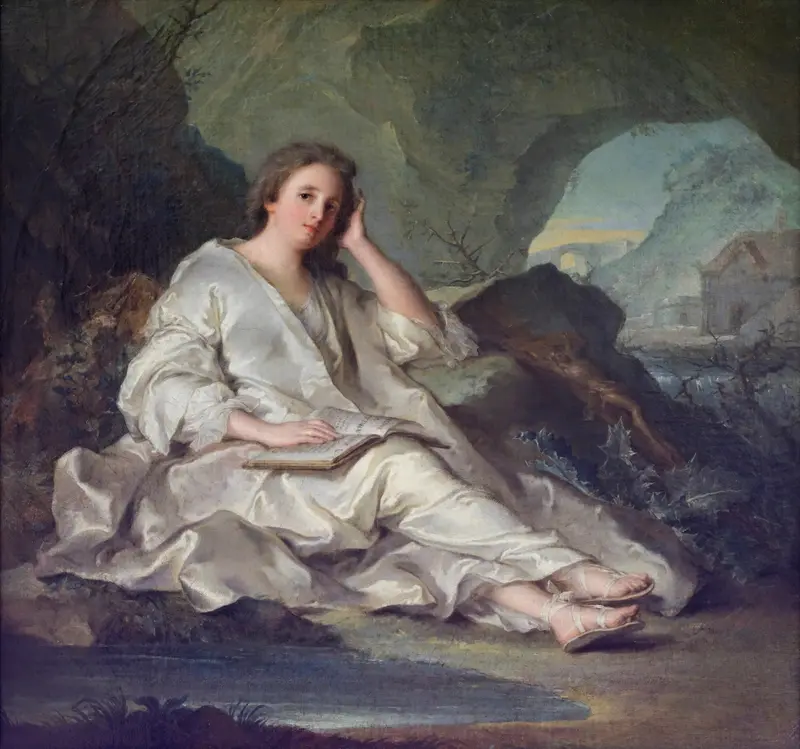
La Madeleine, ou Une Pénitente dans le désert Musée du Louvre Peintures INV 6880 ; MR
Jean-Marc Nattier
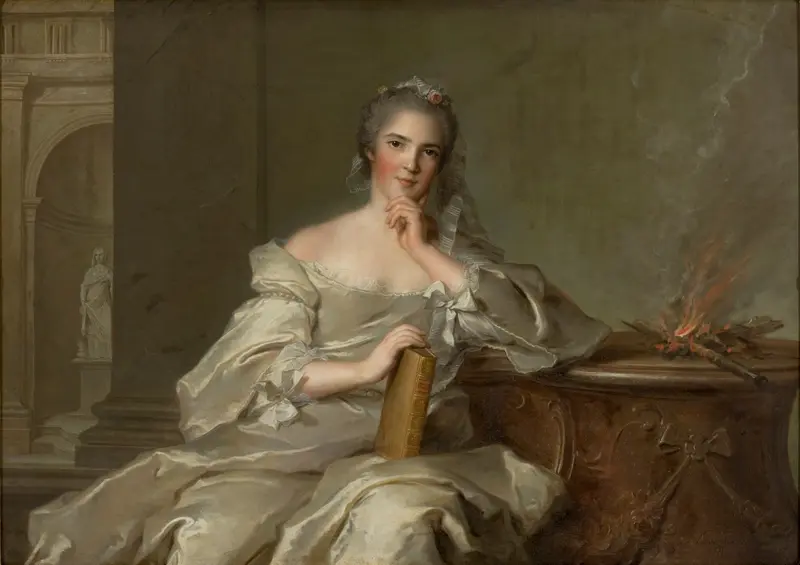
Princess Anne-Henriette of France - The Fire
Jean-Marc Nattier





