
Portret van een jongeman (Vanitas) — History & Facts
In Portret van een jongeman (Vanitas), the weight of existence is captured with an almost reverent stillness. The young man's visage invites contemplation, his expression a silent dialogue with the viewer, evoking awe and introspection. Look to the young man's face, where the delicate interplay of light and shadow reveals the contours of his features. Notice how the subtle hues of his skin contrast with the dark, somber background—a choice that emphasizes his presence amidst the void.
The artist's meticulous attention to detail, from the textures of the fabric of his attire to the precise rendering of his gaze, creates an intimate connection, urging the observer to explore the narrative hidden within. Within this portrait lies a rich tapestry of meanings. The young man's thoughtful expression suggests an awareness of mortality, a common theme in vanitas art reminding the viewer of the transience of life. Elements like the dark background symbolize the inevitable passage of time and the void that awaits, while the elegance of his attire juxtaposes youth and beauty against the backdrop of mortality.
Each detail, from the positioning of his hands to the pensive gaze, reinforces the tension between life’s fleetingness and the enduring nature of art itself. Created between 1520 and 1562, the artist, known only as Monogrammist AC, worked during a time of profound transition in the art world, marked by the rise of individualism and the exploration of human emotion. These years were a pivotal moment for portraiture, bridging Gothic traditions and the burgeoning Renaissance ideals. In a society grappling with religious and existential questions, this work encapsulates the era's philosophical depth and the intricate relationship between beauty and the shadow of mortality.
More Artworks by Monogrammist AC (16e eeuw)
Browse all →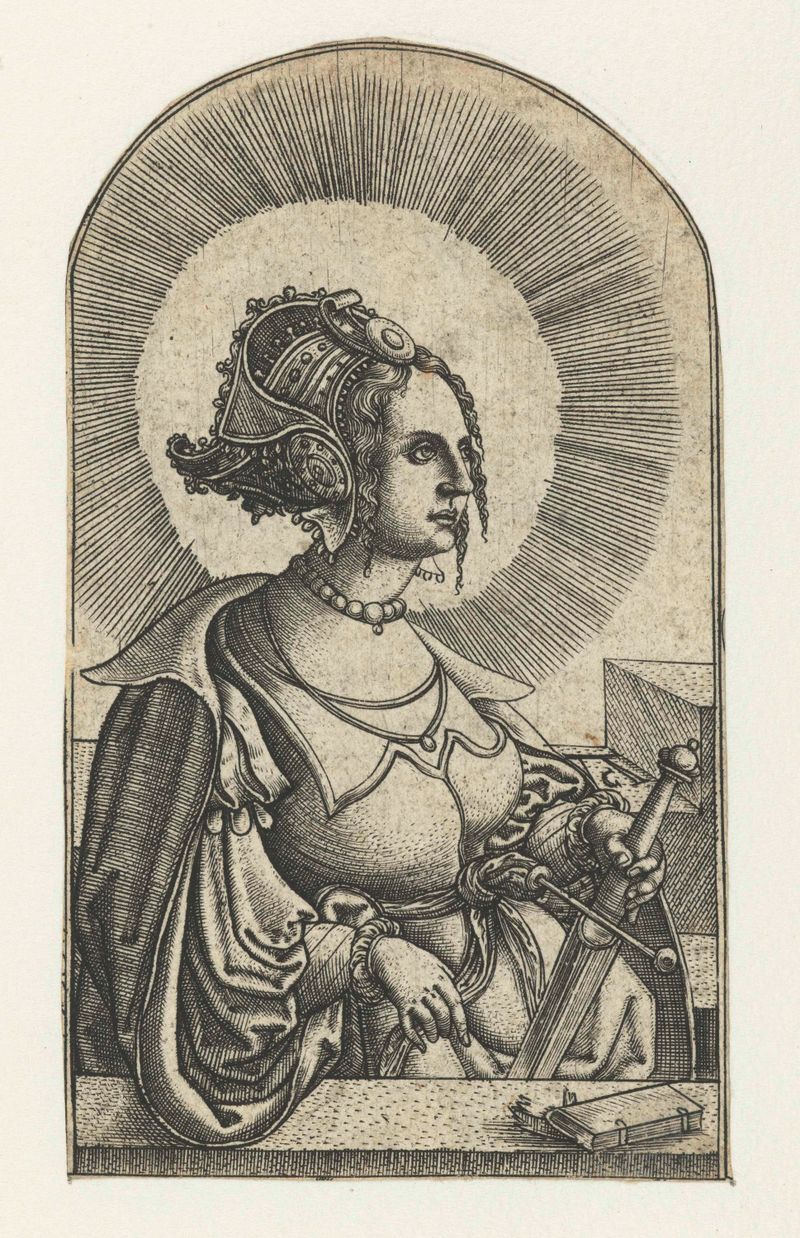
Heilige Catharina
Monogrammist AC (16e eeuw)
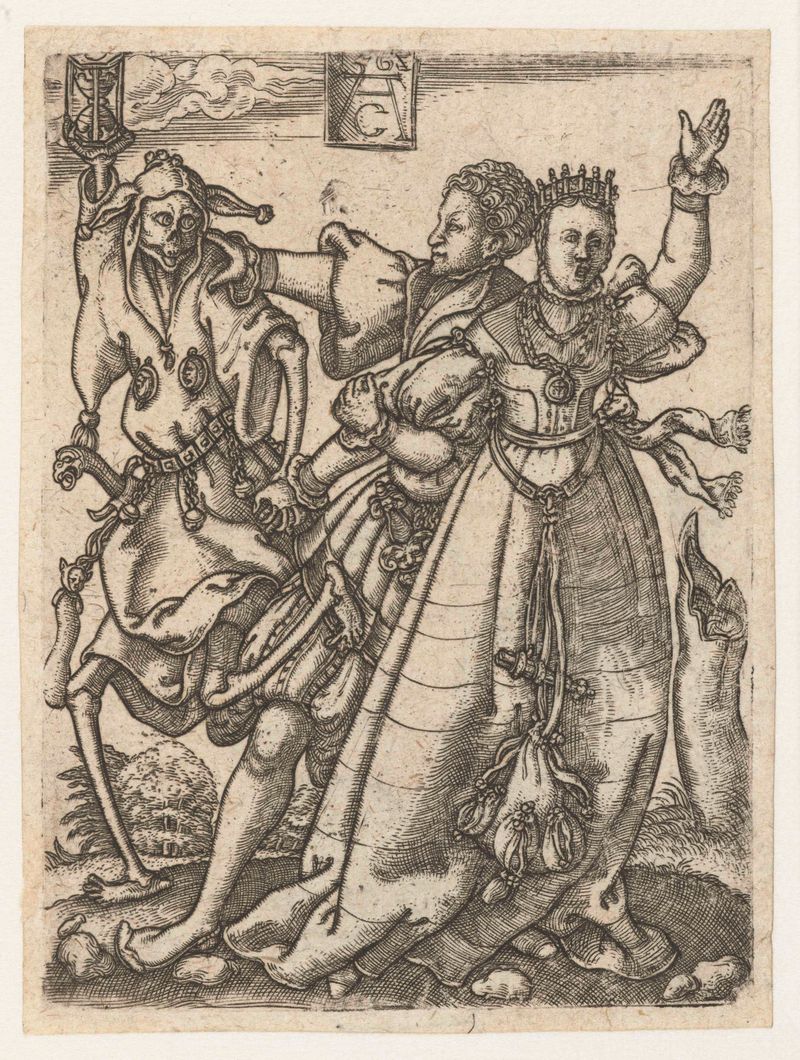
Echtpaar met de Dood
Monogrammist AC (16e eeuw)
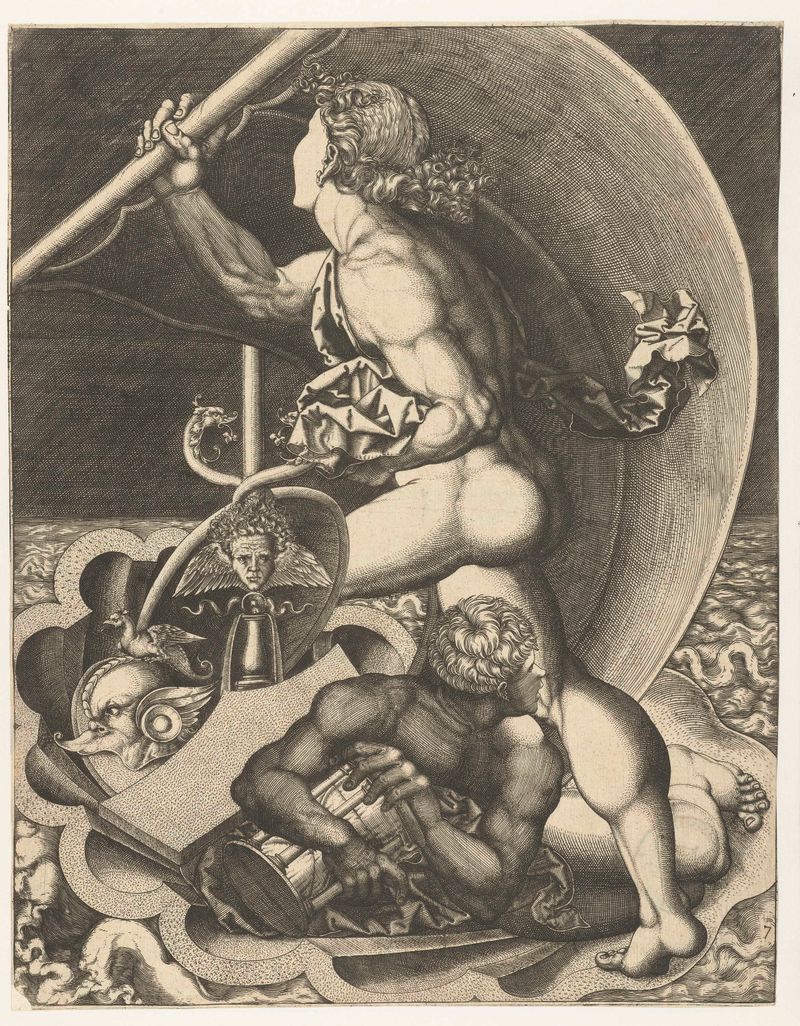
Allegorie van Tijd en Fortuin
Monogrammist AC (16e eeuw)

Portret van een jongeman (Vanitas)
Monogrammist AC (16e eeuw)

Heilige Martha en de draak
Monogrammist AC (16e eeuw)
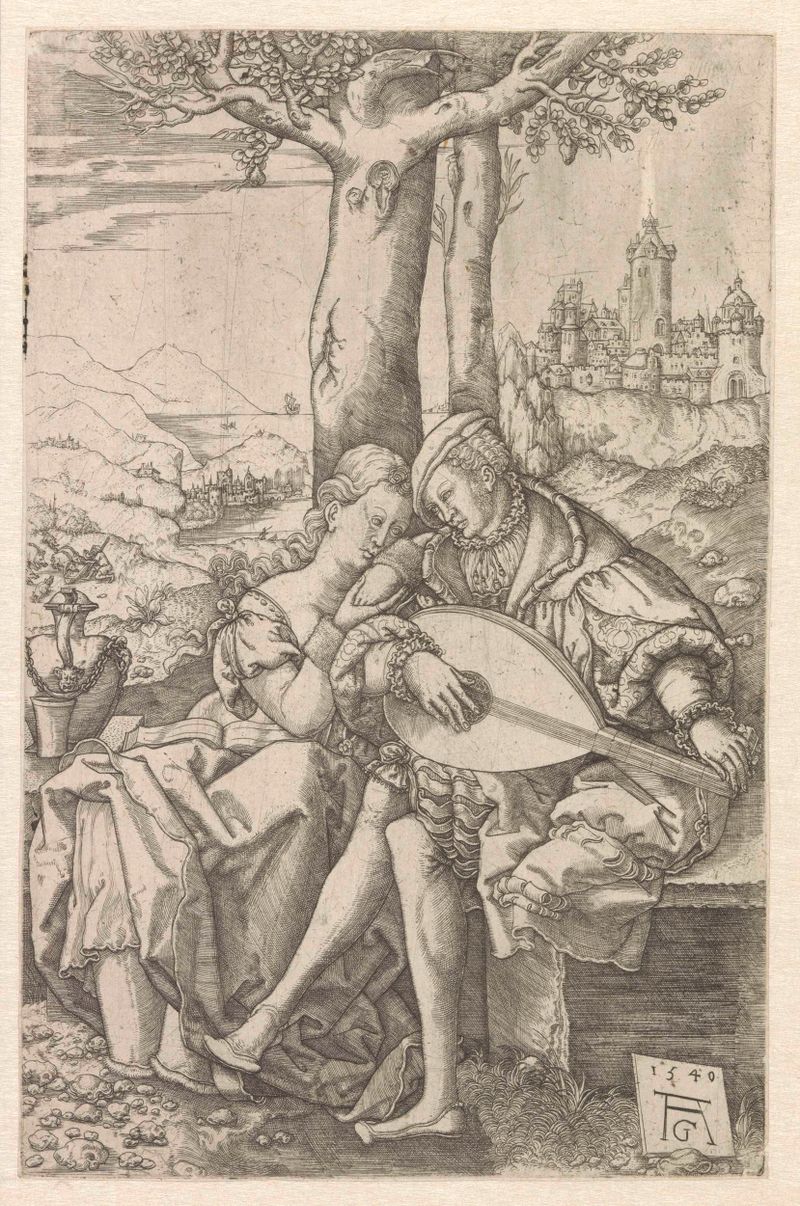
Twee verliefden onder een boom
Monogrammist AC (16e eeuw)
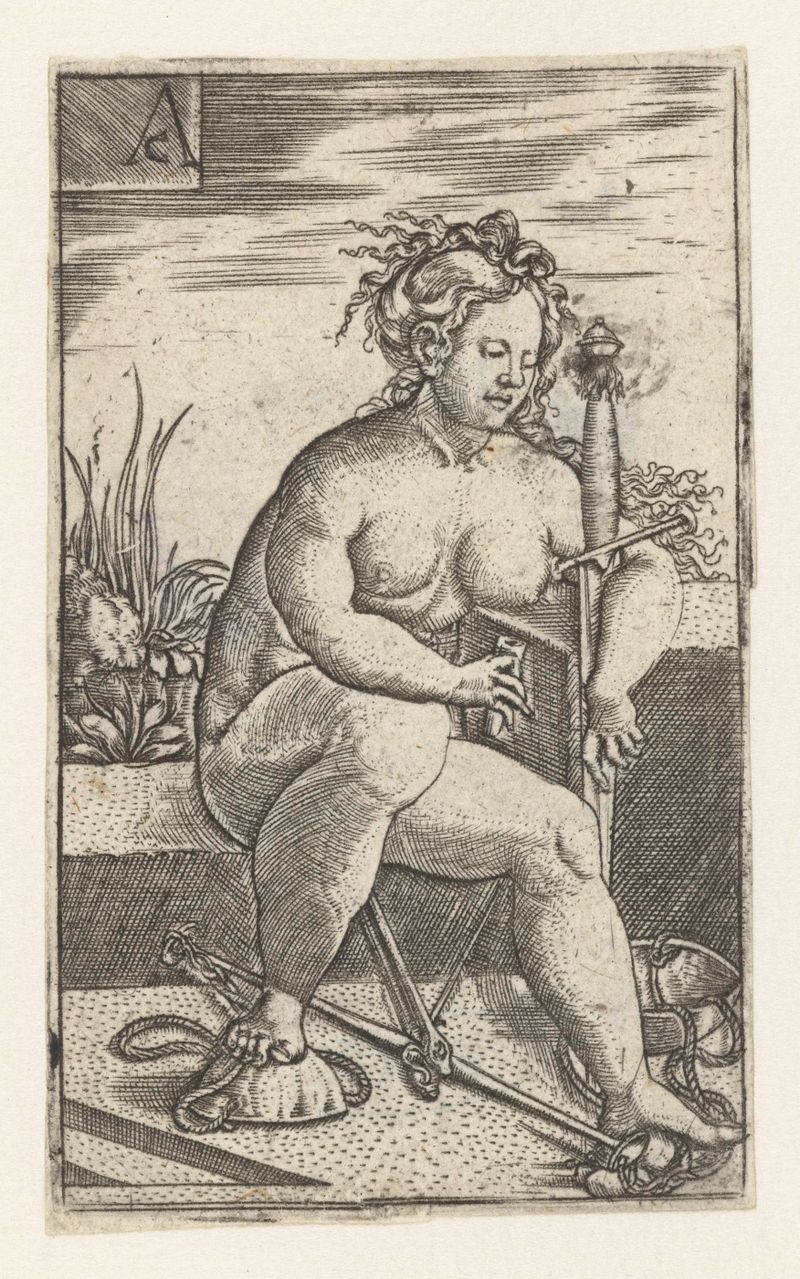
Gerechtigheid (Justitia)
Monogrammist AC (16e eeuw)
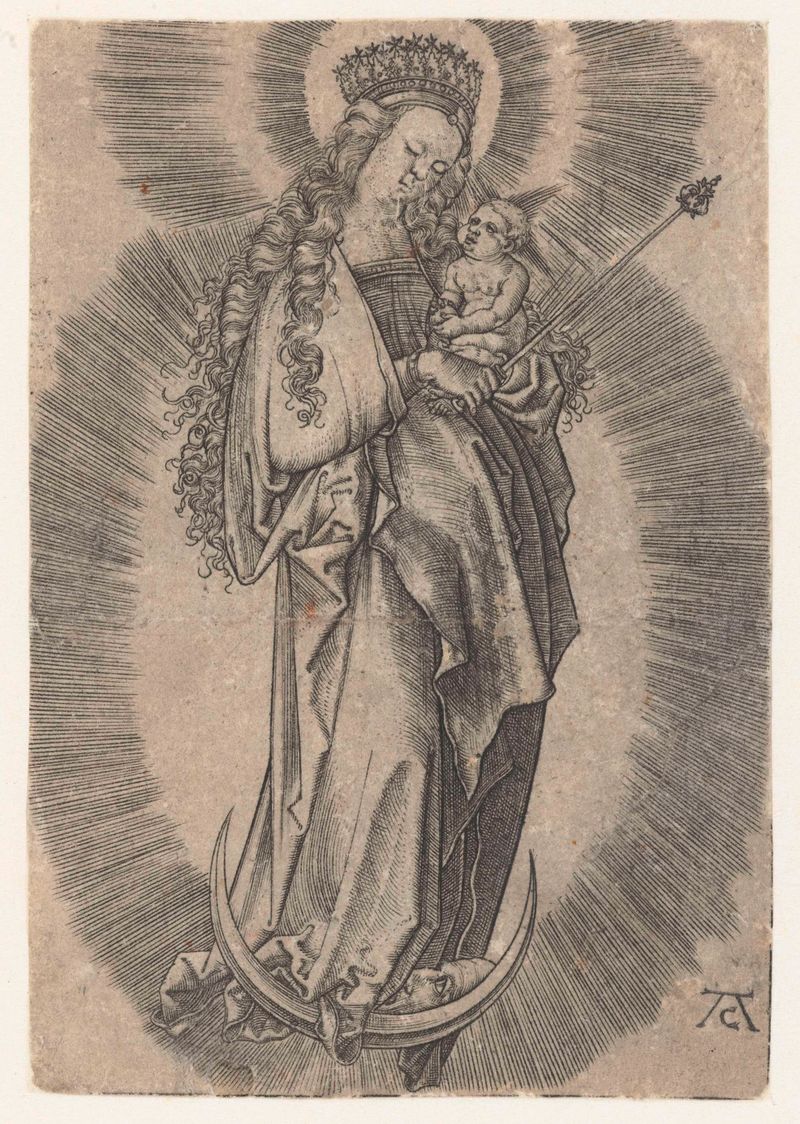
Madonna op de maansikkel.
Monogrammist AC (16e eeuw)
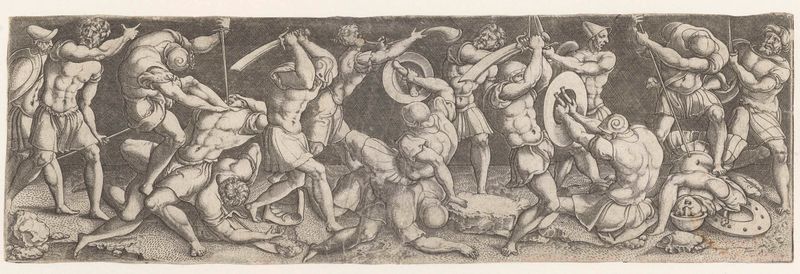
Gevecht tussen Romeinse soldaten
Monogrammist AC (16e eeuw)
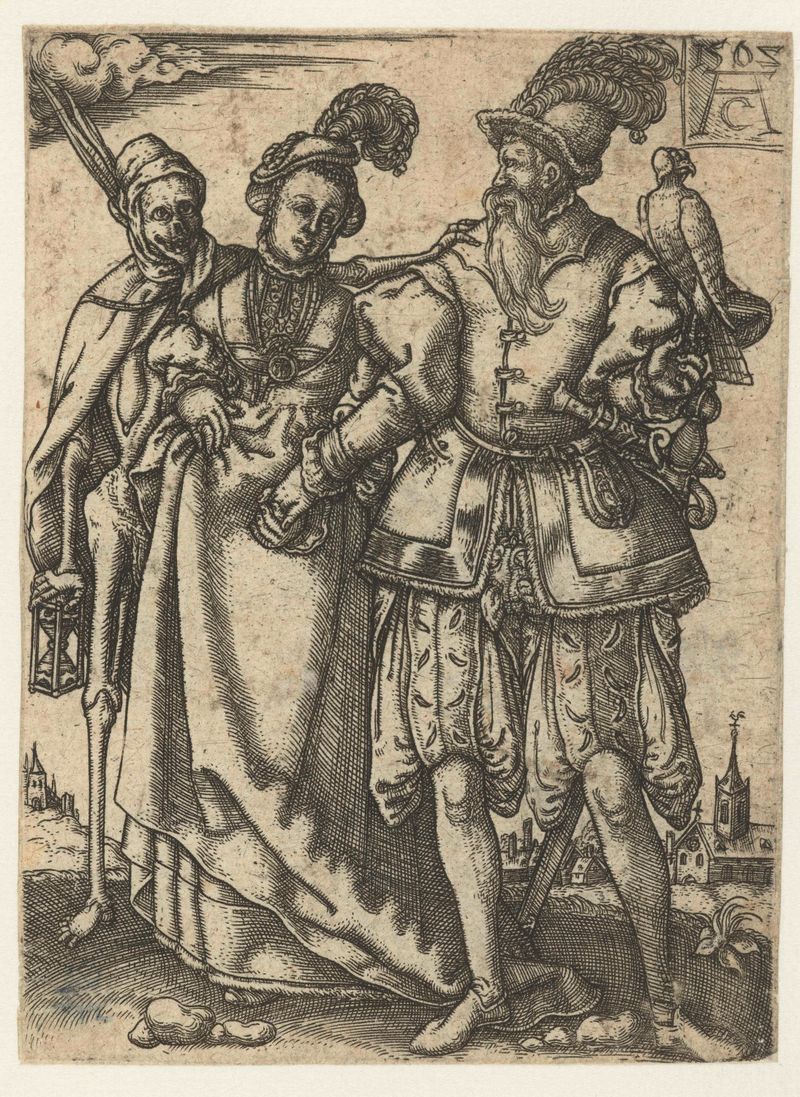
Echtpaar met de Dood
Monogrammist AC (16e eeuw)
More Portrait Art
Browse all →
Las meninas
Diego Velázquez

Self-portrait with a Bandaged Ear and Pipe
Unidentified artist

Girl with a Pearl Earring
Johannes Vermeer

The Sampling Officials of the Amsterdam Drapers’ Guild, Known as ‘The Syndics’
Rembrandt van Rijn

The Hundred Guilder Print: the man seen on the back in the lower left corner
Rembrandt van Rijn

Portrait of Dr Gachet
Vincent van Gogh