
Portret van hertog Pepijn van Brabant — History & Facts
When did color learn to lie? The vibrant hues of Portret van hertog Pepijn van Brabant cloak the subject in a deceiving elegance, masking the undercurrents of betrayal that swirl beneath the surface. Look to the left at the rich emerald fabric draping the duke’s shoulders, its sumptuous texture inviting the viewer to touch. The meticulous detailing of the lace collar draws the eye upward, accentuating a face marked by a complex interplay of confidence and vulnerability. Notice how the artist uses light to sculpt the features, casting gentle shadows that deepen the lines of experience, while the subtle blush on the cheeks suggests a lingering warmth that belies the coolness of his expression. Beneath the surface, the painting reveals layers of tension and ambivalence.
The duke’s gaze, direct and piercing, suggests both authority and a guarded heart, hinting at alliances that may be more fragile than they appear. The opulence of his attire contrasts starkly with the somber background, evoking the isolation and pressures of power, while the sumptuous colors might obscure darker ambitions lurking beneath the surface. Created between 1513 and 1517, this portrait emerged during a period of significant transition in European art, as Northern Renaissance artists began to shift towards more intimate and psychologically complex portrayals of their subjects. As Lucas van Leyden honed his craft in Leiden, he positioned himself within a burgeoning art scene influenced by the merging of humanism and intricate detail, reflecting the societal tensions of his time.
More Artworks by Lucas van Leyden
Browse all →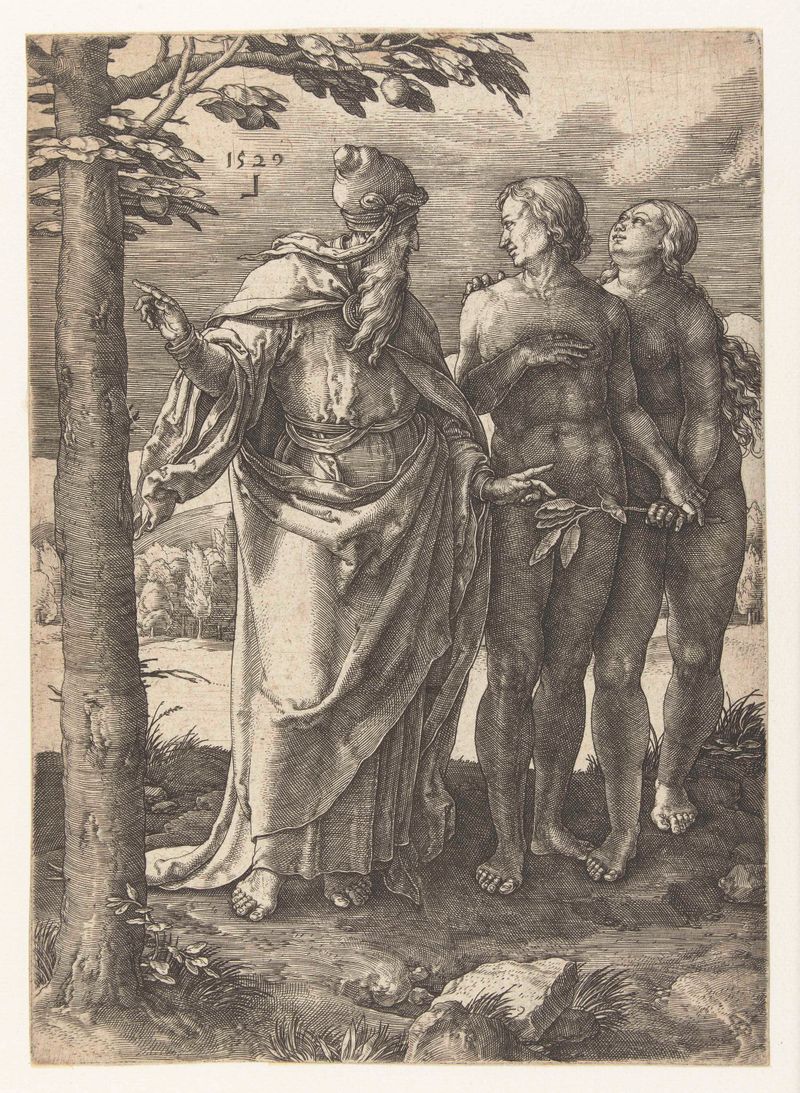
Het eerste verbod
Lucas van Leyden
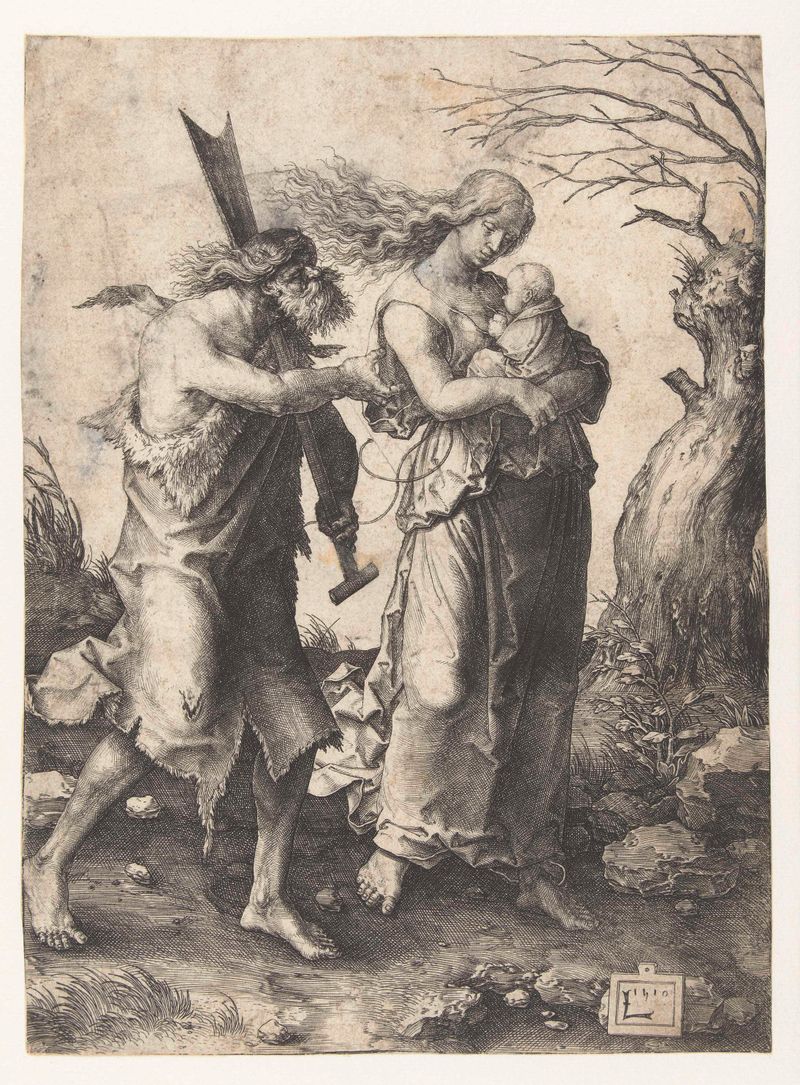
Adam en Eva na de verdrijving uit het paradijs
Lucas van Leyden
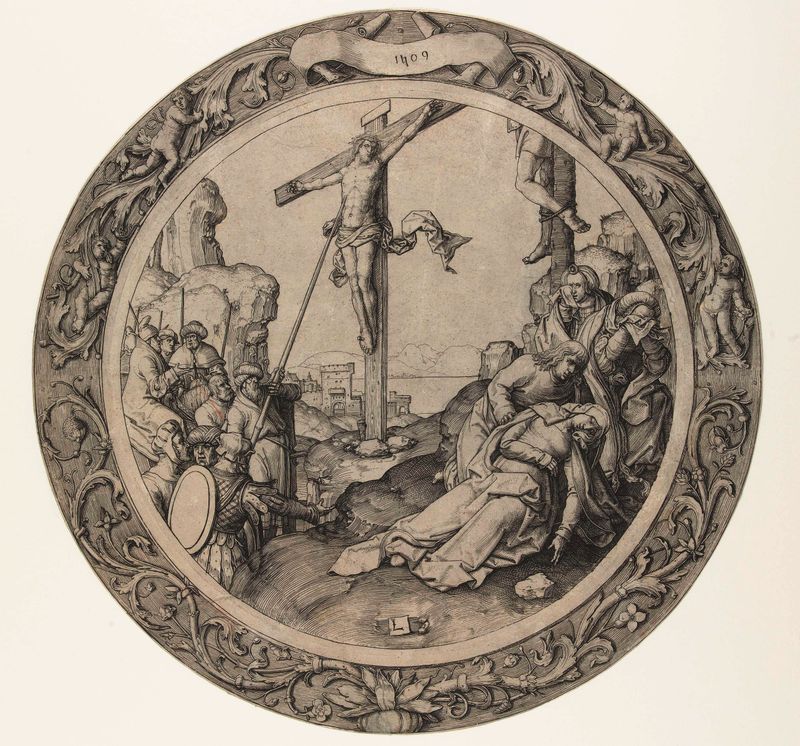
De kruisiging
Lucas van Leyden
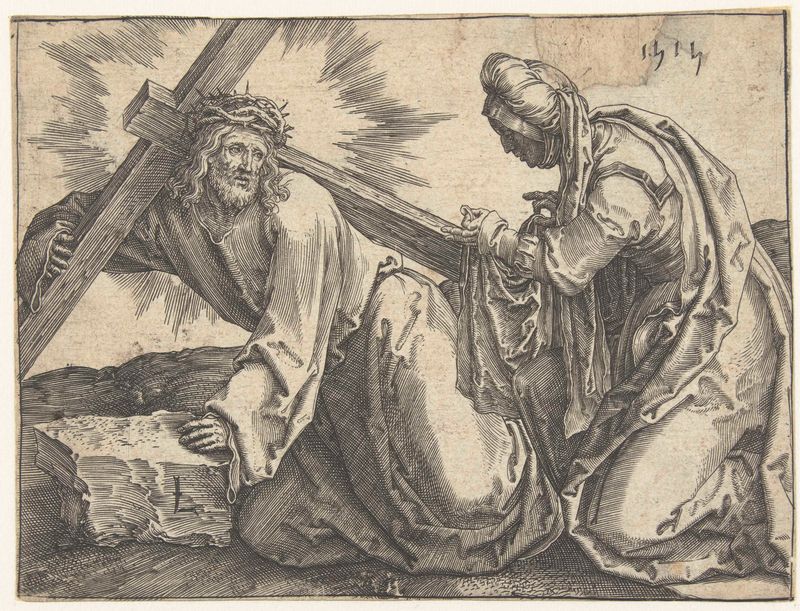
Kruisdraging
Lucas van Leyden
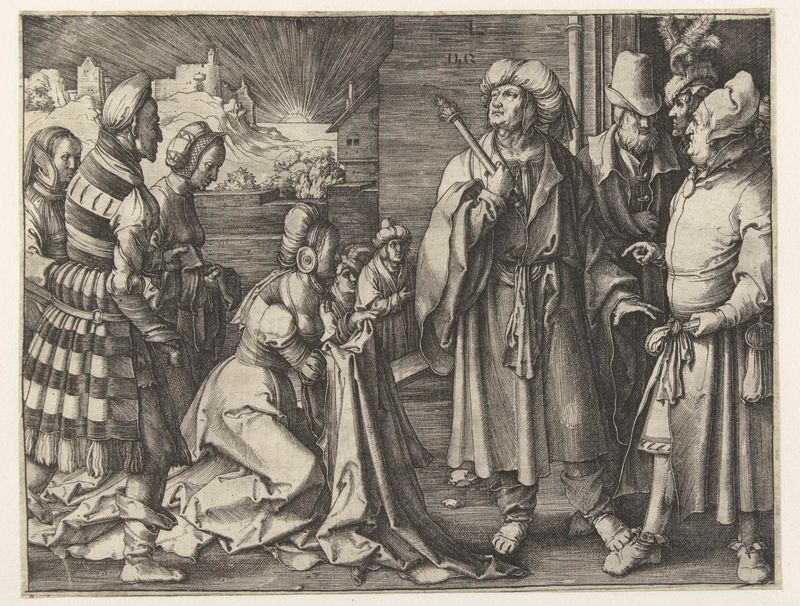
De vrouw van Potifar beschuldigt Jozef
Lucas van Leyden
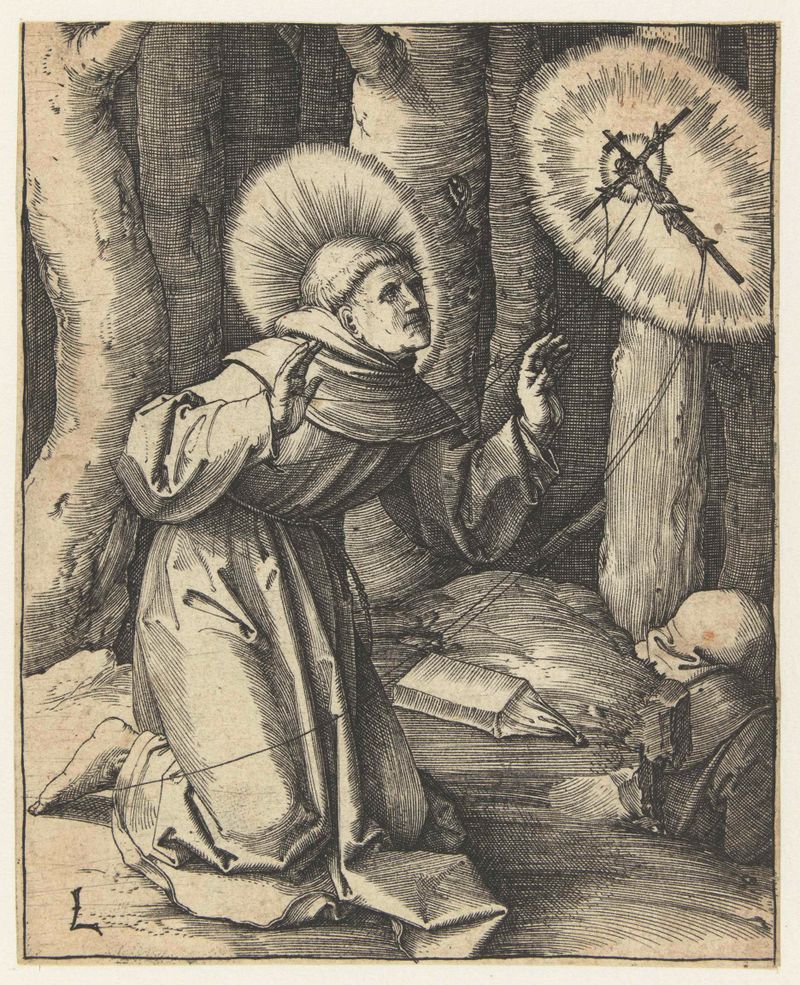
De stigmatisatie van de heilige Franciscus
Lucas van Leyden
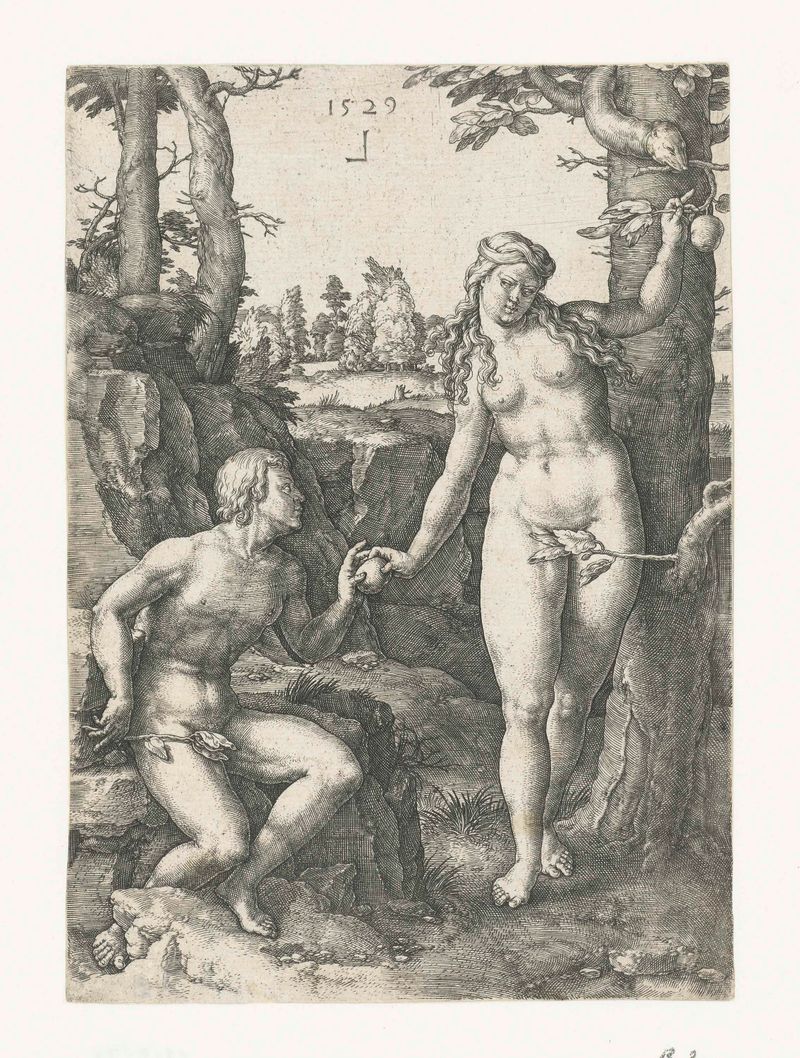
De zondeval
Lucas van Leyden
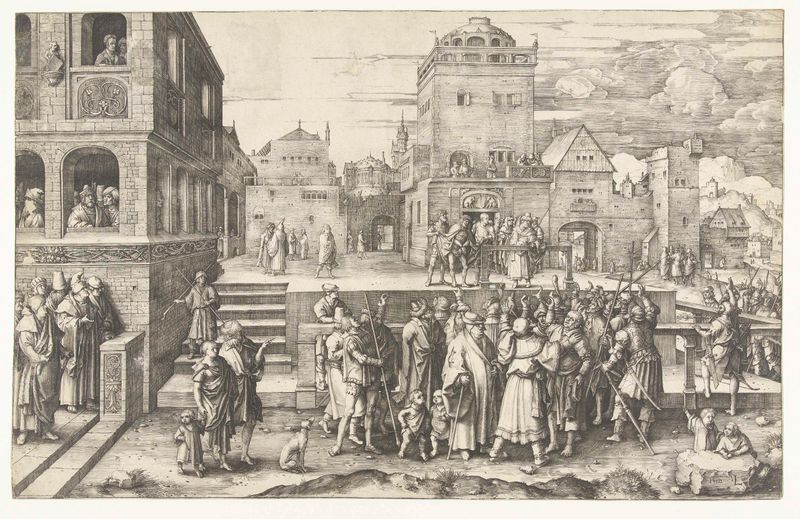
De grote Ecce Homo
Lucas van Leyden
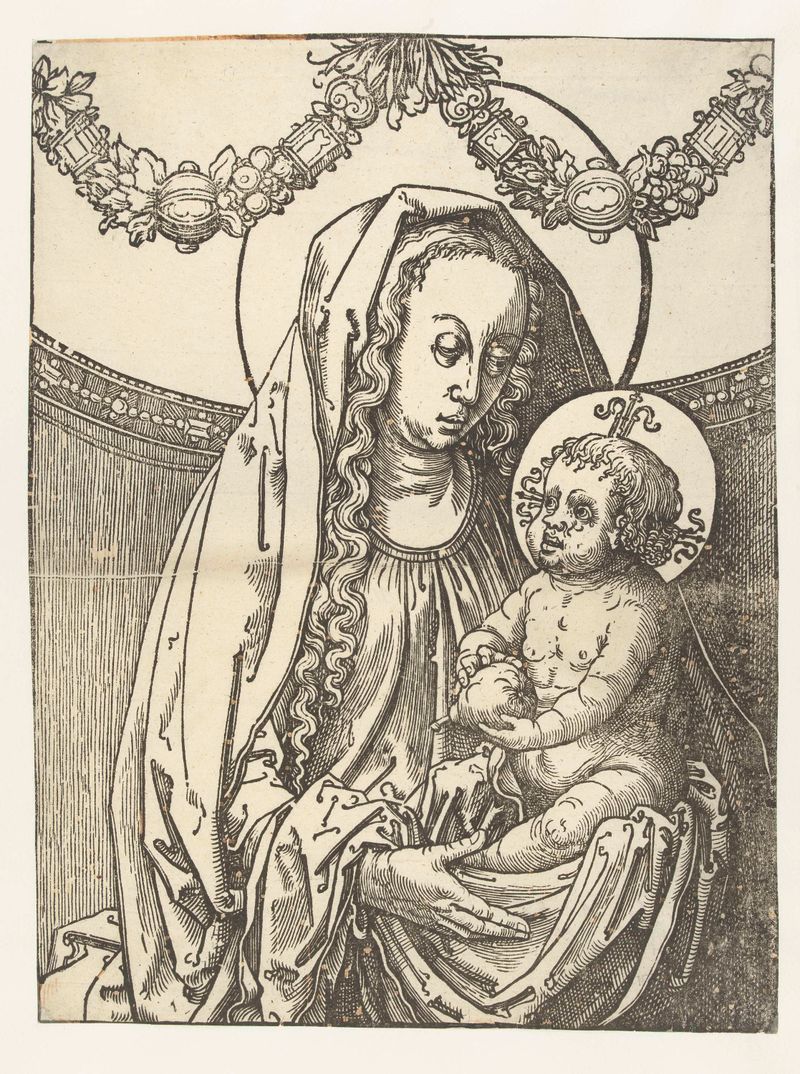
Maria met kind
Lucas van Leyden

Doornenkroning
Lucas van Leyden
More Portrait Art
Browse all →
Las meninas
Diego Velázquez

Self-portrait with a Bandaged Ear and Pipe
Unidentified artist

Girl with a Pearl Earring
Johannes Vermeer

The Sampling Officials of the Amsterdam Drapers’ Guild, Known as ‘The Syndics’
Rembrandt van Rijn

The Hundred Guilder Print: the man seen on the back in the lower left corner
Rembrandt van Rijn

Portrait of Dr Gachet
Vincent van Gogh