
Portret van Maria Vingerhoed (1683-1749) — History & Facts
When Godfried Schalcken painted Portret van Maria Vingerhoed (1683-1749), he captured not only the likeness of a Rotterdam merchant’s daughter, but also the ambitions of an upwardly-mobile Dutch family in the late seventeenth century. Maria Vingerhoed belonged to a prominent Mennonite community, and her marriage into the Van der Mersch family was considered a notable alliance. Portraits like this were often commissioned to commemorate such unions, serving as both family record and social statement.
The painting’s provenance is still partly veiled: no early inventories mention it by name, and its first certain appearance is in a Rotterdam collection in the nineteenth century. Maria sits composed, her gaze direct yet reserved, hands folded in her lap. Schalcken, famed for his candlelit scenes, here opts for gentle daylight, illuminating the sitter’s pale skin and the subtle sheen of her silk dress. The pearls at her throat and wrist quietly signal affluence, while the absence of ostentation fits the restrained values of her Mennonite background.
Unlike the psychological intensity found in Rembrandt’s portraits, Schalcken’s approach is cool and formal, emphasizing status over inner life. The artist’s precise handling of lace and fabric, and the careful rendering of Maria’s features, invite the viewer to contemplate both her individuality and her role within her family’s aspirations. The physical journey of this portrait remains largely undocumented until the modern era, a fate common to many family commissions from the Dutch Golden Age. Attributions to Godfried Schalcken have occasionally been questioned, given the number of imitators and studio assistants who emulated his style, but consensus now favors his authorship based on technical analysis and stylistic comparison.
Today, Portret van Maria Vingerhoed (1683-1749) stands as a testament to Schalcken’s versatility beyond his famed nocturnes, offering a rare glimpse into the world of Rotterdam’s prosperous burghers. It remains in a private collection, seldom seen by the public, its quiet dignity preserved across centuries.
More Artworks by Godfried Schalcken

Young Man and Woman Studying a Statue of Venus, by Lamplight
Godfried Schalcken

Portrait of an Artist in His Studio
Godfried Schalcken
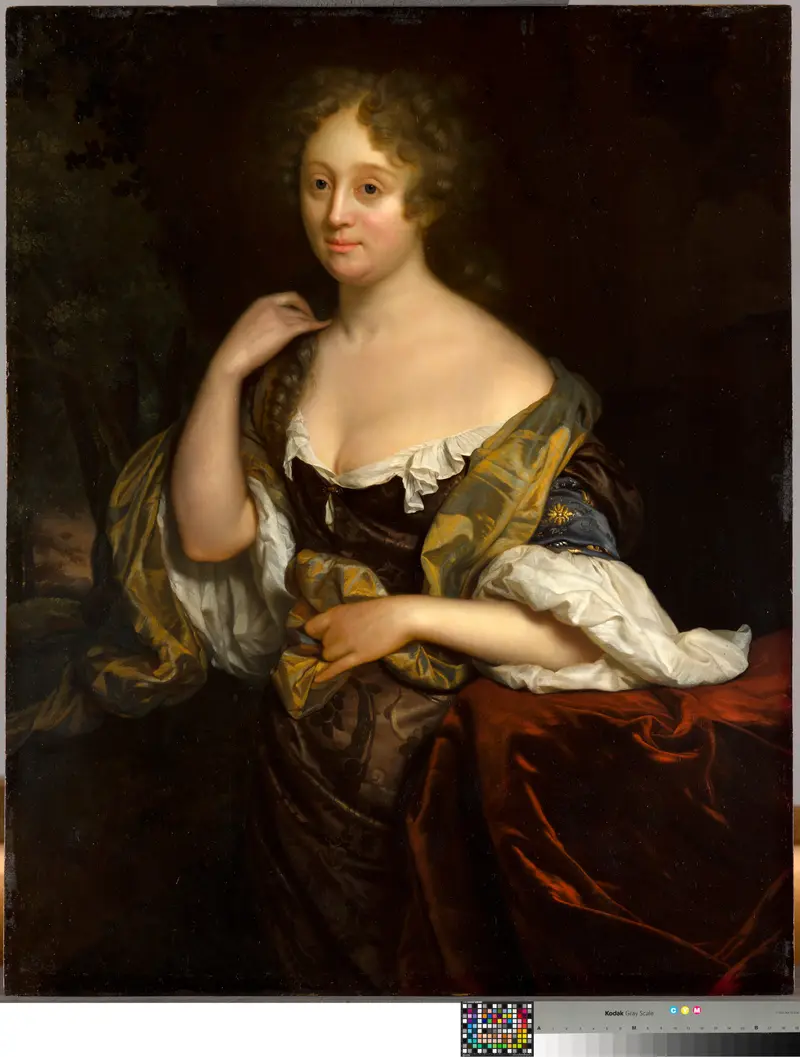
Portrait of Isabella Agneta Deutz
Godfried Schalcken
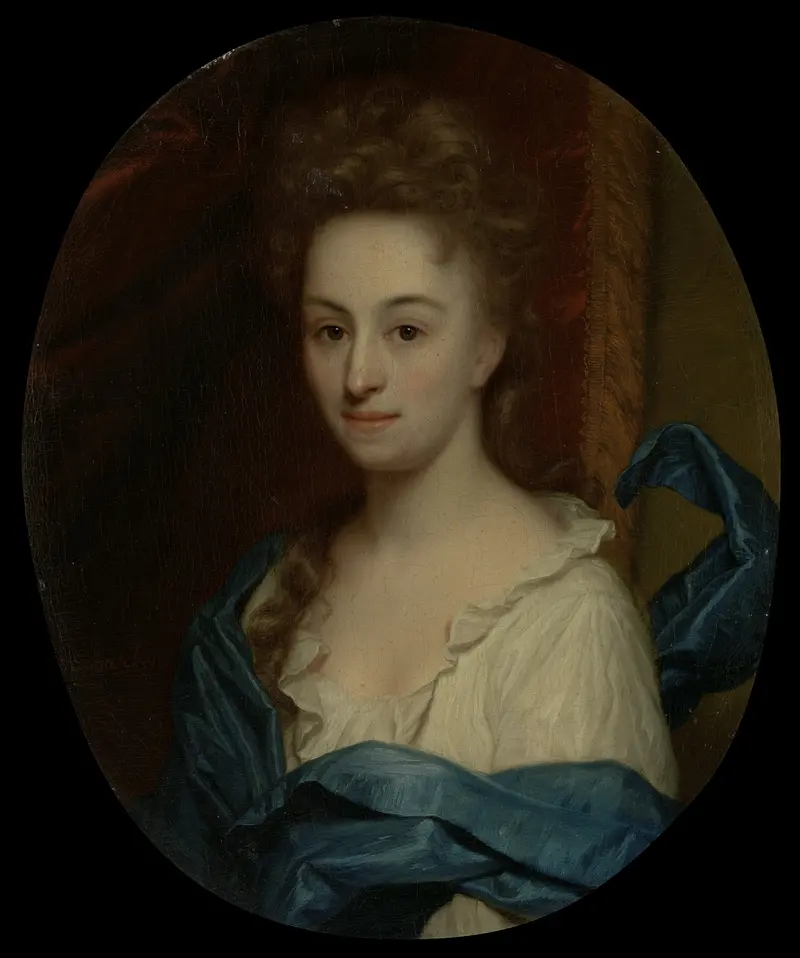
Portrait of Josina Clara van Citters (1671-1753), daughter of Josina Parduyn
Godfried Schalcken
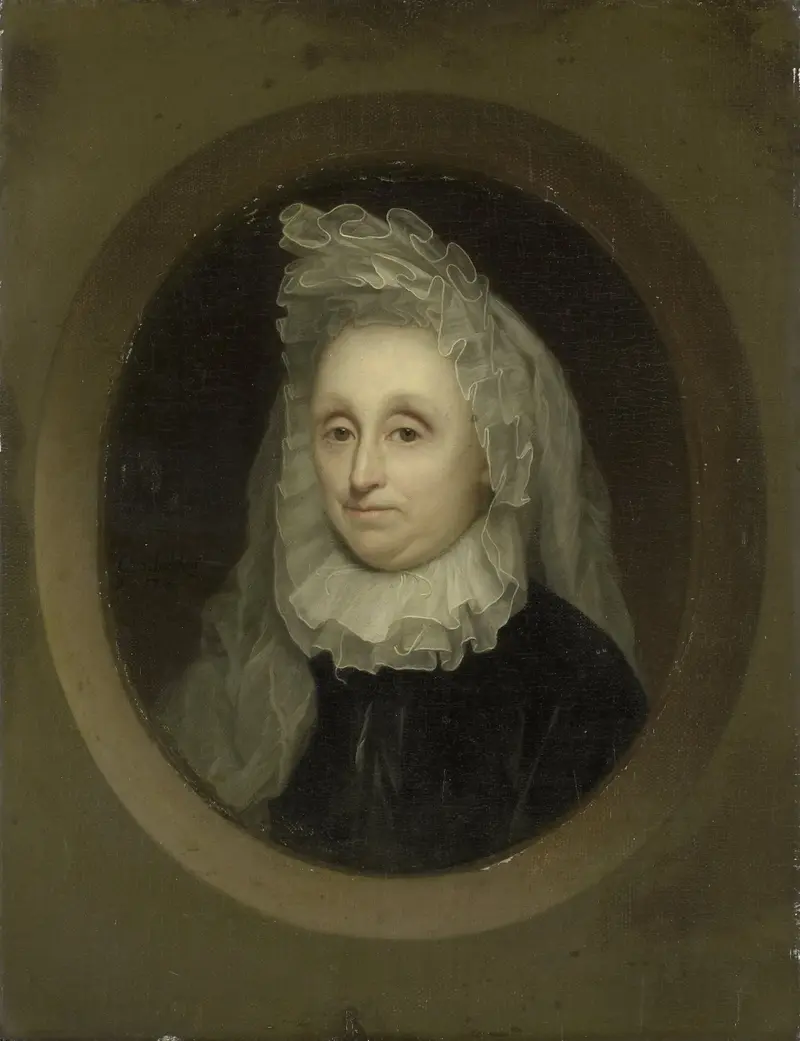
Portrait of Josnia Parduyn (1642-1718), second wife of Aernout van Citters
Godfried Schalcken
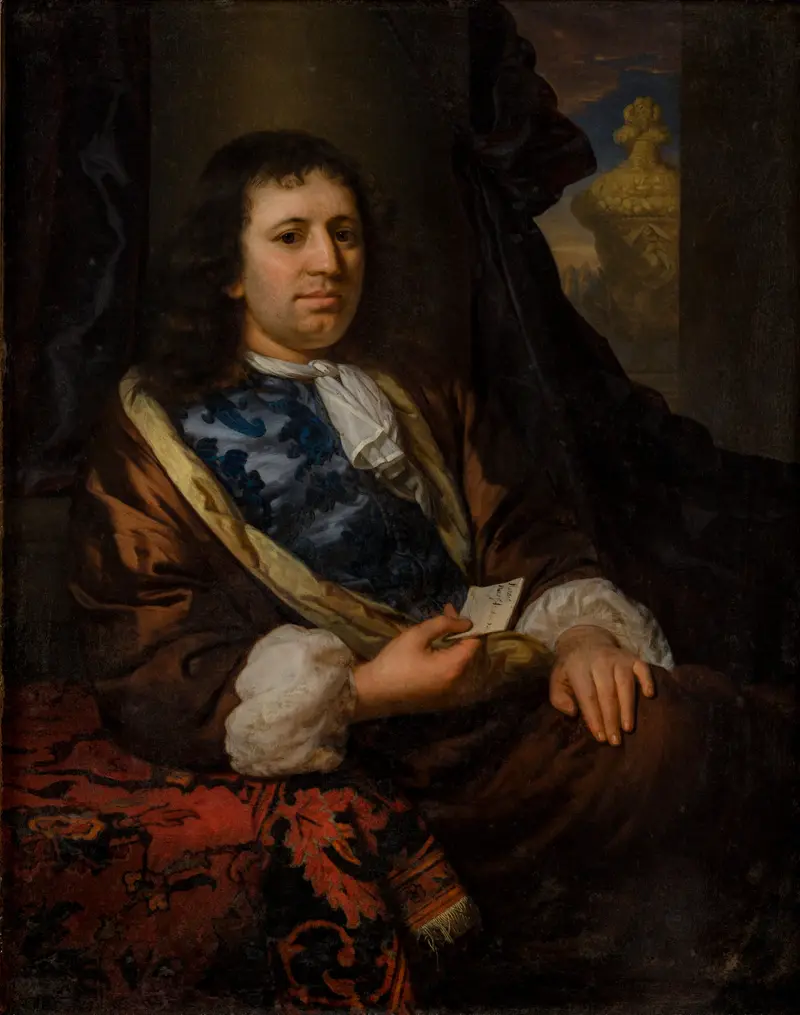
Portret van Johan de Bruin (1678-
Godfried Schalcken
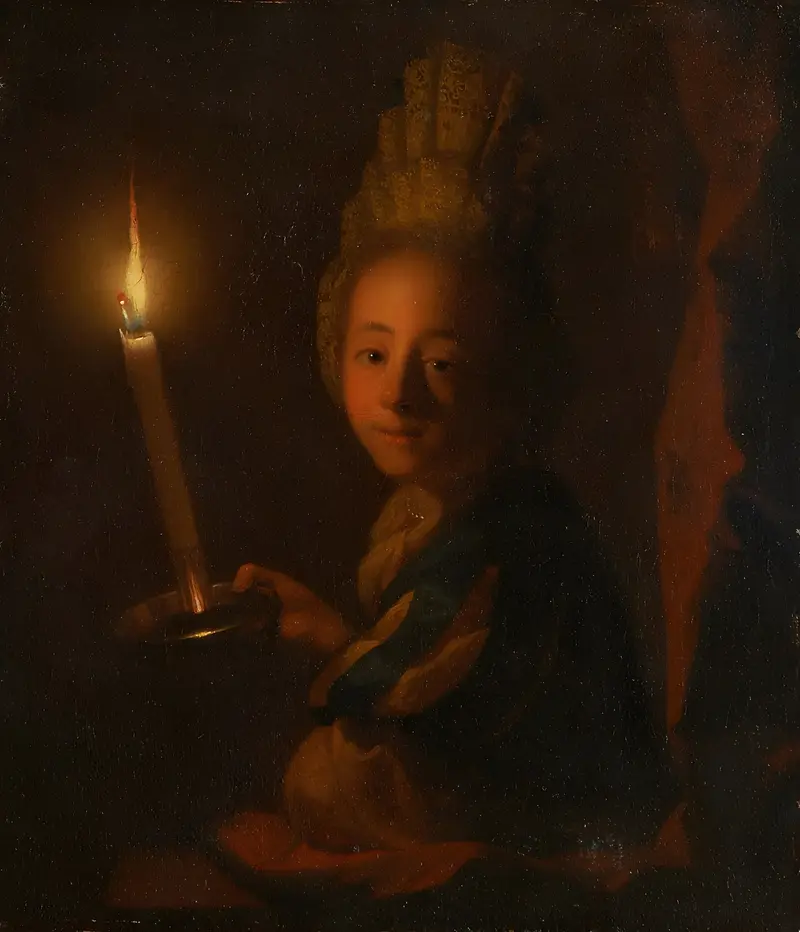
Girl with Burning Candle
Godfried Schalcken
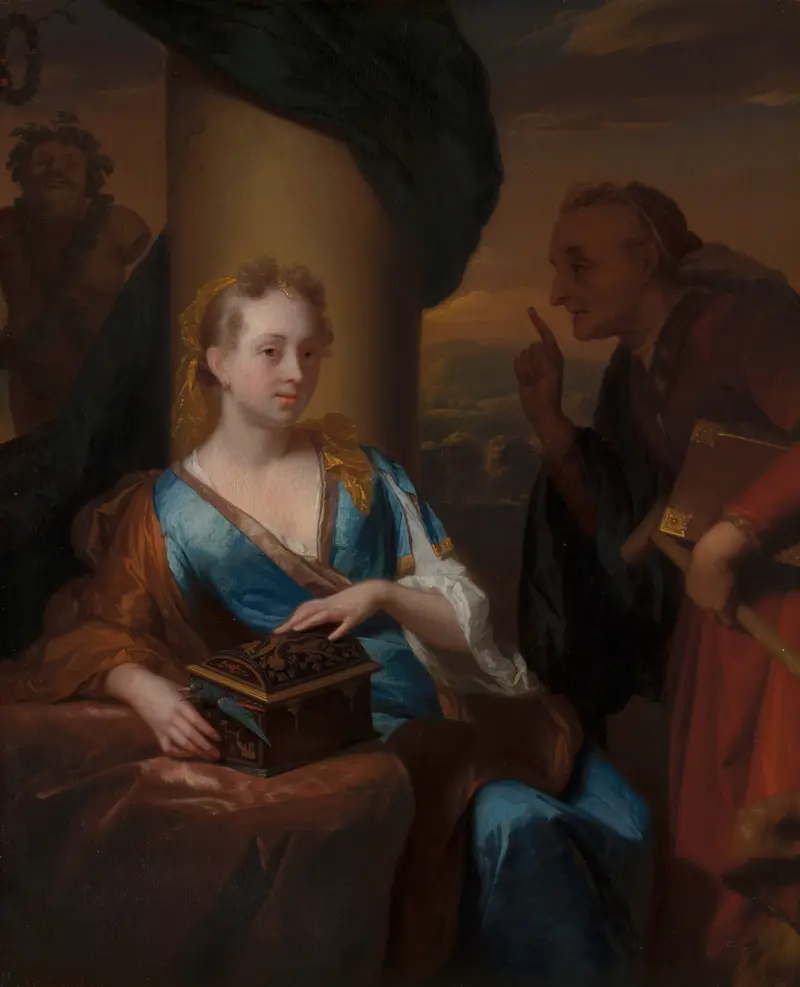
A Useless Moral Lesson
Godfried Schalcken
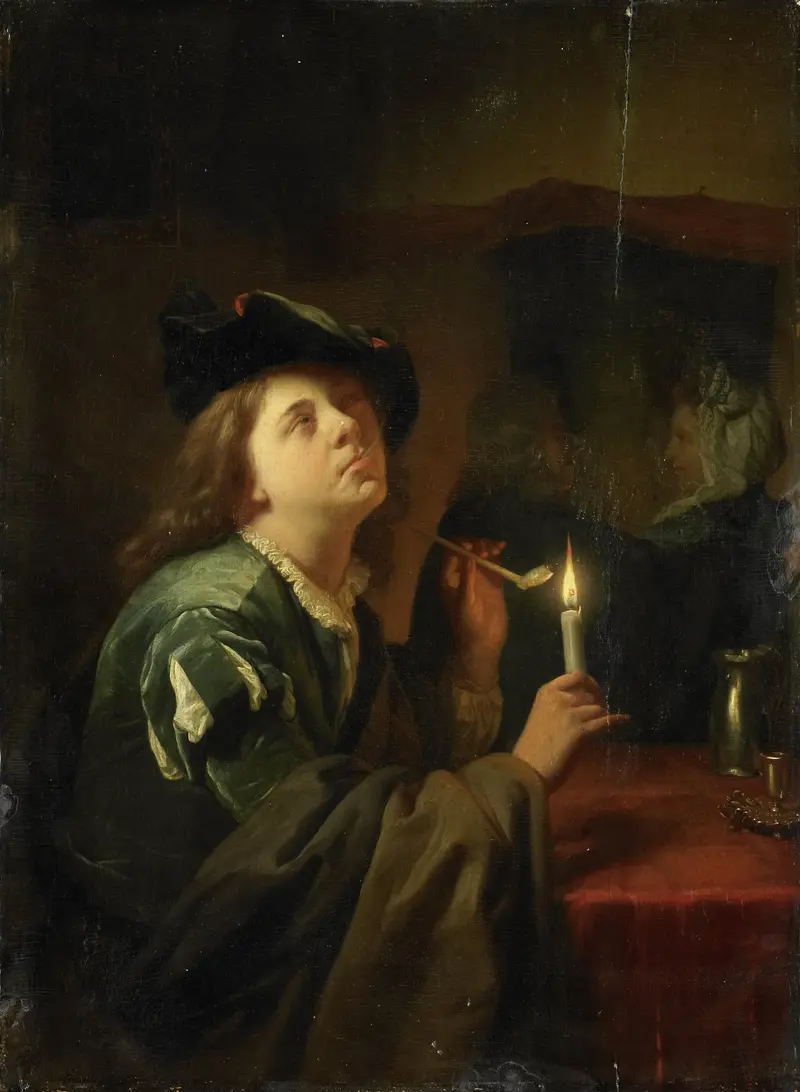
‘Differing tastes’
Godfried Schalcken
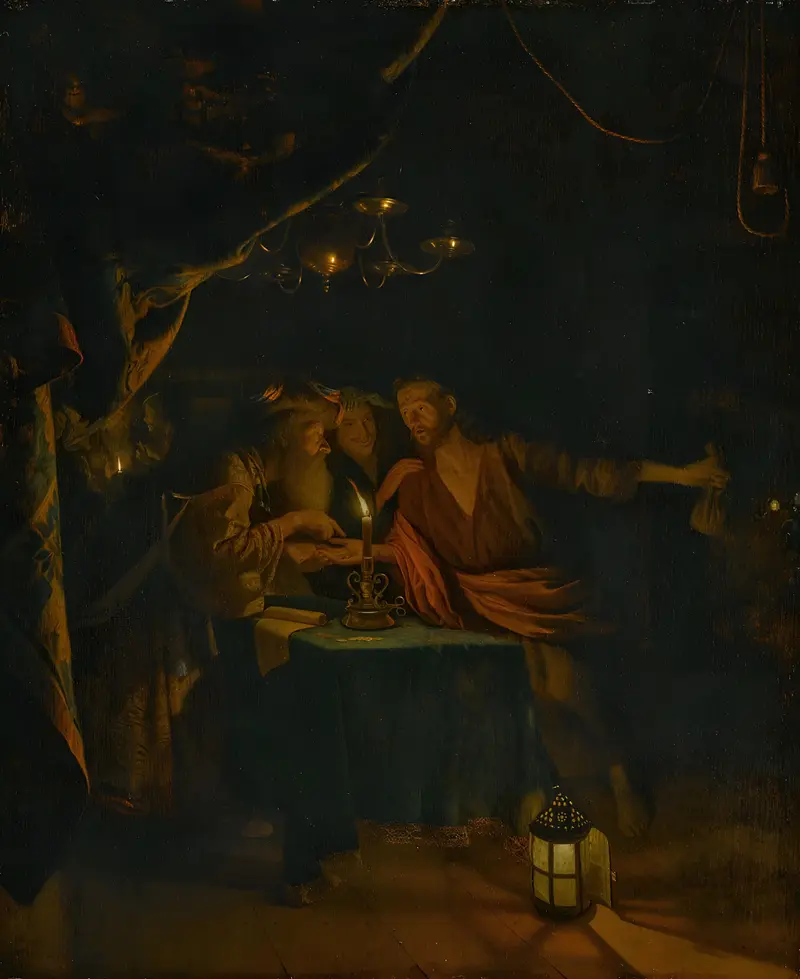
The betrayal of Judas
Godfried Schalcken





