
Posthumous portrait of Louise Elisabeth of France (1727-1759), Duchess of Parma, in court dress — History & Facts
What first catches the eye is the sweep of blue and gold that seems to anchor the entire scene—a court dress so heavy with embroidery and ermine that it nearly outshines the crown resting quietly on the table. The sitter, Louise Elisabeth of France, faces us with a composed, almost reserved gaze, her posture upright yet softened by the delicate lace at her sleeves and the gentle tilt of her fan. Light falls over her face and hands, drawing attention to the living presence amid the formal trappings of royalty, while the deep shadows and rich red drapery above add gravity and a sense of enclosure.
The architectural backdrop, with its classical arches and distant landscape, frames her as both a figure of power and a woman set apart, her world both grand and solitary. Painted in 1761, this posthumous portrait belongs to a tradition that flourished in the eighteenth-century courts of Europe, where images of royalty were more than likenesses—they were instruments of memory, legitimacy, and dynastic pride. Such portraits were often commissioned to mark transitions: a marriage, a death, a succession. Here, the artist’s careful rendering of regalia and setting signals the sitter’s rank as Duchess of Parma, while the absence of overt narrative—no action, no attendants—focuses all attention on the dignity of presence itself.
History has kept few traces of this particular painting’s journey, but its survival invites us to look again at the careful balance between splendor and silence, and to imagine the world of ceremony and expectation that shaped both sitter and artist.
More Artworks by Jean-Marc Nattier

Madame Crozat de Thiers and Her Daughter
Jean-Marc Nattier
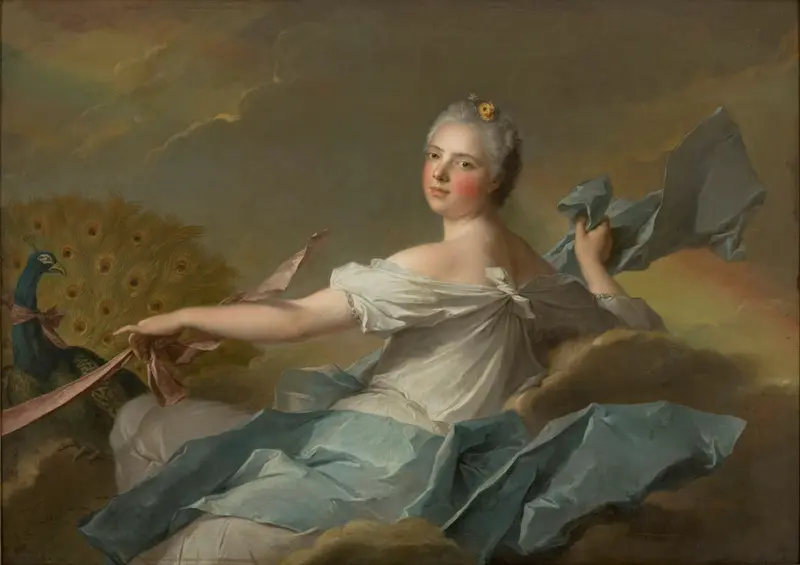
Princess Marie Adélaïde of France - The Air
Jean-Marc Nattier
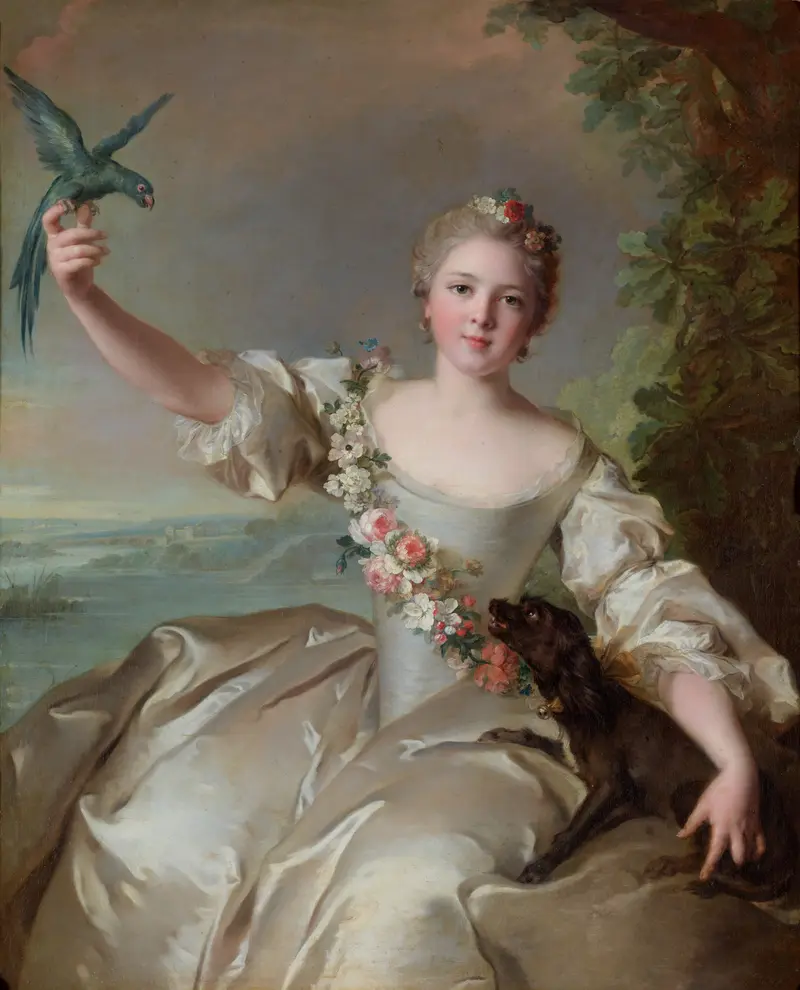
Portrait de Mathilde de Canisy, marquise d'Antin
Jean-Marc Nattier
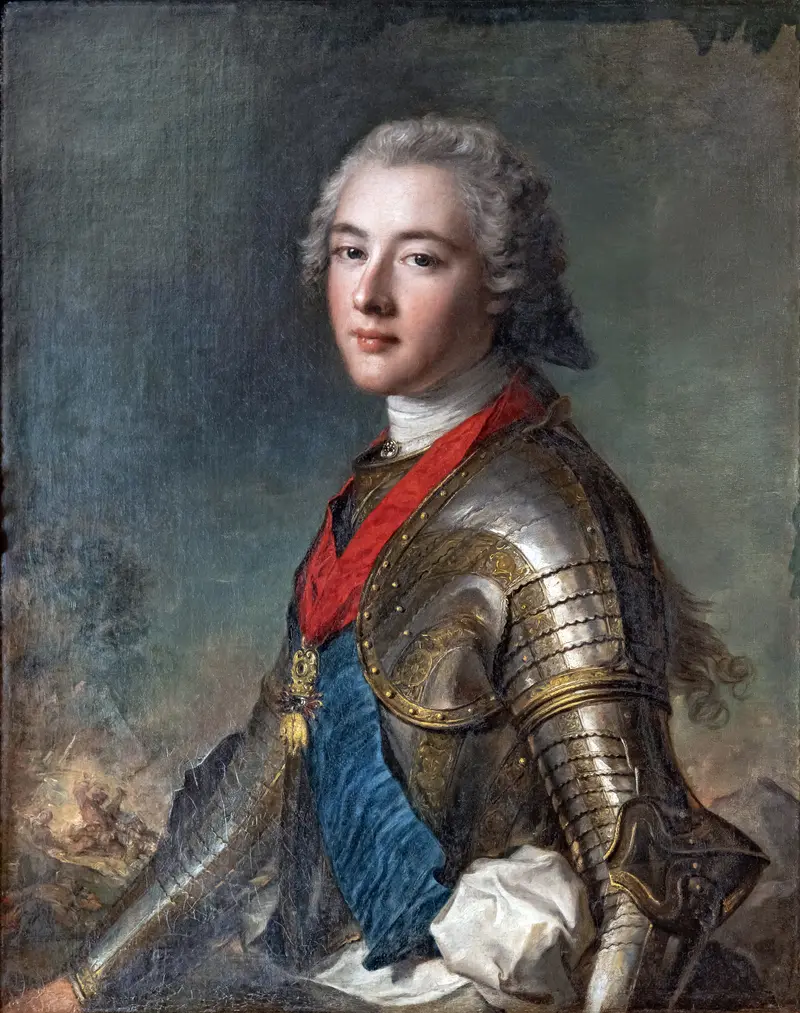
Bemberg Fondation Toulouse - Portrait de Louis Jean Marie de Bourbon, Duc de Penthièvre - Jean Marc Nattier inv.1158 82x65.4
Jean-Marc Nattier
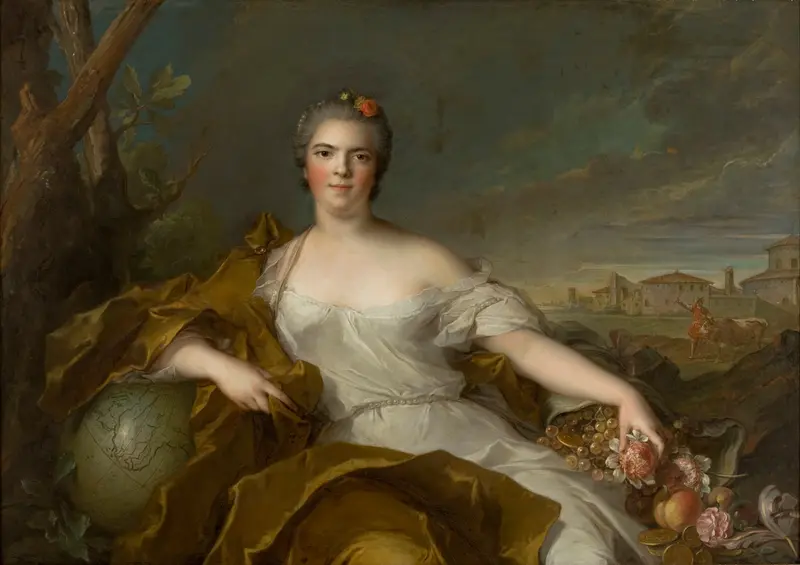
Princess Louise-Élisabeth of France - The Earth
Jean-Marc Nattier
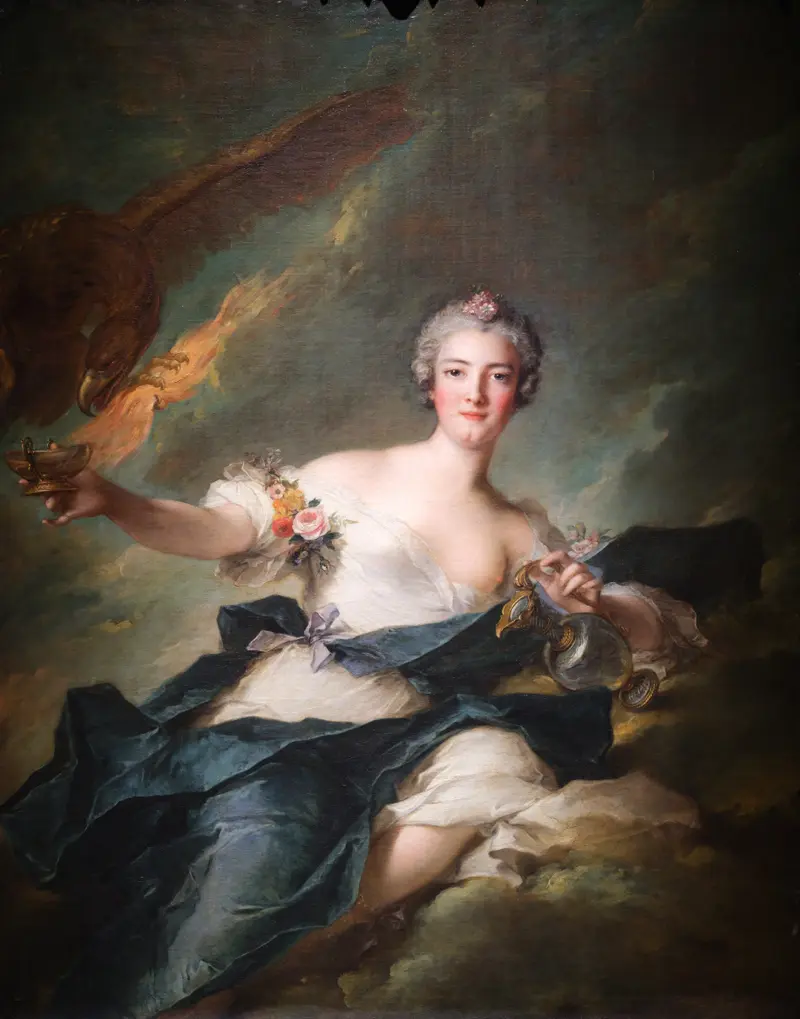
The Duchess of Chaulnes Represented as Hebe
Jean-Marc Nattier
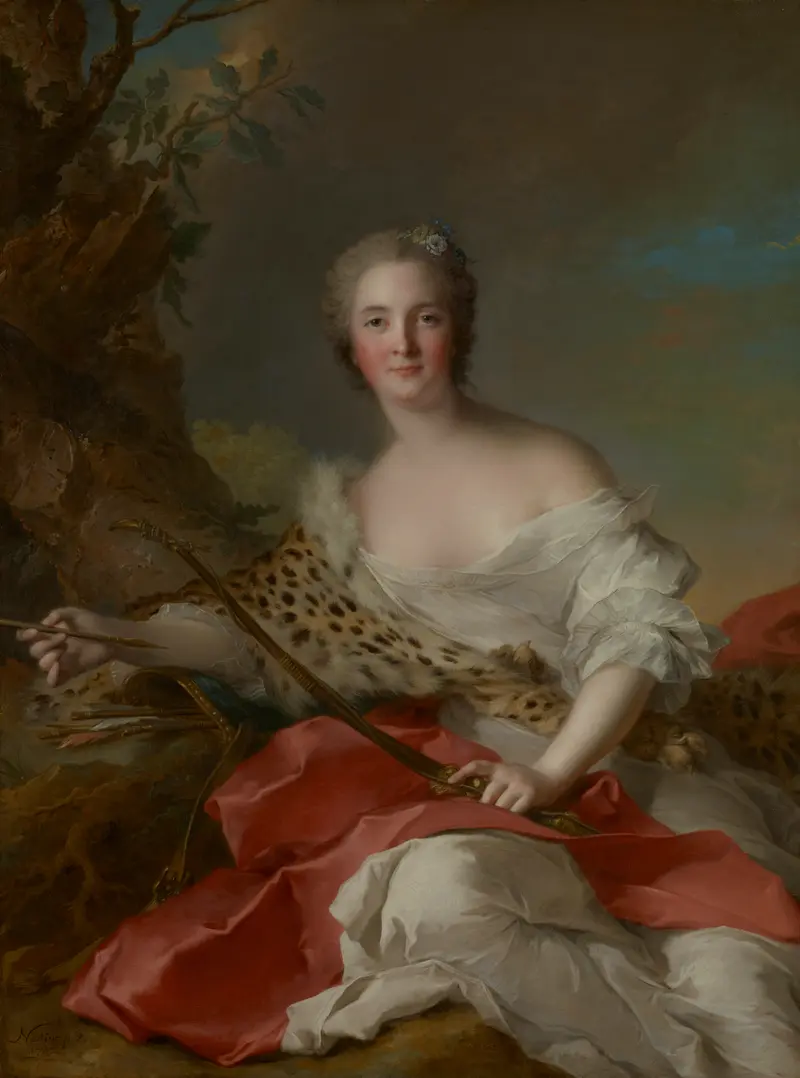
Portrait of Madame Bonnier de la Mosson as Diana (Constance-Gabrielle-Magdeleine du Monciel de Lauraille
Jean-Marc Nattier
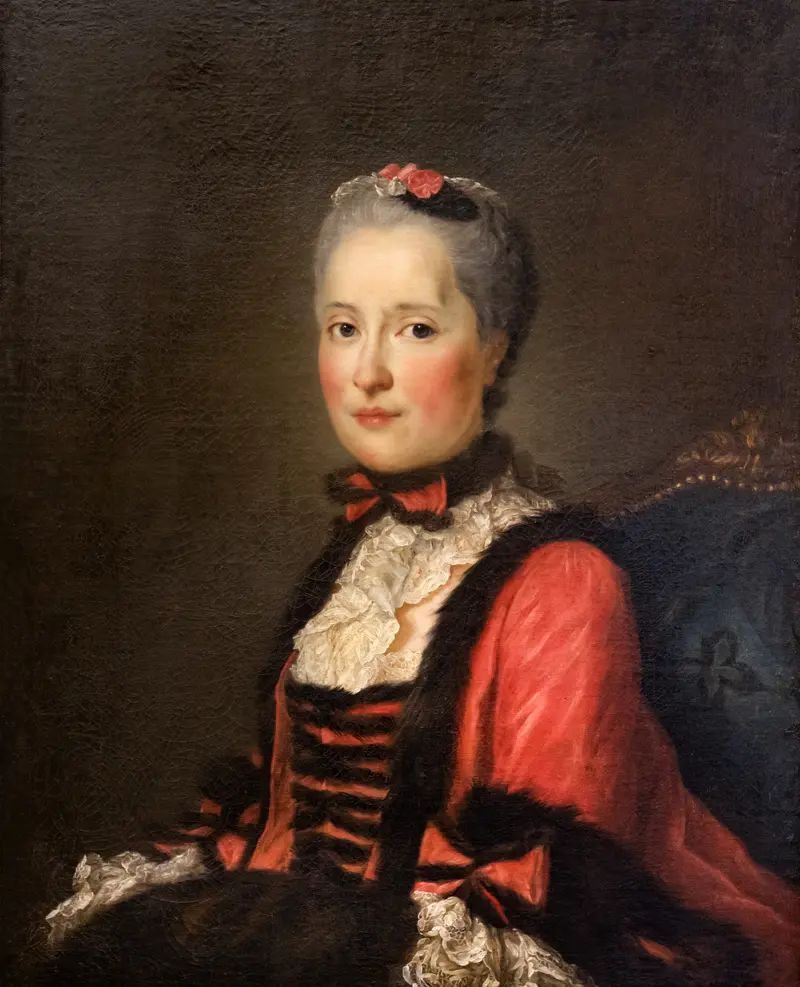
Portrait of Marie-Josephe of Saxony, Dauphine of France
Jean-Marc Nattier
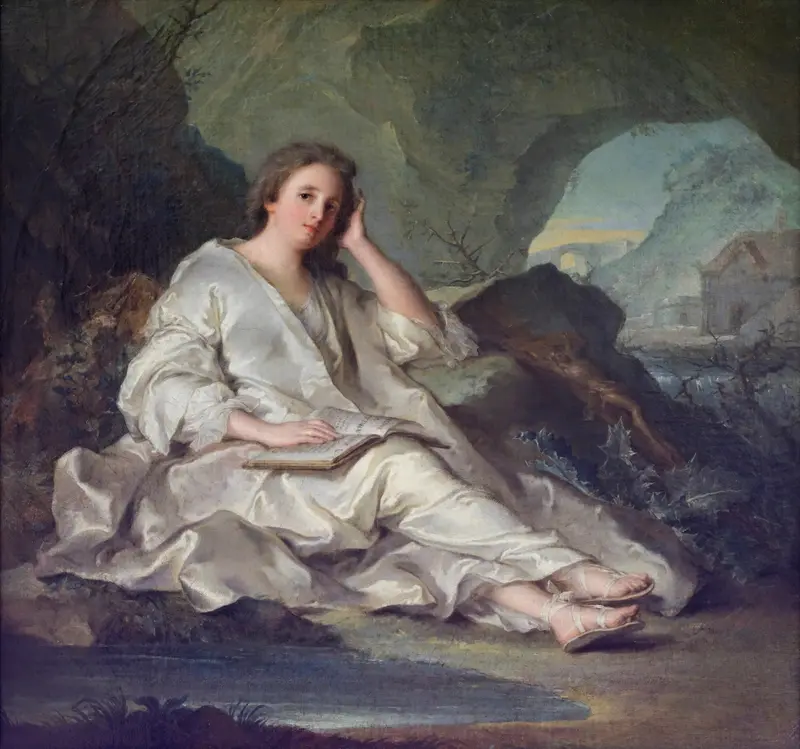
La Madeleine, ou Une Pénitente dans le désert Musée du Louvre Peintures INV 6880 ; MR
Jean-Marc Nattier
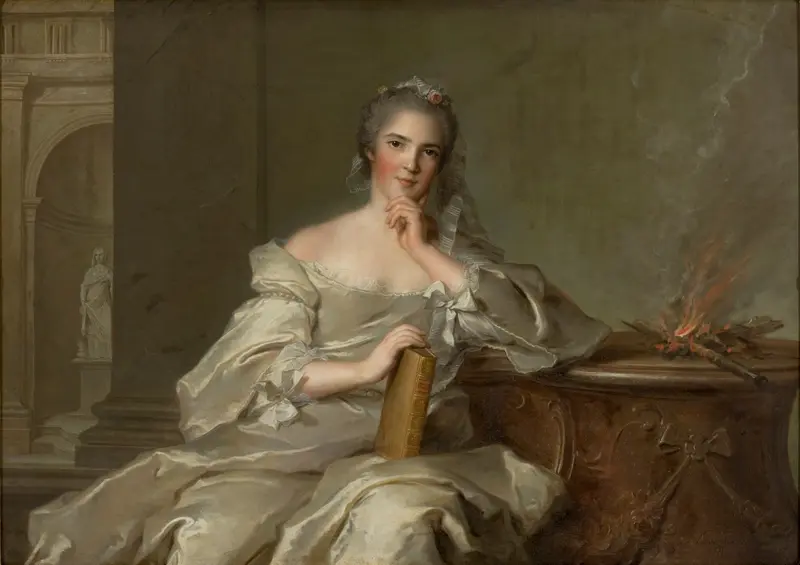
Princess Anne-Henriette of France - The Fire
Jean-Marc Nattier





