
Posthumous portrait of 'Louise Élisabeth of France — History & Facts
What first catches the eye is the playful ambiguity of identity—a young woman dressed in the trappings of a gentleman, her blue silk trimmed in gold, her tricorn hat set at a jaunty angle. The sitter’s gaze is direct, almost conspiratorial, as if inviting the viewer into the private theater of courtly life. The artist, Jean-Marc Nattier, uses the crisp light to pick out the gleam of her costume, the delicate flush on her cheeks, and the careful arrangement of her hands, one pointing outward, the other holding a lace handkerchief.
Behind her, the landscape recedes into a soft haze, while a hunting horn and autumn leaves at her side hint at the world of royal leisure and coded messages about status and role. This is a portrait born from the 18th-century French fascination with masquerade and the fluidity of identity among the elite. During this period, portraits were not mere likenesses but performances—commissioned to project power, taste, and sometimes a playful defiance of convention. Jean-Marc Nattier was celebrated for his ability to flatter and transform his sitters, often dressing them as mythological figures or, as here, in costumes that blurred gender and social boundaries.
This particular work, a smaller version of a painting held at Versailles, was created in 1750 and now forms part of the Sotheby’s collection. History has left few traces of this specific canvas’s journey, but its theatrical charm still invites us to imagine the world behind the silk and gold.
More Artworks by Jean-Marc Nattier

Madame Crozat de Thiers and Her Daughter
Jean-Marc Nattier
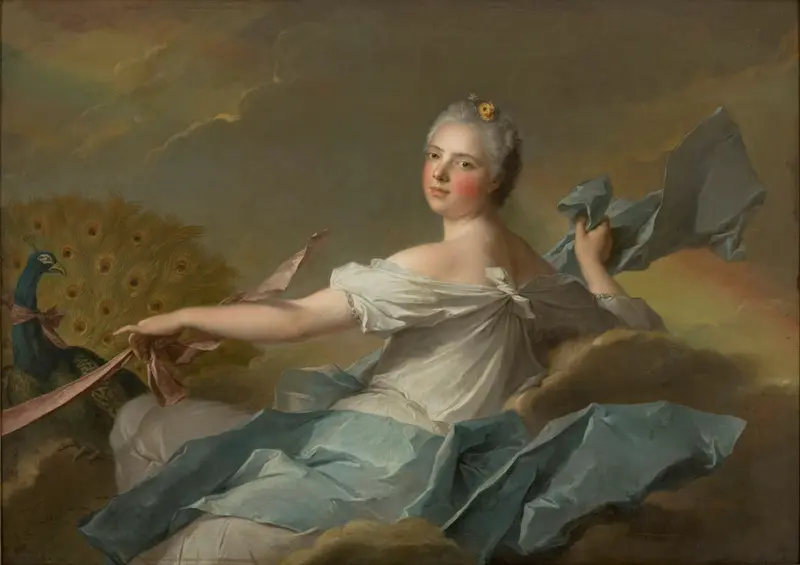
Princess Marie Adélaïde of France - The Air
Jean-Marc Nattier
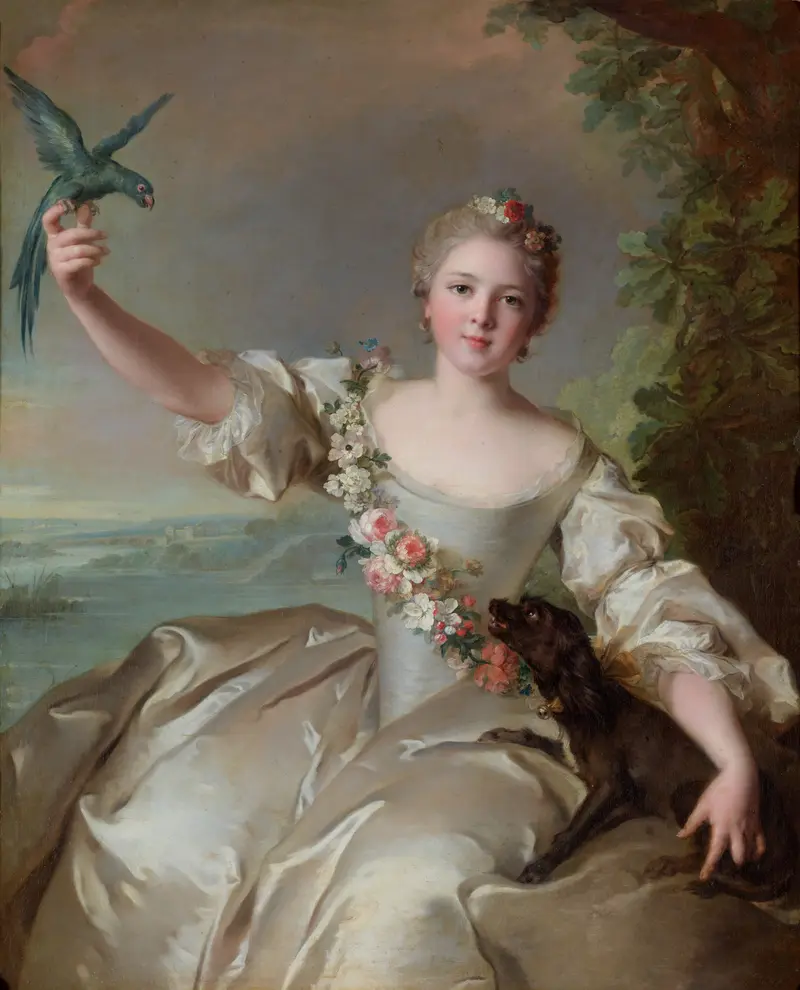
Portrait de Mathilde de Canisy, marquise d'Antin
Jean-Marc Nattier
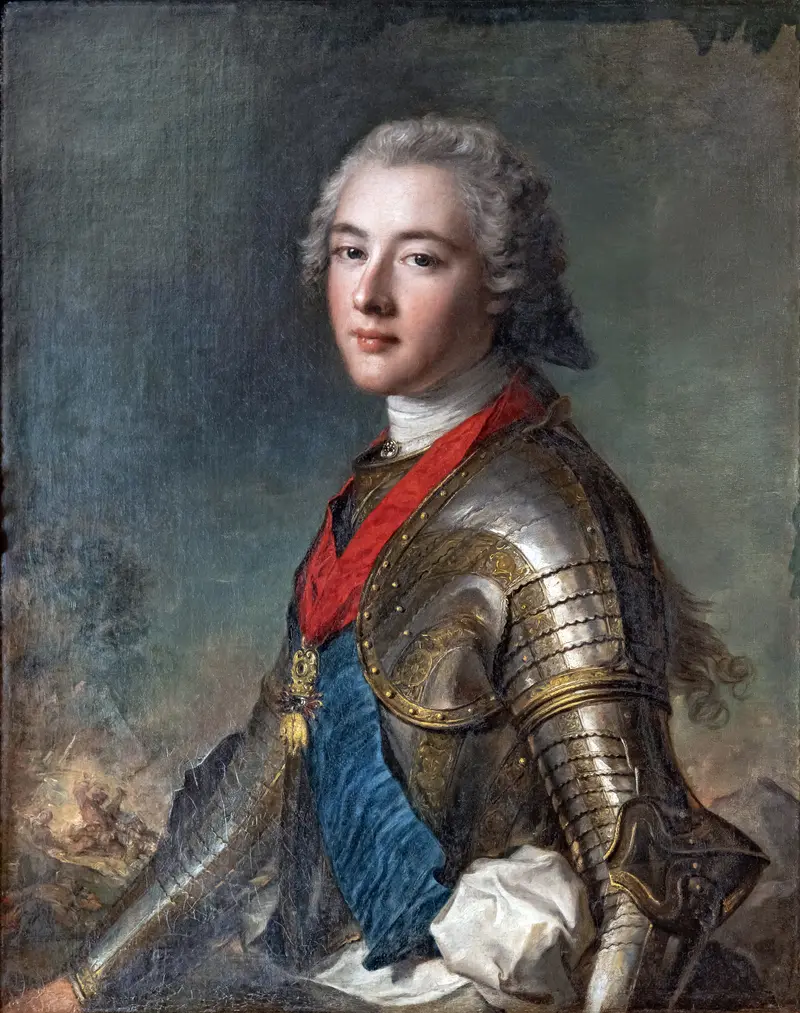
Bemberg Fondation Toulouse - Portrait de Louis Jean Marie de Bourbon, Duc de Penthièvre - Jean Marc Nattier inv.1158 82x65.4
Jean-Marc Nattier
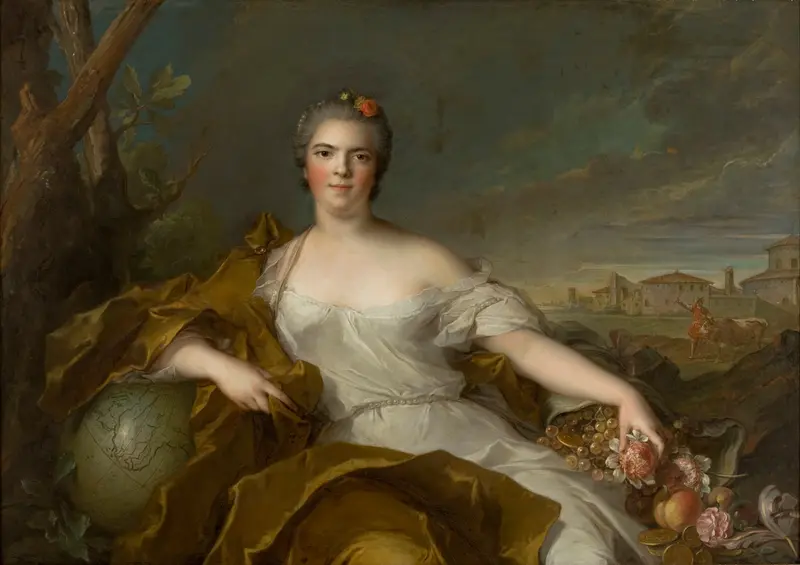
Princess Louise-Élisabeth of France - The Earth
Jean-Marc Nattier
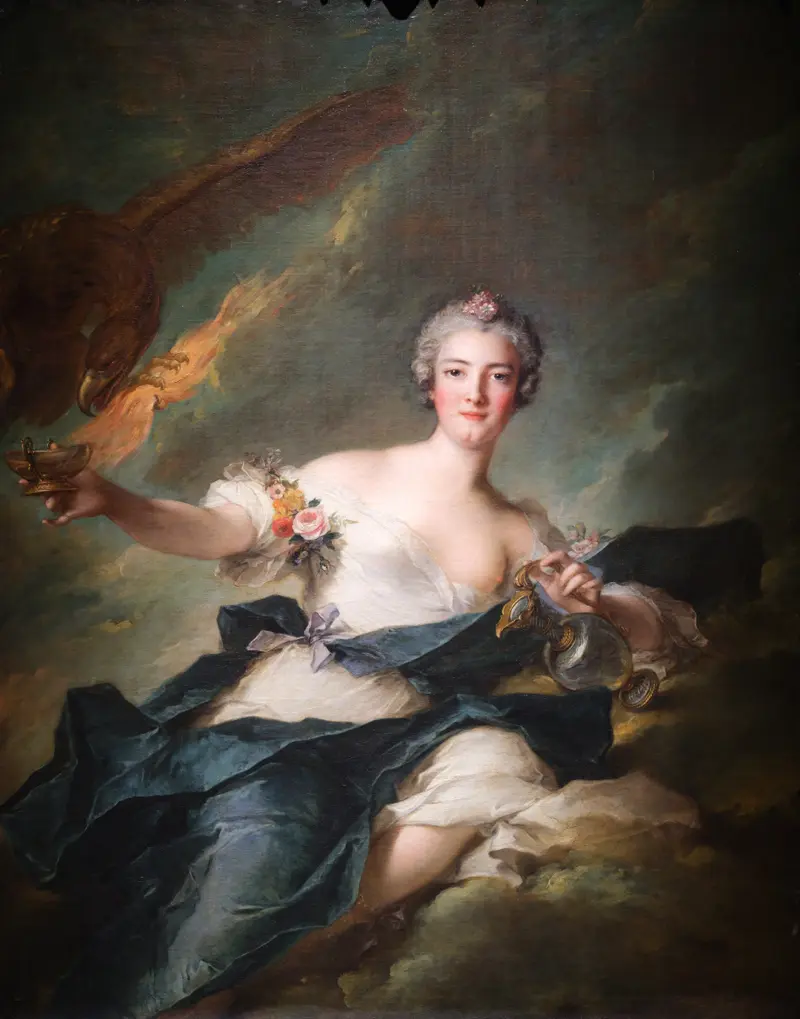
The Duchess of Chaulnes Represented as Hebe
Jean-Marc Nattier
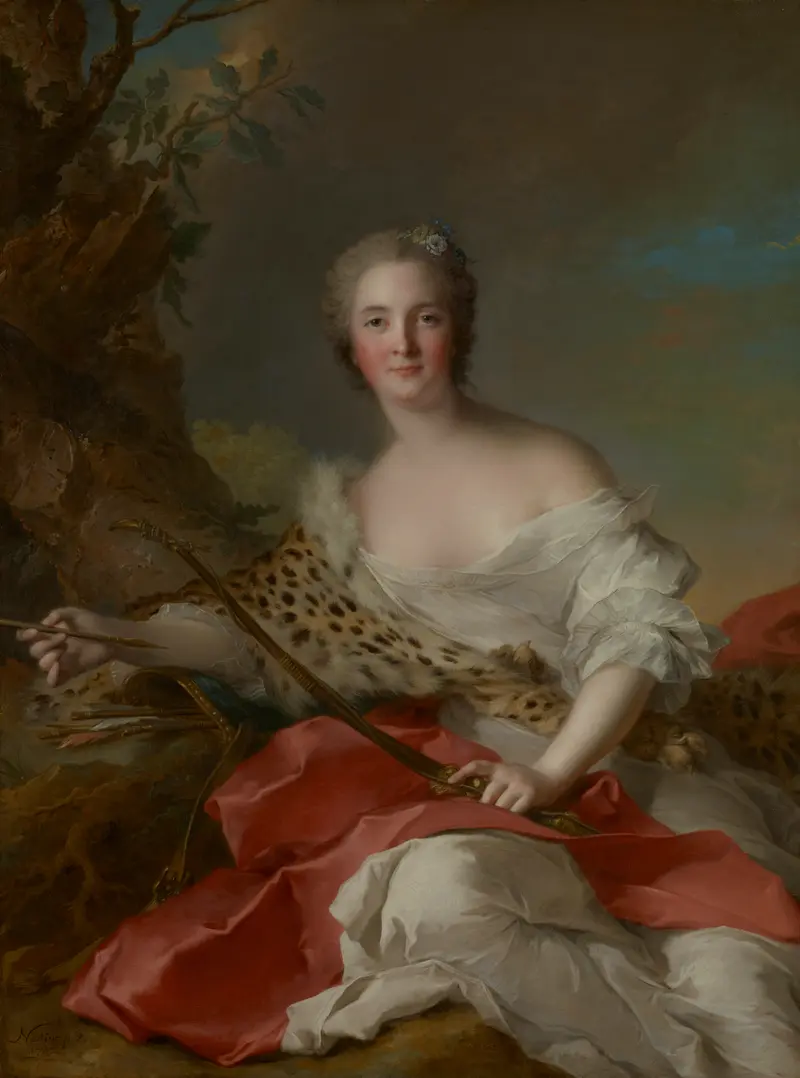
Portrait of Madame Bonnier de la Mosson as Diana (Constance-Gabrielle-Magdeleine du Monciel de Lauraille
Jean-Marc Nattier
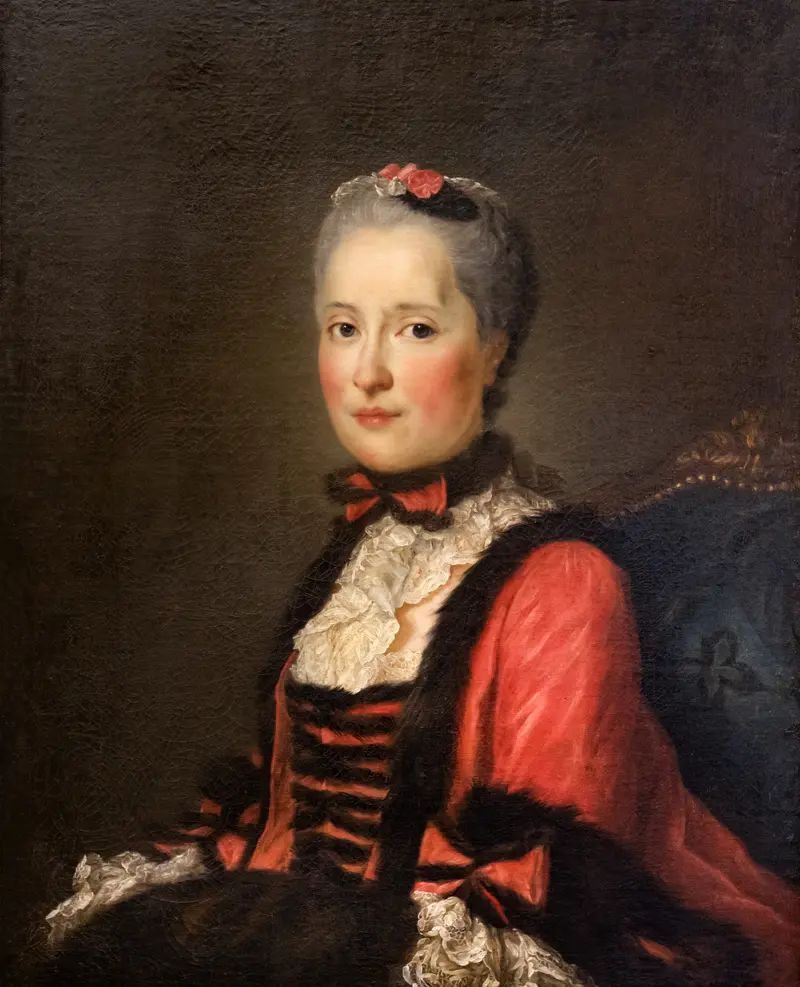
Portrait of Marie-Josephe of Saxony, Dauphine of France
Jean-Marc Nattier
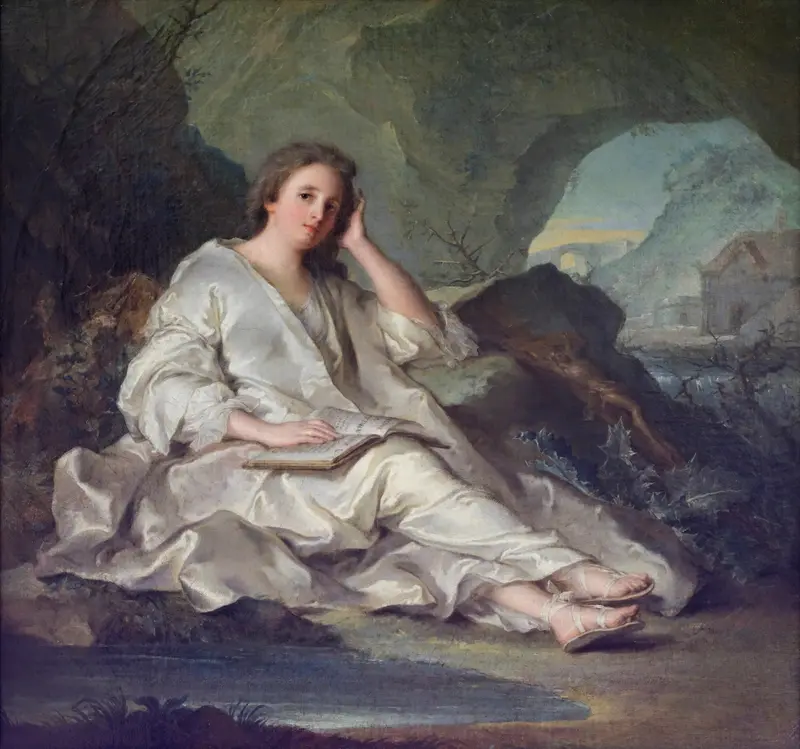
La Madeleine, ou Une Pénitente dans le désert Musée du Louvre Peintures INV 6880 ; MR
Jean-Marc Nattier
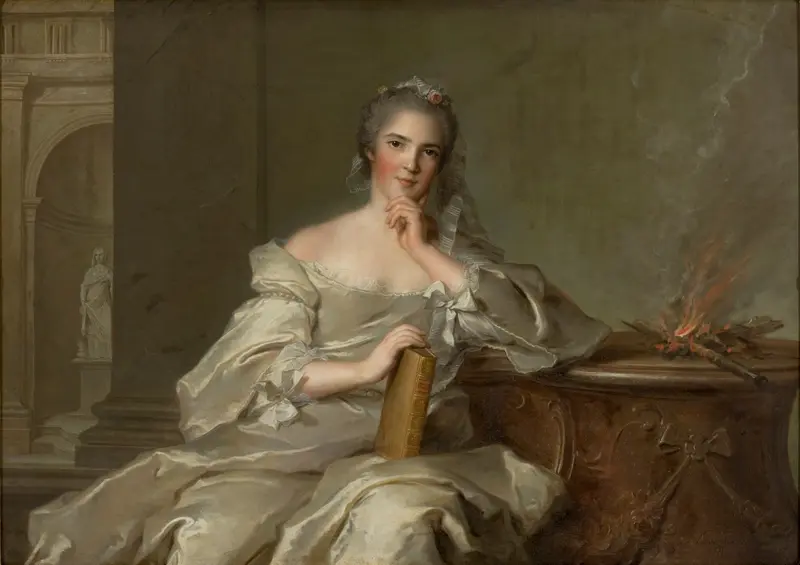
Princess Anne-Henriette of France - The Fire
Jean-Marc Nattier





