Poussin - Nancy — History & Facts
When Poussin - Nancy was acquired by the Musée des Beaux-Arts de Nancy in the nineteenth century, it quickly became a centerpiece of debate among scholars, as its subject and even its title have never been fully clarified. Unlike many of Nicolas Poussin's most famous commissions, which were destined for Roman cardinals or Parisian collectors, this painting’s early provenance remains obscure, and its journey into the public eye was marked by questions over attribution and meaning. The painting is sometimes referred to simply by the city where it now resides, a rare case where its location has become its de facto name.
This ambiguity has only deepened its allure, drawing visitors and historians alike to puzzle over its origins and intent. In the scene, Poussin presents a moment of charged stillness: figures, clad in classical drapery, gather around a central action that hints at a larger narrative—perhaps a mythological sacrifice, a moment of judgment, or a philosophical lesson. The gestures are precise: a raised arm, a downward gaze, a hand clutching a scroll or a laurel branch. Light falls from the left, casting deep shadows and highlighting the tension in each figure’s pose.
The arrangement recalls the careful choreography of Poussin's The Judgment of Solomon, but here the story is less explicit, inviting the viewer to decipher the clues. The objects—a plinth, a vessel, a garland—suggest allegory, as do the balanced, almost architectural composition and the measured expressions. As an object, Poussin - Nancy reflects the artist’s mature period, when he was at the height of his powers in Rome, synthesizing classical sources with his own rigorous intellect. The painting’s arrival in Nancy in the 1800s marked a significant moment for French provincial museums, eager to claim works by the greatest names of the Baroque.
Though its early history is murky, its presence in the Musée des Beaux-Arts has made it a touchstone for students of Poussin and for those fascinated by the mysteries of attribution and meaning. Today, it hangs among other treasures of seventeenth-century French painting, quietly challenging each new generation to unlock its secrets.
More Artworks by Nicolas Poussin

Spring
Nicolas Poussin
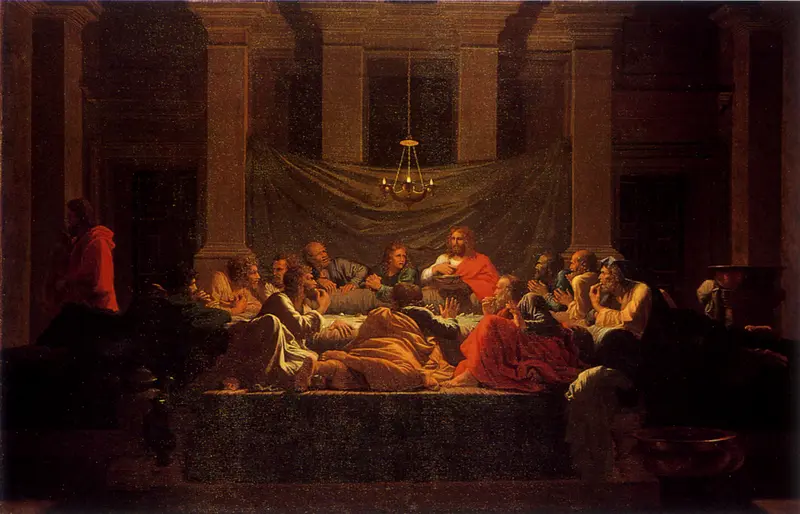
The Sacrament of the Holy Eucharist
Nicolas Poussin
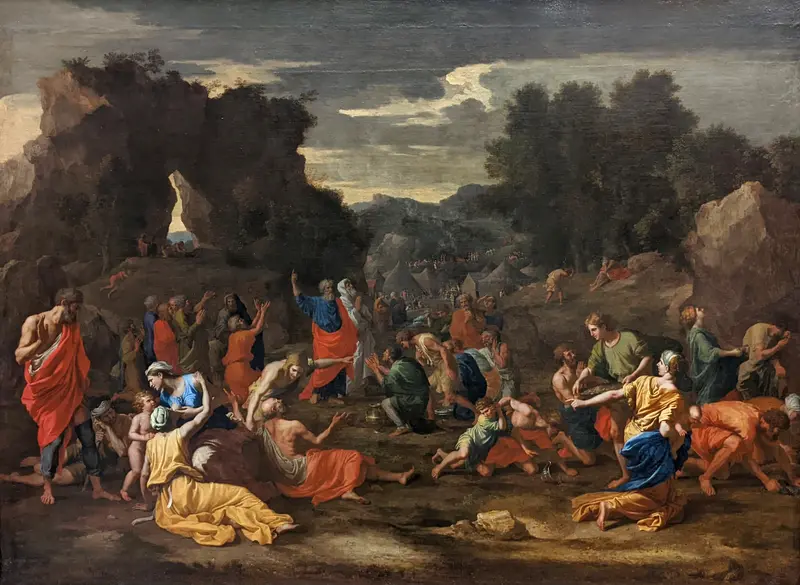
The Israelites gathering Manna in the Desert
Nicolas Poussin
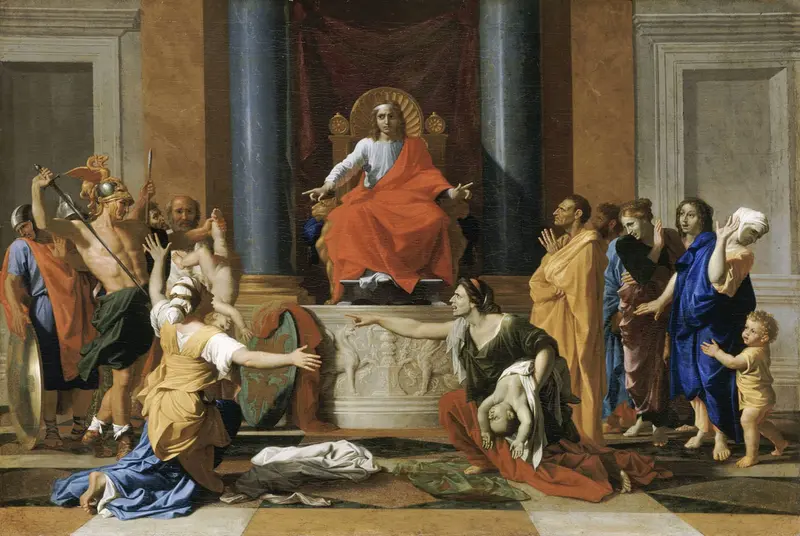
The Judgment of Solomon
Nicolas Poussin
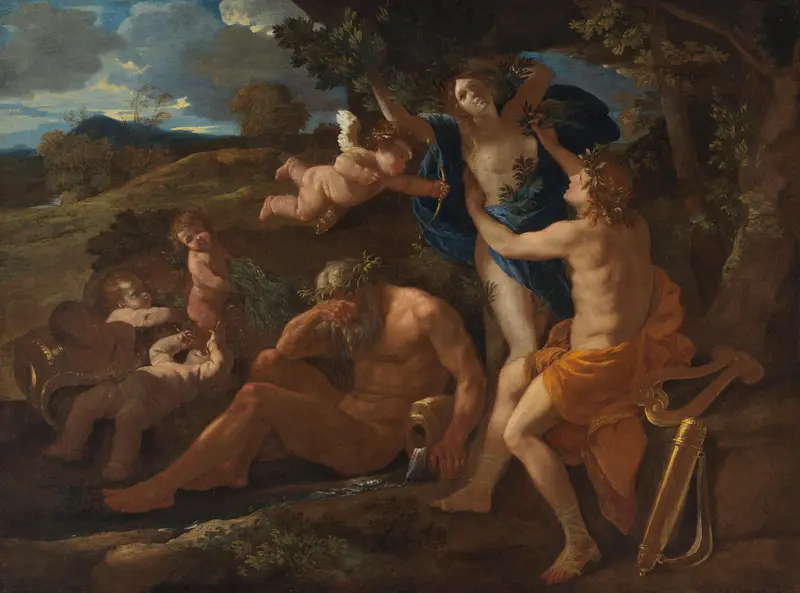
Apollo and Daphne
Nicolas Poussin

The Nurture of Jupiter
Nicolas Poussin

Ordination
Nicolas Poussin
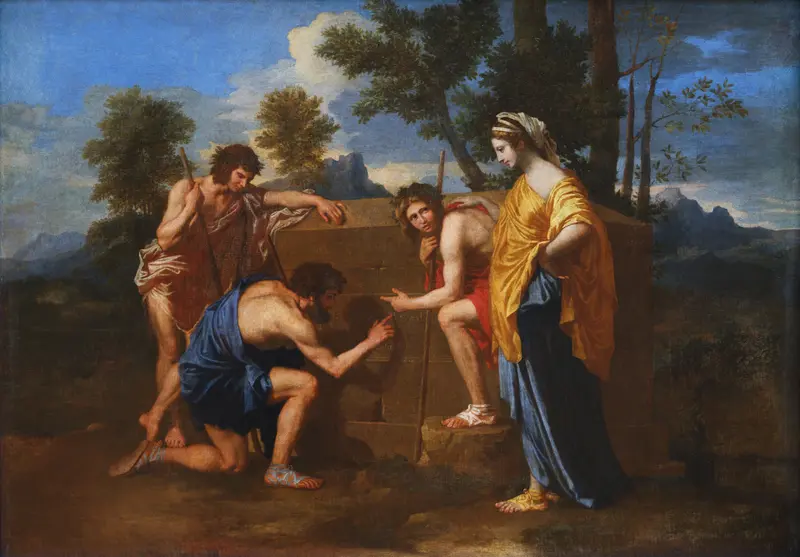
Et in Arcadia ego
Nicolas Poussin
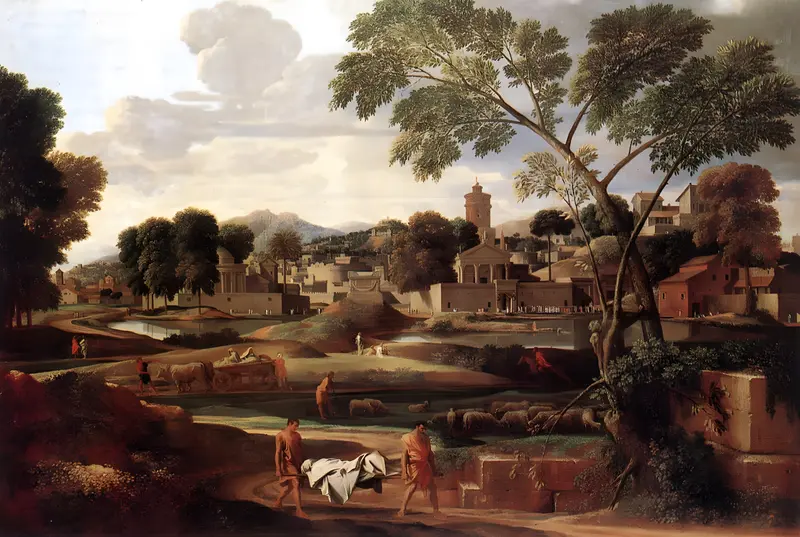
The Funeral of Phocion
Nicolas Poussin
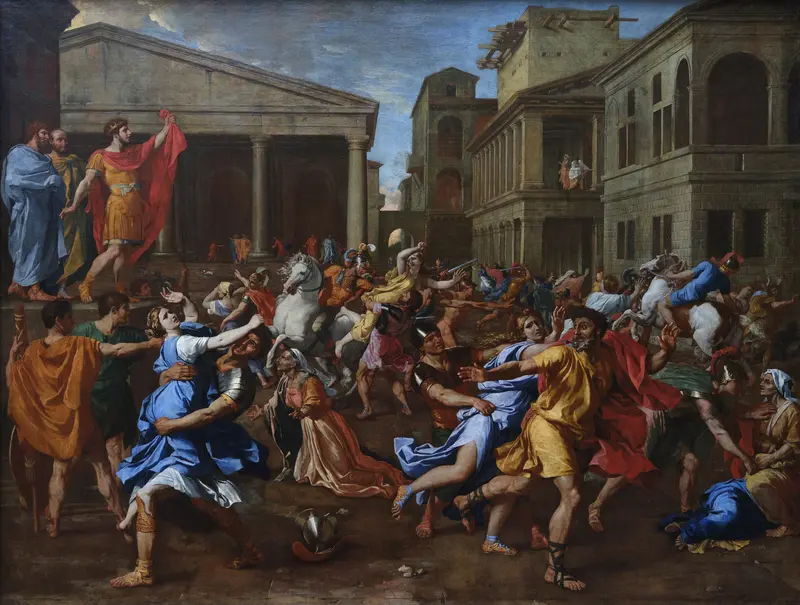
The Rape of the Sabine Women
Nicolas Poussin