
Prater Landscape — History & Facts
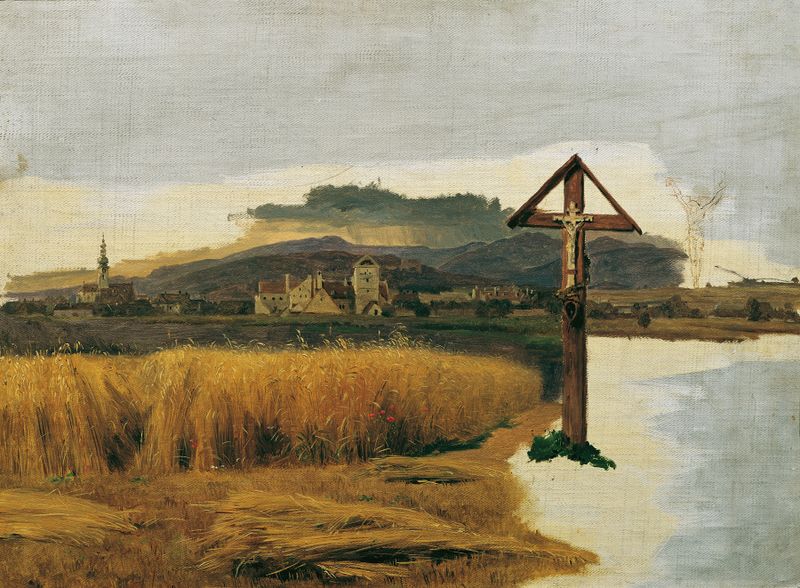
Could a single brushstroke hold eternity? In Prater Landscape, the intricate dance of light and shadow reveals a world caught between tranquility and unseen turmoil, echoing the tensions of betrayal lurking beneath the surface of beauty. Focus on the verdant expanse in the foreground, where delicate greens are punctuated by bursts of sunlight filtering through the trees. Notice how the figures—both solitary and in pairs—are subtly woven into the lush backdrop, their gestures hinting at stories untold. The artist's meticulous brushwork creates a tapestry of texture, inviting the viewer to feel the rustle of leaves and the whisper of the breeze.
Each hue is chosen with care, contrasting the vivid life of nature with the somber undertones of human emotion. As you delve deeper, consider the emotional weight carried by the figures’ postures. The woman, poised elegantly at the edge of the scene, gazes into the distance, perhaps anticipating a lover’s return or mourning a trust broken. The scattered shadows hint at deeper truths, suggesting that amidst the beauty of this idyllic landscape, lies a darkness that threatens to engulf.
This juxtaposition of light with the unspoken sorrow of betrayal creates a haunting resonance, anchoring the work in a poignant emotional reality. In 1831, Waldmüller painted this piece in Vienna, an era of burgeoning Romanticism where nature often mirrored the complexities of human emotion. The artist, known for his intimate portraits and landscapes, was influenced by both the picturesque beauty of the Prater and the social currents of his time. Amidst a backdrop of political change and personal discovery, he crafted a scene that transcends mere representation, inviting viewers to ponder the fragile boundaries of trust and deception.
More Artworks by Ferdinand Georg Waldmüller
Browse all →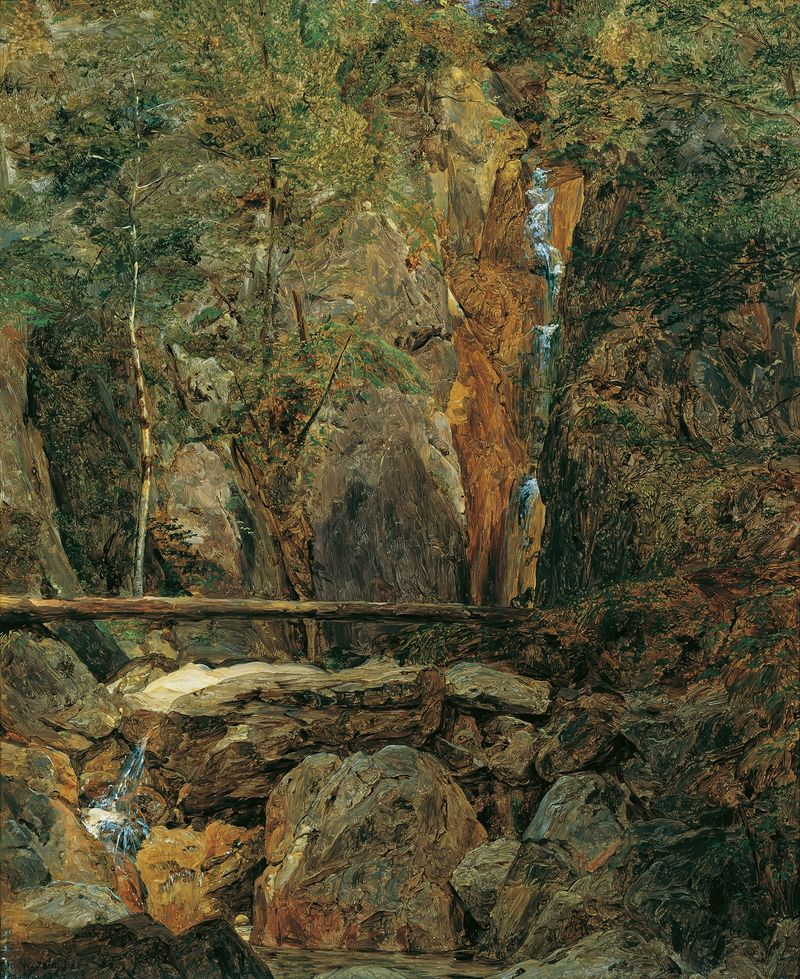
Die Rettenbachwildnis bei Ischl
Ferdinand Georg Waldmüller
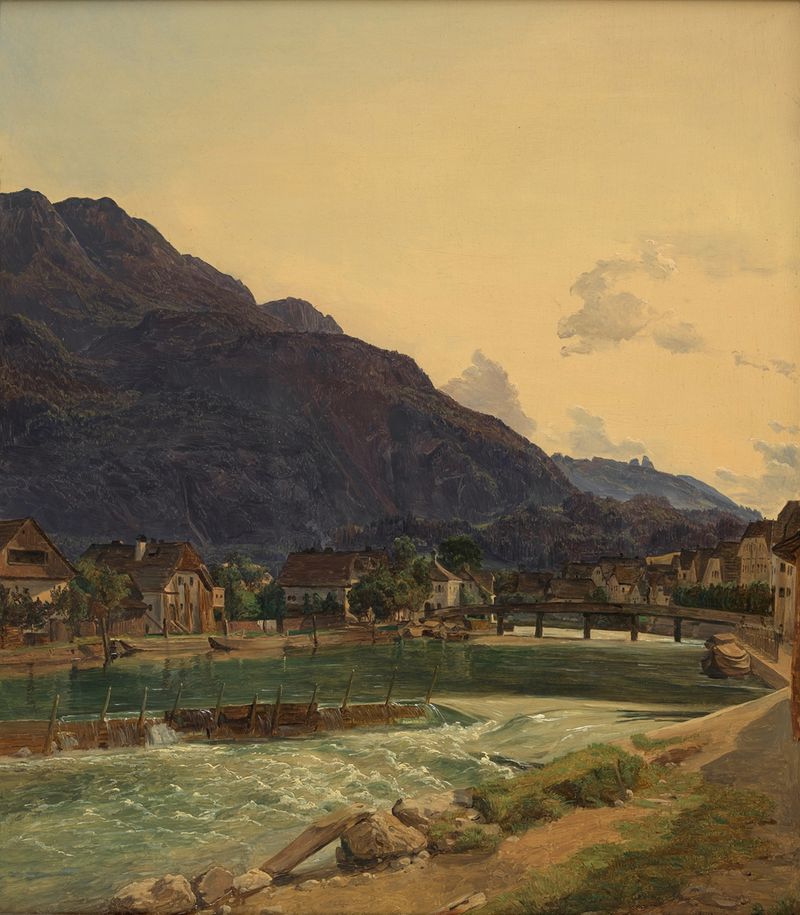
Die Traun bei Ischl
Ferdinand Georg Waldmüller

Die Römische Ruine in Schönbrunn
Ferdinand Georg Waldmüller
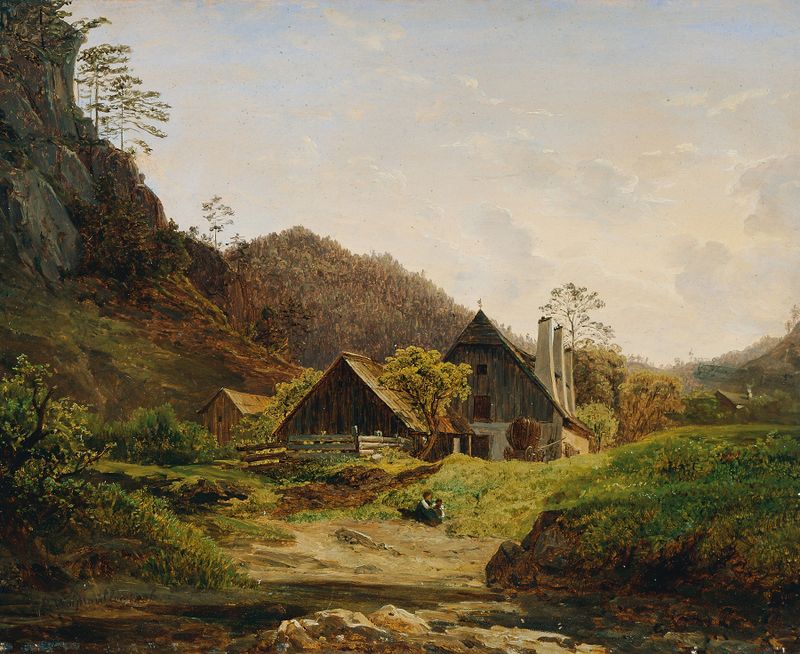
Landschaft mit Hammerschmiede
Ferdinand Georg Waldmüller

Ahornbäume bei Ischl
Ferdinand Georg Waldmüller
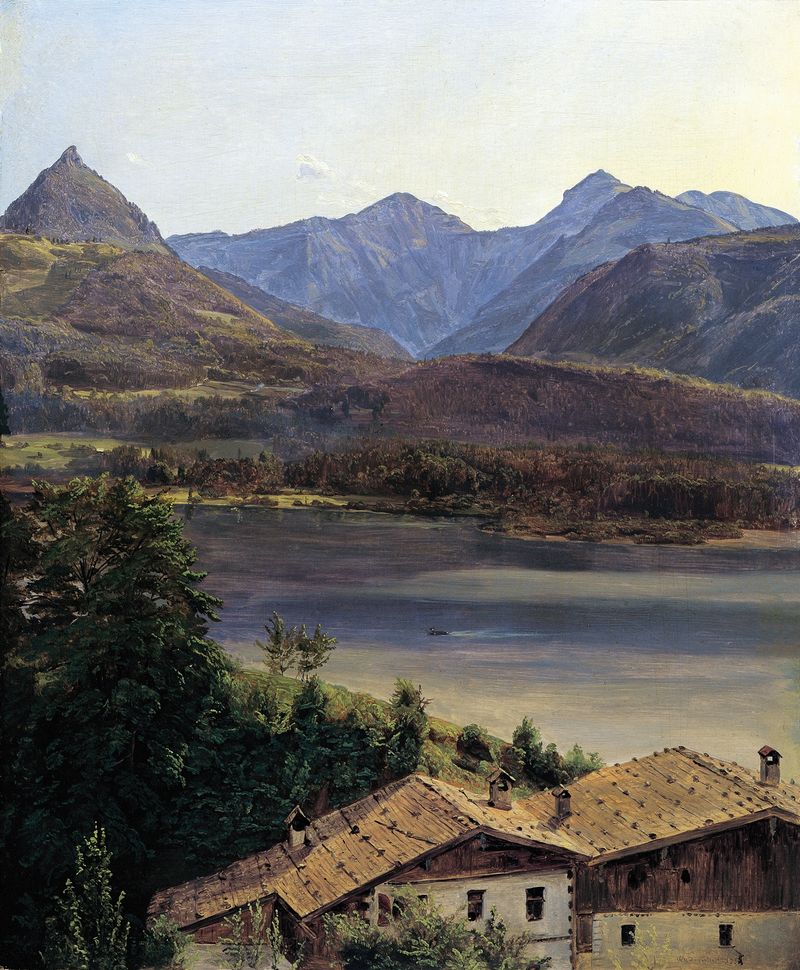
Der Wolfgangsee
Ferdinand Georg Waldmüller

Ansicht des Dachsteins mit dem Hallstättersee von der Hütteneckalpe bei Ischl
Ferdinand Georg Waldmüller

Lake Wolfgangsee with the Dachstein massif
Ferdinand Georg Waldmüller
Landschaft von Brunn am Gebirge
Ferdinand Georg Waldmüller

Prater Landscape
Ferdinand Georg Waldmüller





