
Presentation of Jesus — History & Facts
In Venice around 1500, the subject of the infant Christ’s first public appearance—his presentation at the Temple—was a favorite among patrician families, who often commissioned such scenes for private devotion. Presentation of Jesus by Giovanni Bellini stands out among these, not only for its intimate scale but also because it was painted at a moment when Bellini, already the leading painter in Venice, was reshaping religious painting with a new sense of psychological depth. This work is one of several treatments of the subject by Bellini, but its composition and emotional restraint have long drawn attention from scholars, who note its subtle dialogue with the viewer. The scene unfolds at the precise instant when the aged Simeon receives the Christ Child from Mary, fulfilling the prophecy that he would not die before seeing the Messiah.
Bellini places the figures close to the picture plane, pressing them forward as if inviting the viewer to witness this quiet, weighty exchange. The Virgin’s hands, delicately letting go of her son, echo the gestures of sacrifice, while Simeon’s gentle grasp and solemn gaze convey both awe and resignation. The golden light that bathes the figures, a hallmark of Bellini’s mature style, suffuses the moment with warmth and gravity.
Unlike Andrea Mantegna’s version, with its marble severity, Bellini’s approach softens the ritual, focusing on the humanity of the participants. The exact patron of this painting is not recorded, but its size and devotional subject suggest it was intended for private contemplation rather than a public altar. Over the centuries, Presentation of Jesus has been admired for its serene composition and refined technique, hallmarks of Bellini’s late period, when he was at the height of his powers and influencing a new generation of Venetian painters. Today, the painting remains a touchstone for understanding Bellini’s role in bridging the spiritual intensity of the early Renaissance with the luminous color and psychological realism that would define Venetian art for decades to come.
Its journey through collections is not fully documented, but its enduring presence in museum galleries attests to its quiet power and lasting appeal.
More Artworks by Giovanni Bellini
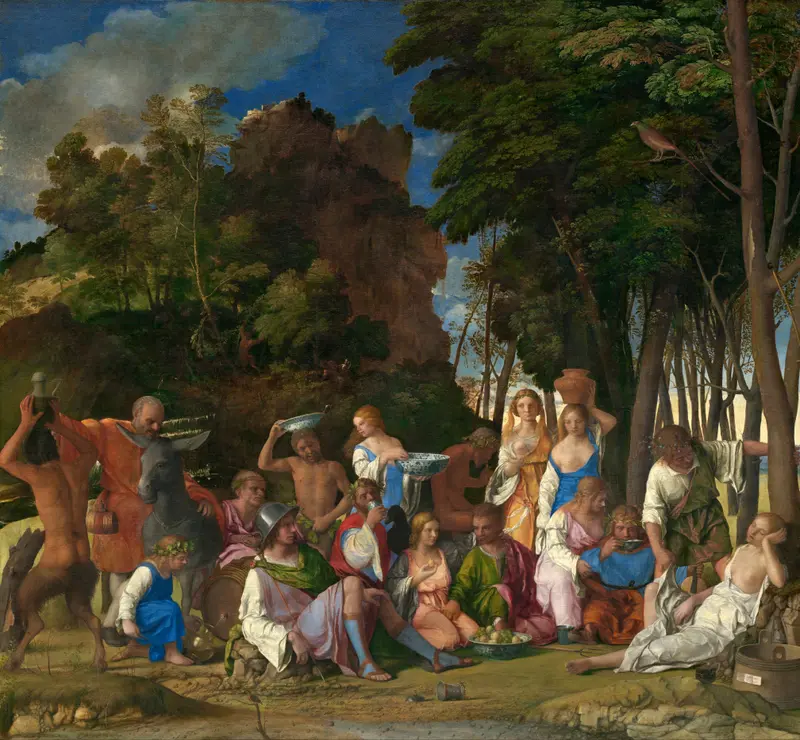
The Feast of the Gods
Giovanni Bellini

Madonna and Child enthroned with Saints and Angels
Giovanni Bellini
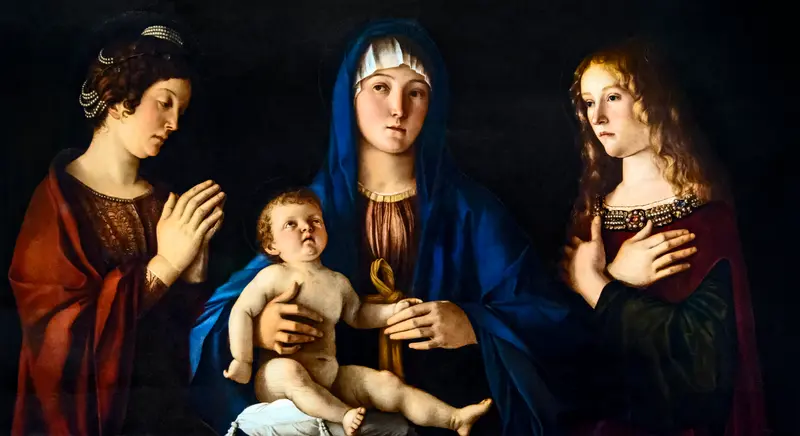
Madonna and Child between Saints Catherine and Mary Magdalene
Giovanni Bellini
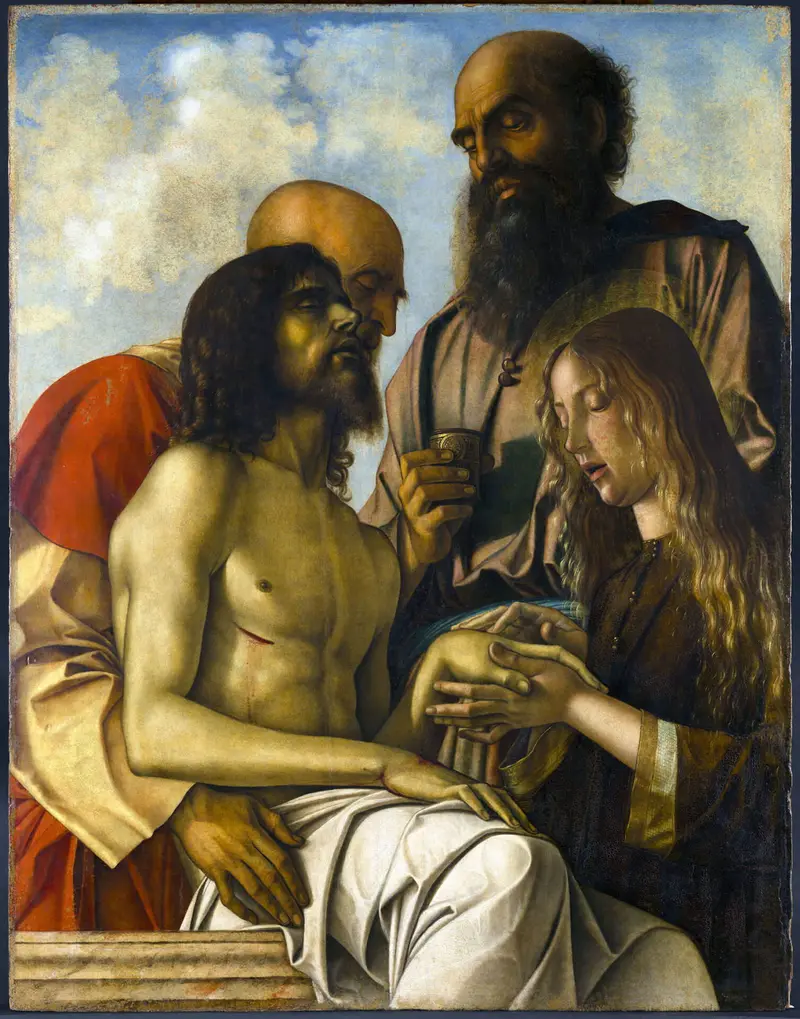
Lamentation over the Dead Christ
Giovanni Bellini
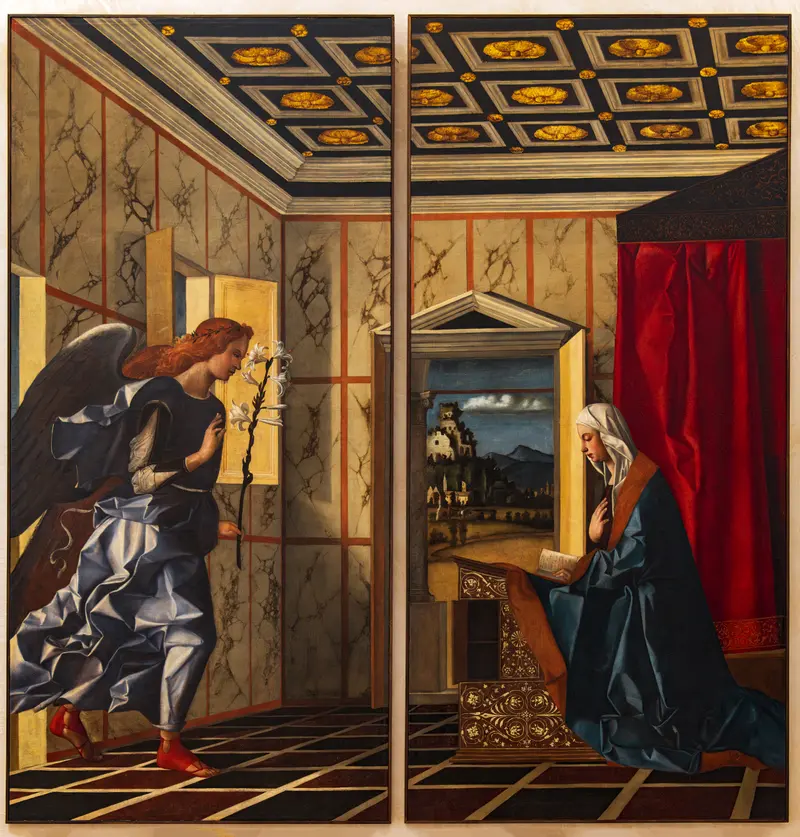
Annunciation
Giovanni Bellini
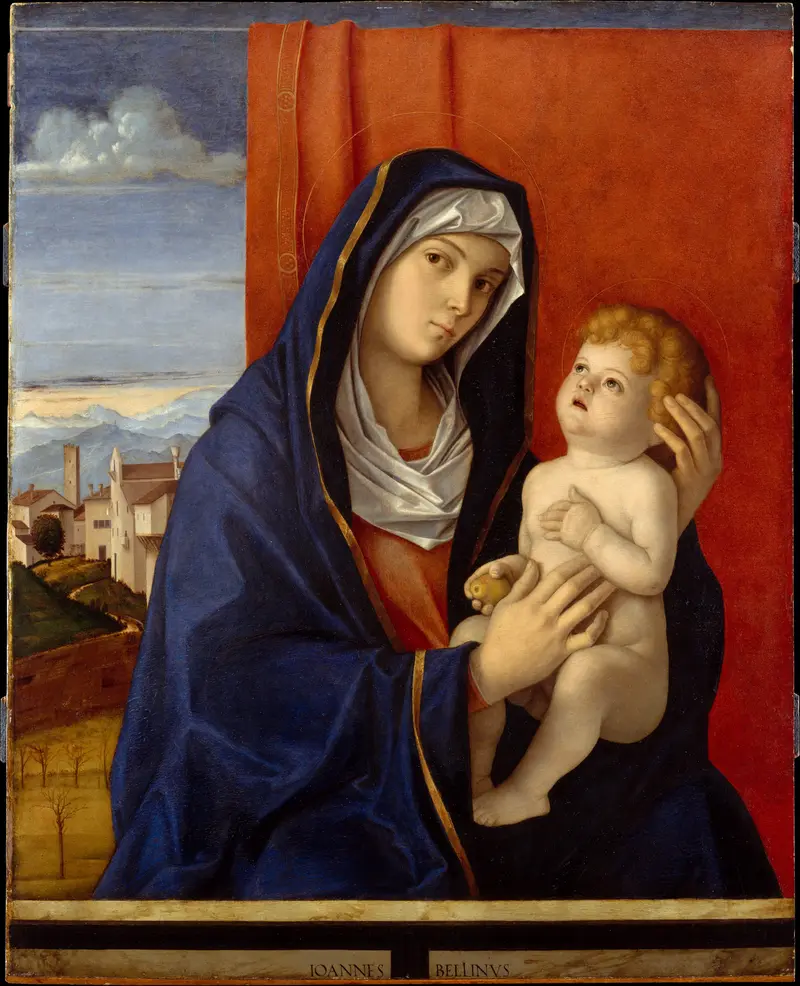
Madonna and Child
Giovanni Bellini
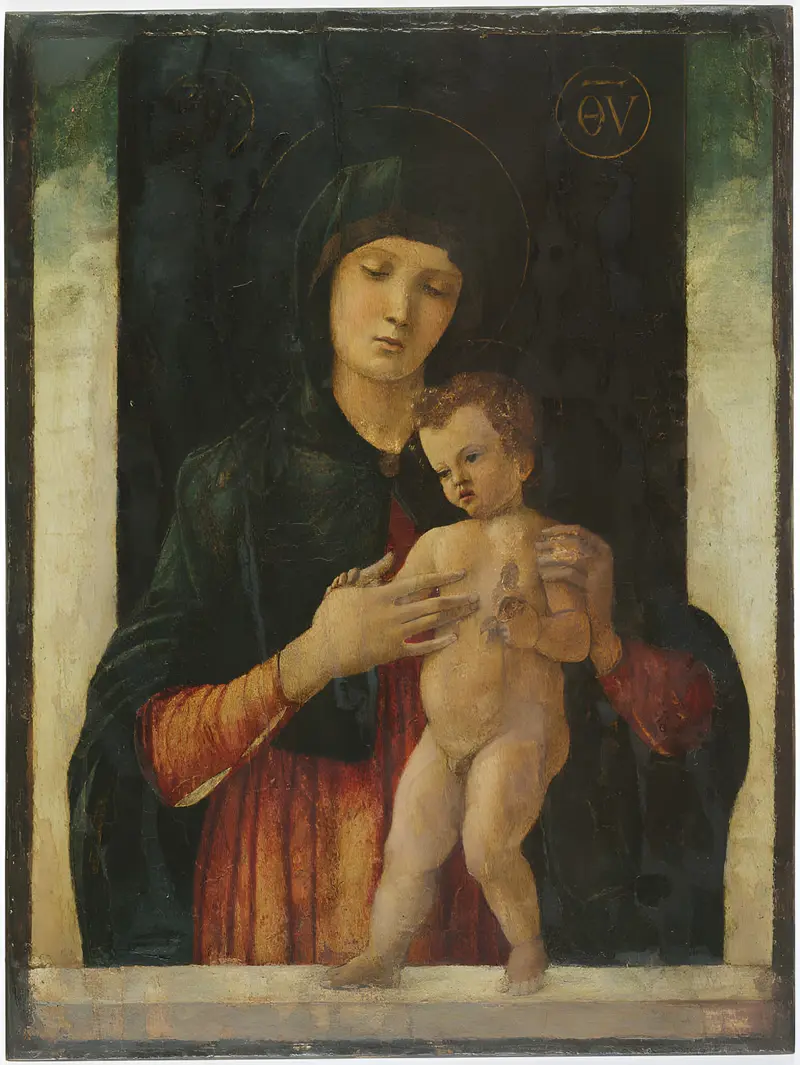
The Virgin and Child
Giovanni Bellini
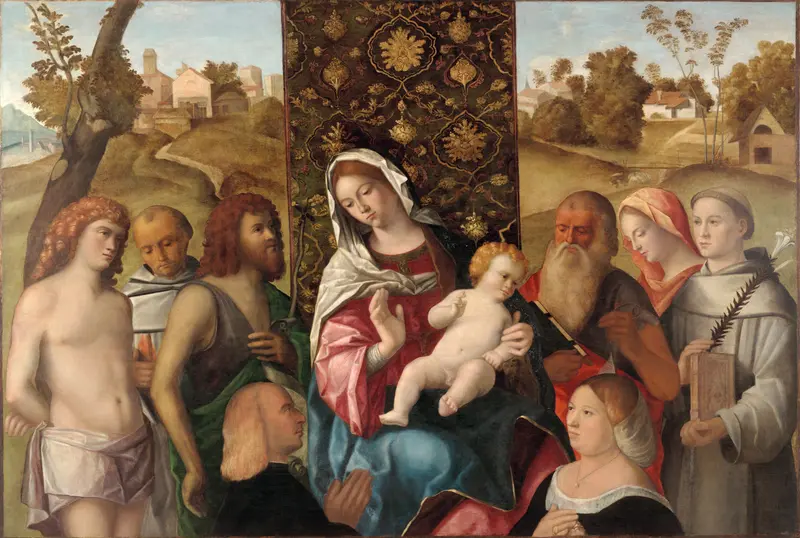
Virgin and Child with Saints Sebastian, Francis, John the Baptist, Jerome, an unidentified female saint, Saint Anthony of Padua and two donors
Giovanni Bellini
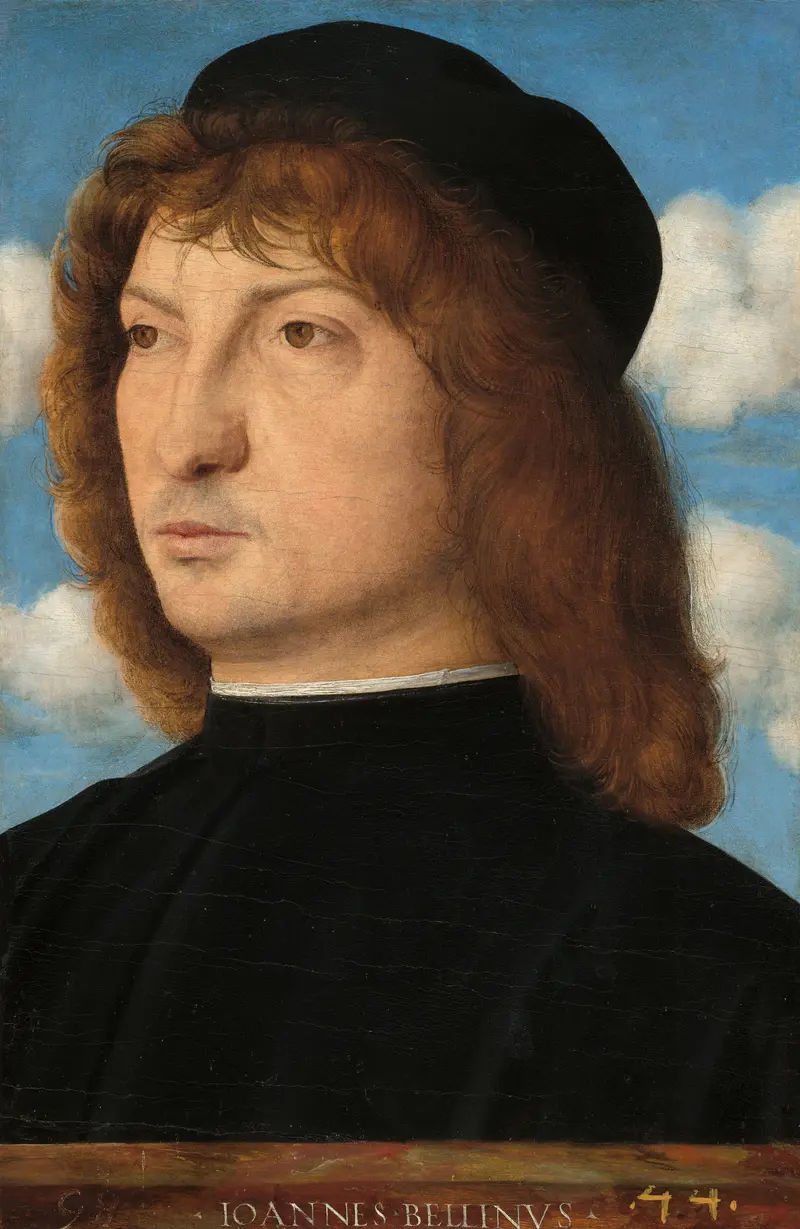
Portrait of a Venetian Gentleman
Giovanni Bellini
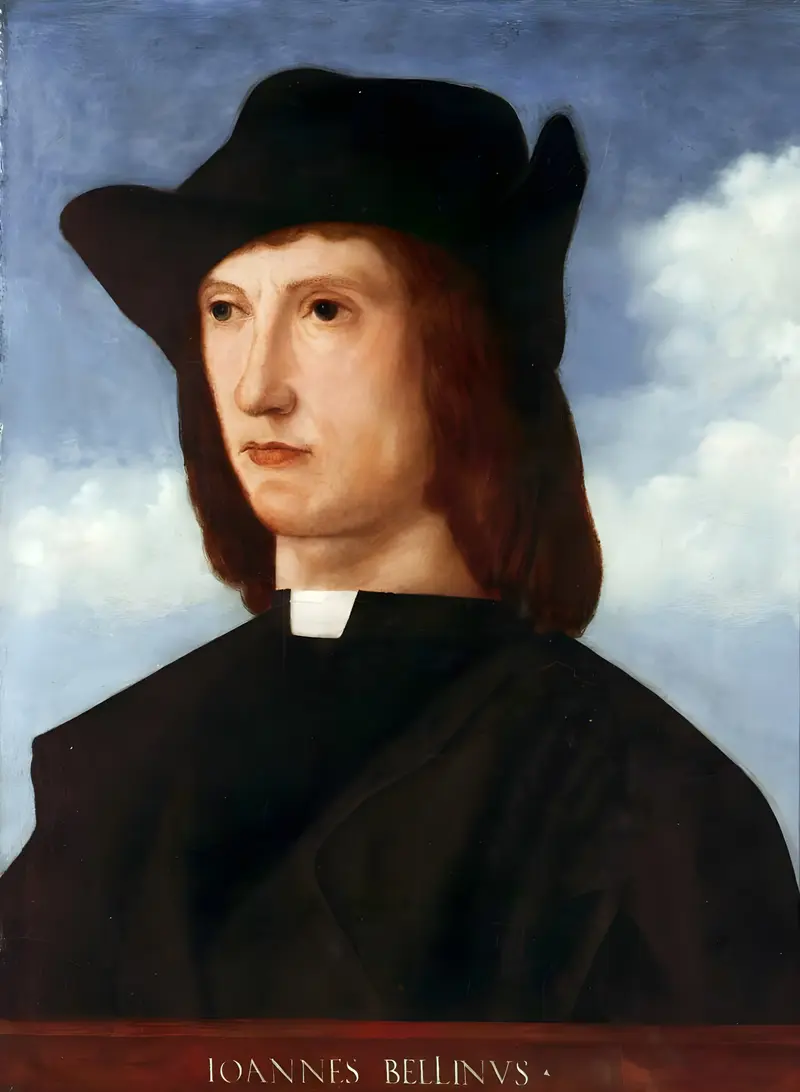
Portrait of a Young Man
Giovanni Bellini





