
Presumed Portrait of Magdalena Luther — History & Facts
What first draws the eye in this portrait is the almost ethereal pallor of the sitter, her presence emerging from a pitch-black void. Her hair, long and pale, falls in meticulously painted waves over her dark garment, framing a face that is both reserved and quietly self-possessed. The hands, delicately poised with fingers slightly splayed, seem to hover in a gesture that suggests both innocence and a certain self-awareness, as if the sitter is caught in a moment of stillness, waiting for the next instruction.
The stark contrast between the luminous skin and the deep black background isolates her entirely, focusing all attention on her youthful features and the subtle, enigmatic expression she wears. The painter’s restraint with color—limited almost entirely to the interplay of black, white, and the sitter’s own fair tones—creates a mood of introspection and gentle solemnity. Works like this, produced in the early sixteenth century, were often commissioned to mark important family moments or to assert lineage and status in a rapidly changing world. Portraits of children, especially from the circles of the Reformation, were rare and precious, intended to capture not only likeness but also a sense of moral upbringing and familial pride.
The artist, Lucas Cranach the Elder, was a leading figure of the German Renaissance, known for his close ties to the reformers and his ability to infuse portraits with psychological depth. Painted before 1537, this work now survives in digital form thanks to collections like The Yorck Project and gallerix.ru, but history has left few traces of its original journey or the precise identity of its sitter. The viewer is left to wonder at the story behind those steady eyes, returning again and again to the silent world the artist has conjured.
More Artworks by Lucas Cranach the Elder

Martin Luther
Lucas Cranach the Elder
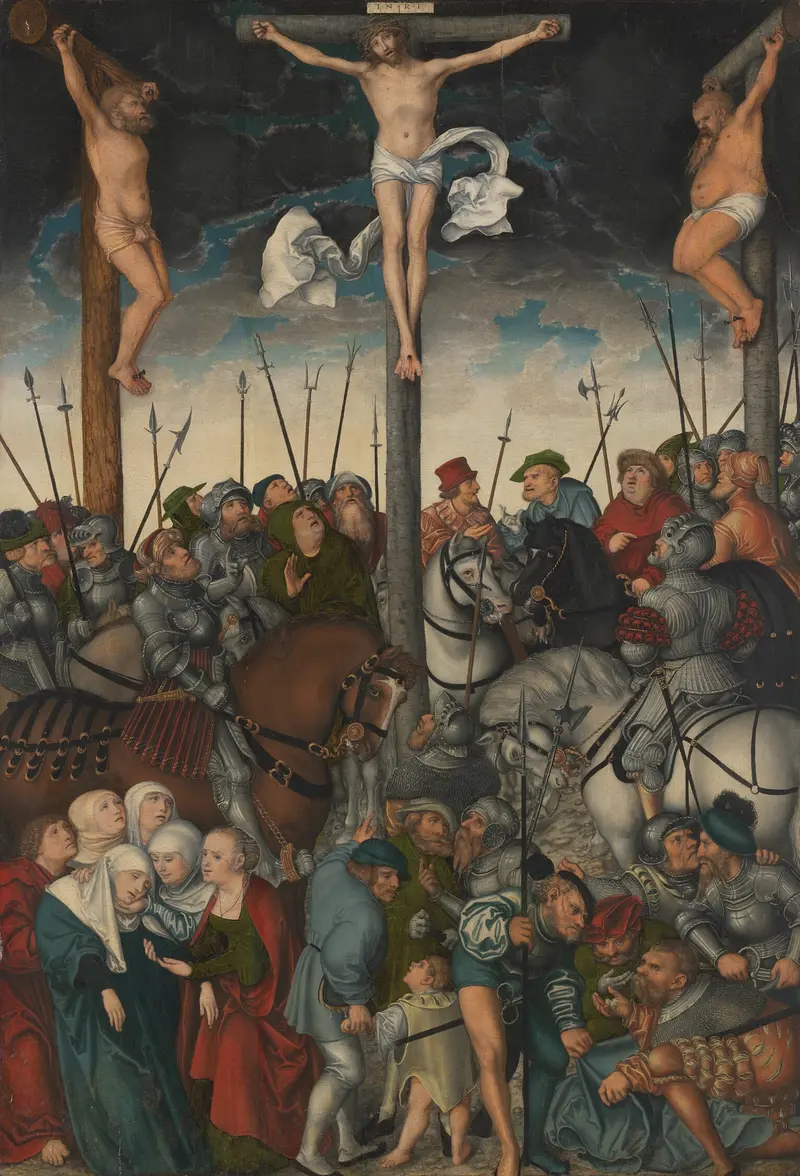
The Crucifixion
Lucas Cranach the Elder
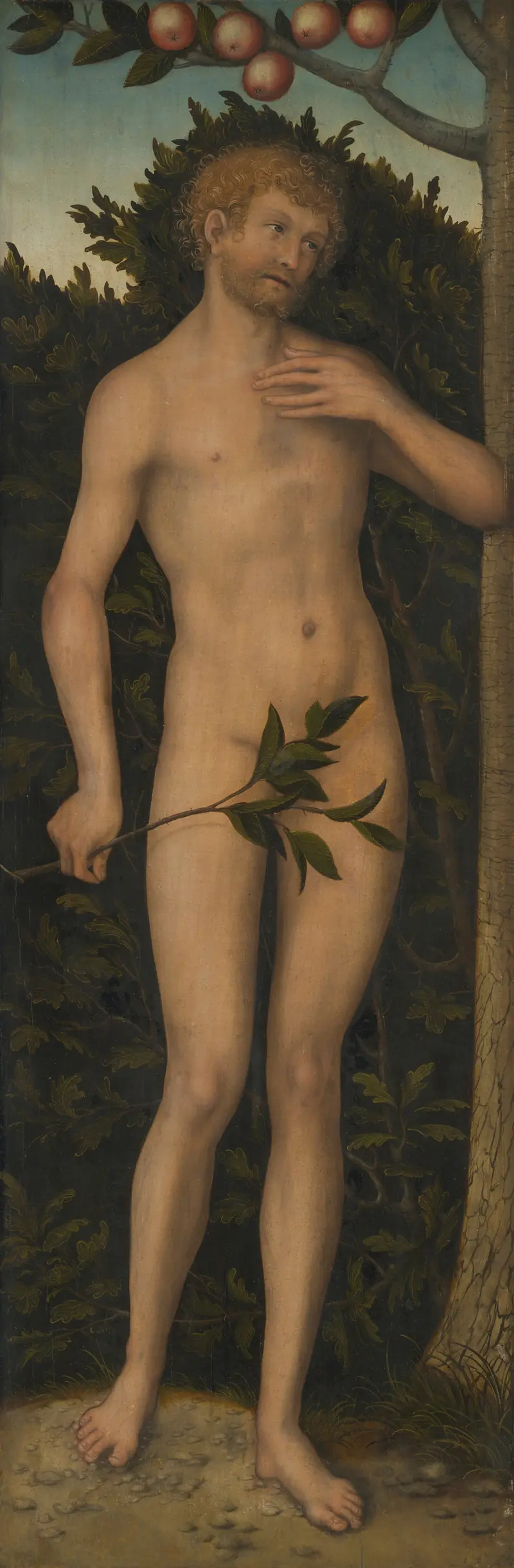
Adam
Lucas Cranach the Elder
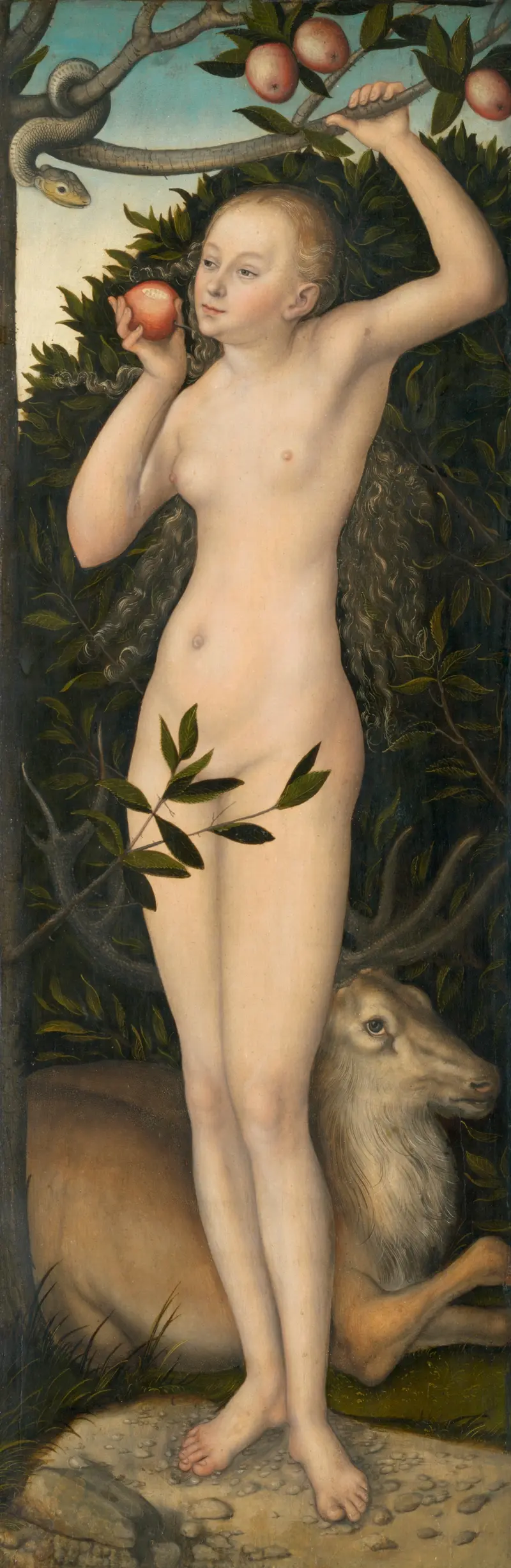
Eve
Lucas Cranach the Elder
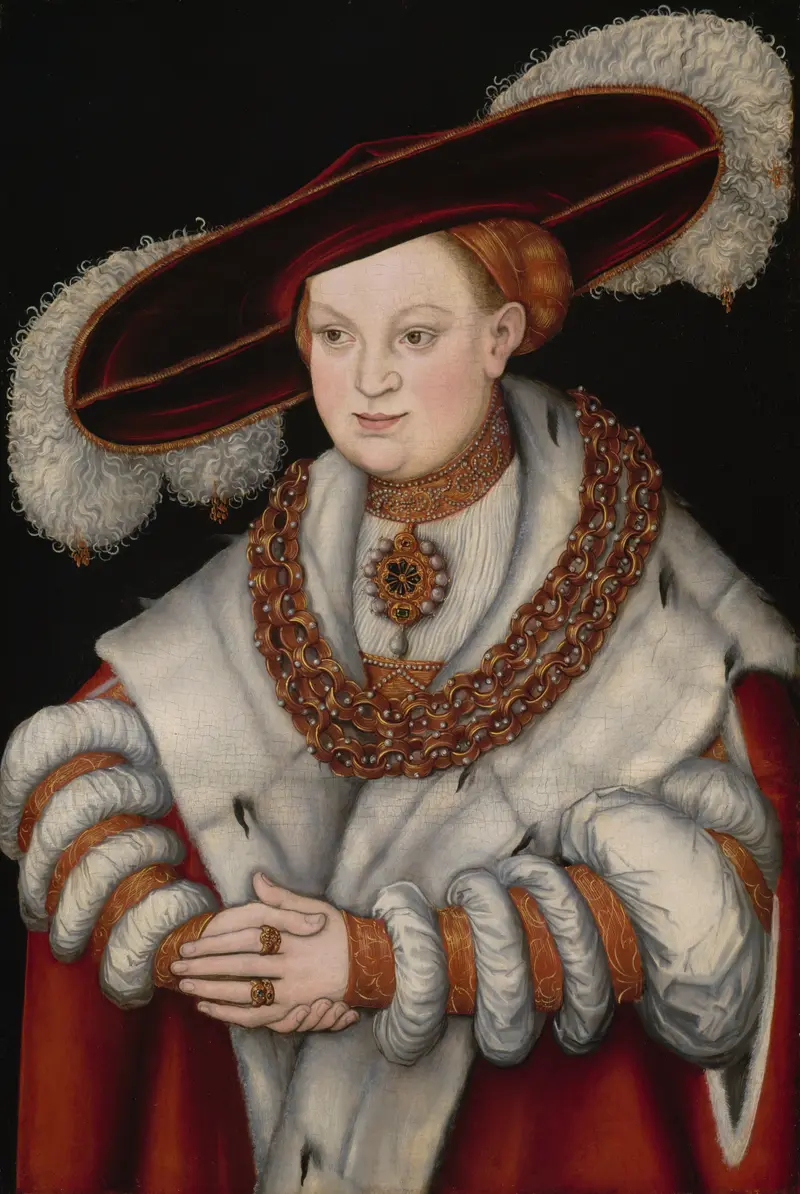
Portrait of Magdalena of Saxony, Wife of Elector Joachim II of Brandenburg
Lucas Cranach the Elder
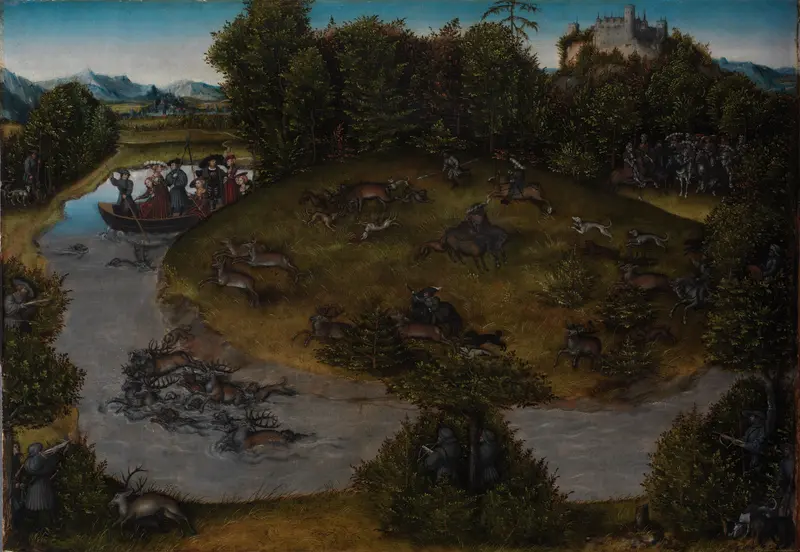
The Stag Hunt of the Elector Frederic the Wise (1463-1525) of Saxony
Lucas Cranach the Elder
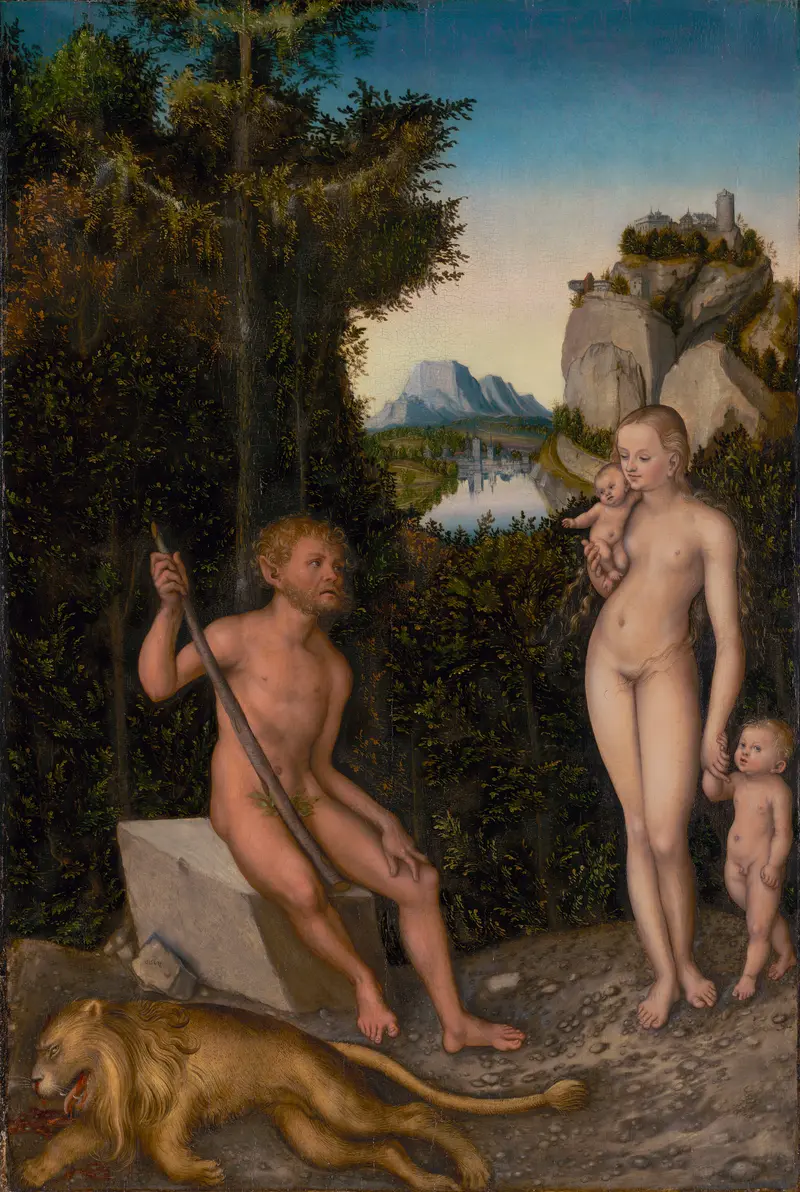
A Faun and His Family with a Slain Lion
Lucas Cranach the Elder
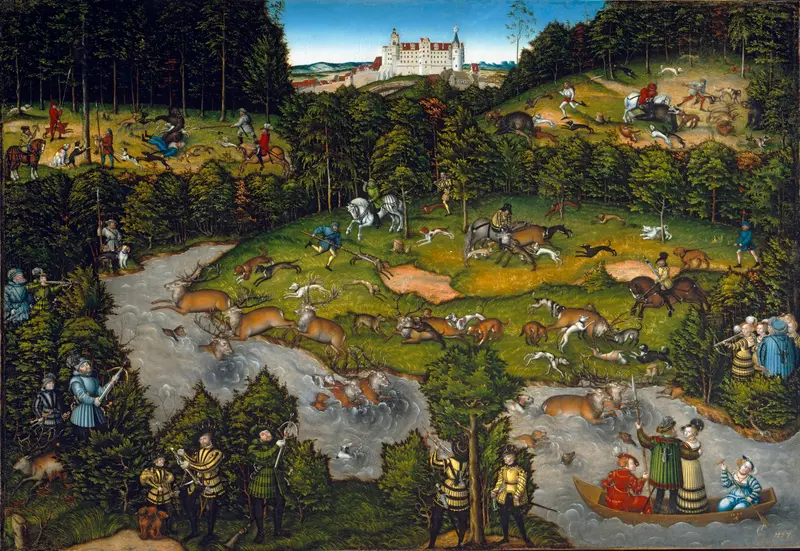
Hunting near Hartenfels Castle
Lucas Cranach the Elder
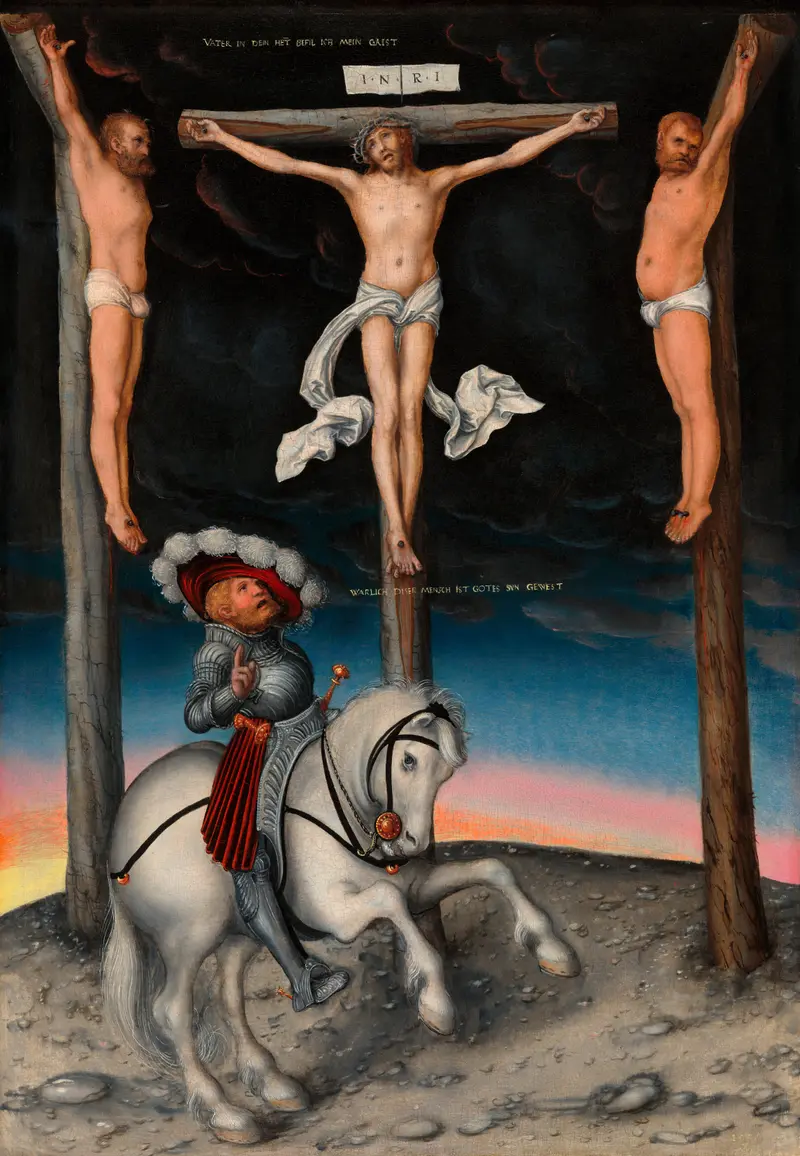
The Crucifixion with the Converted Centurion
Lucas Cranach the Elder
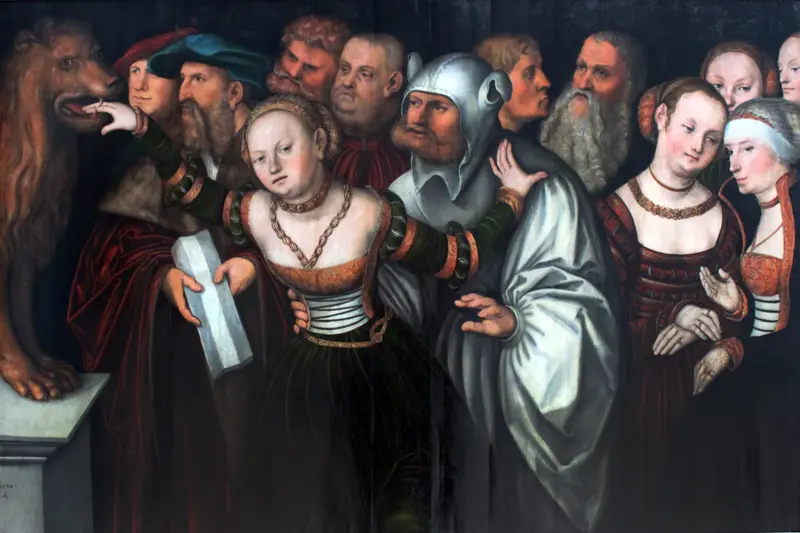
The Fable of the Mouth of Truth
Lucas Cranach the Elder





