
Princess Victoire of France - The Water — History & Facts
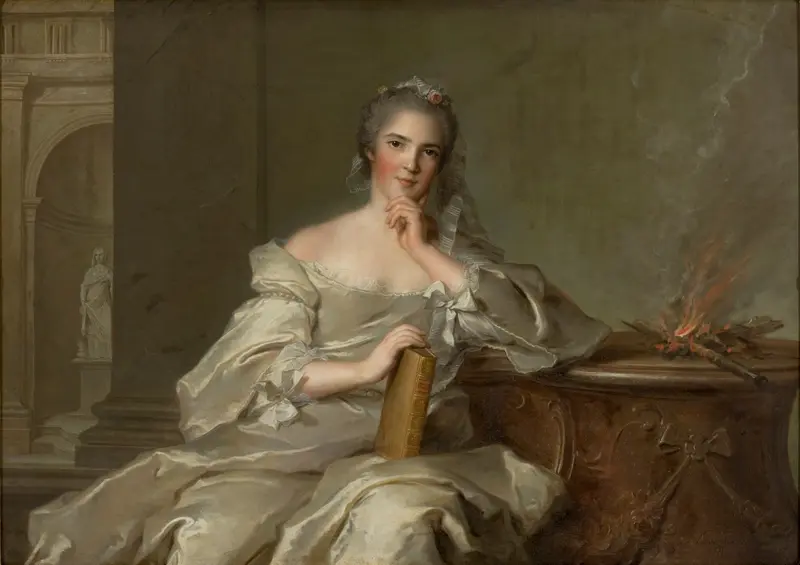
What first draws the eye in Princess Victoire of France - The Water by Jean-Marc Nattier is the way the sitter’s calm gaze meets the viewer, poised above a cascade of draped satin and the gentle spill of water from a classical urn. The princess, her shoulders bare and dress slipping artfully from one side, is framed by a landscape that recedes into a tranquil riverbank, where swans glide across the water. The lush green fabric and the flowing water are more than decorative: they signal her allegorical role as the embodiment of Water, a favorite device in eighteenth-century portraiture to link royal sitters with the elements and the virtues they were thought to represent.
The light falls softly on her skin, lending her an almost porcelain clarity, while the background glows with the last warmth of sunset, guiding the viewer from the sitter’s serene face out to the distant, peaceful horizon. This painting belongs to a world where royal portraits were rarely just likenesses—they were statements of power, lineage, and cultivated taste. In mid-eighteenth-century France, artists like Nattier were often called to the royal court to create images that flattered and idealized their subjects, blending portraiture with allegory. The year 1751, when this work was completed, was a period of intense activity for such commissions, as members of the royal family sought to assert their place through art.
History has kept only a handful of traces about this specific painting, but its presence in a collection today speaks to the enduring appeal of these carefully constructed identities. Look again at the princess’s composed hands and the gentle arc of water—every detail is designed to persuade, to charm, and to endure.
More Artworks by Jean-Marc Nattier

Madame Crozat de Thiers and Her Daughter
Jean-Marc Nattier
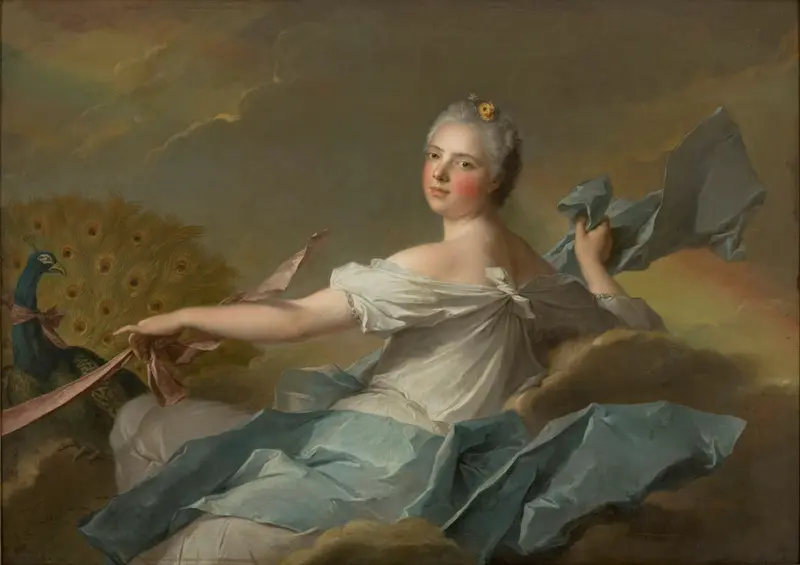
Princess Marie Adélaïde of France - The Air
Jean-Marc Nattier
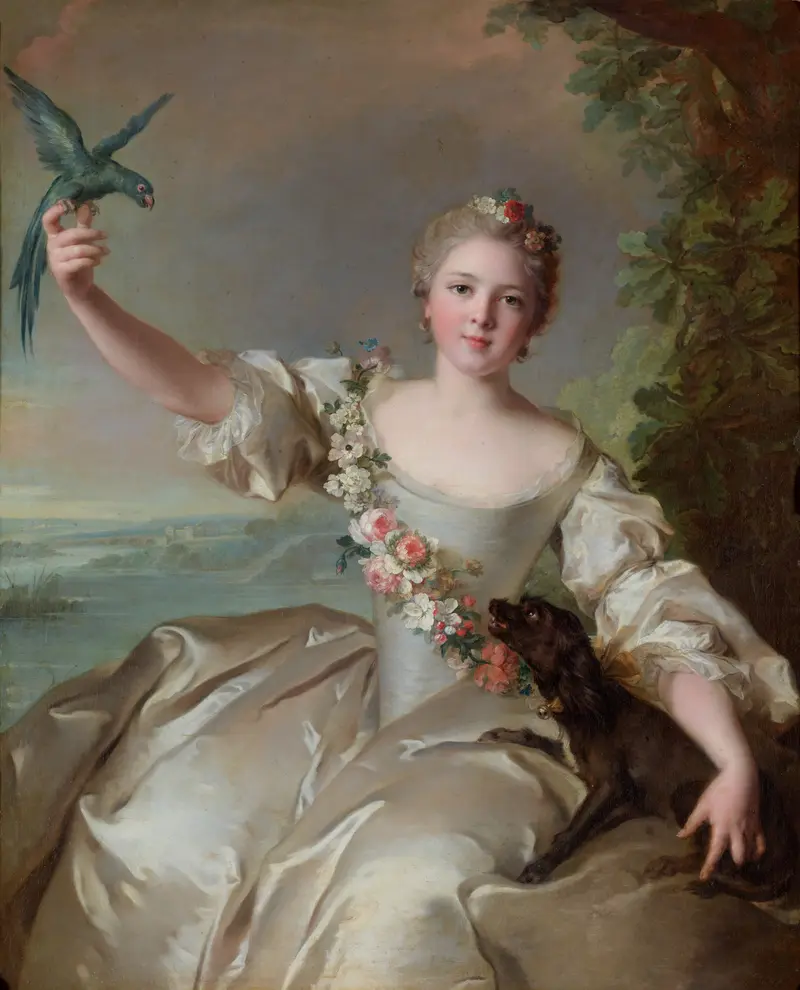
Portrait de Mathilde de Canisy, marquise d'Antin
Jean-Marc Nattier
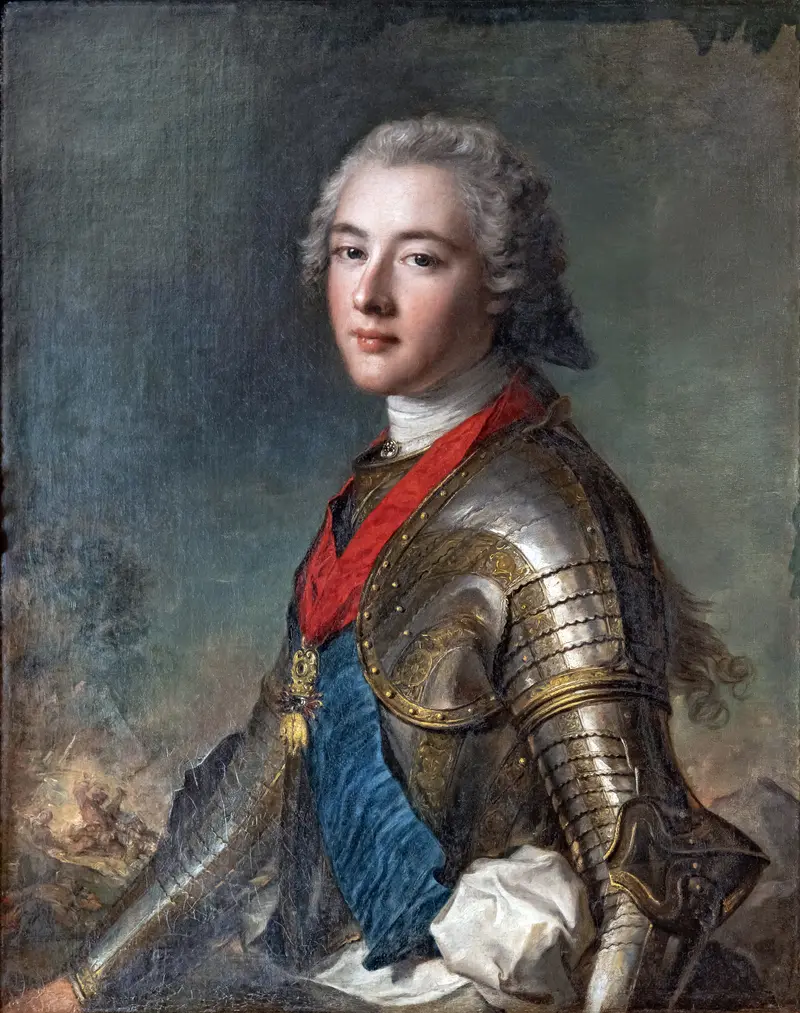
Bemberg Fondation Toulouse - Portrait de Louis Jean Marie de Bourbon, Duc de Penthièvre - Jean Marc Nattier inv.1158 82x65.4
Jean-Marc Nattier
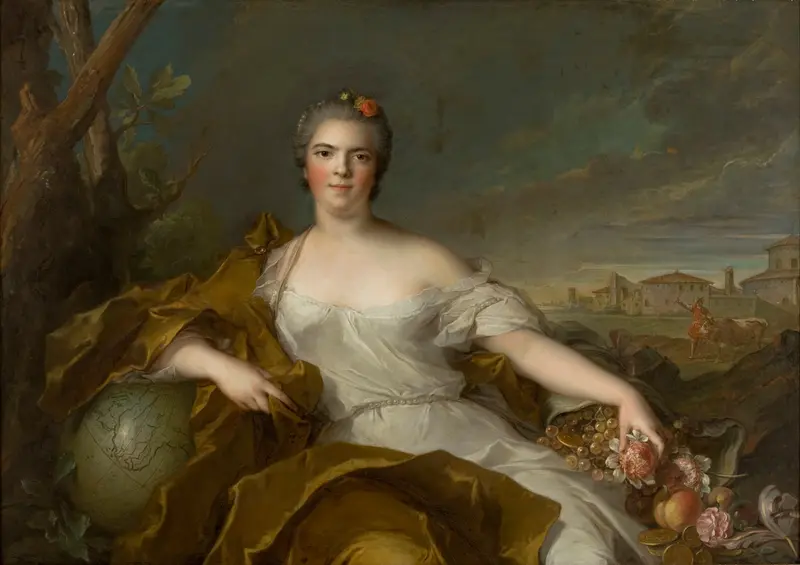
Princess Louise-Élisabeth of France - The Earth
Jean-Marc Nattier
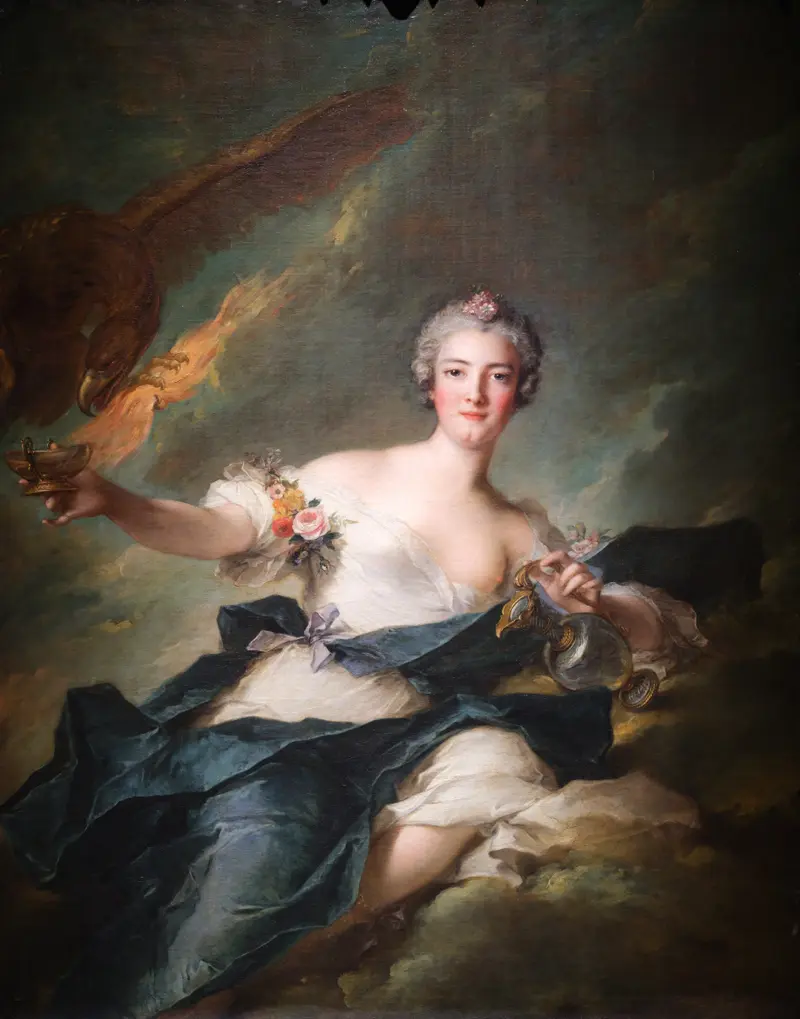
The Duchess of Chaulnes Represented as Hebe
Jean-Marc Nattier
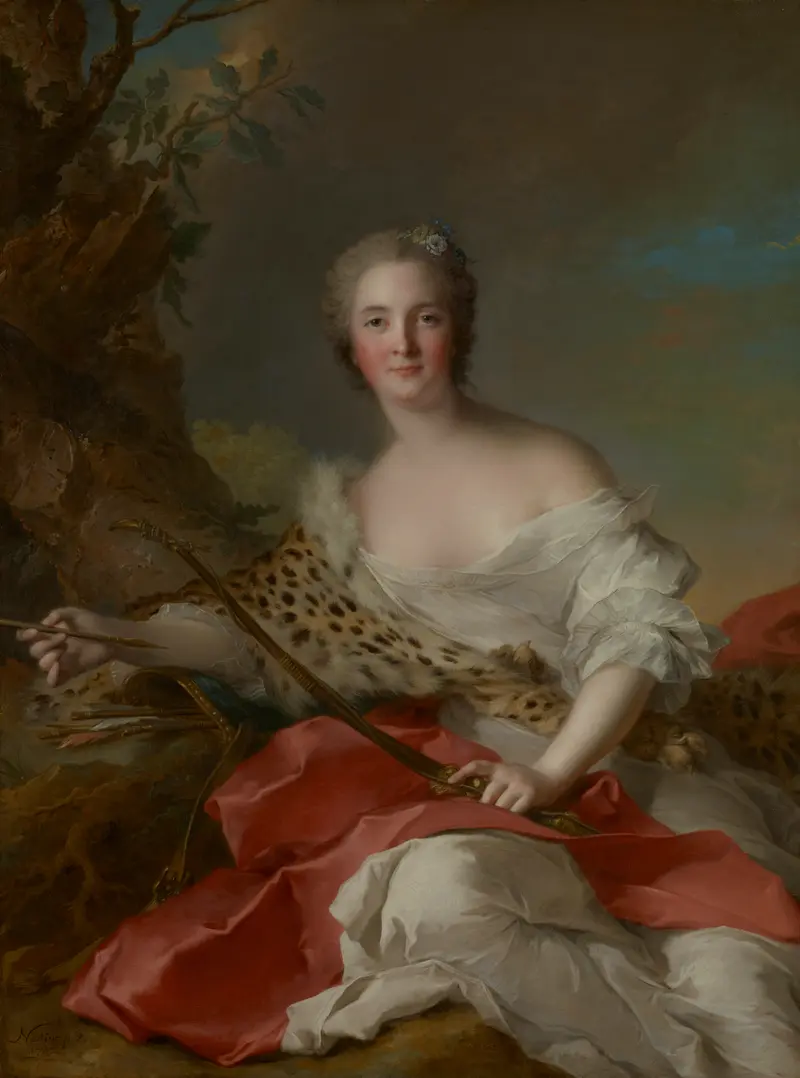
Portrait of Madame Bonnier de la Mosson as Diana (Constance-Gabrielle-Magdeleine du Monciel de Lauraille
Jean-Marc Nattier
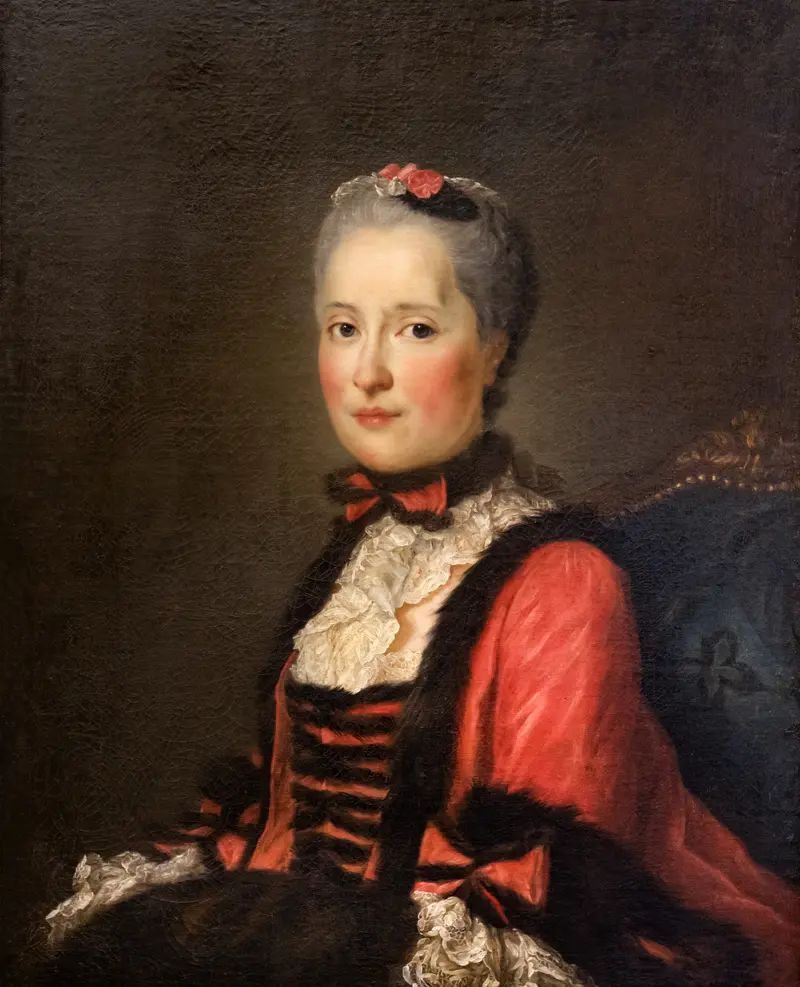
Portrait of Marie-Josephe of Saxony, Dauphine of France
Jean-Marc Nattier
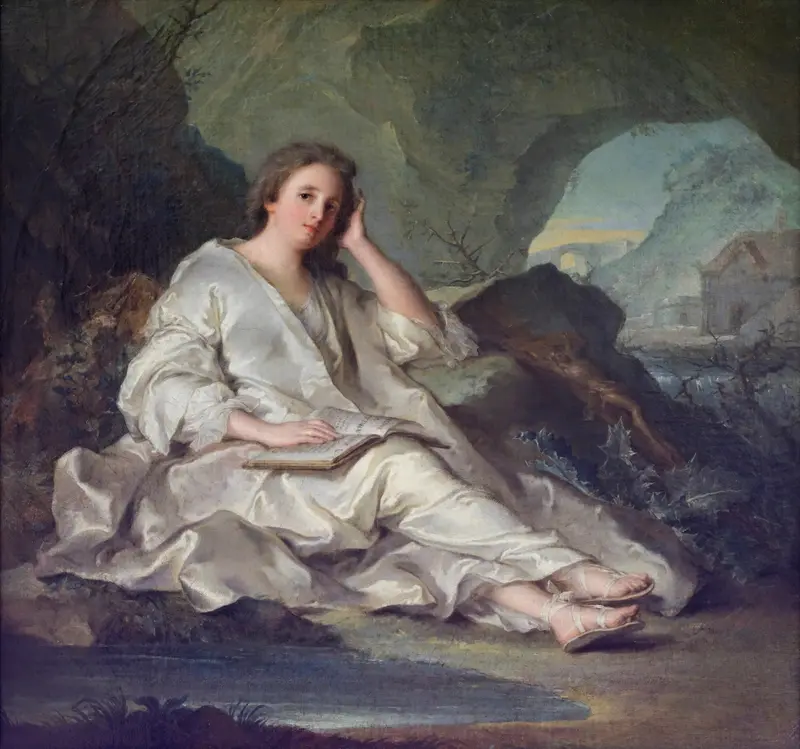
La Madeleine, ou Une Pénitente dans le désert Musée du Louvre Peintures INV 6880 ; MR
Jean-Marc Nattier
Princess Anne-Henriette of France - The Fire
Jean-Marc Nattier





