Proserpina met bloemen — History & Facts
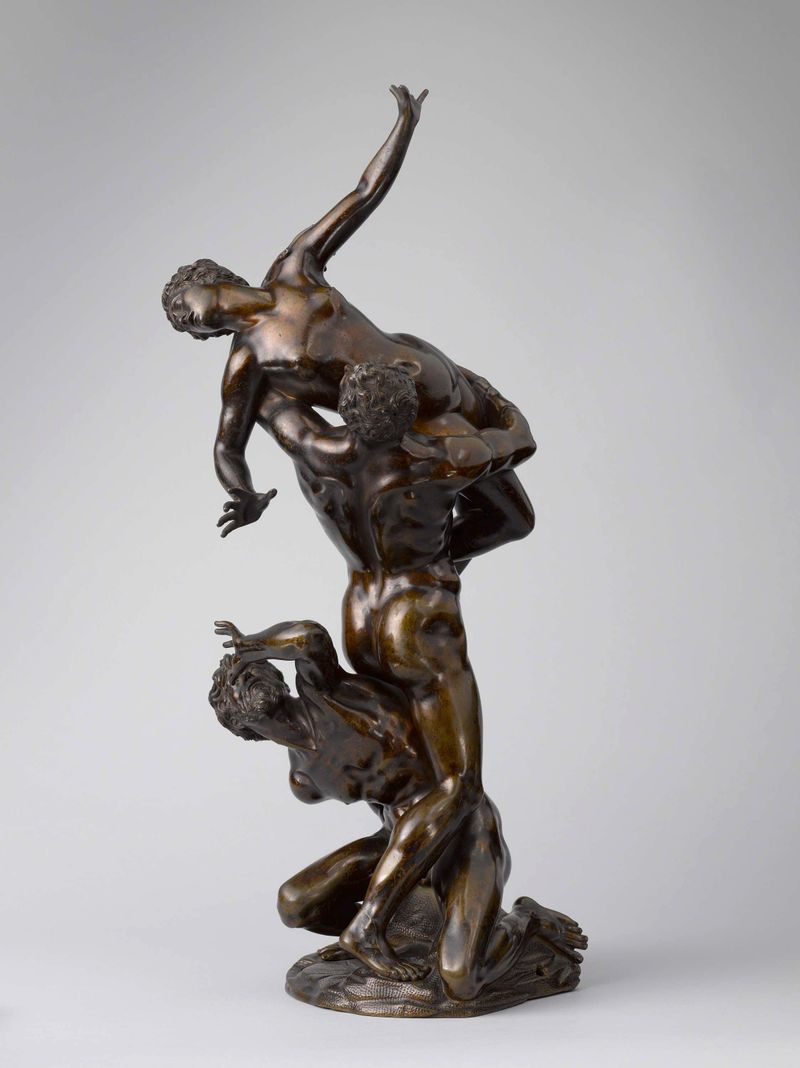
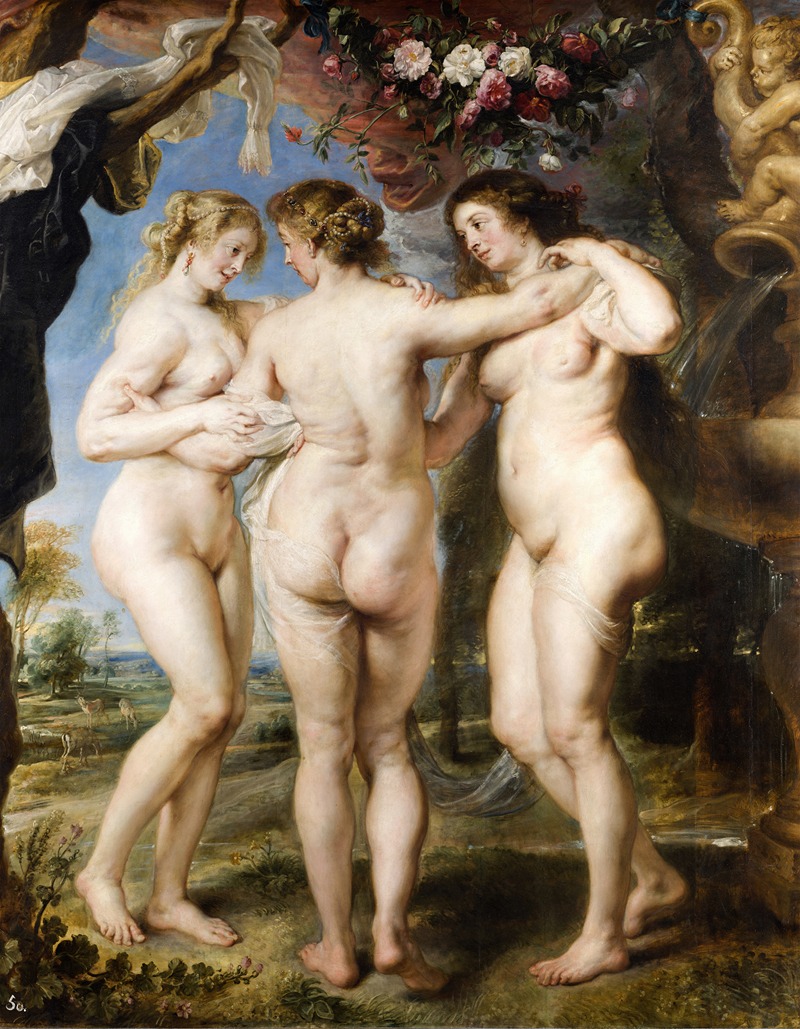
What if beauty was never meant to be finished? The interplay of shadow and light in this work invites an exquisite contemplation of impermanence and longing, leaving the viewer yearning for more. Focus on the delicate figure of Proserpina at the center, where her ethereal presence seems to pulsate with life. The lush blooms surrounding her draw the eye, bursting with vibrant colors that contrast against the muted earth tones of her skin. Notice how the artist's meticulous brushwork captures the intricate details of each petal, while the gentle shading creates an almost three-dimensional quality, breathing vitality into the floral arrangement. Yet, beneath this surface beauty lies an emotional tension.
The juxtaposition of Proserpina’s serene expression against the wildness of the flowers suggests a struggle between captivity and freedom. Each blossom seems to cradle her as if both a gift and a confinement, symbolizing her dual existence in the realms of abundance and loss. The shadows cast by the flowers echo the uncertainties of life, hinting at deeper themes of transience and the complexities of desire. Jacob Binck painted Proserpina met bloemen in 1530, during a time when the Northern Renaissance was flourishing in the Netherlands.
At this juncture, the artist was deeply influenced by humanist ideals and sought to blend classical themes with local traditions. His work reflects not only personal interpretations of mythological subjects but also the broader cultural shifts happening in Europe, where artists began to explore the interplay between nature, beauty, and human emotion more profoundly.
More Artworks by Jacob Binck
Browse all →
Portret van Christiaan II, koning van Denemarken
Jacob Binck

Christus en de Samaritaanse vrouw
Jacob Binck
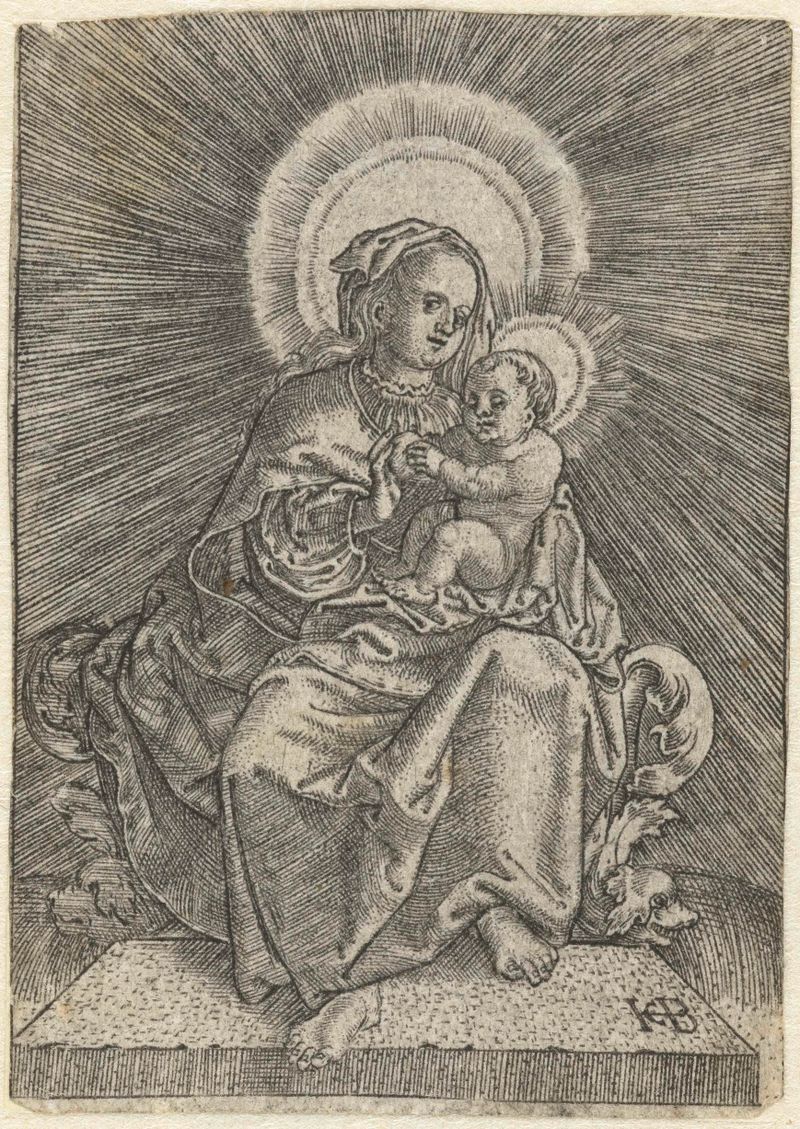
Tronende Maria met kind en appel in stralenkrans
Jacob Binck

Christus op de koude steen
Jacob Binck

Ornament met twee putti op dolfijnen onder een vaas
Jacob Binck
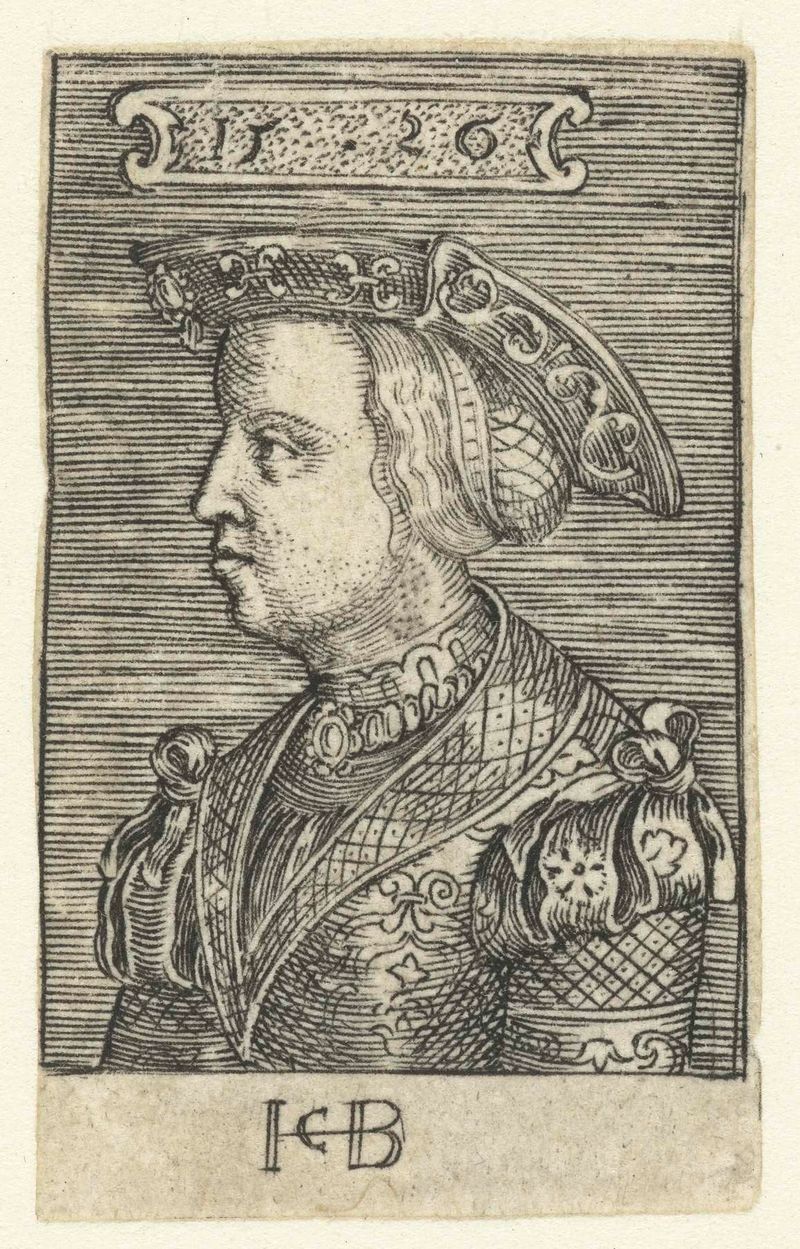
Portret van Claudia van Valois, echtgenote van Frans I
Jacob Binck

Ceres met kroon van korenaren, sikkel, brandende toorts en tweekoppige slang
Jacob Binck
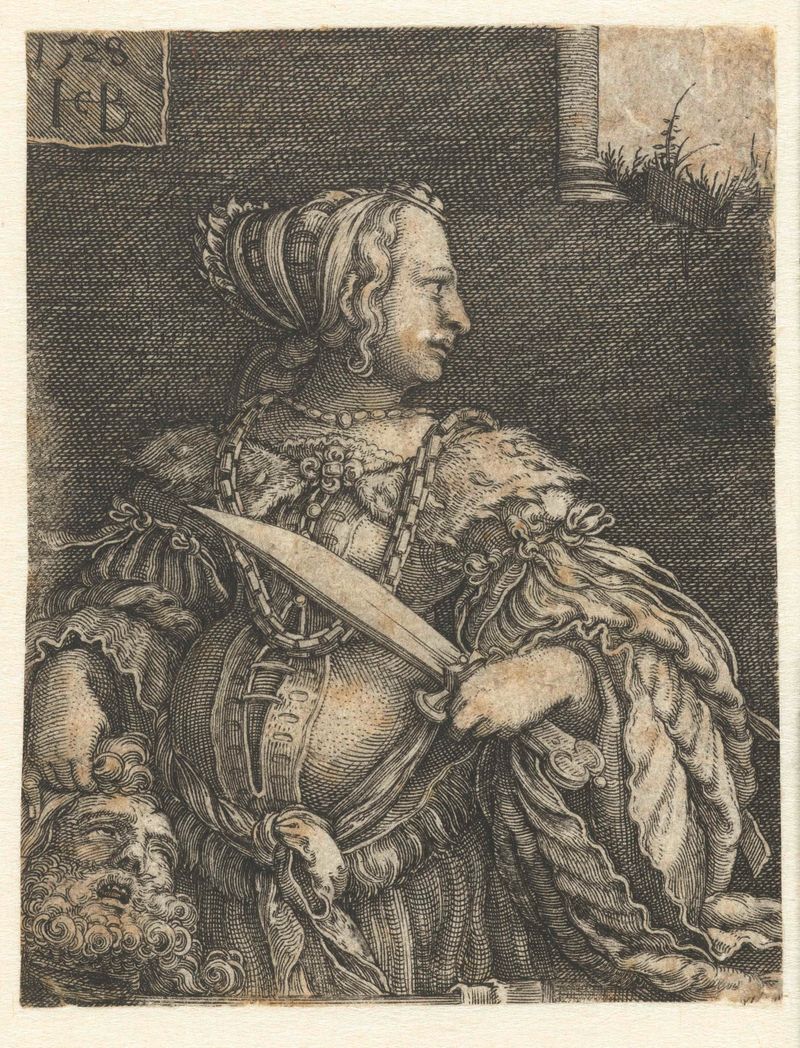
Judith met het hoofd van Holofernes
Jacob Binck
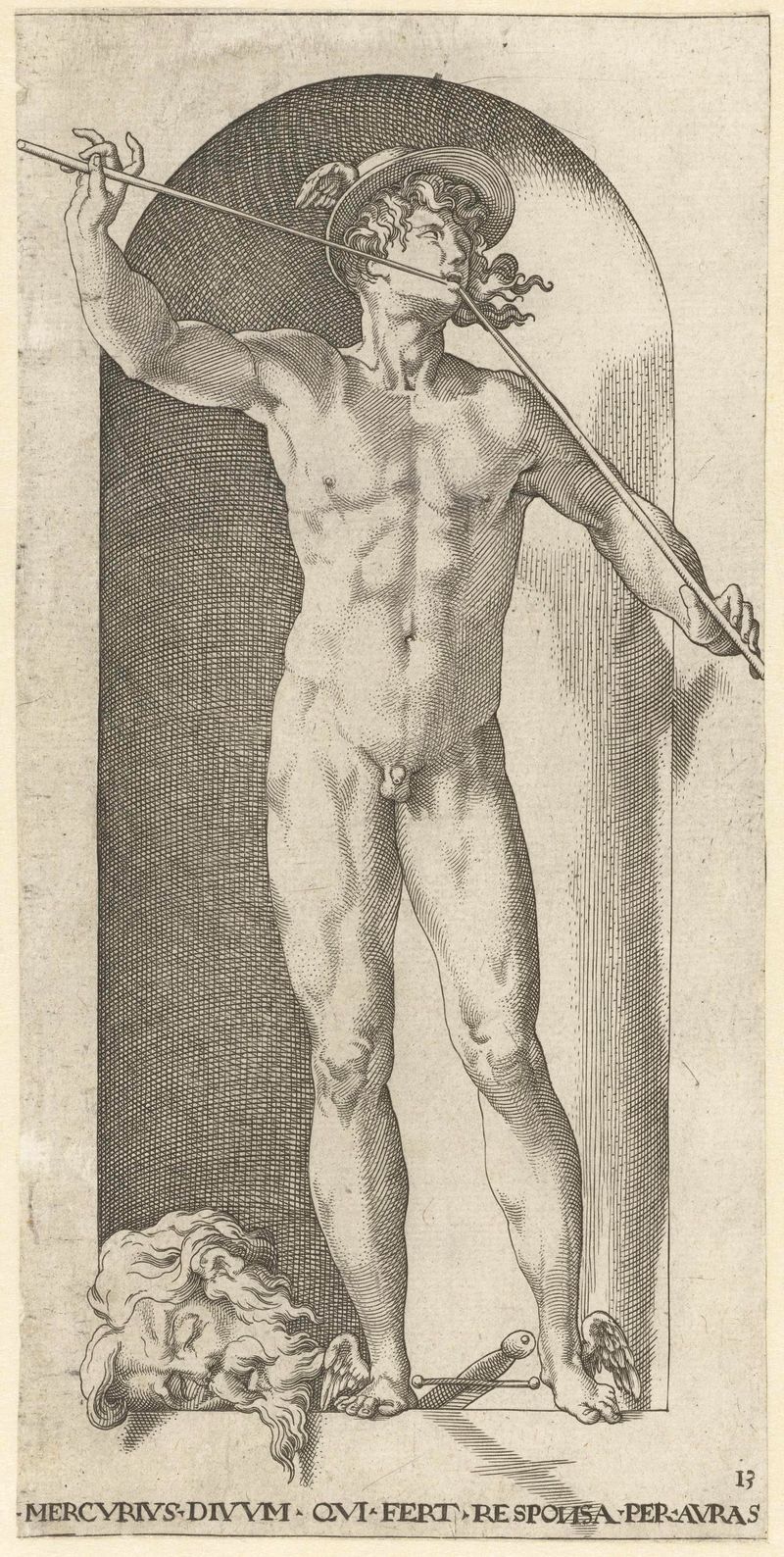
Mercurius met het hoofd van Argus
Jacob Binck

Minerva (Pallas Athena) met Medusahoofd op schild
Jacob Binck