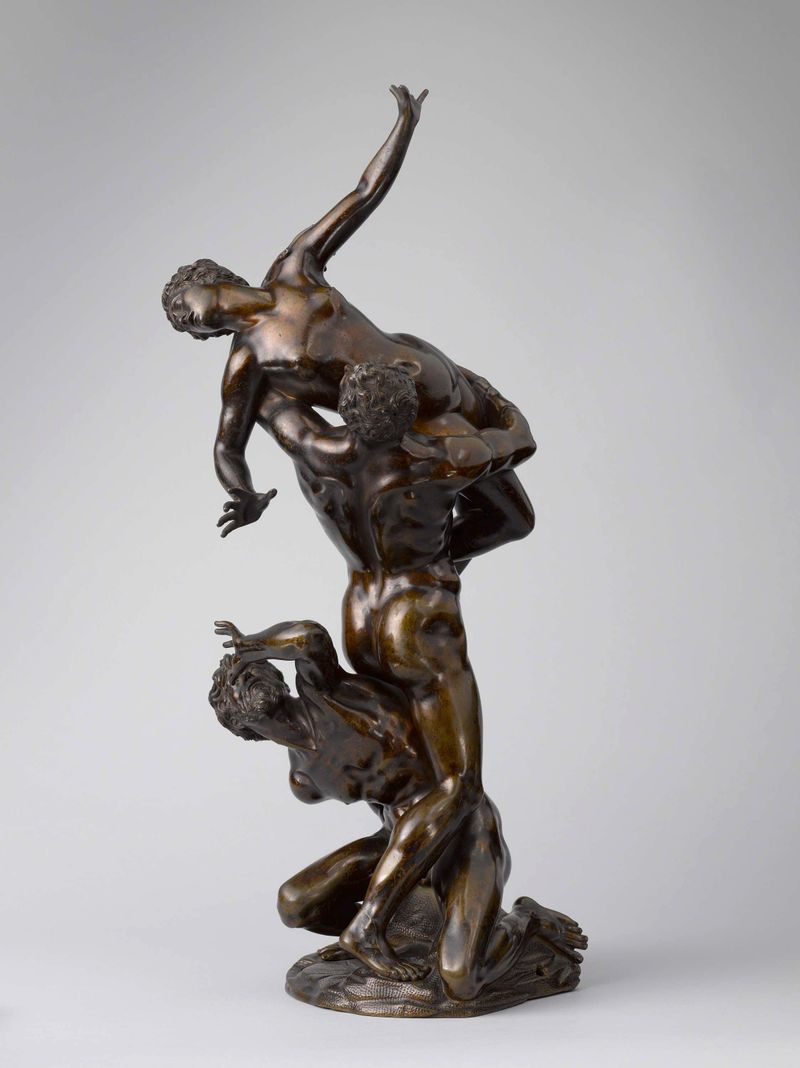
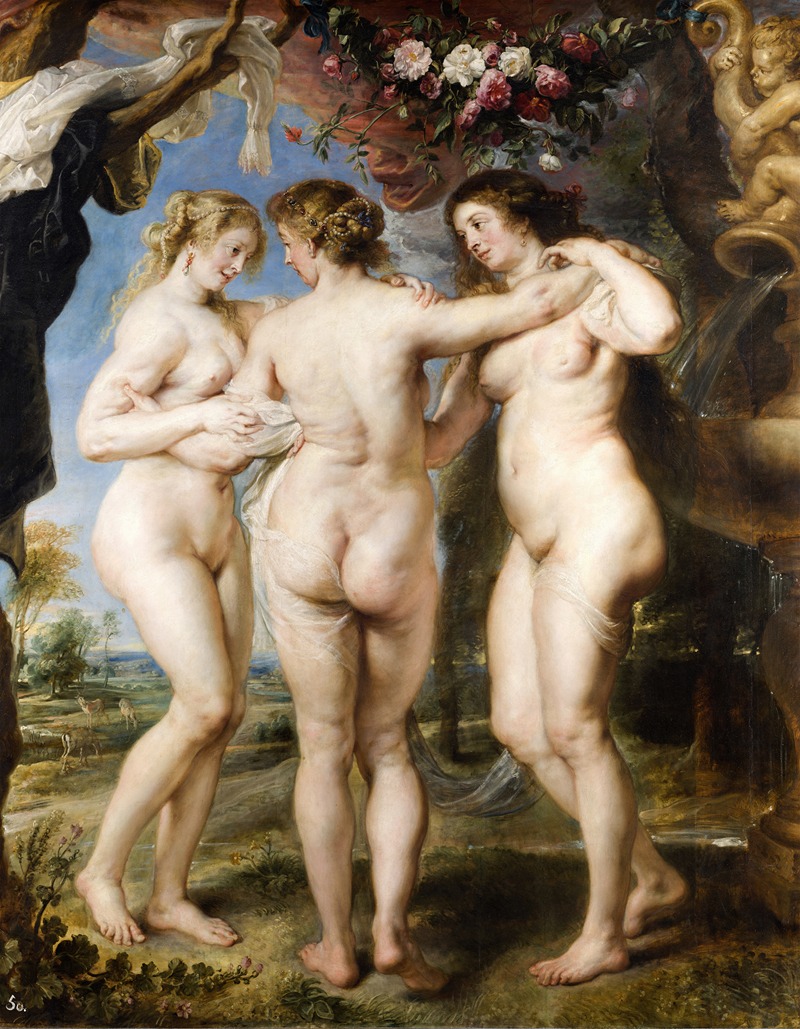
Putti met hoorn des overvloeds: het element Aarde — History & Facts
When did color learn to lie? In a world where hues can mask deeper truths, the essence of loss lingers beneath the surface, evoking introspection and a haunting beauty. Focus on the central figure, a cherubic putto adorned in soft pastels, cradling the horn of plenty that spills forth an abundance of colorful fruits and flowers. The delicate strokes create a sense of lightness, pulling your gaze across the canvas. The subtle play of light and shadow enhances the depth, showcasing the richness of the earth’s bounty, yet the serene expression on the putto's face invites contemplation — a juxtaposition of joy and an underlying sorrow. As you examine the intricate details, the juxtaposition of the vibrant still-life and the putto's calm demeanor raises questions about abundance and emptiness.
The horn, overflowing with nature’s gifts, contrasts with the undeniable fragility of life, suggesting that what appears abundant may harbor loss within its depths. The serene beauty belies a narrative of yearning, a reminder that even in abundance, there is an inevitable absence that colors our experience. Wenceslaus Hollar painted this piece in 1647, during a time marked by the profound changes of the Baroque period and personal challenges, including exile from his native Bohemia. Living in England, he found himself amidst a flourishing art scene but also faced the turmoil of civil strife.
This context likely influenced his exploration of themes surrounding nature, prosperity, and the melancholic undercurrents of human existence, encapsulated in this captivating work.
More Artworks by Wenceslaus Hollar
Browse all →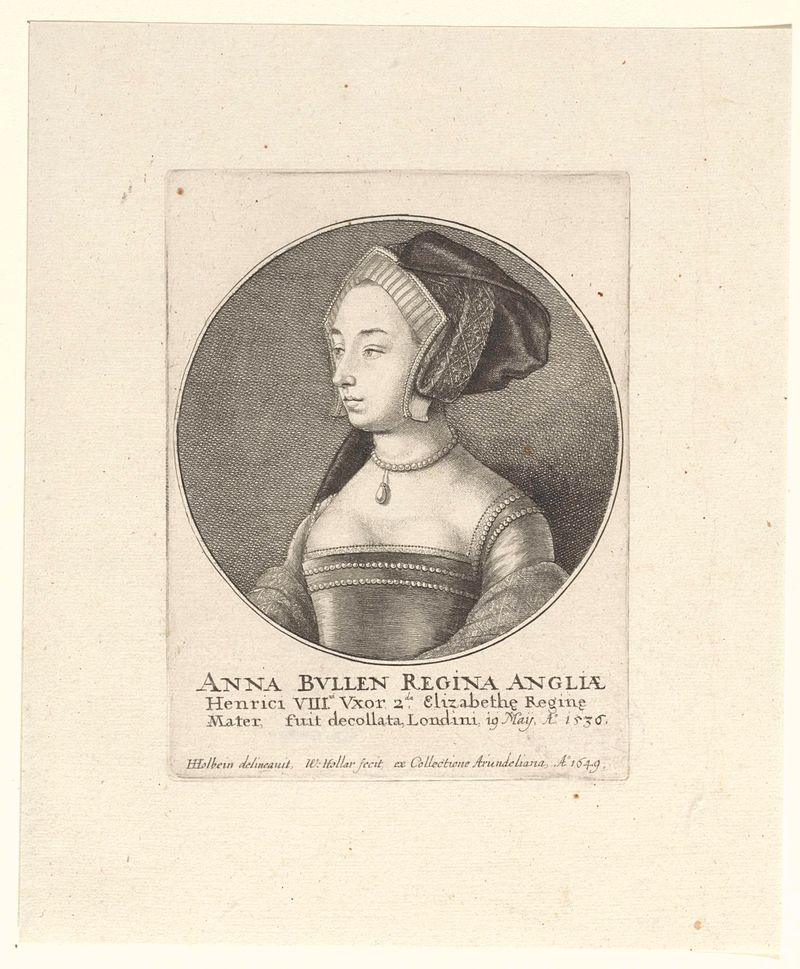
Portret van Anna Boleyn, koningin van Engeland
Wenceslaus Hollar
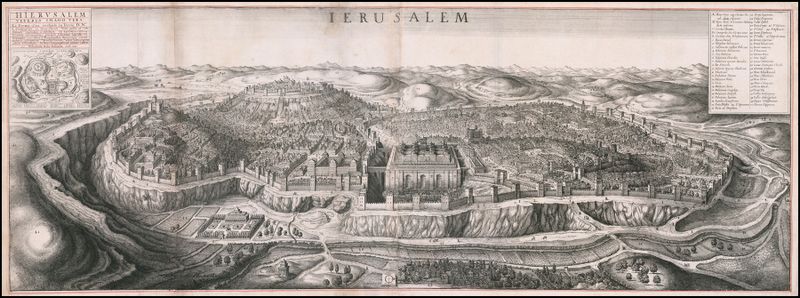
Bird’s eye view of Jerusalem
Wenceslaus Hollar
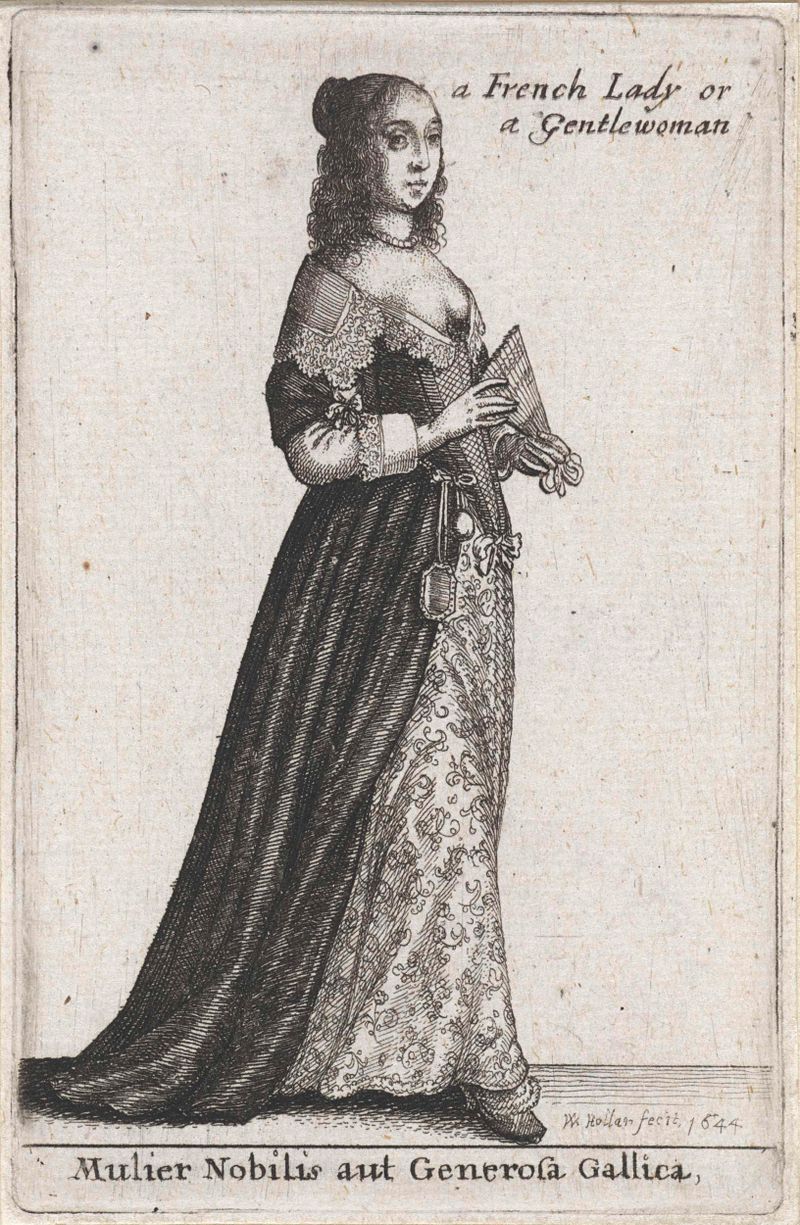
Mulier Nobilis aut Generosa Gallica / a French Lady or Gentlewoman
Wenceslaus Hollar
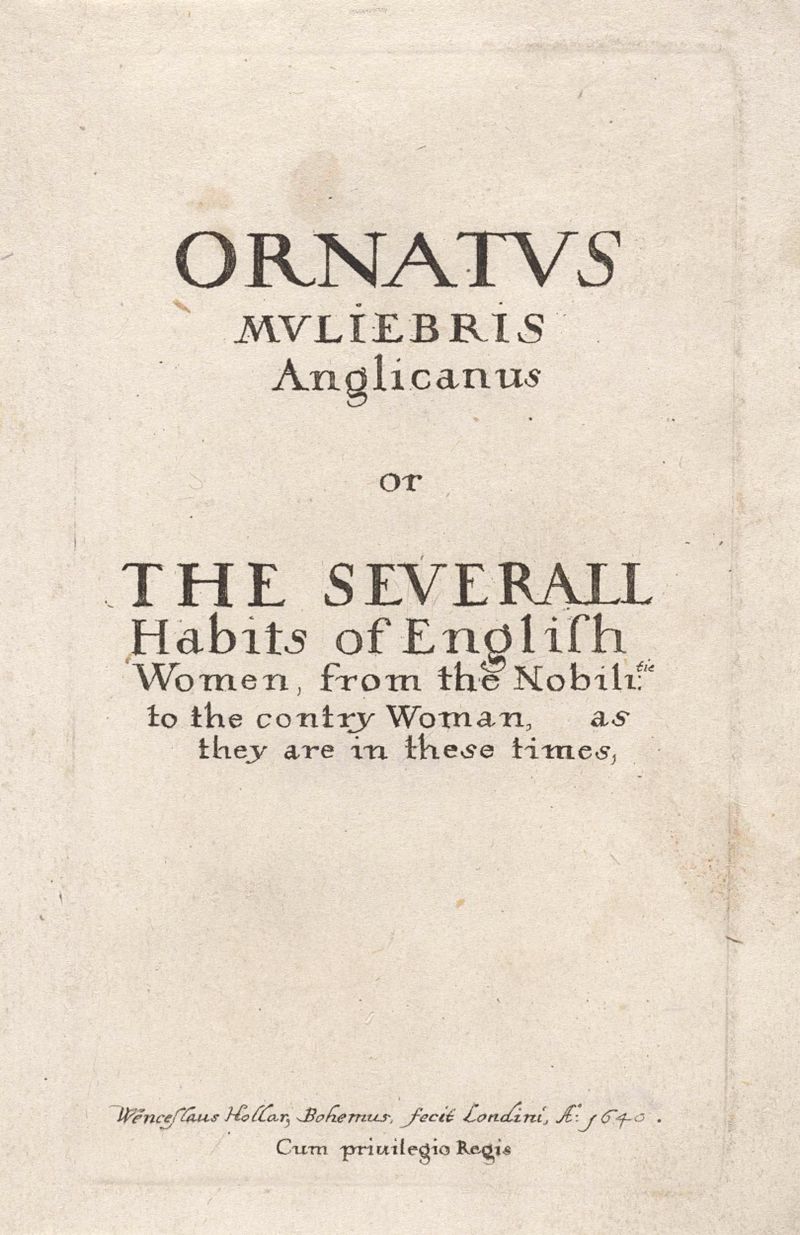
Titelprent voor: Ornatus Muliebris Anglicanus
Wenceslaus Hollar
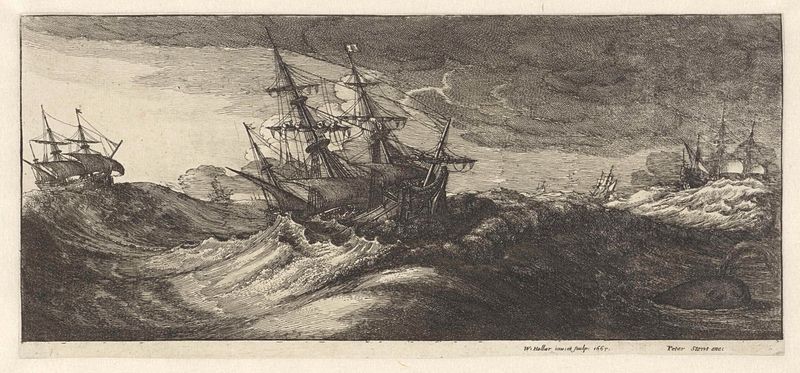
Oorlogsschepen en een walvis in een zeestorm
Wenceslaus Hollar
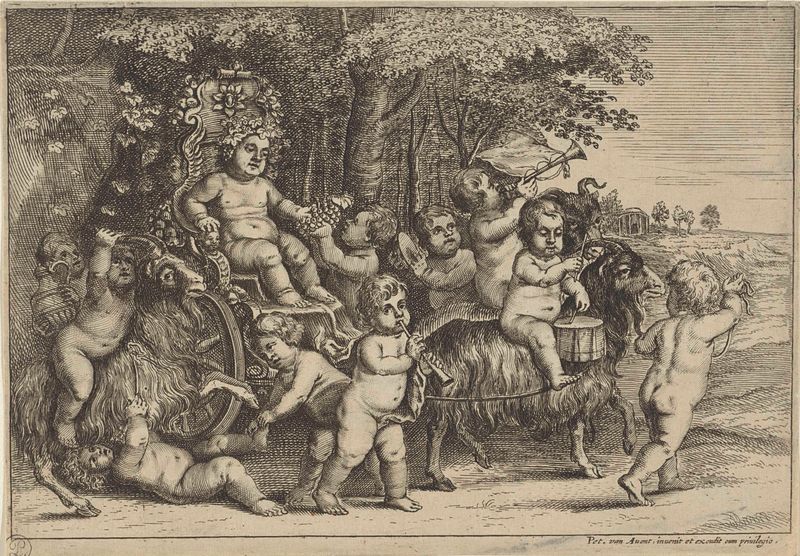
Optocht van bacchant en jongetjes op geiten
Wenceslaus Hollar
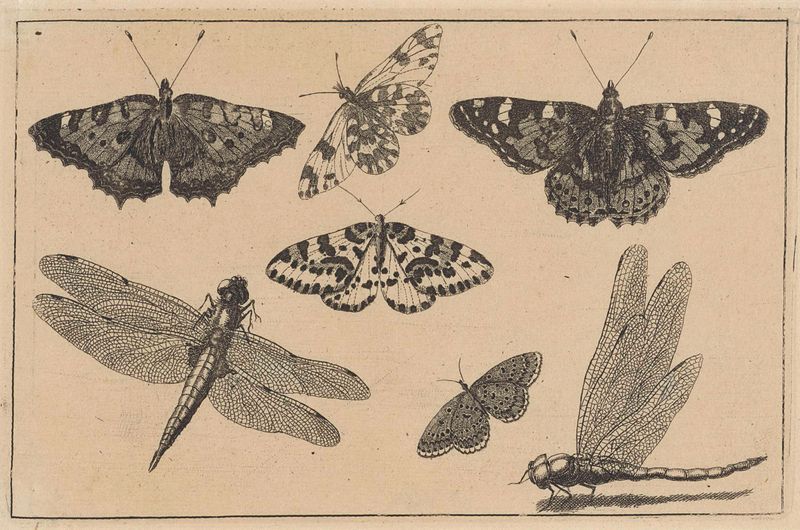
Twee libellen en vijf vlinders
Wenceslaus Hollar
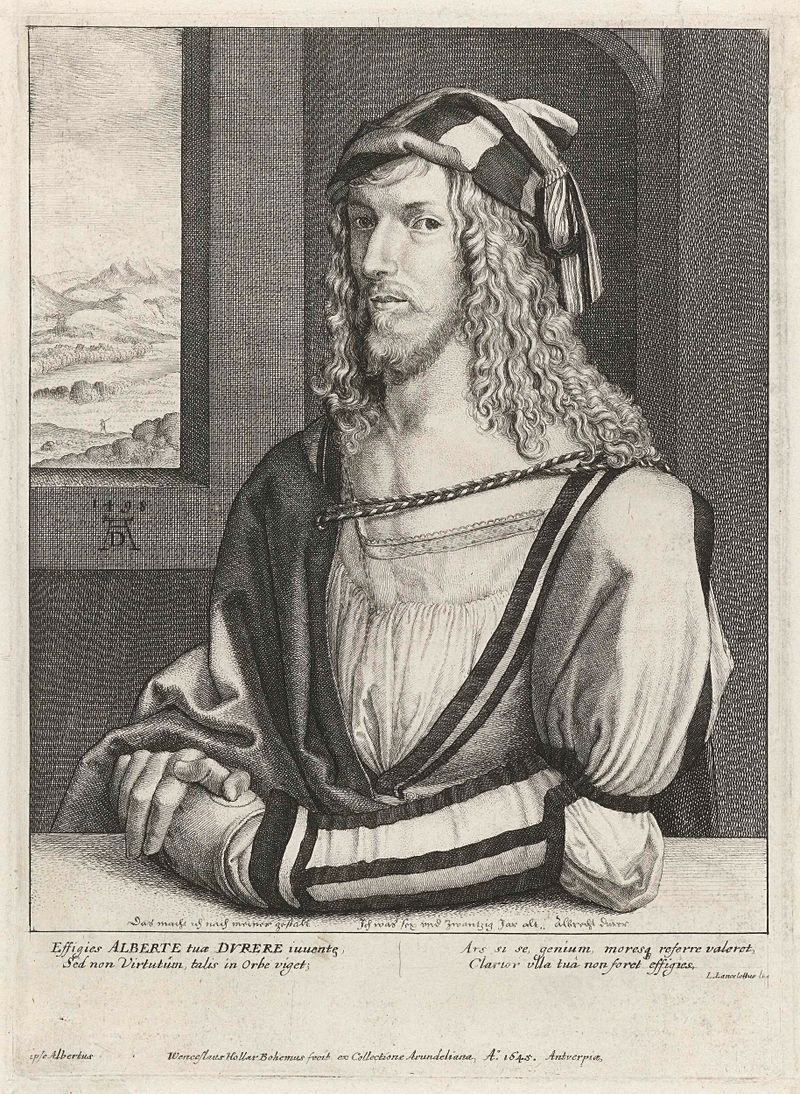
Portret van Albrecht Dürer
Wenceslaus Hollar
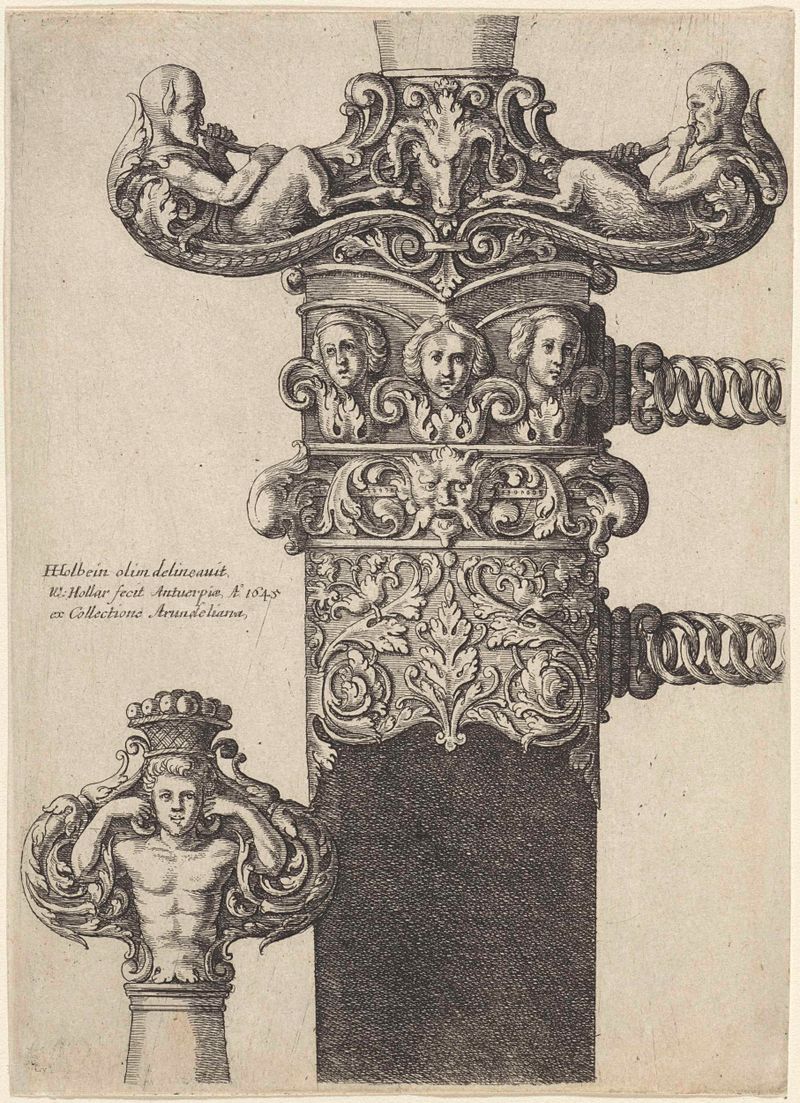
Ornamenteel ontwerp voor een dolk
Wenceslaus Hollar
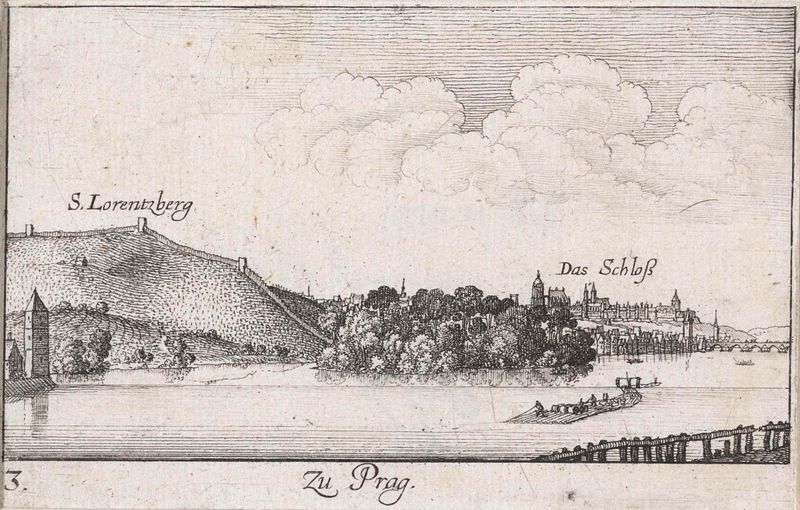
Gezicht op Praag vanaf de Moldau
Wenceslaus Hollar