Putti met tropische vogels: het element Lucht — History & Facts
In the delicate interplay between life and loss, grief manifests in whispers more than words, echoing through the art of the past. Look to the center of the composition, where vibrant putti cradle bright tropical birds, their plump forms nearly weightless against the ethereal sky. The artist employs a fine line technique that allows each feather to shimmer with life while the surrounding space feels vast, almost oppressive. Notice how soft hues of azure and gold contrast sharply with darker undertones, evoking a sense of fleeting joy tinged with melancholy. As your gaze wanders, the playful expressions of the putti become poignant reminders of innocence caught in the flux of existence.
Each bird, vibrant and full of promise, also signifies the fragility of life, inviting contemplation of what it means to lose something beautiful. The delicate balance of light and shadow captures the tension between celebration and mourning, creating a space where joy and sorrow coexist in a fragile harmony. Wenceslaus Hollar created Putti met tropische vogels: het element Lucht in 1647, a time when he was living in London, having fled the devastation of the Thirty Years' War in Central Europe. Despite the tumult around him, he became a prominent figure in the art of printmaking, capturing the intricate beauty of the natural world.
His work reflects a moment of personal and artistic resilience, as he navigated the complexities of life, loss, and the reminder that beauty often flourishes amid grief.
More Artworks by Wenceslaus Hollar
Browse all →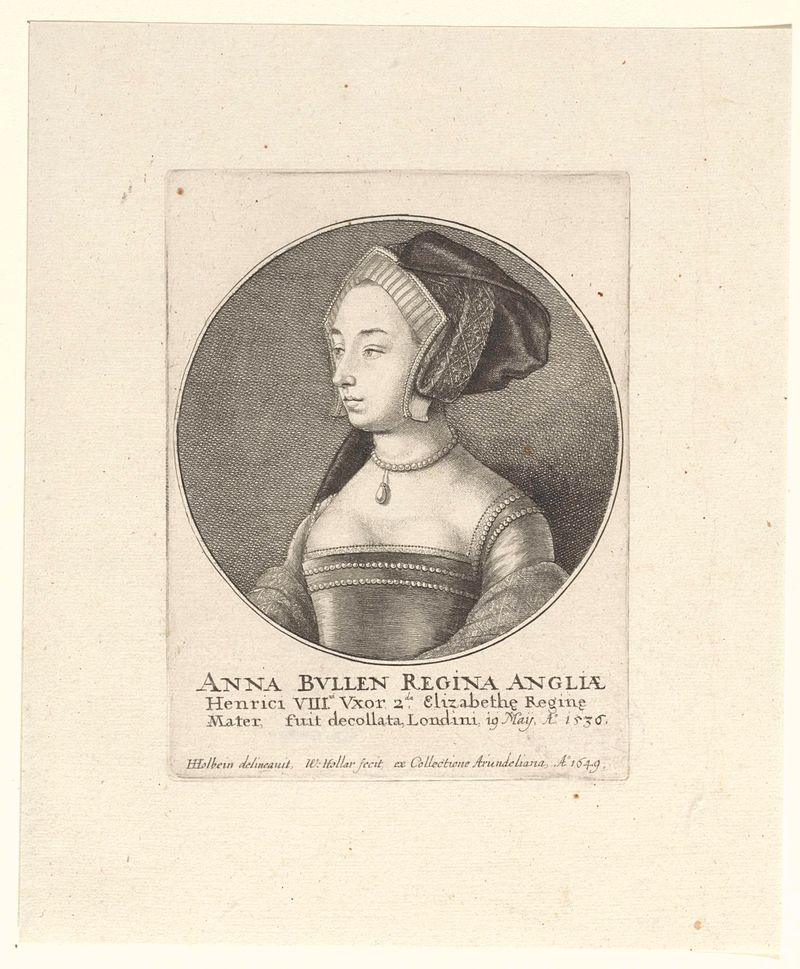
Portret van Anna Boleyn, koningin van Engeland
Wenceslaus Hollar
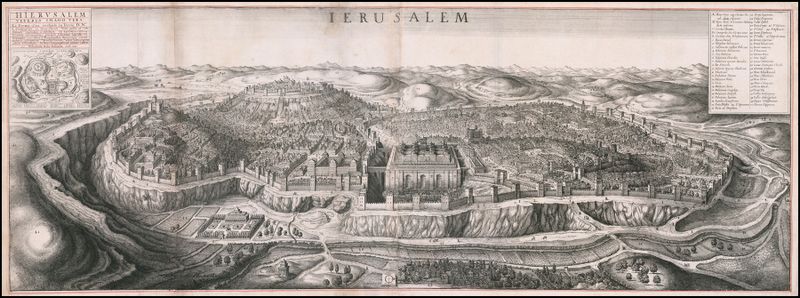
Bird’s eye view of Jerusalem
Wenceslaus Hollar
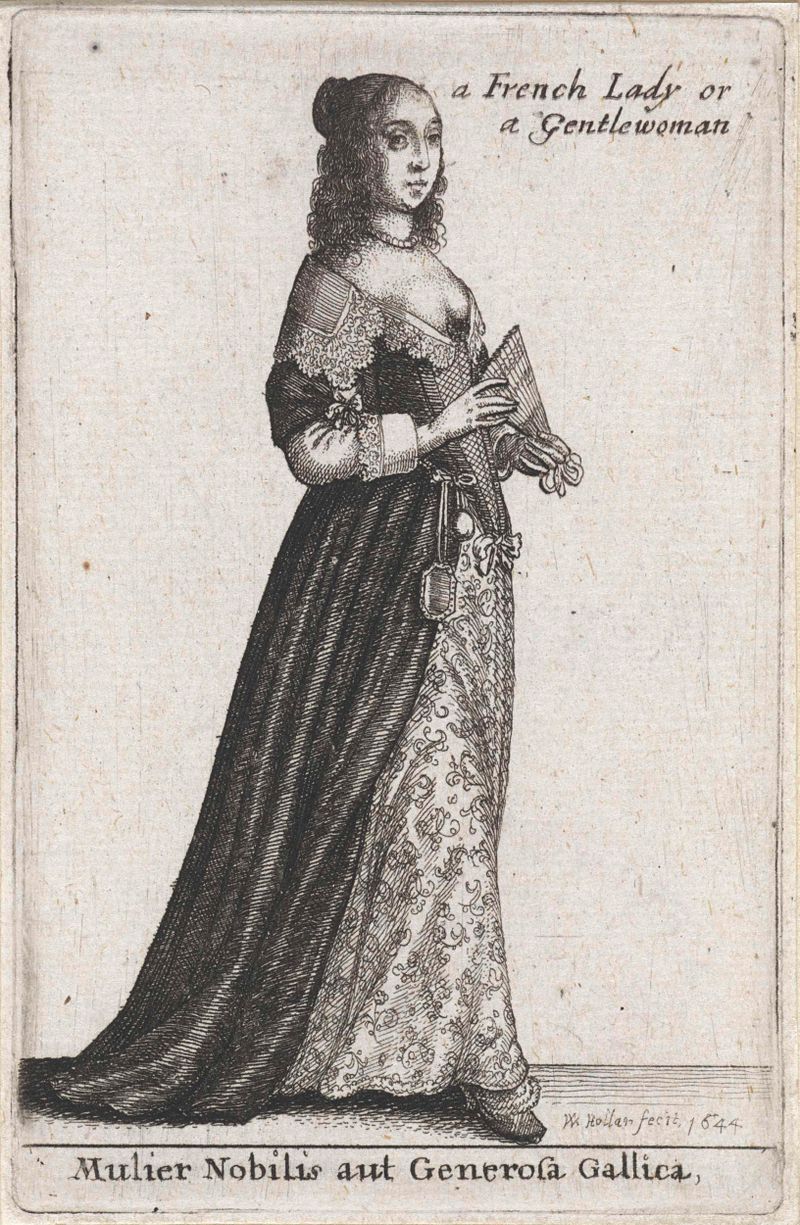
Mulier Nobilis aut Generosa Gallica / a French Lady or Gentlewoman
Wenceslaus Hollar
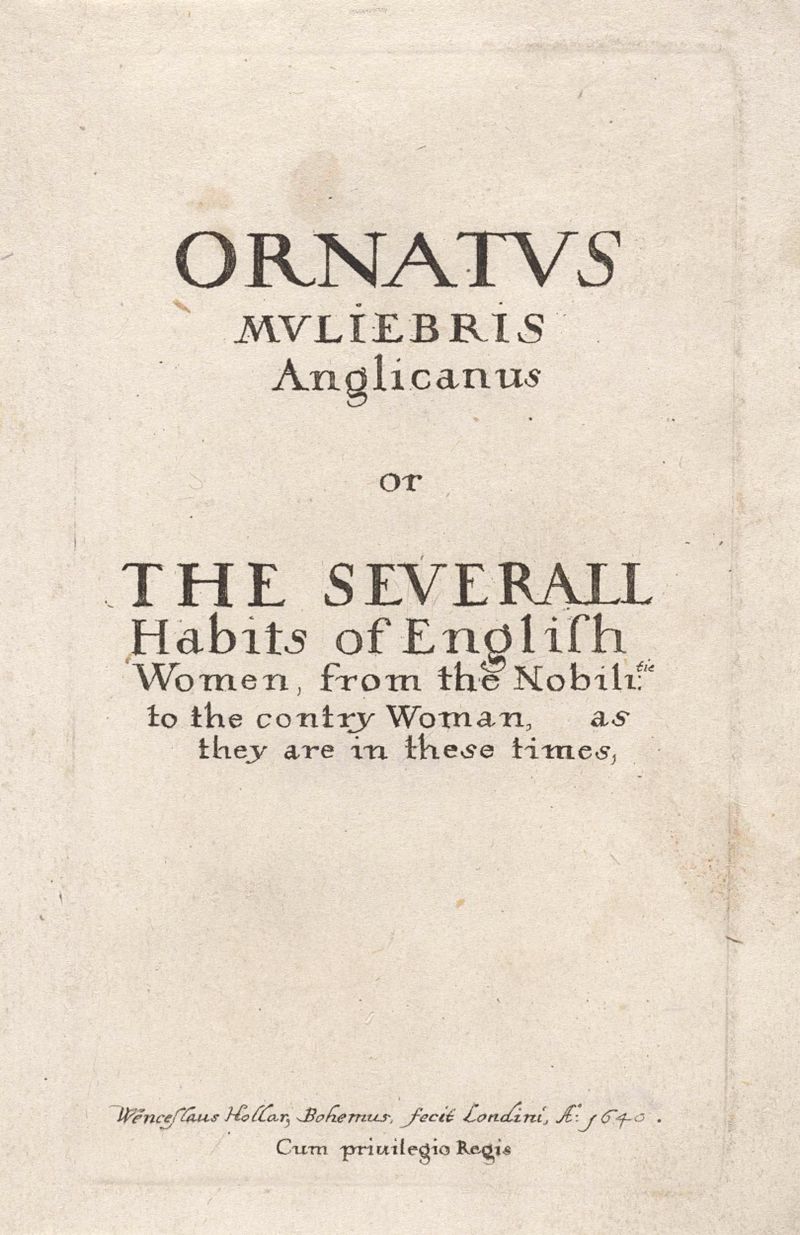
Titelprent voor: Ornatus Muliebris Anglicanus
Wenceslaus Hollar
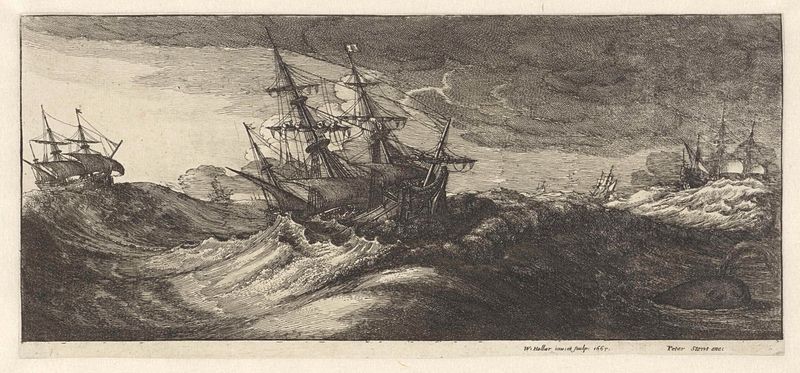
Oorlogsschepen en een walvis in een zeestorm
Wenceslaus Hollar
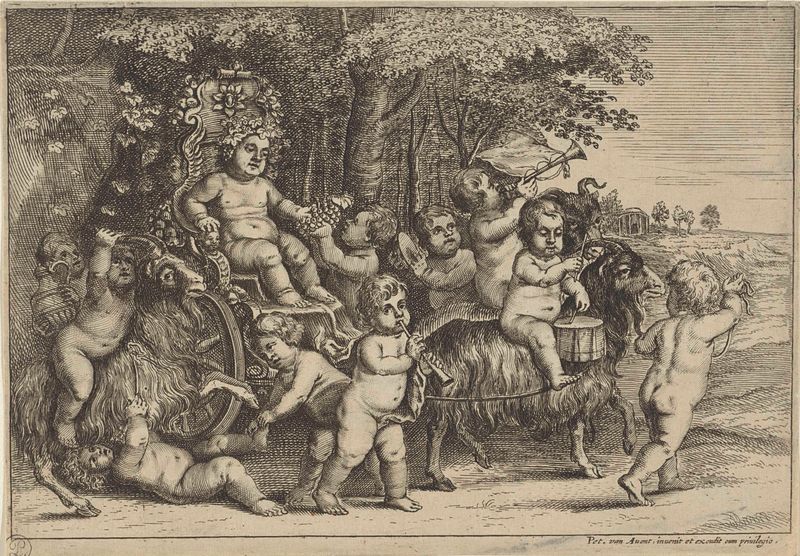
Optocht van bacchant en jongetjes op geiten
Wenceslaus Hollar
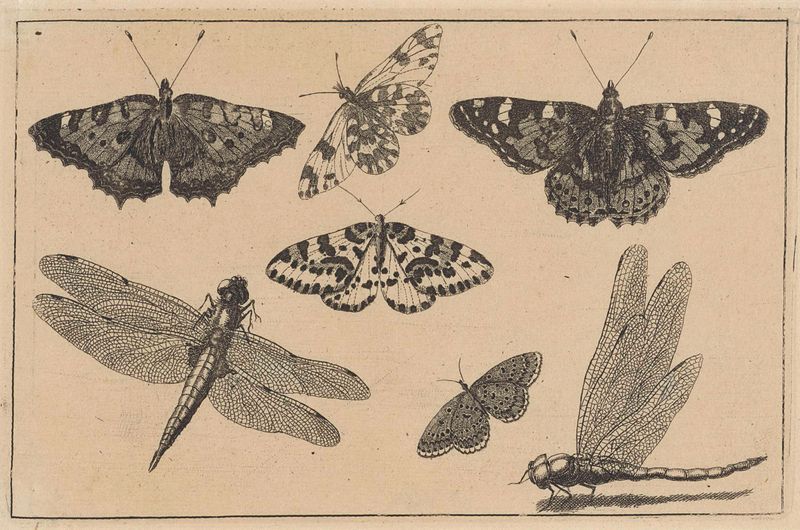
Twee libellen en vijf vlinders
Wenceslaus Hollar
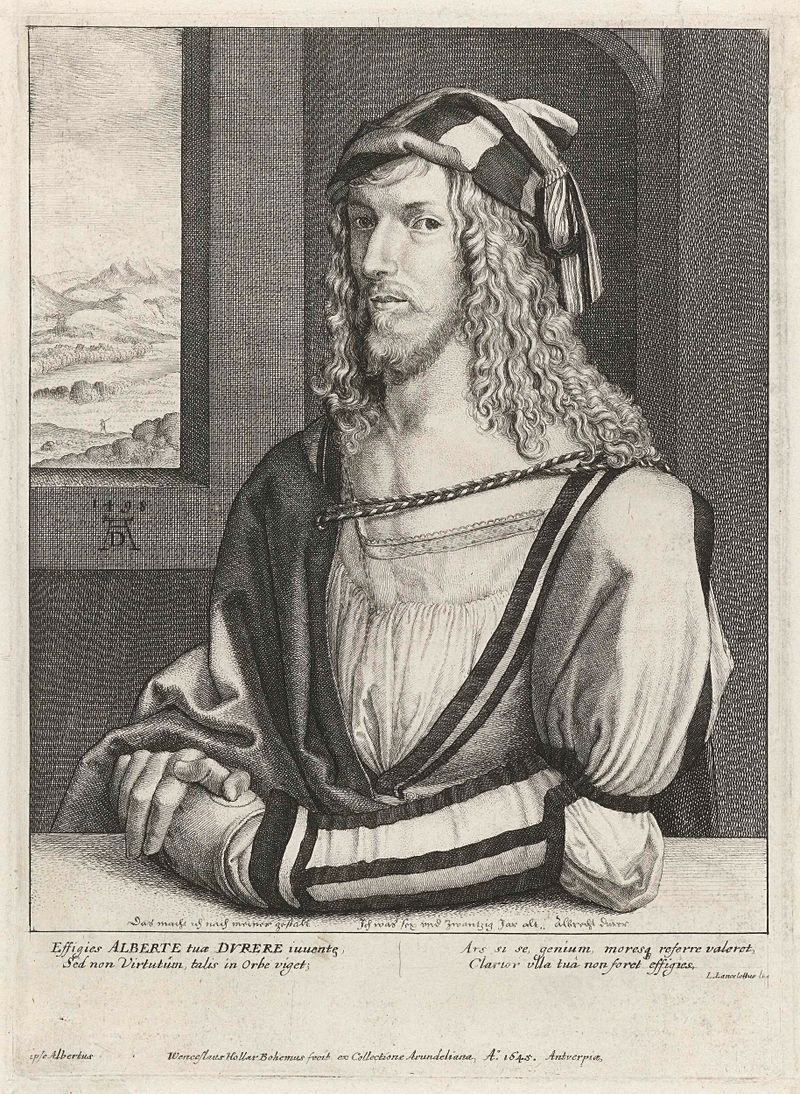
Portret van Albrecht Dürer
Wenceslaus Hollar
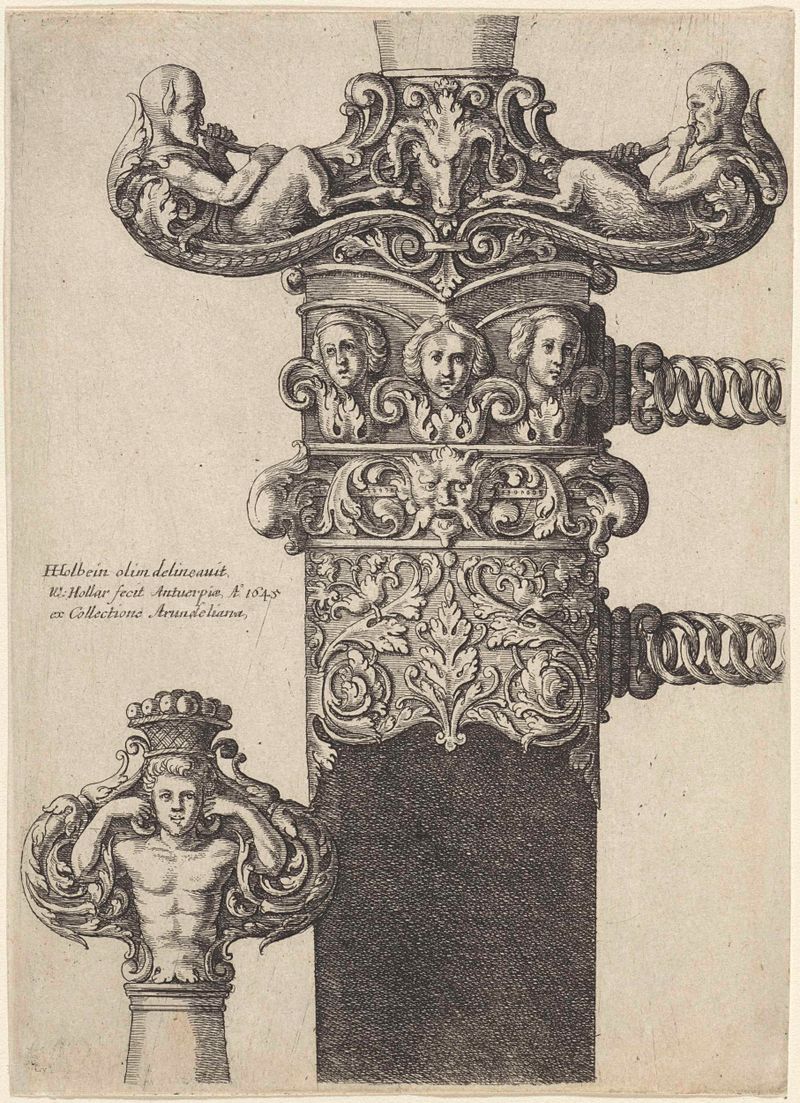
Ornamenteel ontwerp voor een dolk
Wenceslaus Hollar
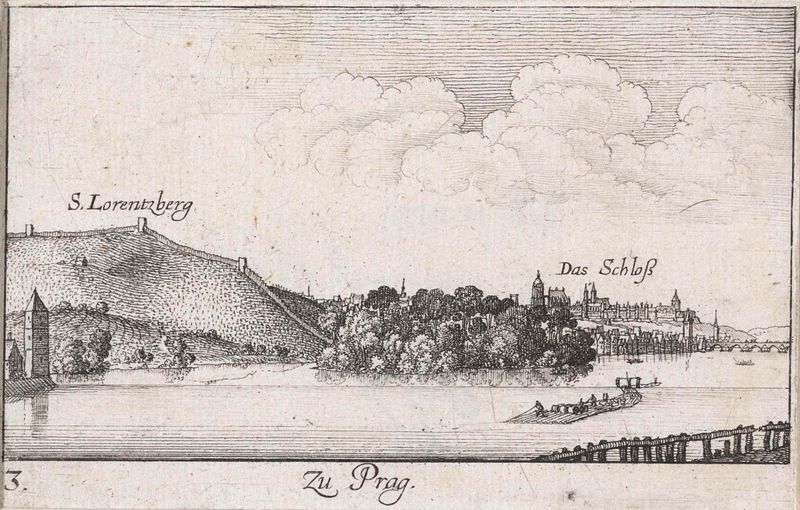
Gezicht op Praag vanaf de Moldau
Wenceslaus Hollar