Putti schieten kanon af: Het element Vuur — History & Facts
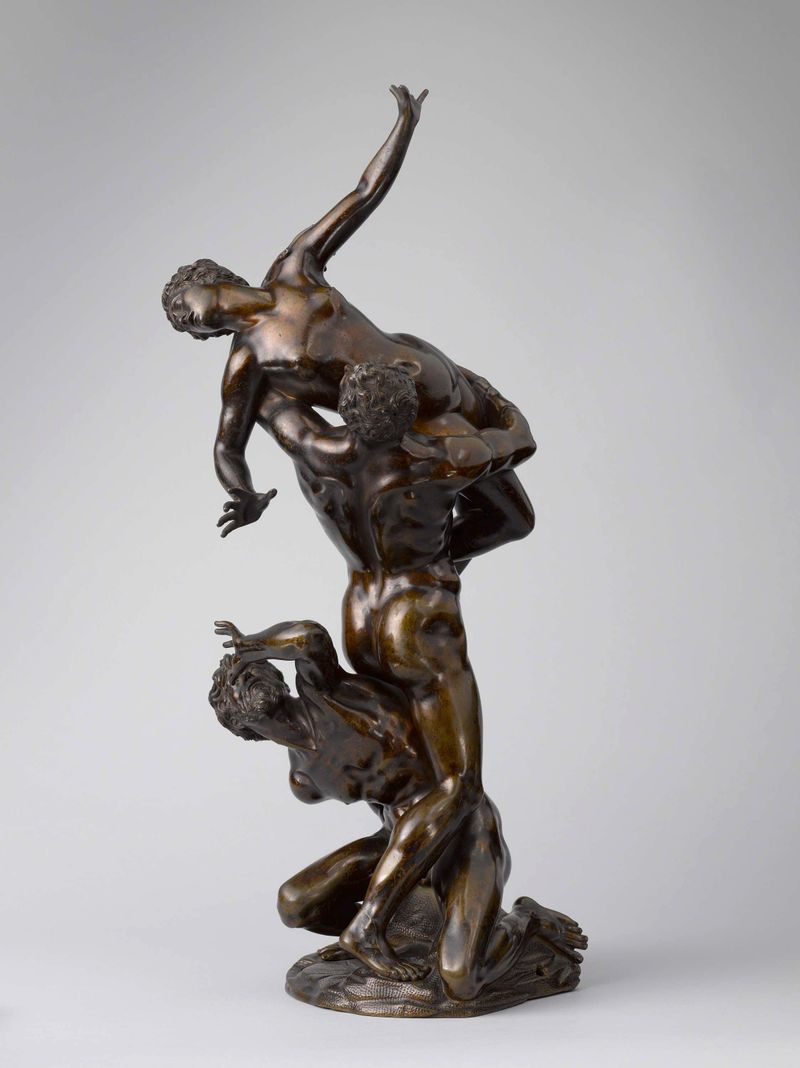
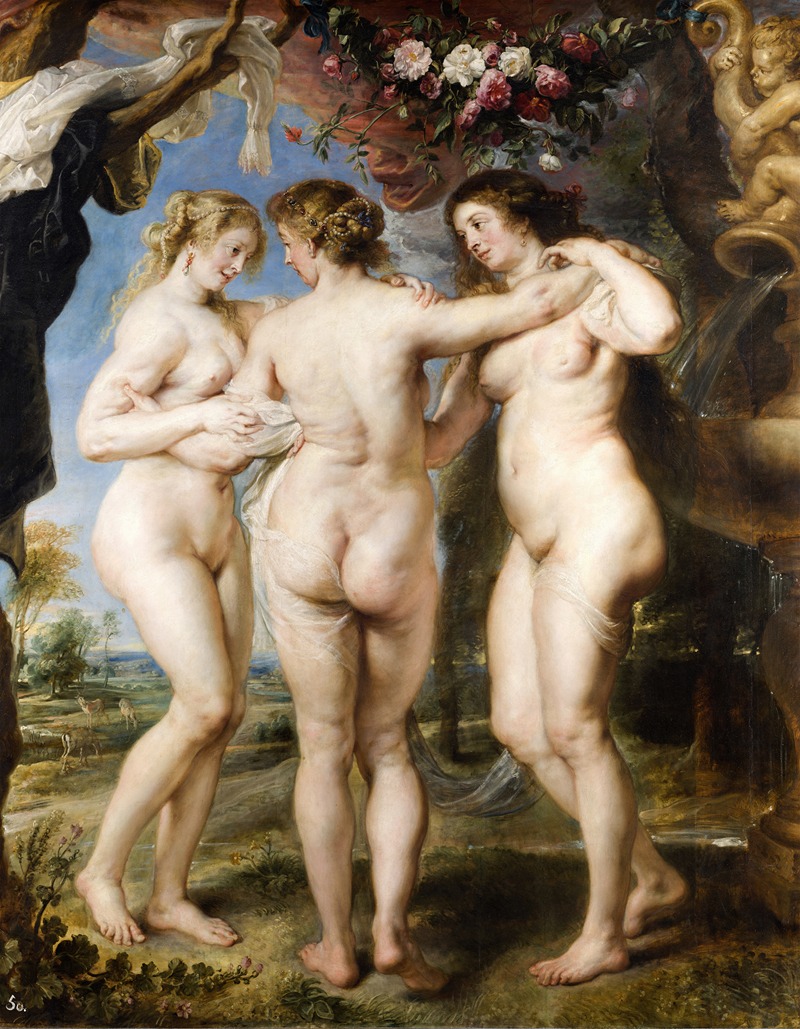
What if beauty was never meant to be finished? In Putti schieten kanon af: Het element Vuur, the fleeting essence of joy and nostalgia merges with the explosive force of creation. Look closely at the charming cherubs to the left, their playful faces illuminated by the fiery blast of the cannon they unleash. The vivid reds and oranges of the flames contrast sharply with the cool blues and greens surrounding them, creating a visual dance between chaos and serenity. Notice how the artist meticulously captures each delicate wing, the textures fluttering like a whisper against the backdrop, emphasizing innocence amidst impending destruction. The tension between playfulness and power is palpable, as the cherubs revel in their mischievous act.
The juxtaposition of their cherubic forms against the violent eruption of fire evokes a sense of bittersweet memory—innocent play disrupted by the harsh reality of consequence. Each detail, from the billowing smoke to the startled expressions, reflects the complex emotions tied to memory, highlighting how beauty can emerge even from chaos. Wenceslaus Hollar created this work during a period of significant artistic and social upheaval in Europe, particularly as the Thirty Years' War was concluding. Between 1647 and 1706, he navigated the shifting tides of styles, moving from precise engravings to more playful depictions.
His works often reflect the tension of his time, embodying both the optimism of renewal and the harshness of reality, making this piece a fascinating commentary on the duality of existence.
More Artworks by Wenceslaus Hollar
Browse all →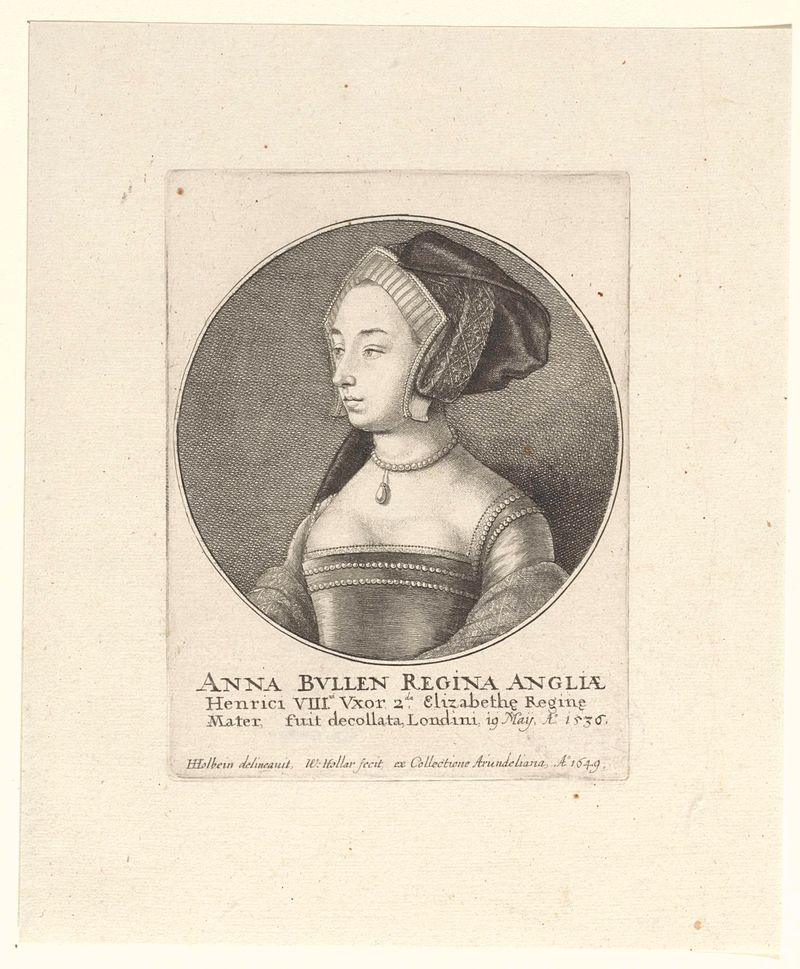
Portret van Anna Boleyn, koningin van Engeland
Wenceslaus Hollar
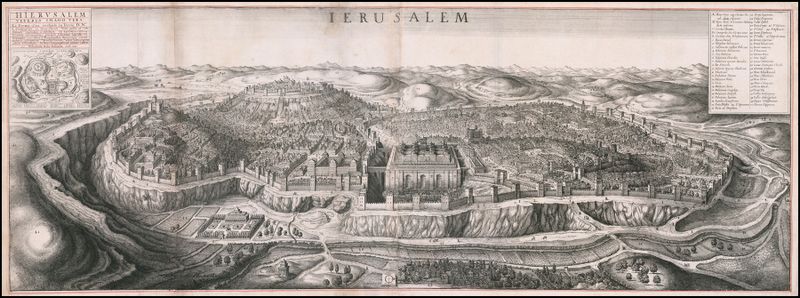
Bird’s eye view of Jerusalem
Wenceslaus Hollar
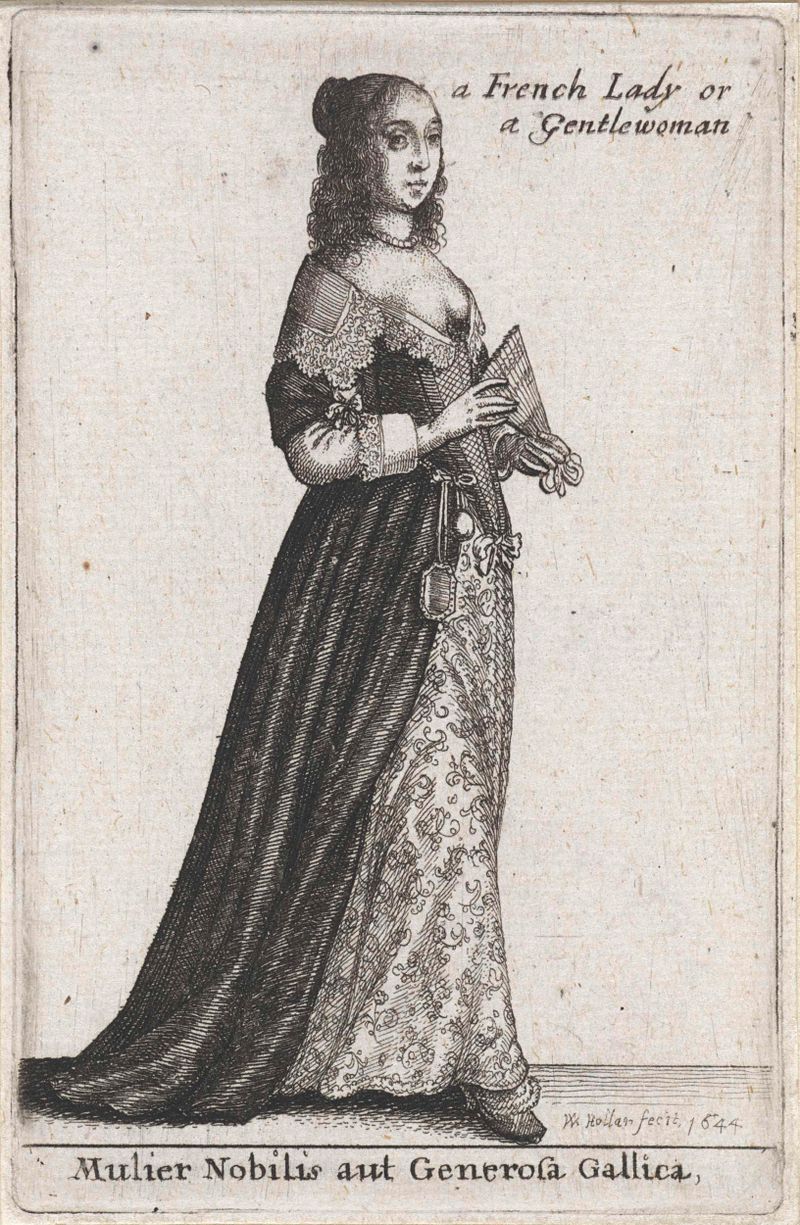
Mulier Nobilis aut Generosa Gallica / a French Lady or Gentlewoman
Wenceslaus Hollar
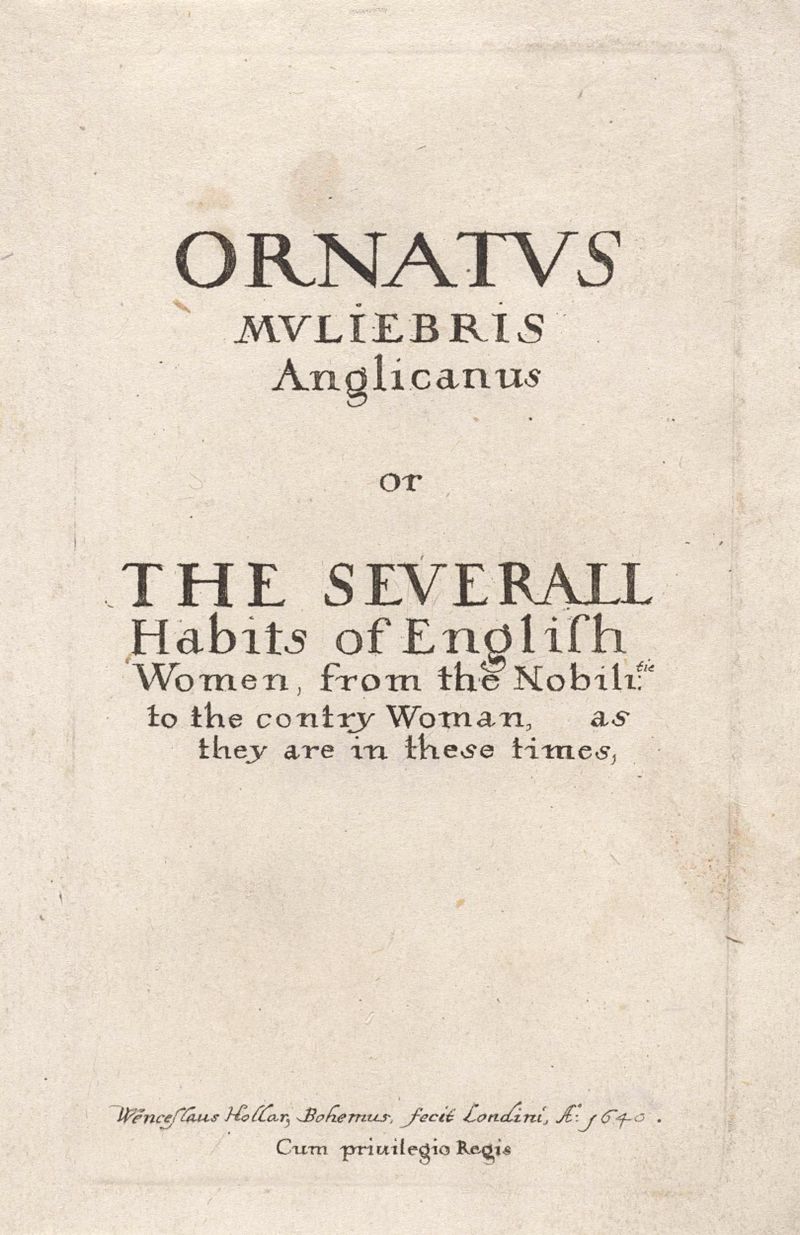
Titelprent voor: Ornatus Muliebris Anglicanus
Wenceslaus Hollar
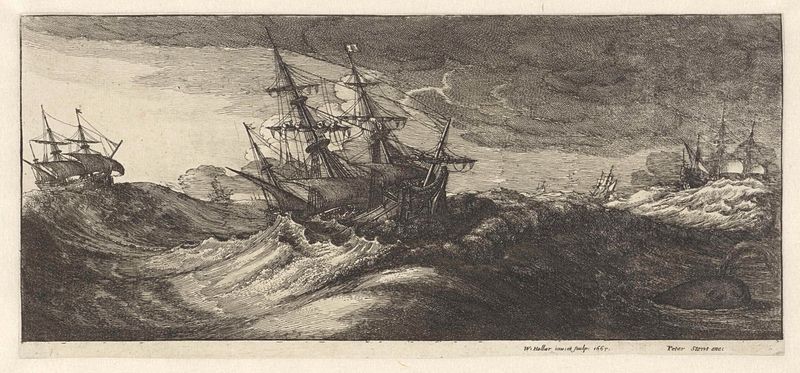
Oorlogsschepen en een walvis in een zeestorm
Wenceslaus Hollar
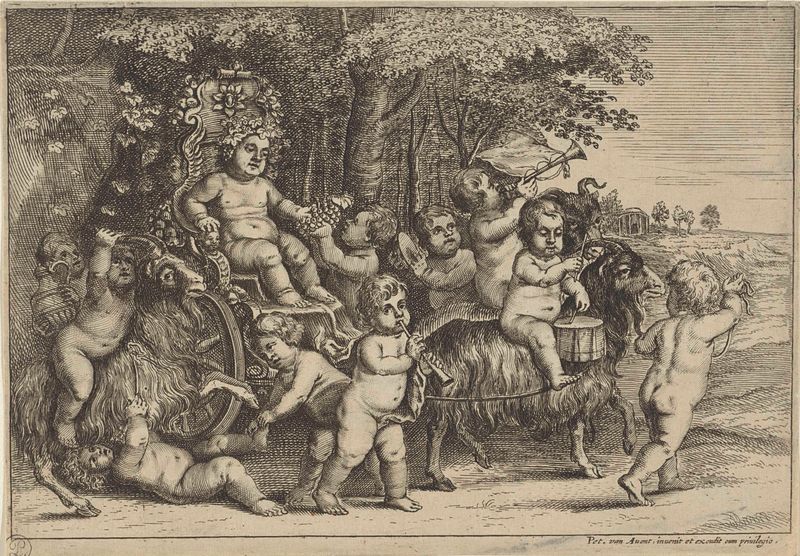
Optocht van bacchant en jongetjes op geiten
Wenceslaus Hollar
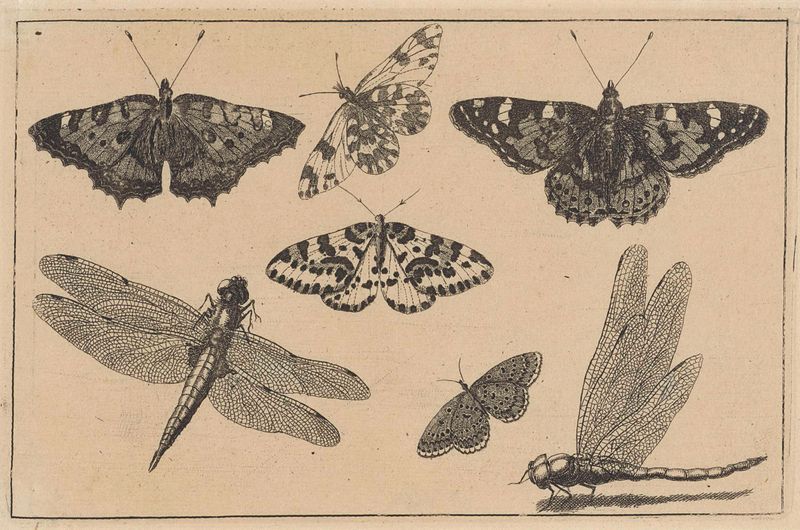
Twee libellen en vijf vlinders
Wenceslaus Hollar
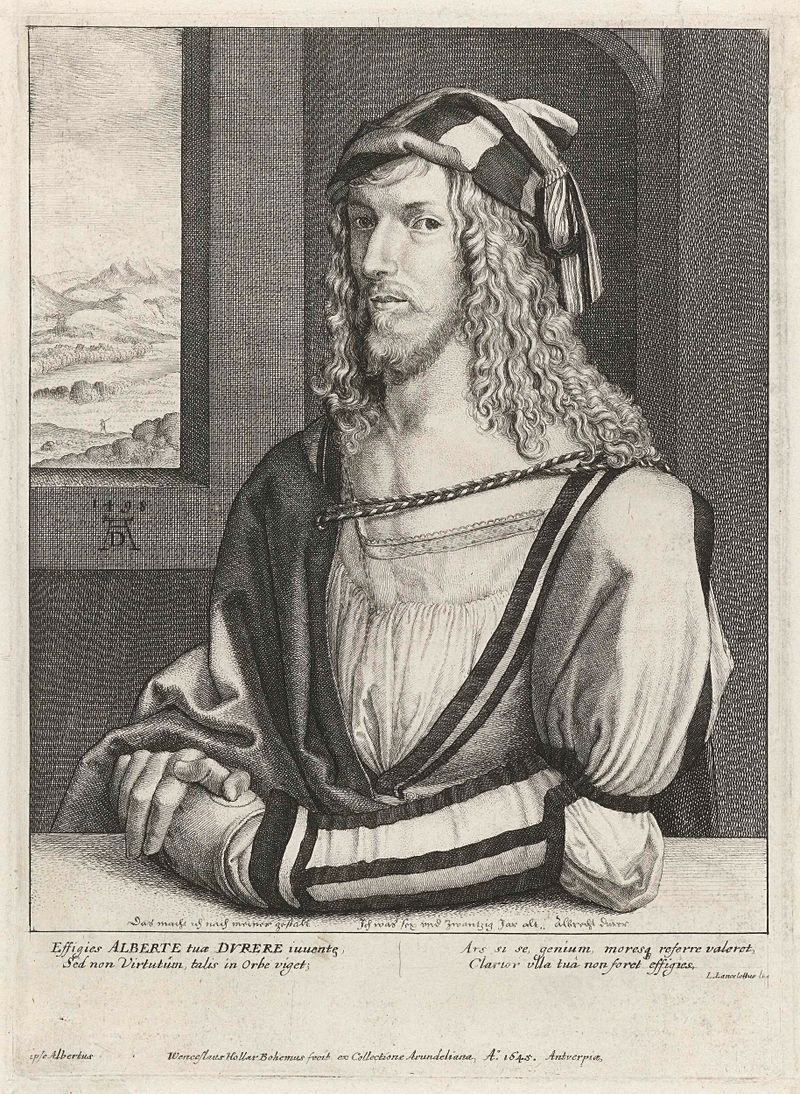
Portret van Albrecht Dürer
Wenceslaus Hollar
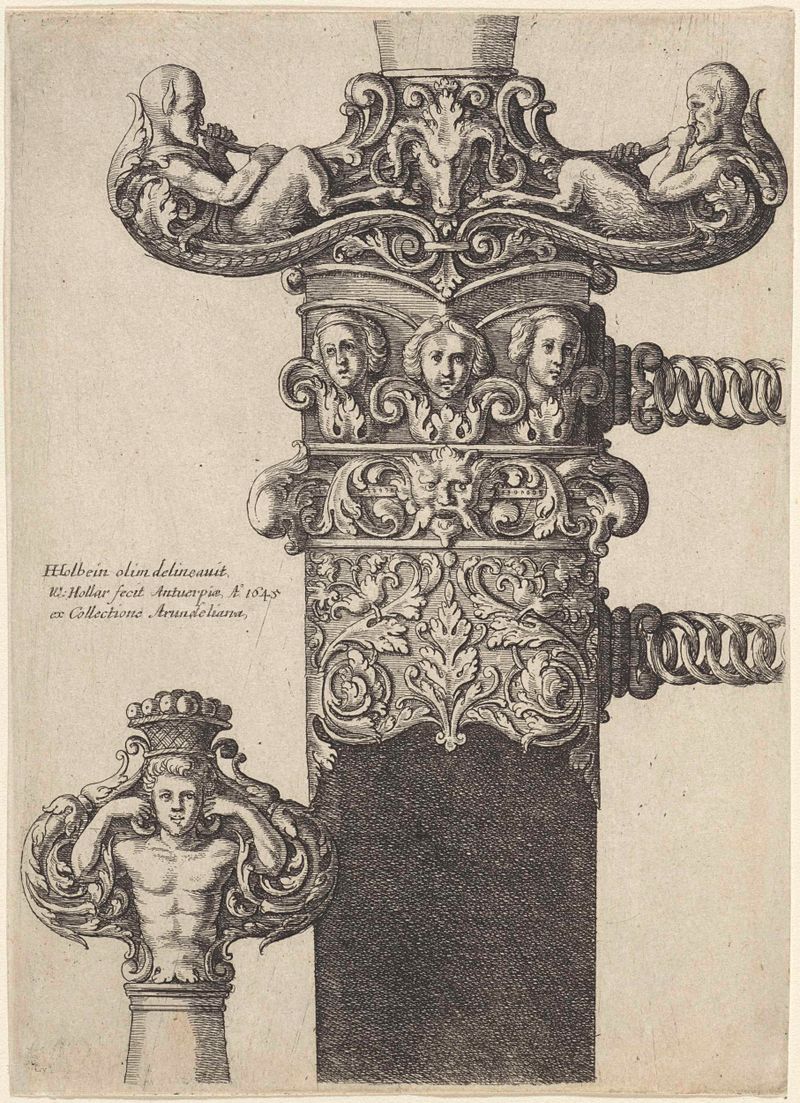
Ornamenteel ontwerp voor een dolk
Wenceslaus Hollar
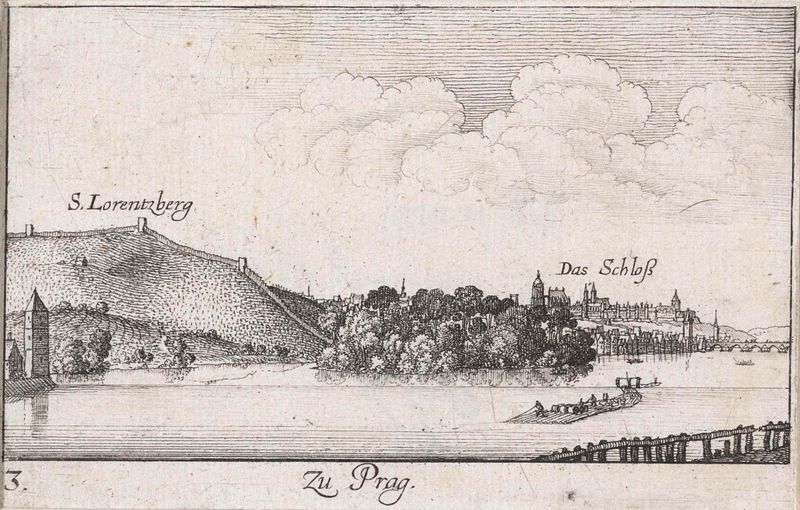
Gezicht op Praag vanaf de Moldau
Wenceslaus Hollar