Putto op dolfijn — History & Facts
Is this a mirror — or a memory? The delicate interplay of reality and illusion unfolds in an artwork that beckons viewers to question what they perceive. In a world where the fantastical mingles with the mundane, the boundaries of imagination and truth blur, creating a captivating exploration of human experience. Focus on the cherubic figure at the center, its features bathed in a soft, almost ethereal light, drawing your attention immediately. Notice how the gentle curvature of the dolfijn conveys both grace and buoyancy, while the intricate detailing of the water ripples below enhances the sense of movement.
The muted palette, with its soothing blues and delicate skin tones, evokes a serene atmosphere, yet also invites curiosity about the nature of the scene. Each brushstroke whispers secrets of longing and nostalgia. Delve deeper into the symbolism woven throughout the composition. The putto, often representing innocence and purity, juxtaposes the fluidity of the dolphin, a creature associated with joy and freedom.
This contrast invites reflection on the complexities of childhood—where expectations and dreams often collide with reality. The water, a mirror reflecting both the figure and the unseen depths of memory, evokes the ephemeral nature of joy, suggesting that what we hold dear can be both tangible and elusive. Jacob Binck created this remarkable work during a vibrant period in the art world, between 1510 and 1569, likely in Antwerp. Known for his detailed engravings and paintings, Binck was part of the Northern Renaissance, a time marked by rich symbolism and a fascination with the natural world.
Amidst the ebb and flow of artistic innovation, he sought to capture the delicate balance between reality and the imagined, leaving a lasting impression that resonates through the ages.
More Artworks by Jacob Binck
Browse all →
Portret van Christiaan II, koning van Denemarken
Jacob Binck

Christus en de Samaritaanse vrouw
Jacob Binck
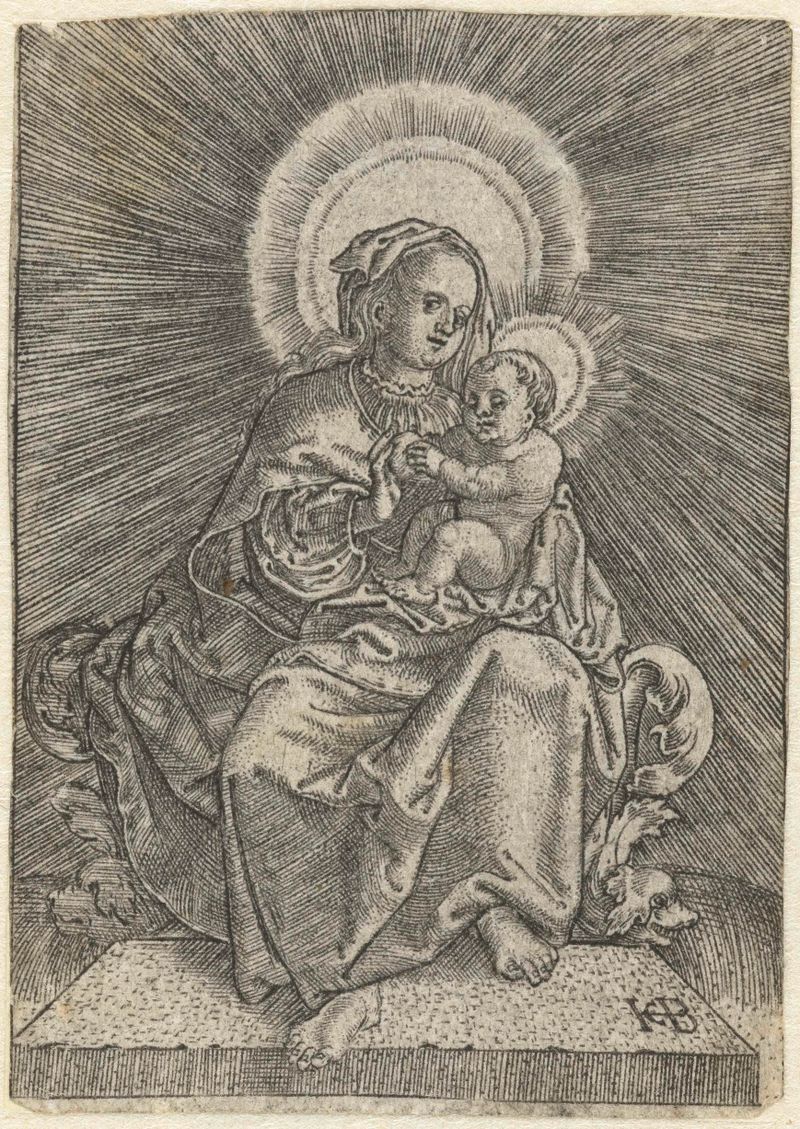
Tronende Maria met kind en appel in stralenkrans
Jacob Binck

Christus op de koude steen
Jacob Binck

Ornament met twee putti op dolfijnen onder een vaas
Jacob Binck
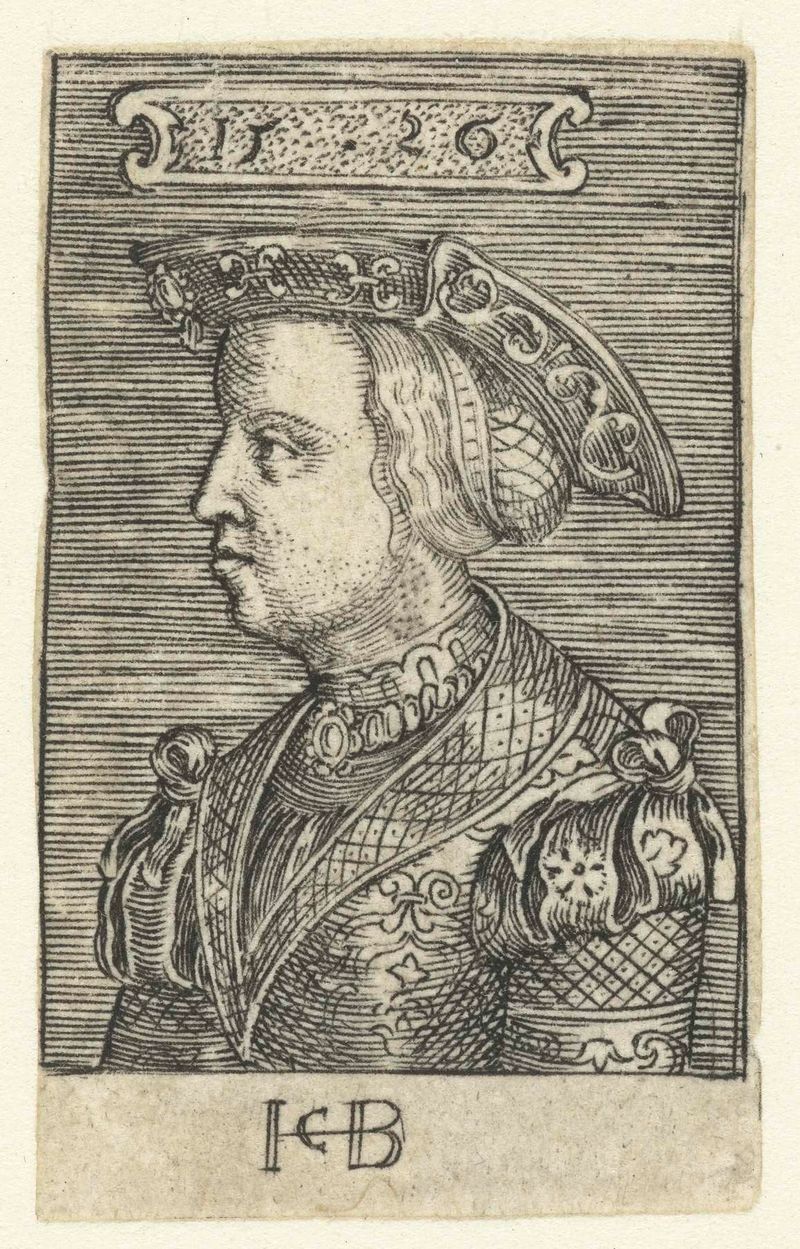
Portret van Claudia van Valois, echtgenote van Frans I
Jacob Binck

Ceres met kroon van korenaren, sikkel, brandende toorts en tweekoppige slang
Jacob Binck
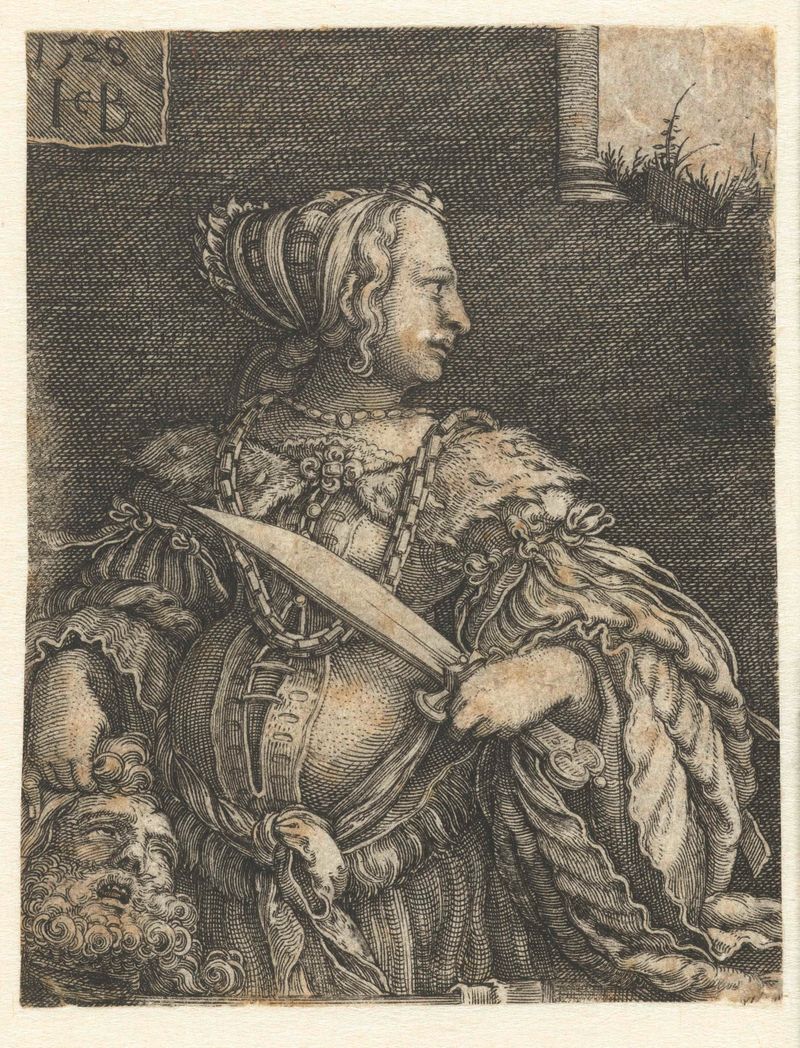
Judith met het hoofd van Holofernes
Jacob Binck
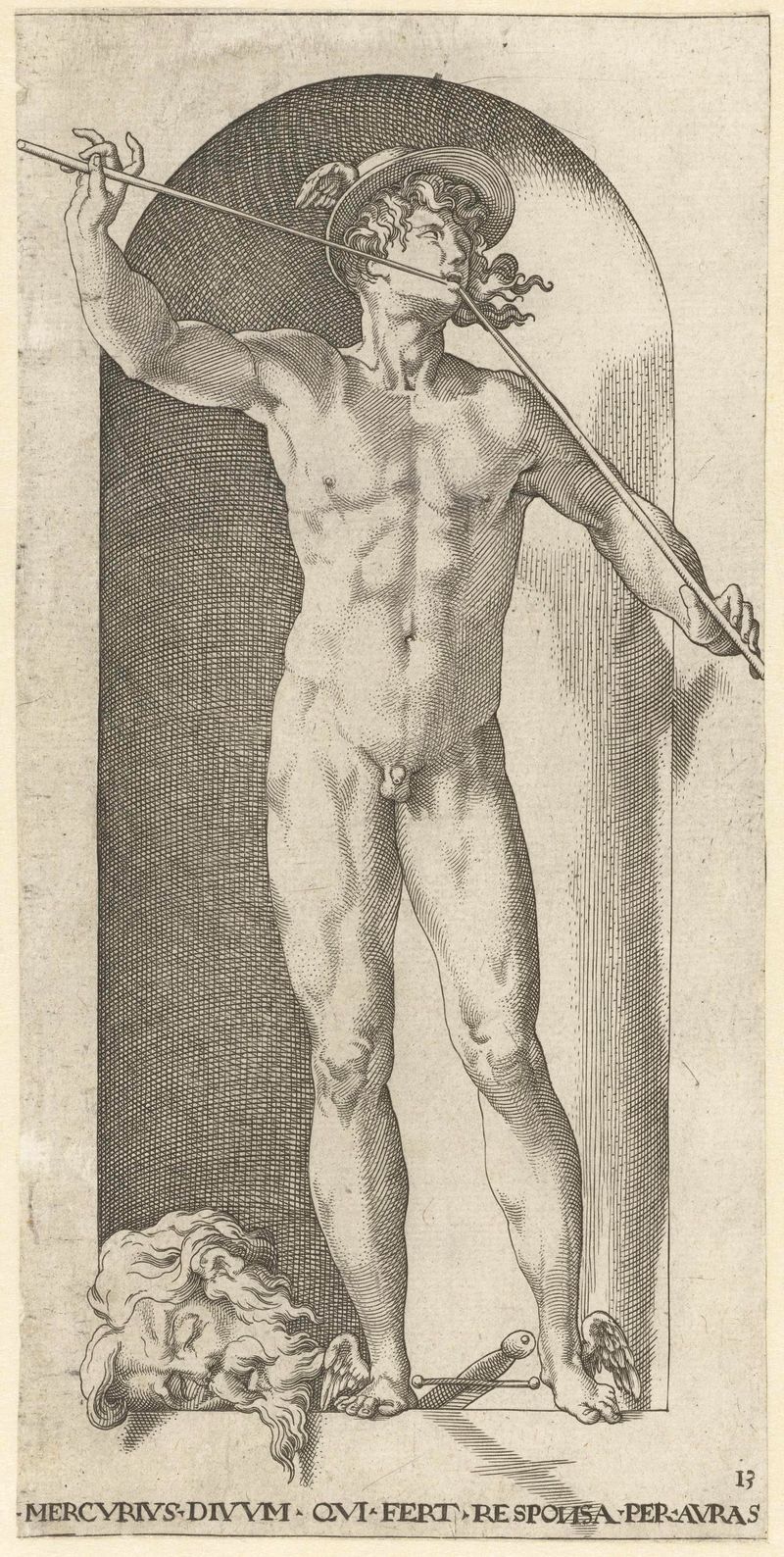
Mercurius met het hoofd van Argus
Jacob Binck

Minerva (Pallas Athena) met Medusahoofd op schild
Jacob Binck