
Quayside at Algeciras, Spain — History & Facts
When did color learn to lie? In Quayside at Algeciras, Spain, vibrant hues mask an intricate reality, leaving viewers to ponder the transformations beneath the surface. Look to the foreground, where a cluster of figures engages in animated conversation, their silhouettes softened by the warm embrace of sunset. Notice how the ochres and blues blend harmoniously, creating an iridescent effect on the water, as if the sea itself is alive with secrets. The brushwork is fluid and expressive, leading our eyes to dance from the animated crowd to the serene backdrop of the distant mountains, where the sun sinks like a dream on the horizon. Deeper insights emerge in the juxtaposition of the lively figures against the tranquil water, evoking a sense of fleeting moments against the backdrop of eternity.
The transformation of the scene is palpable—what begins as a lively gathering soon reveals an undercurrent of isolation, a reminder of the transitory nature of joy. Hidden figures in the shadows reflect the stories of the unseen, urging us to question what lies beyond the visible. Charles Conder painted this piece in 1905 while residing in Australia, influenced by both European and Australian landscapes. During this period, he sought to blend Impressionist techniques with his unique vision, marking a significant evolution in his artistic journey.
The world was shifting, with modernism on the rise, and Conder was at the forefront, navigating the complexities of change both in life and art.
More Artworks by Charles Conder
Browse all →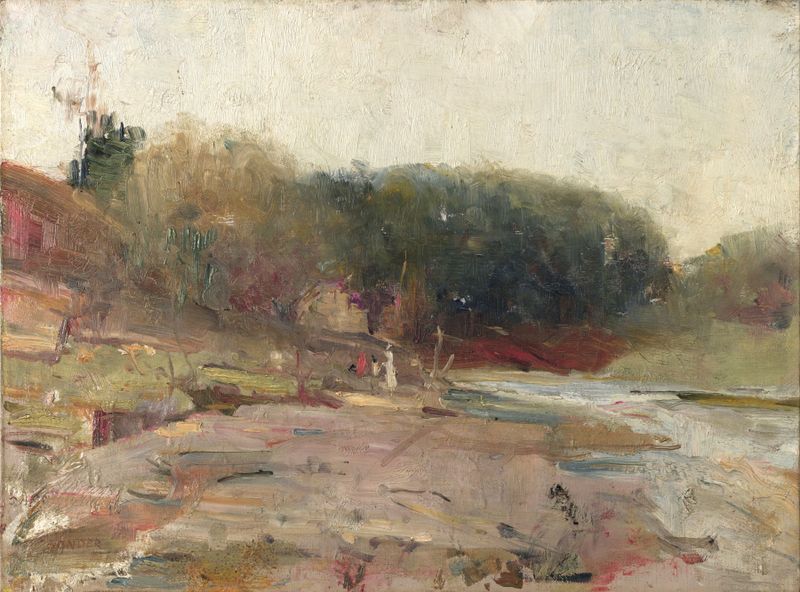
On the River Yarra, near Heidelberg, Victoria
Charles Conder
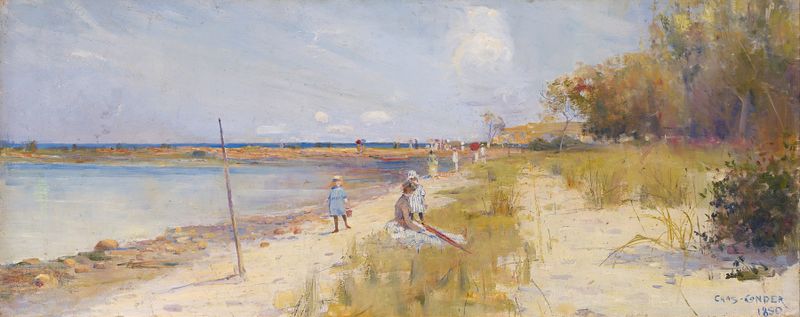
Rickett’s Point
Charles Conder

Sunset, Sydney Harbour
Charles Conder

Australian landscape
Charles Conder

Riddell’s Creek
Charles Conder
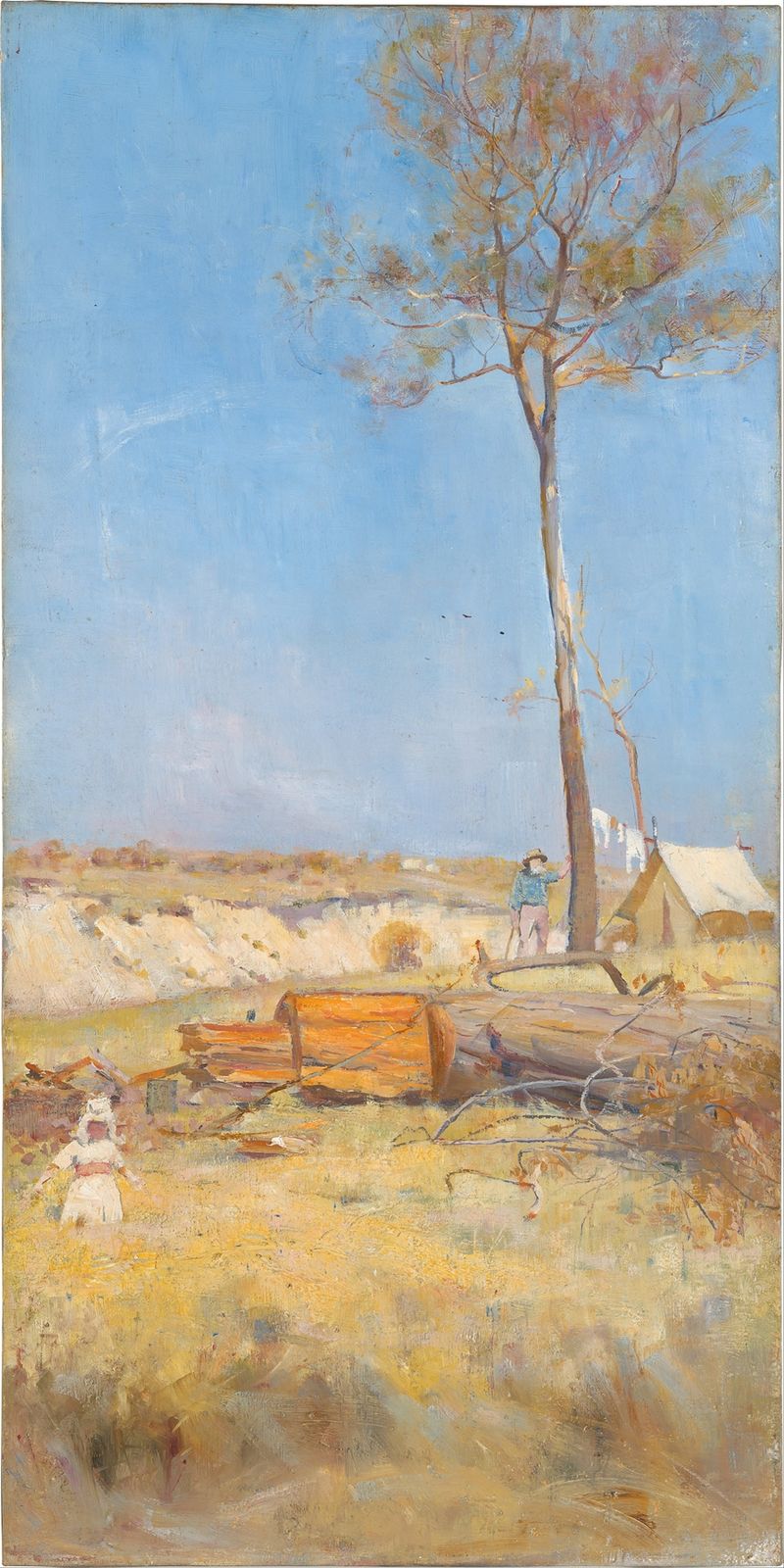
Under a southern sun
Charles Conder
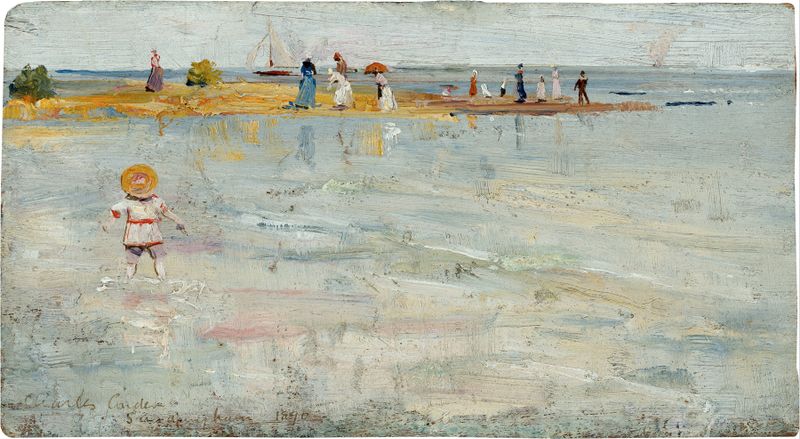
Ricketts Point, Beaumaris
Charles Conder

Going home
Charles Conder
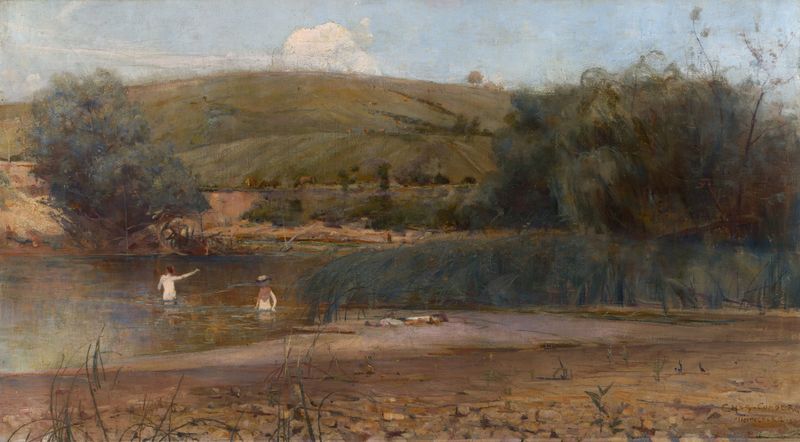
The Yarra, Heidelberg
Charles Conder
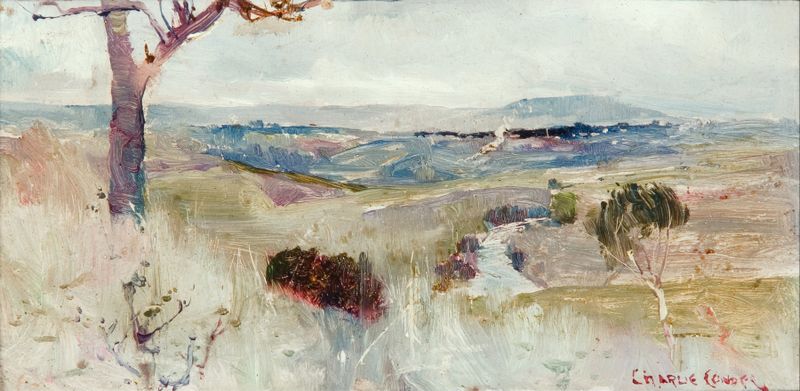
Dandenongs from Heidelberg
Charles Conder





