
Queen of Joy — History & Facts
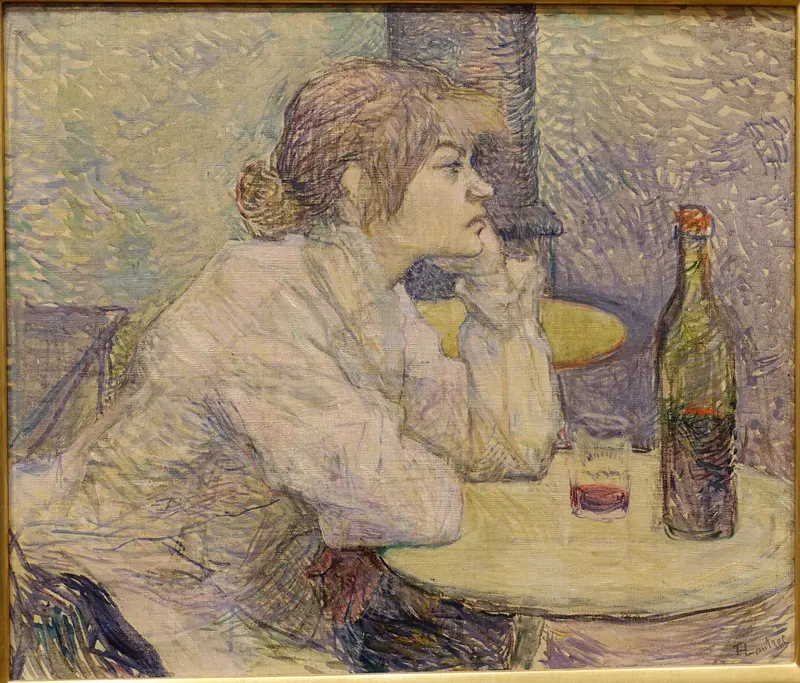
In Queen of Joy, the viewer is greeted by a vibrant palette dominated by yellows and reds. The central figure, likely a dancer or performer, radiates happiness and energy. Surrounded by a lively atmosphere, the background hints at a bustling Parisian scene.
The use of bold brushstrokes adds to the dynamic feel of the painting. This artwork is characterized by its loose brushwork and vivid colors typical of Post-Impressionism. The figure is depicted in a moment of joy, with flowing garments that suggest movement. The composition draws the eye to the subject, emphasizing their expression and the surrounding energy.
The painting likely employs oil on canvas, a common medium for Toulouse-Lautrec. Henri de Toulouse-Lautrec was known for his depictions of Parisian nightlife, and Queen of Joy exemplifies this theme. Created during the late 19th century, this work reflects the vibrant culture of cabarets and theaters. An interesting fact about this painting is that it captures the essence of joy in a time when Toulouse-Lautrec himself faced personal struggles.
His unique style continues to influence artists today.
More Artworks by Henri de Toulouse-Lautrec
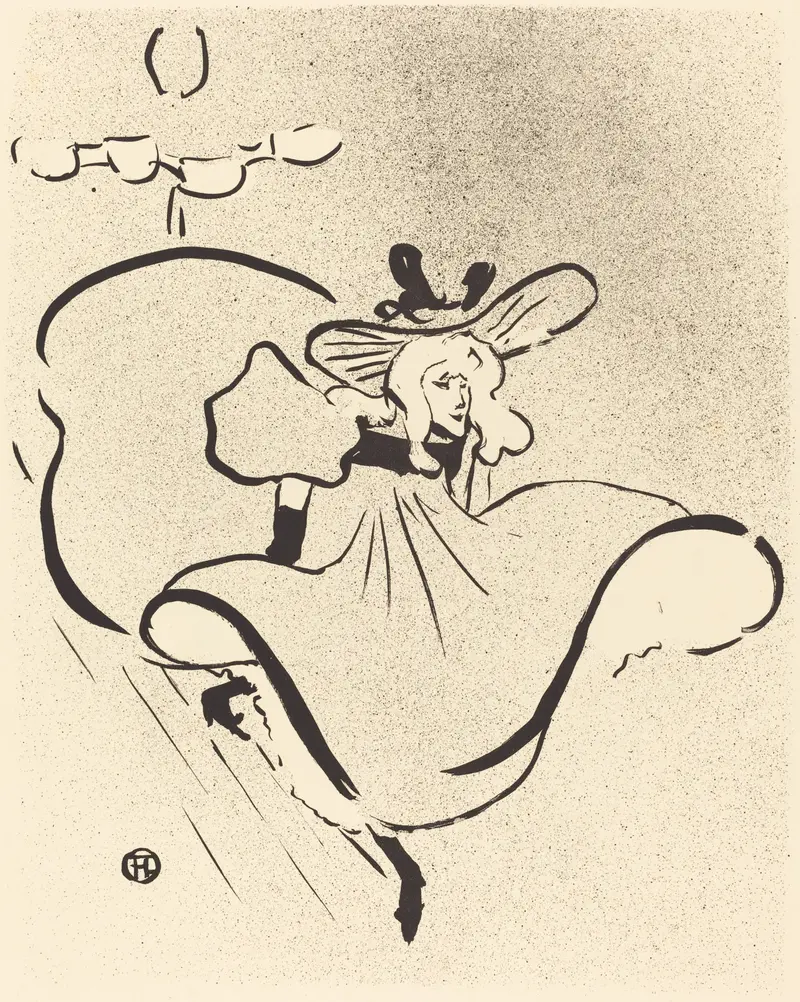
Jane Avril
Henri de Toulouse-Lautrec
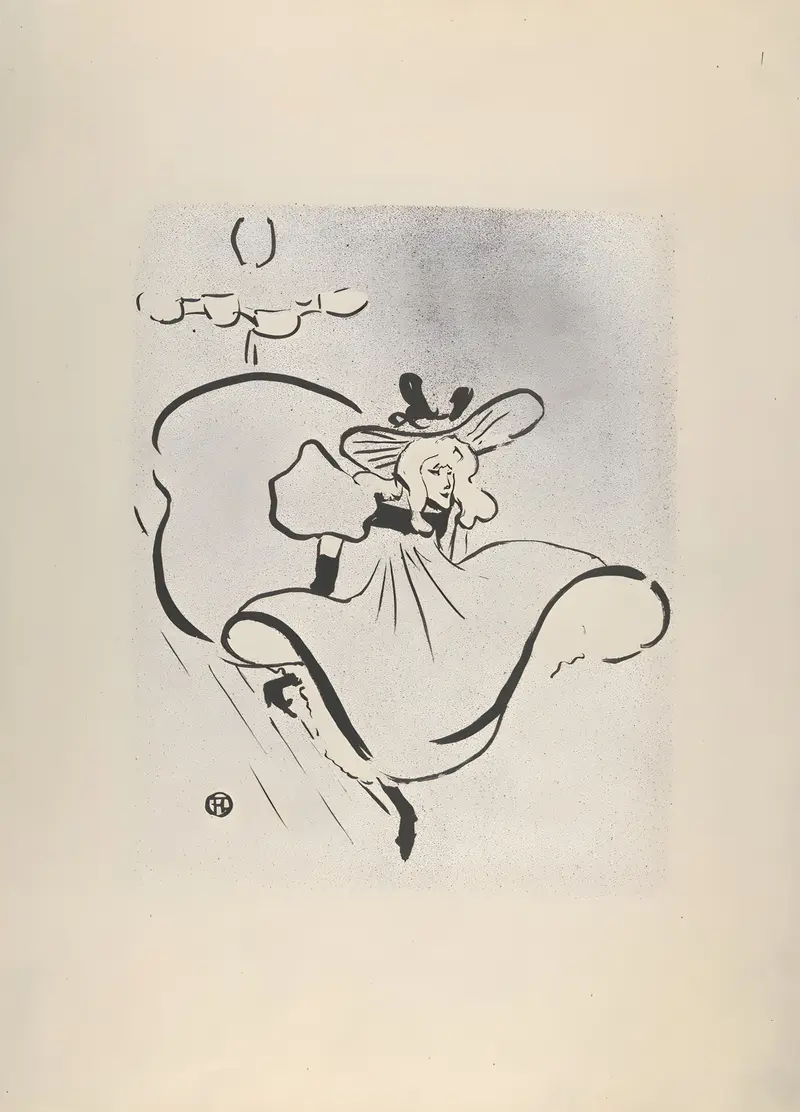
Jane Avril.
Henri de Toulouse-Lautrec

Quadrille at the Moulin Rouge
Henri de Toulouse-Lautrec
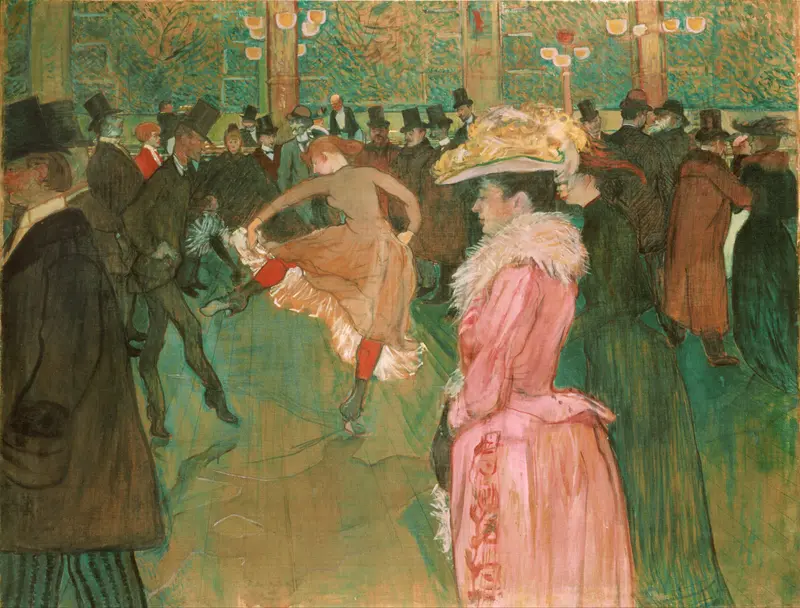
At the Moulin Rouge- The Dance
Henri de Toulouse-Lautrec
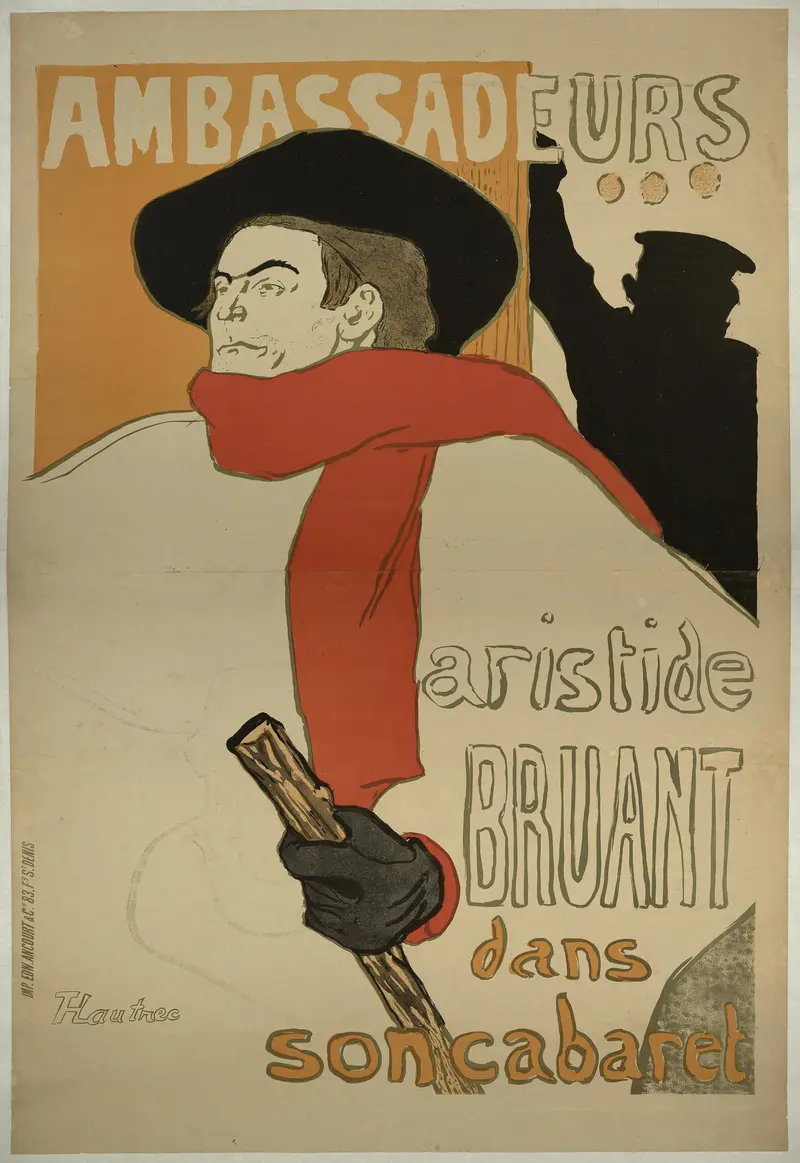
Ambassadeurs. Aristide Bruant dans son cabaret
Henri de Toulouse-Lautrec
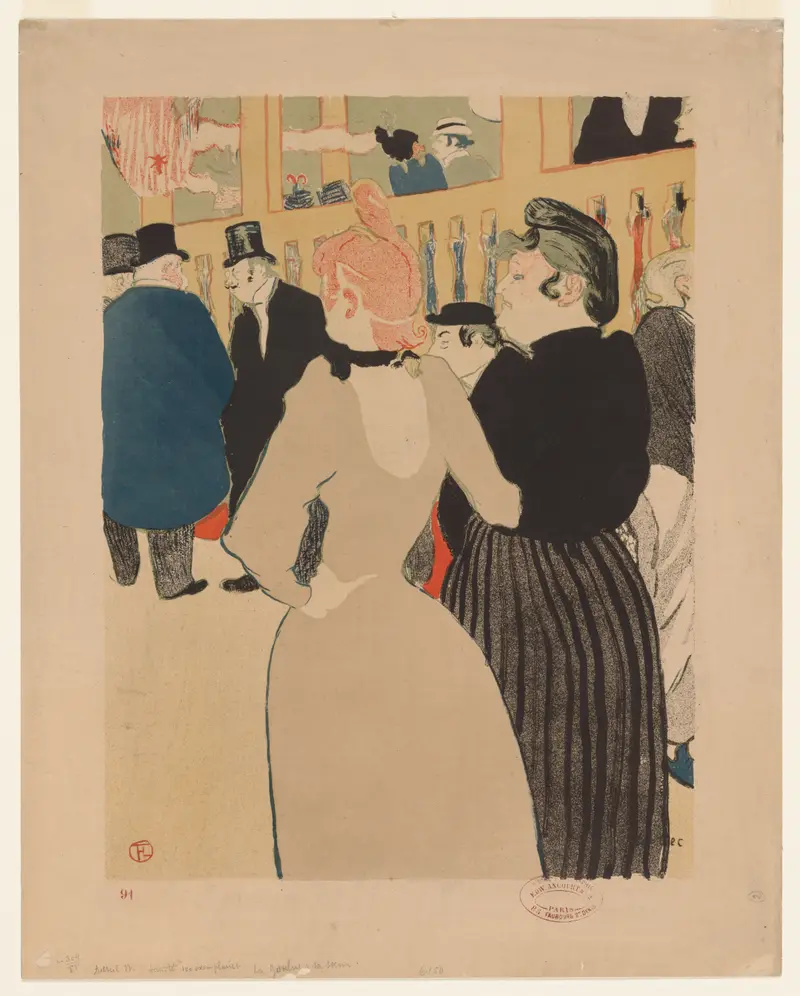
At the Moulin Rouge; La Goulue and Her Sister
Henri de Toulouse-Lautrec
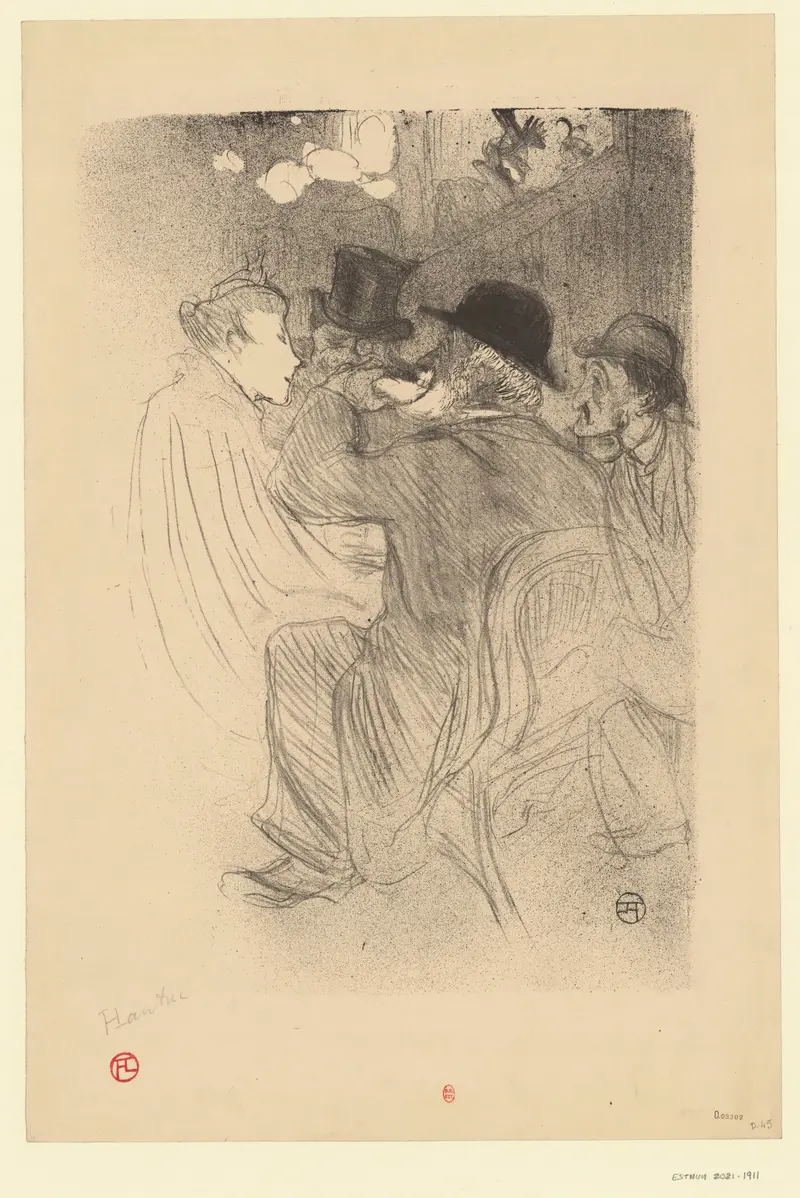
Au Moulin Rouge;Un Rude! Un Vrai Rude!
Henri de Toulouse-Lautrec
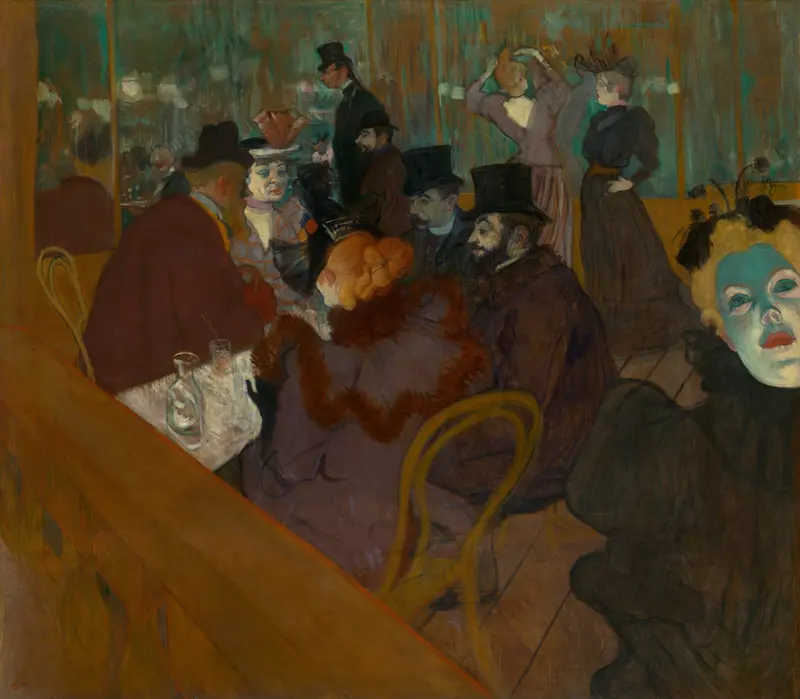
At the Moulin Rouge
Henri de Toulouse-Lautrec
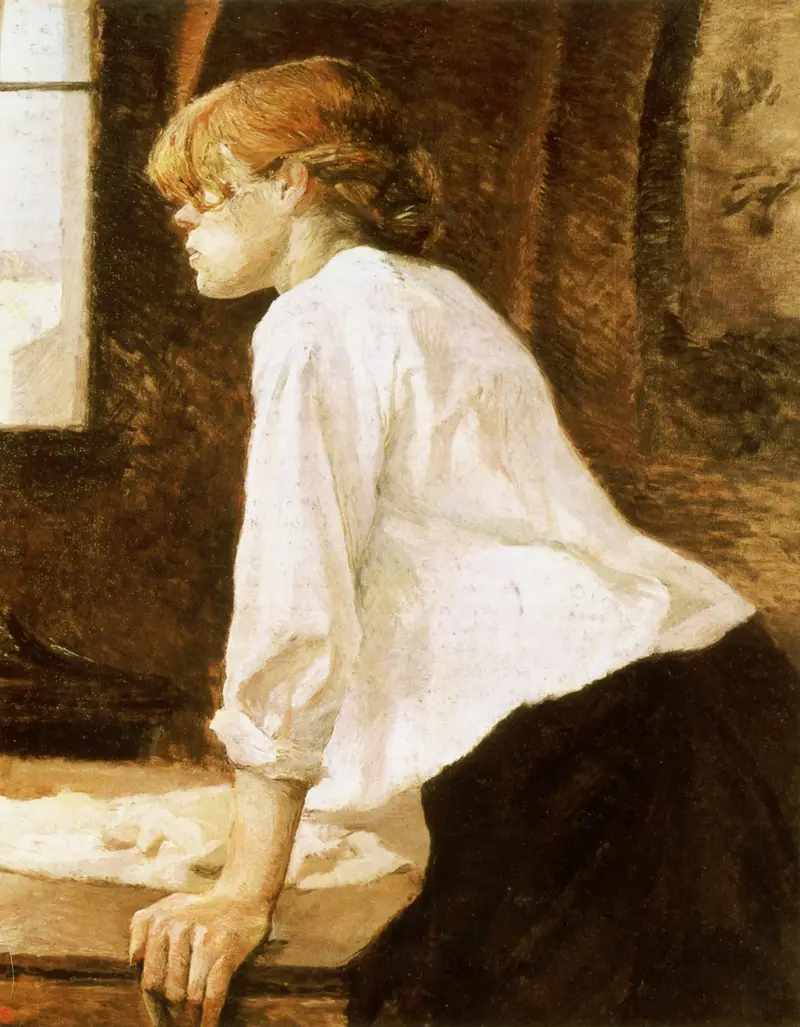
La Blanchisseuse
Henri de Toulouse-Lautrec
The Hangover (Suzanne Valadon)
Henri de Toulouse-Lautrec





