
Rainbow — History & Facts
This paradox dances through the heart as we witness a vibrant spectacle unfolding across the canvas. Color swirls, intertwining joy and sorrow, beckoning us to delve deeper into the emotional landscape crafted by the artist. Look to the left at the explosion of colors—the bold, saturated reds and oranges meld with softer pastels, creating a striking contrast that captures the eye. Notice how the brushstrokes seem to pulse with energy, each one a deliberate mark of passion and urgency.
The radiating lines invoke a sense of movement, drawing us toward the luminous center where the brightest yellows and greens converge. This interplay of colors is not random; it speaks to the ecstatic highs and deep lows that define the human experience, encapsulating the essence of life itself. Beneath the surface lies an intricate web of emotional tension. The juxtaposition of vibrant hues against darker undertones suggests a struggle between elation and despair, inviting us to reflect on our personal experiences of ecstasy.
Hidden within the chaos are glimpses of lost moments, fragmented joys, and the bittersweet nature of beauty. Each color is a fragment of a larger narrative, urging us to embrace both the light and the shadows that coexist in our lives. The artist, creating during an undefined yet poignant period, captured this essence with a fervor reflective of the evolving art scene of the time. Though the exact date remains a mystery, Vogels worked at a time when artists sought to express the emotional depth of human experience, utilizing color and form to evoke visceral reactions.
In Rainbow, he synthesized these currents into a singular, radiant vision, urging viewers to confront their own complexities.
More Artworks by Guillaume Vogels
Browse all →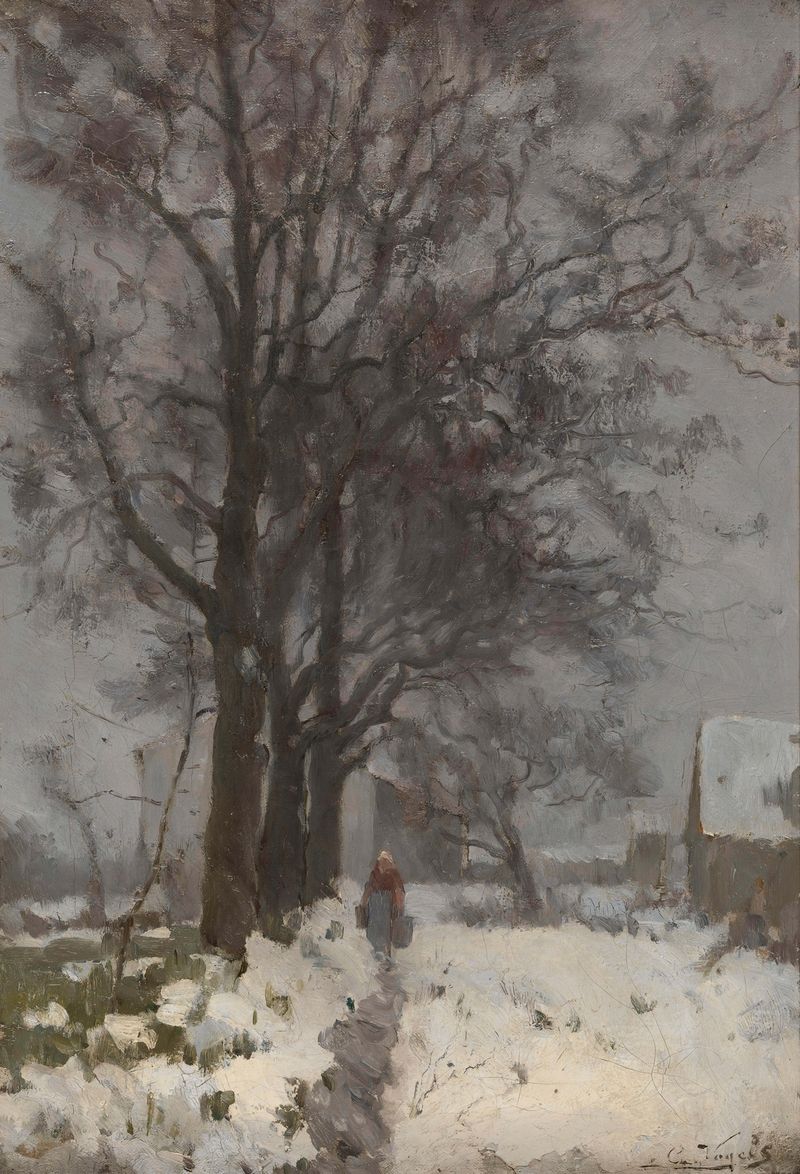
Snow-Covered Landscape
Guillaume Vogels

Twilight
Guillaume Vogels
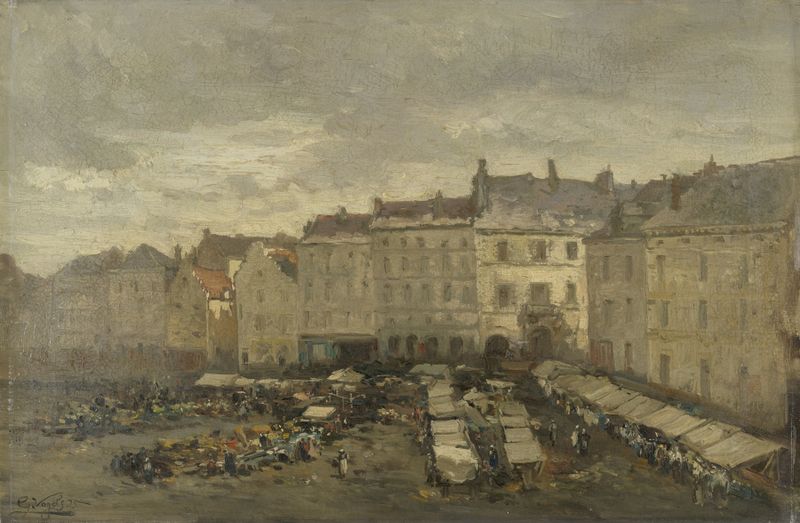
The Grote Zavel (Grand Sablon), Brussels
Guillaume Vogels

A View of Temse
Guillaume Vogels
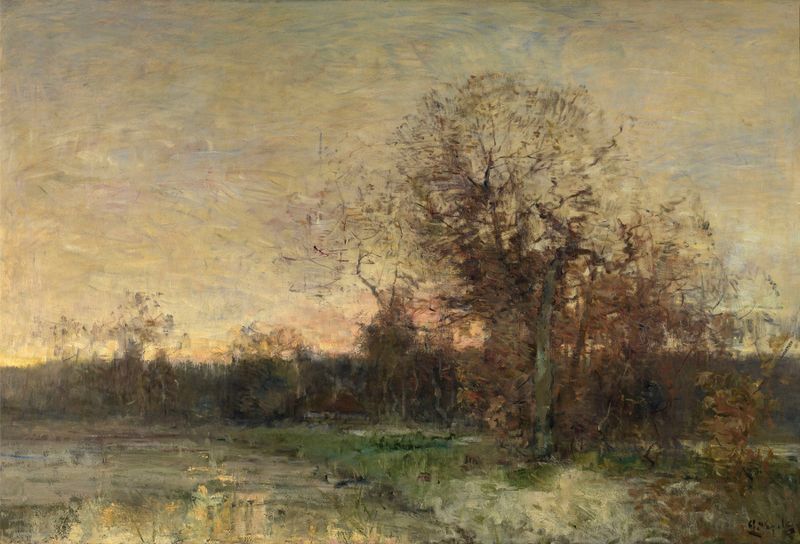
The Pond in Ixelles
Guillaume Vogels
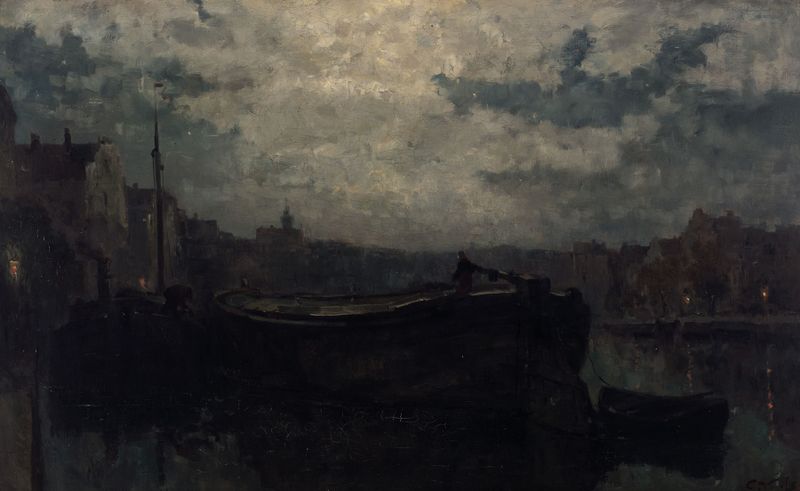
Dutch Canal at Night A
Guillaume Vogels

Wapenplein in Ostend
Guillaume Vogels

Beach View
Guillaume Vogels
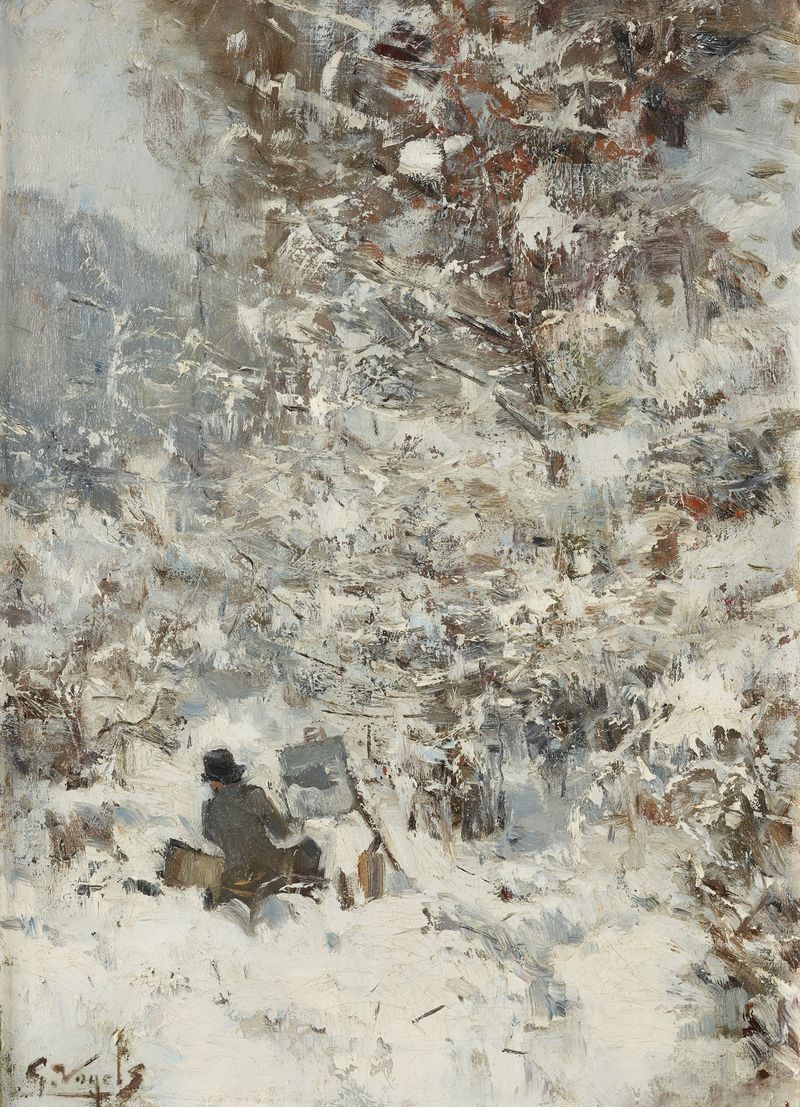
Pantazis in de sneeuw
Guillaume Vogels
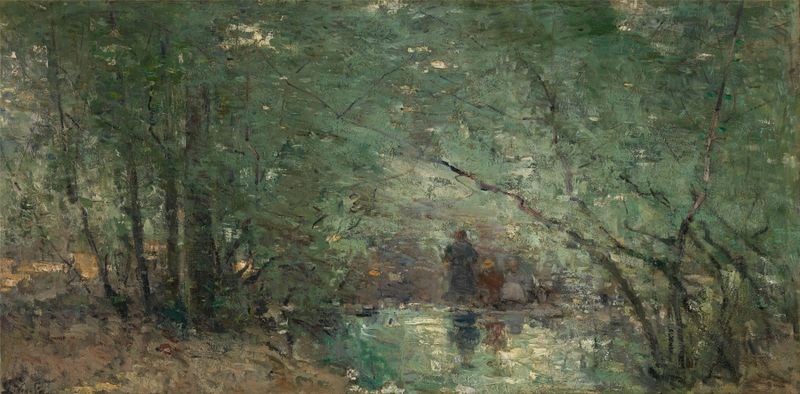
Marsh in the Sunlight
Guillaume Vogels





