
Ram with Tied Feet — History & Facts
In 1631, Francisco de Zurbarán painted Ram with Tied Feet at the height of his career in Seville, a city then flush with wealth from the Americas and hungry for religious art. What makes this work remarkable is its startling simplicity: a single, life-sized ram, isolated against a dark background, its feet bound together. Unlike most animal paintings of the era, this ram is not a mere study of nature or a pastoral scene, but a deeply symbolic image, and one of the earliest known Spanish paintings to treat an animal as a subject worthy of such monumental attention. The moment Zurbarán chose is one of stillness and resignation.
The ram stands quietly, its head turned slightly toward the viewer, eyes gentle and uncomplaining. The rope binding its legs is rendered with almost tactile precision, a clear allusion to the sacrificial lamb of Christian iconography—Christ as the Agnus Dei. The stark light falling across the animal’s fleece recalls the tenebrism of Caravaggio, yet Zurbarán’s approach is quieter, more meditative.
Unlike the dramatic violence of Caravaggio’s Sacrifice of Isaac, here the drama is internal: a meditation on innocence, sacrifice, and acceptance. The early history of Ram with Tied Feet is not well documented, but it is believed to have been painted for a private patron, possibly for devotional use in a chapel or monastery. The painting’s striking focus and restrained palette became hallmarks of Zurbarán’s mature style, influencing later Spanish still life and religious painting. Today, the work is held in the Museo del Prado, where it stands as a testament to Zurbarán’s unique ability to infuse humble subjects with gravity and spiritual resonance.
Its quiet power continues to invite reflection, centuries after it first left the artist’s studio.
More Artworks by Francisco de Zurbarán
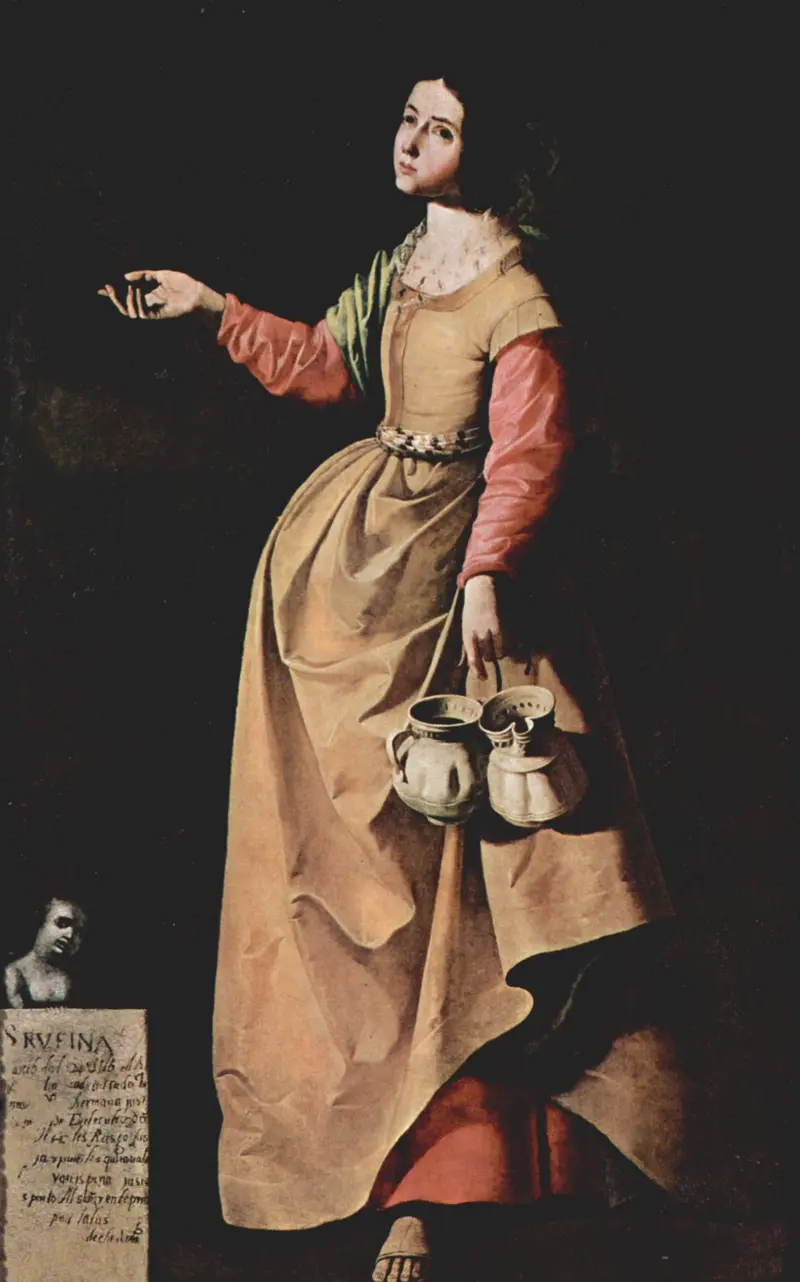
Saint Rufina
Francisco de Zurbarán
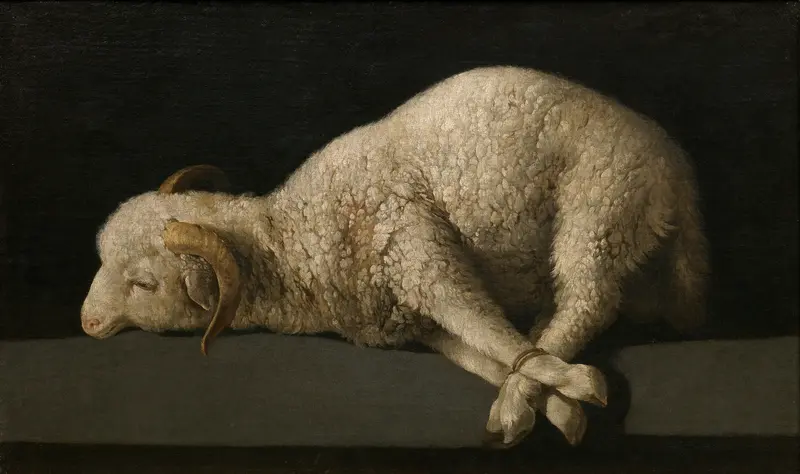
Agnus Dei
Francisco de Zurbarán
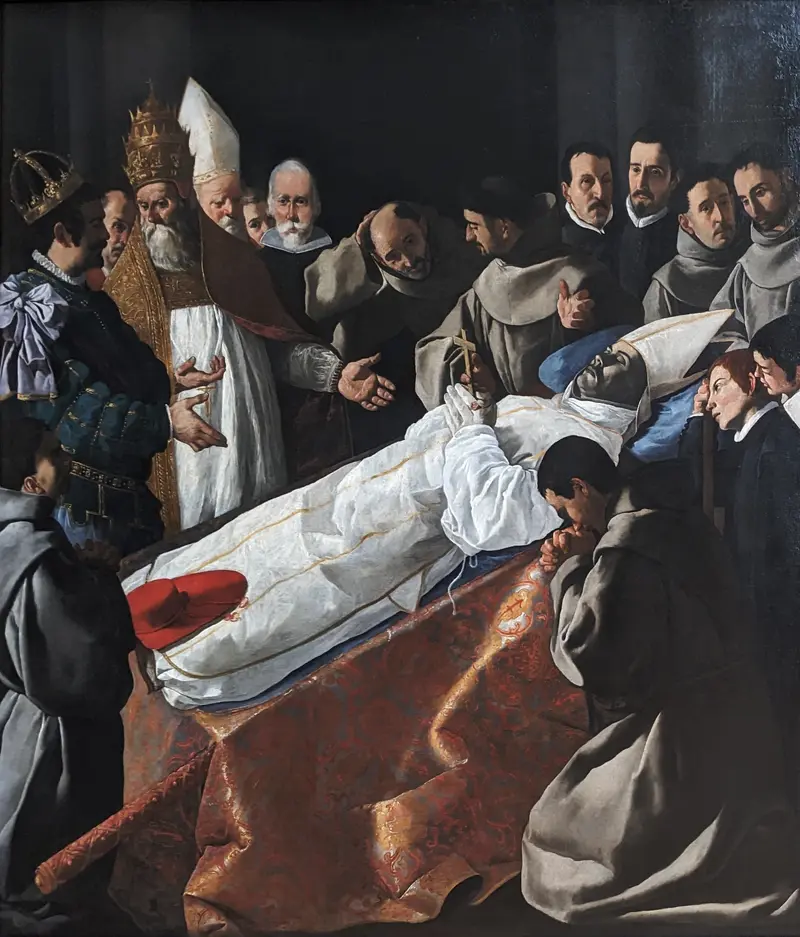
Saint Bonaventure's Body Lying in State
Francisco de Zurbarán
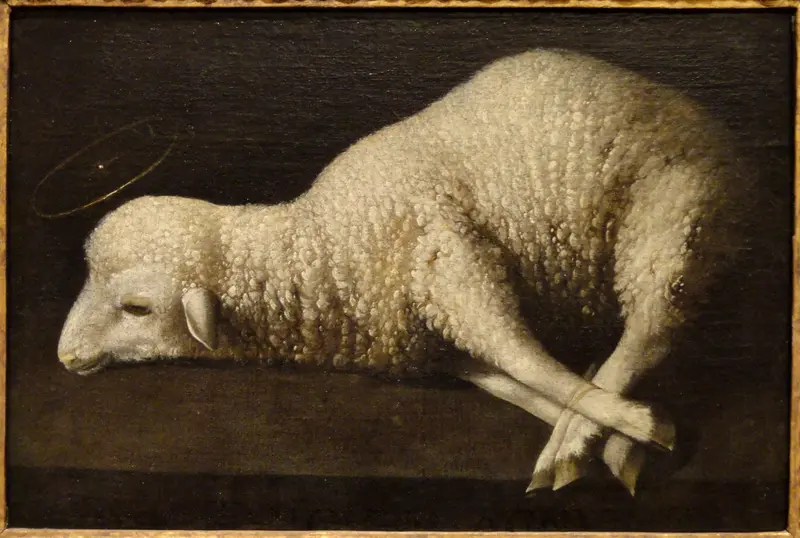
The Lamb of God
Francisco de Zurbarán

Adoration of the Magi
Francisco de Zurbarán
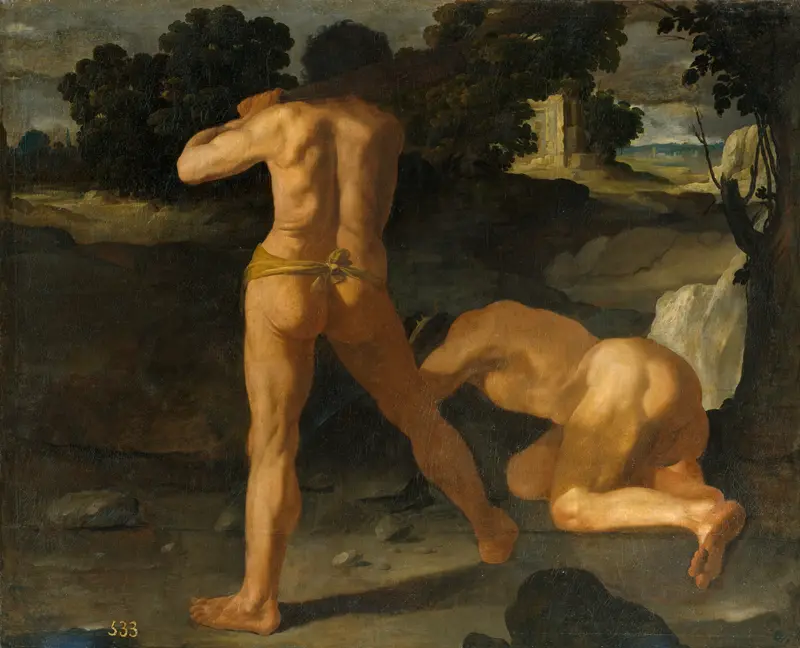
Hercules defeats King Geryon
Francisco de Zurbarán
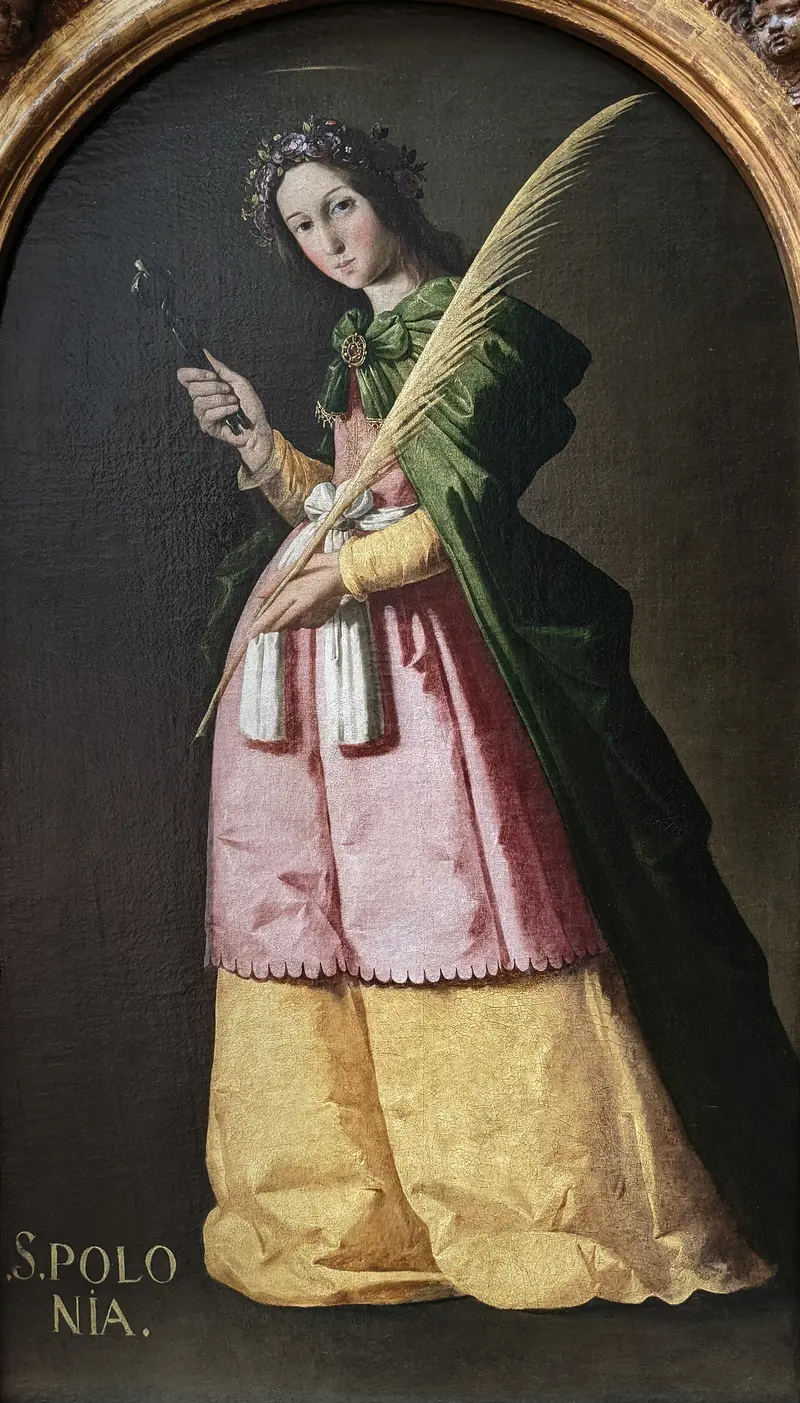
Saint Apollonia
Francisco de Zurbarán
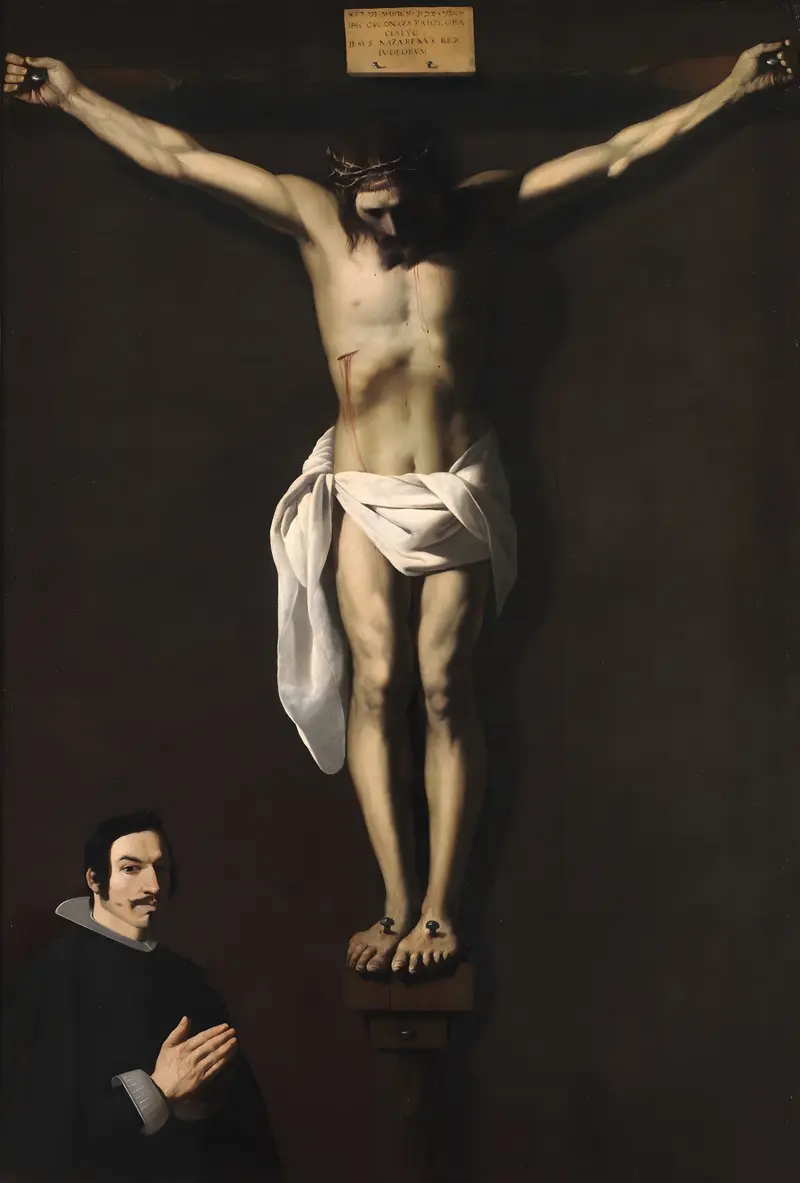
The Crucified Christ with a Donor
Francisco de Zurbarán
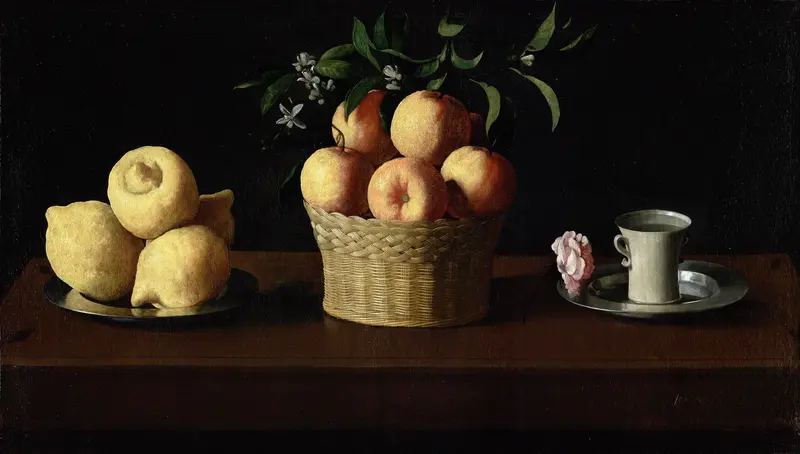
Still Life with Lemons, Oranges and a Rose
Francisco de Zurbarán
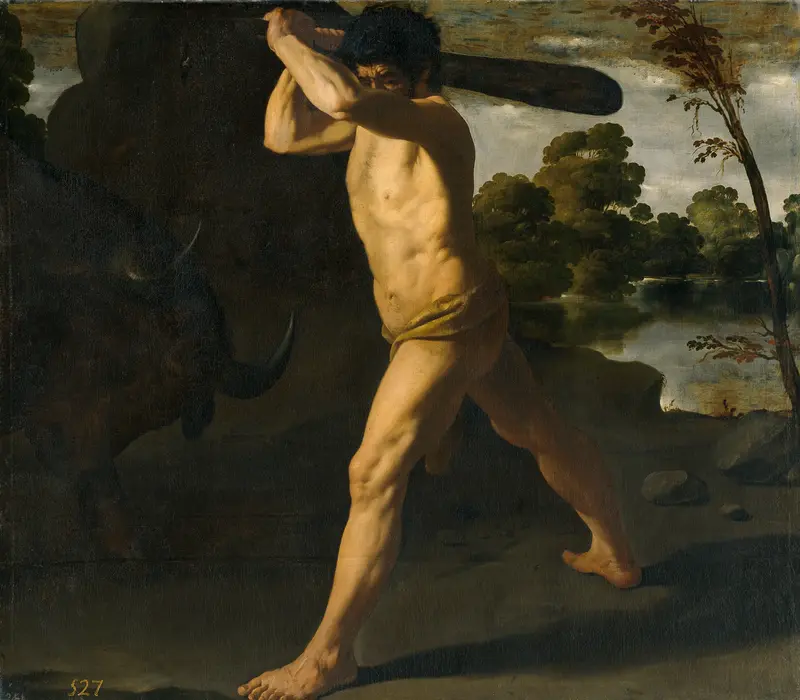
Hercules and the Cretan Bull
Francisco de Zurbarán





