
Repentant Mary Magdalene — History & Facts
No fewer than five versions of Repentant Mary Magdalene by Artemisia Gentileschi are known to exist, a testament to the enduring fascination this subject held for both the artist and her patrons. Painted in 1625, this particular iteration stands out for its emotional immediacy and the intense psychological presence of its subject. The Magdalene’s story of sin and redemption resonated deeply in Counter-Reformation Italy, where images of repentance were both popular and politically charged.
Gentileschi, herself no stranger to hardship and public scrutiny, returned to the theme throughout her life, each time infusing it with new intensity. Here, Mary Magdalene is caught in the very act of turning away from her former life. Her downcast eyes and abandoned jewelry speak of renunciation, while the shaft of light that falls across her face suggests divine forgiveness. The skull at her elbow, a common symbol of mortality, anchors her meditation on death and salvation.
Unlike the idealized Magdalene of Titian or the sensual figures of Caravaggio, Gentileschi’s Magdalene is palpably human—her flushed cheeks and tear-stained face reveal the cost of her transformation. The viewer is drawn into her private moment, sharing in the weight of her decision. The exact patron of this painting remains uncertain, though it was likely commissioned by a private collector seeking a powerful image of penitence. Over the centuries, the work has passed through various hands, sometimes misattributed to male contemporaries—a fate not uncommon for Artemisia Gentileschi’s paintings.
Today, it is recognized as a key work in her mature period, reflecting both her technical command and her unique vision. The painting’s journey from private devotion to public display mirrors the shifting fortunes of its creator, whose reputation has only grown with time.
More Artworks by Artemisia Gentileschi

Judith Beheading Holofernes
Artemisia Gentileschi
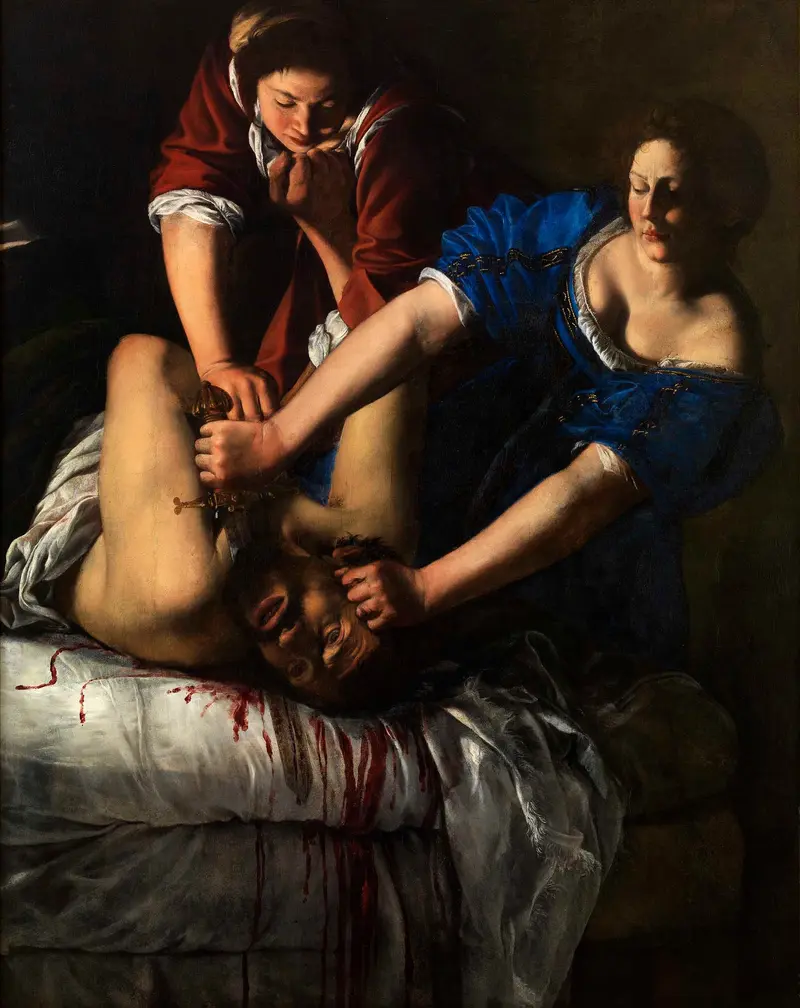
Judith Slaying Holofernes
Artemisia Gentileschi
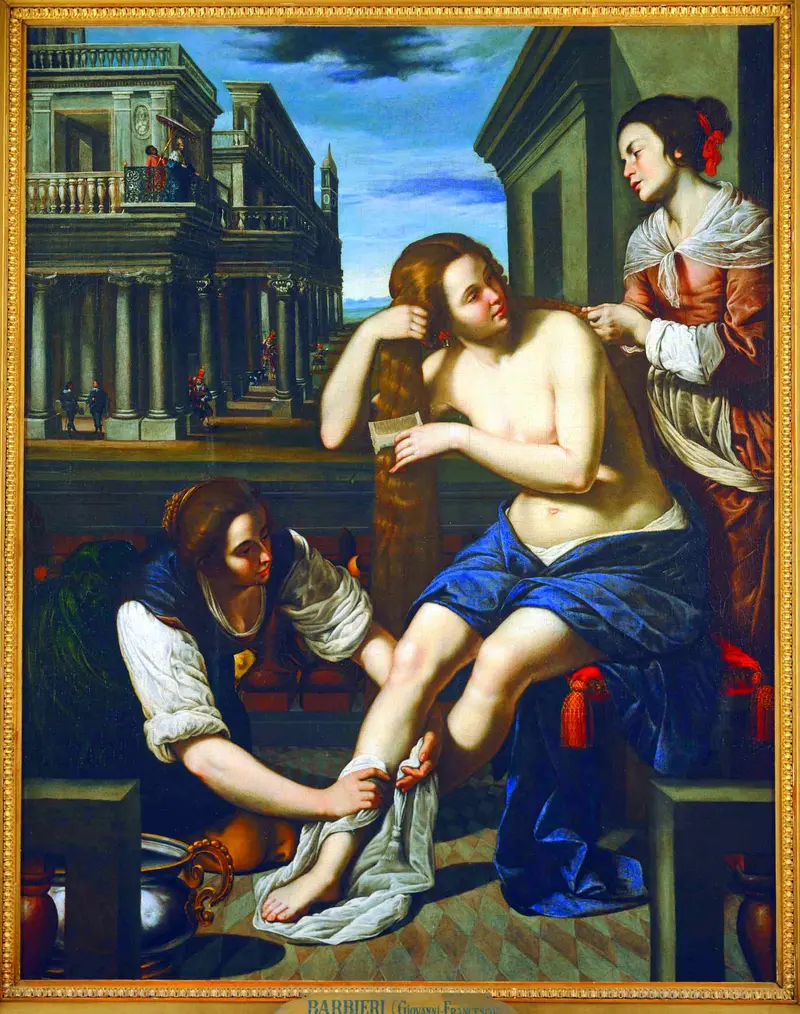
Bathsheba at Her Bath
Artemisia Gentileschi
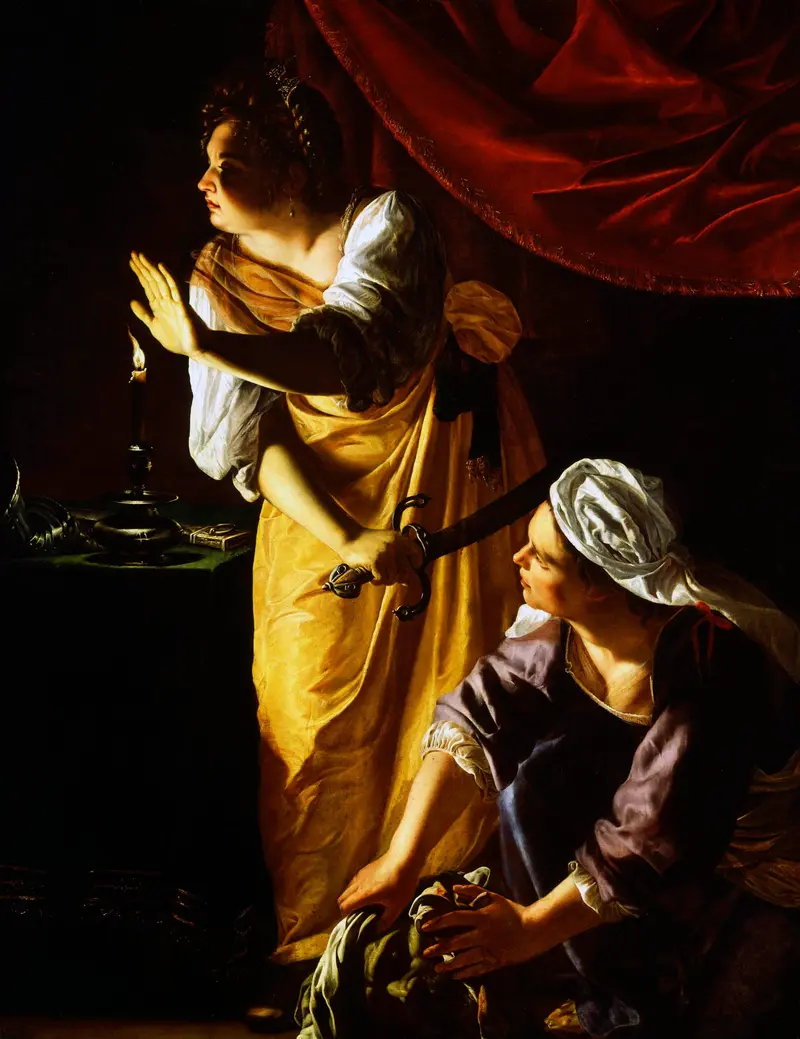
Judith and Maidservant with Head of Holofernes
Artemisia Gentileschi
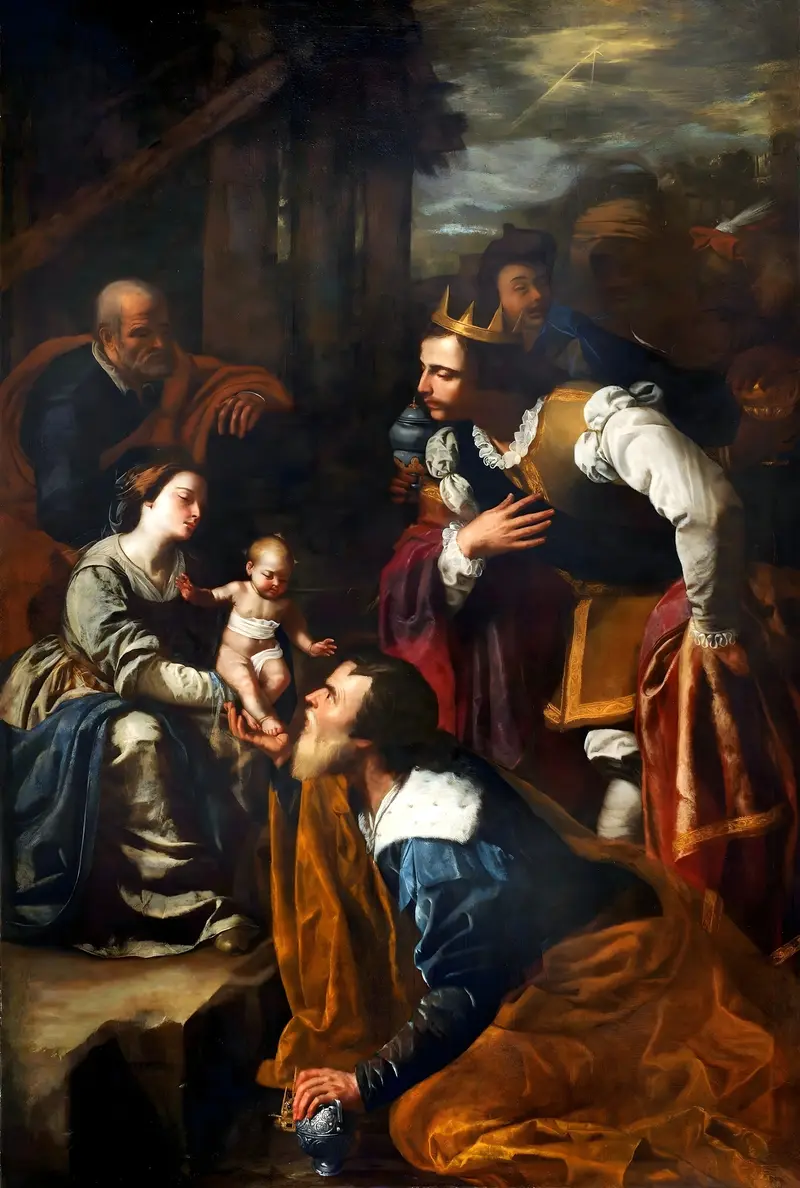
Adoration of the Magi
Artemisia Gentileschi
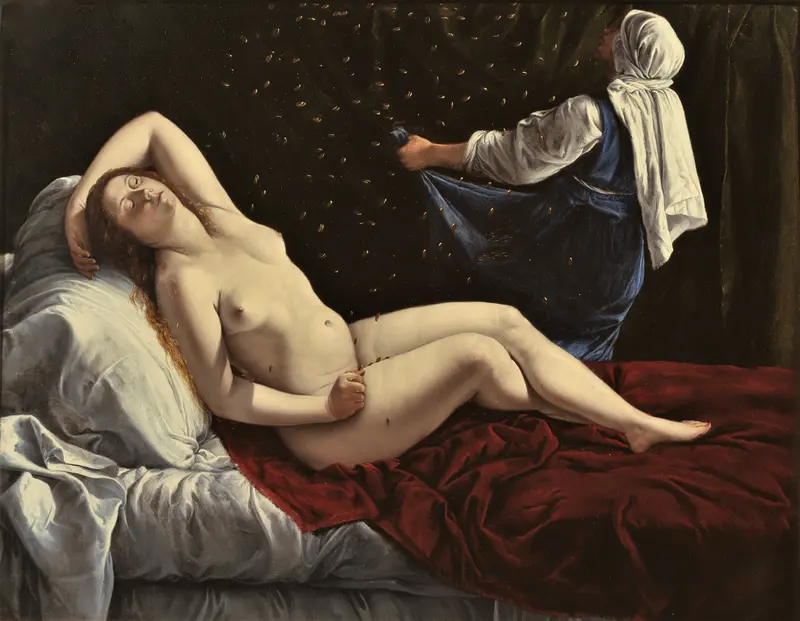
Danaë
Artemisia Gentileschi
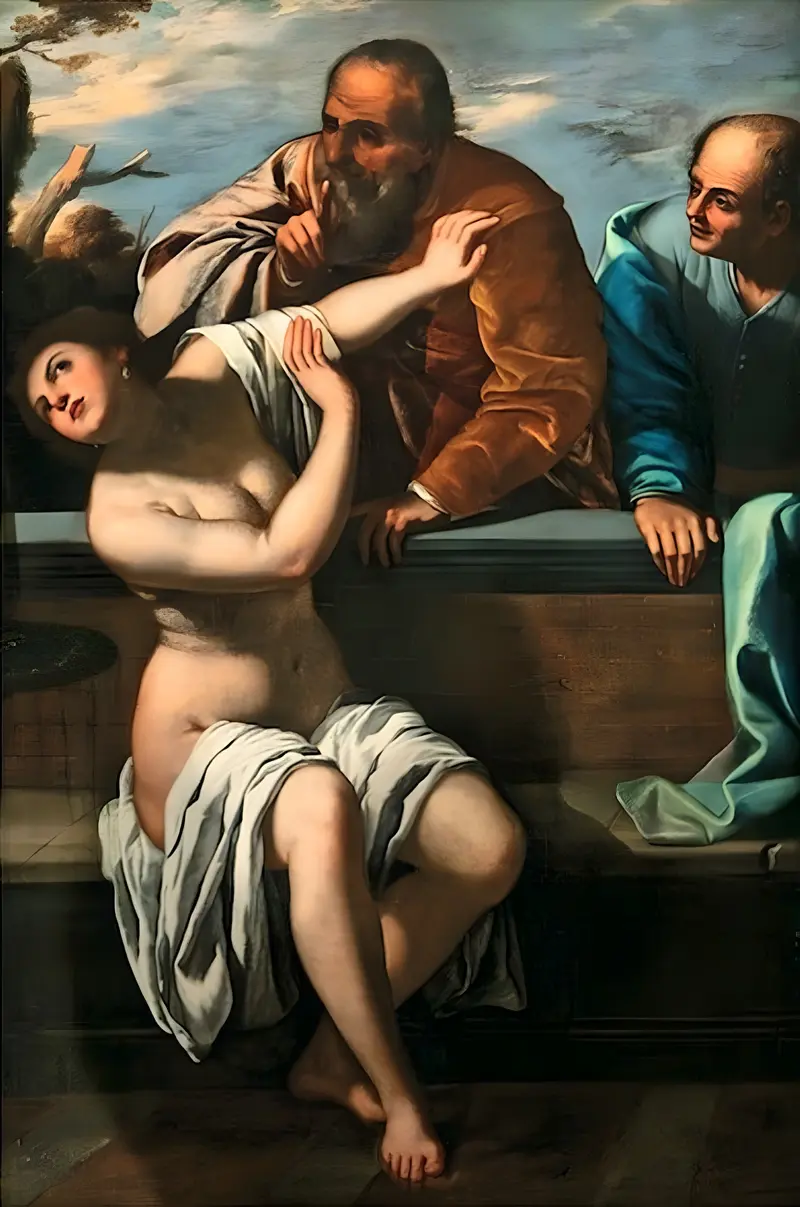
Susannah and the Elders
Artemisia Gentileschi

Judith and her Servant with the Head of Holofernes
Artemisia Gentileschi
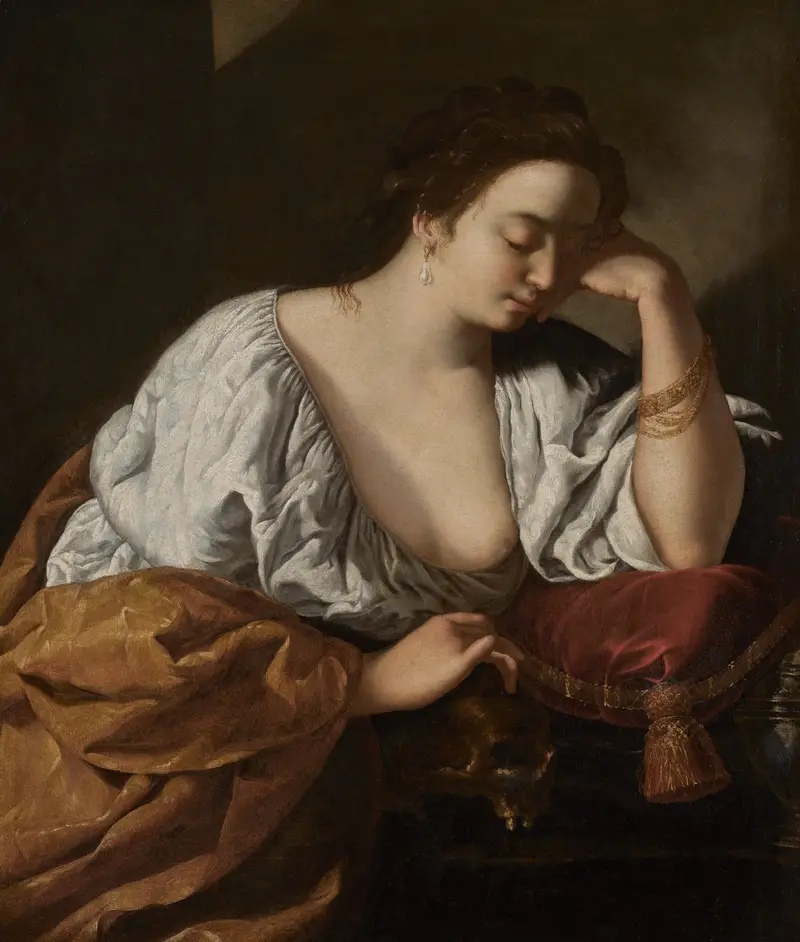
Madeleine pénitente, par
Artemisia Gentileschi
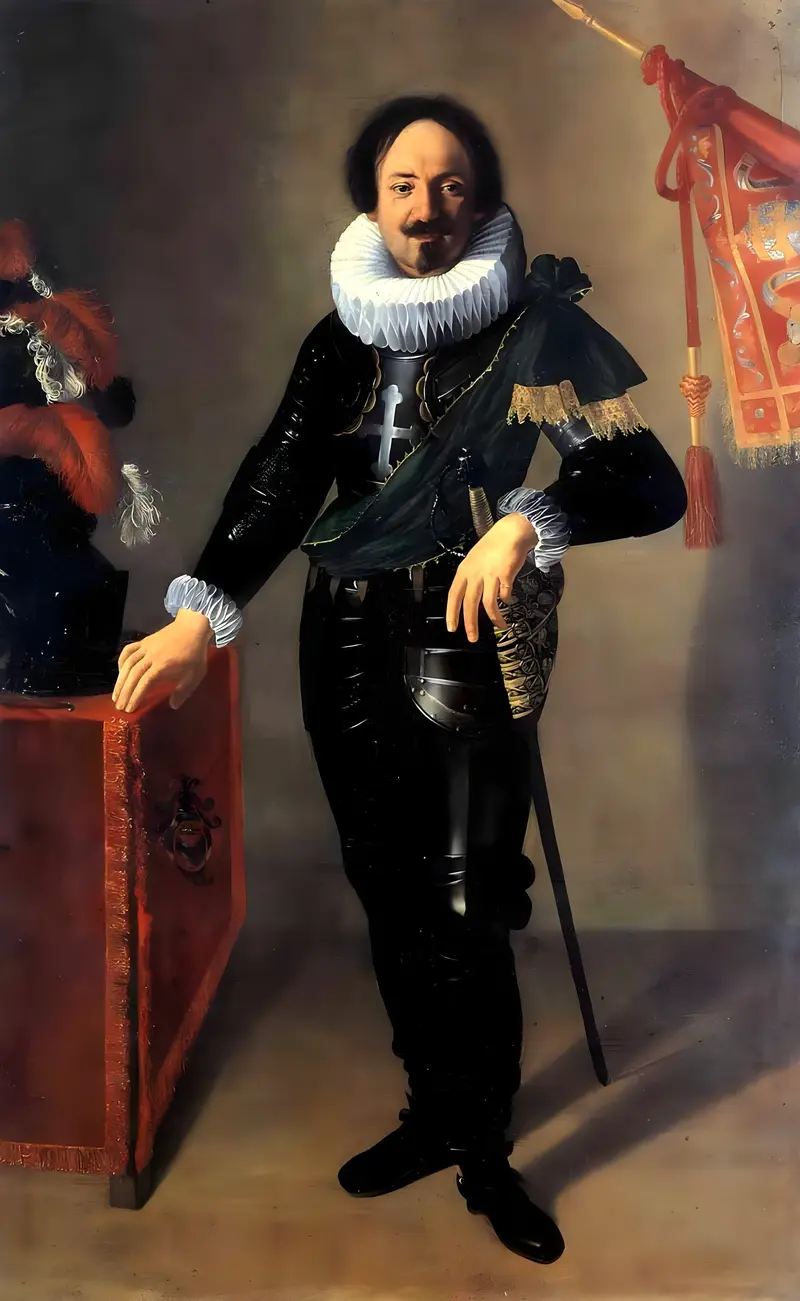
Portrait of a Gonfaloniere
Artemisia Gentileschi





