
Rest on the Flight into Egypt — History & Facts
Could a single brushstroke hold eternity? In Rest on the Flight into Egypt by a 16th-century monogrammist, the delicate interplay of light and shadow beckons us to ponder the weight of destiny. Look to the left at the serene figure of the Virgin Mary, cradling the infant Christ, surrounded by a verdant landscape. Notice how the soft glow of twilight bathes the scene, illuminating their faces with a gentle warmth. The meticulous detailing of the foliage and the textured fabric of their garments invites the viewer into an intimate moment, while the horizon blends in muted greens and blues, suggesting both tranquility and the unknown journey ahead. This painting captures a profound contrast between the comfort of the moment and the impending challenges that lie beyond the frame.
The stillness of the figures stands in stark relief to the tumultuous world awaiting them, hinting at themes of sacrifice and the weight of divine purpose. The juxtaposition of the serene pastoral setting against the turmoil of their flight embodies the tension of human struggle against divine will, revealing deeper layers of emotional resonance. Created between 1520 and 1562, Rest on the Flight into Egypt reflects a period of significant religious change in Europe, particularly the Protestant Reformation. The artist, whose identity remains largely unknown, was part of a broader movement that sought to express spiritual narratives through visual means, emphasizing personal connection to biblical events during a time of upheaval and shifting beliefs in faith and art.
More Artworks by Monogrammist AC (16e eeuw)
Browse all →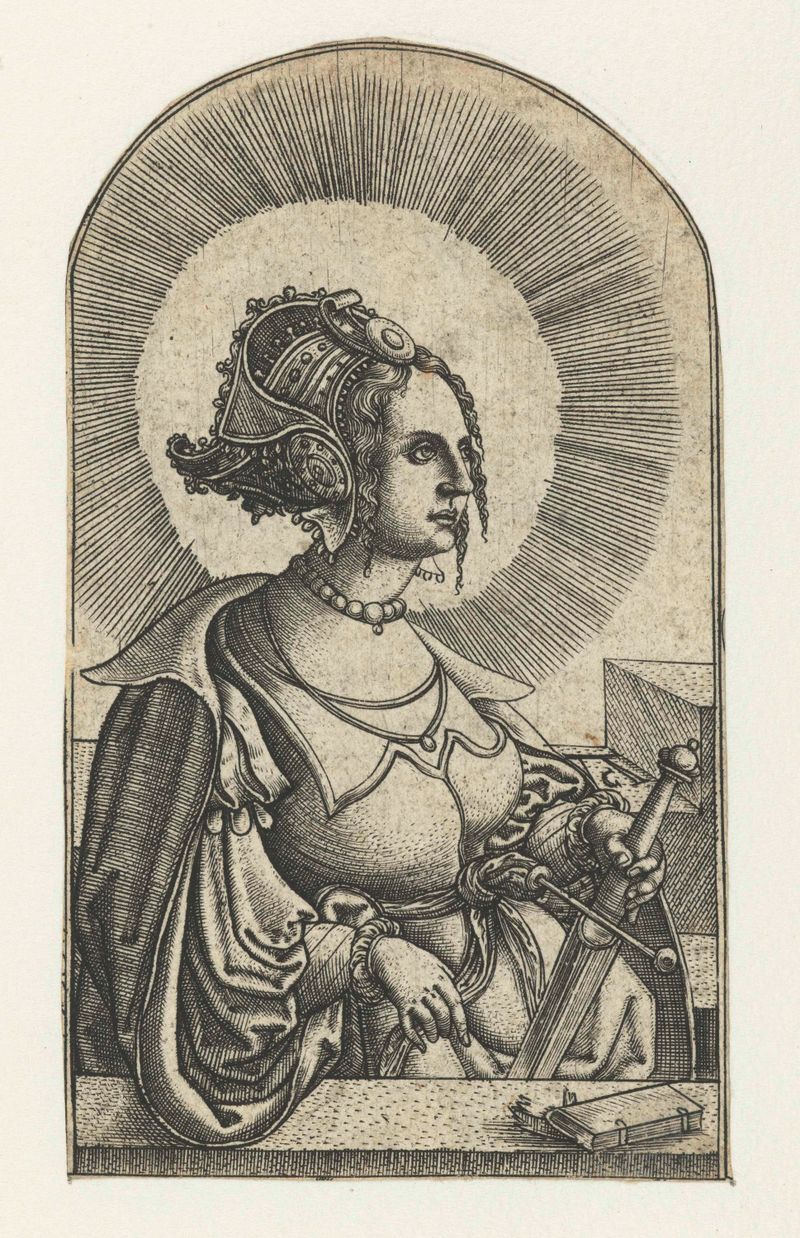
Heilige Catharina
Monogrammist AC (16e eeuw)
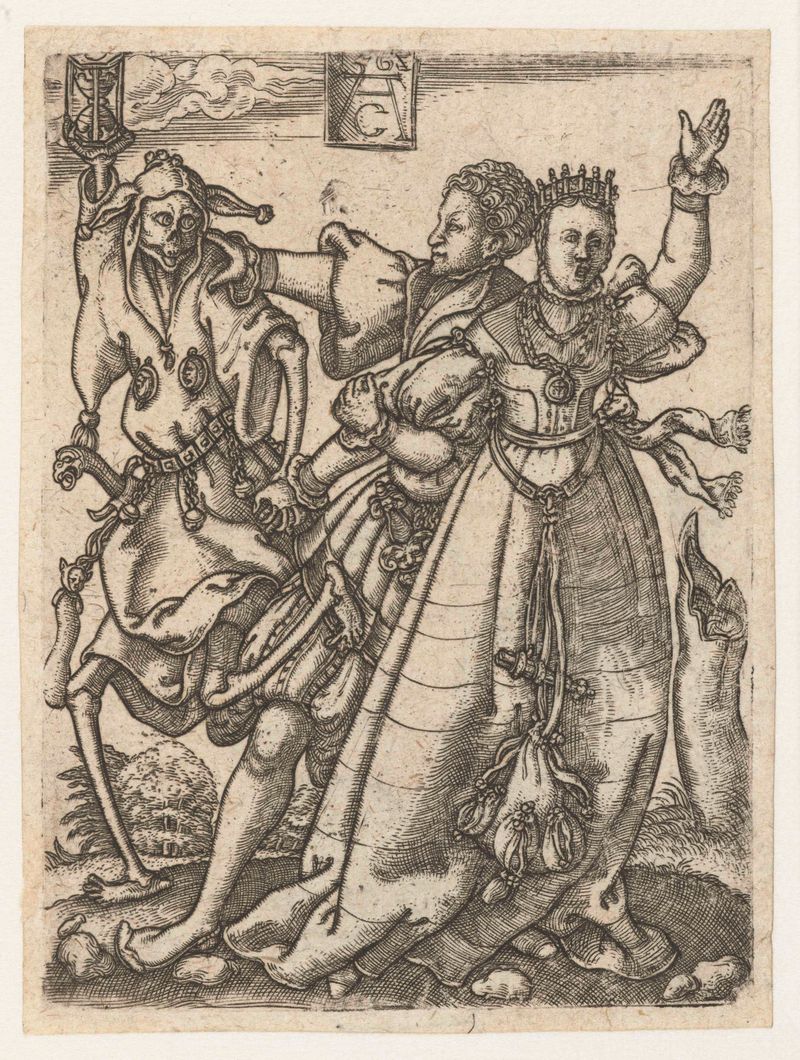
Echtpaar met de Dood
Monogrammist AC (16e eeuw)
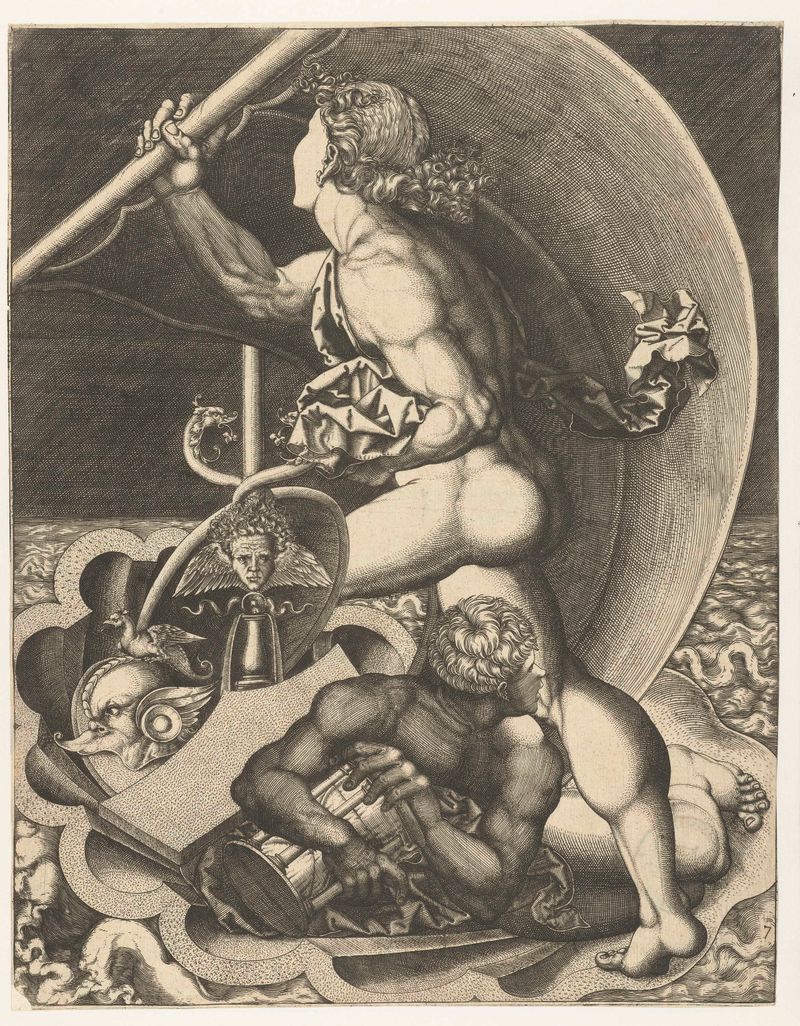
Allegorie van Tijd en Fortuin
Monogrammist AC (16e eeuw)

Portret van een jongeman (Vanitas)
Monogrammist AC (16e eeuw)

Heilige Martha en de draak
Monogrammist AC (16e eeuw)
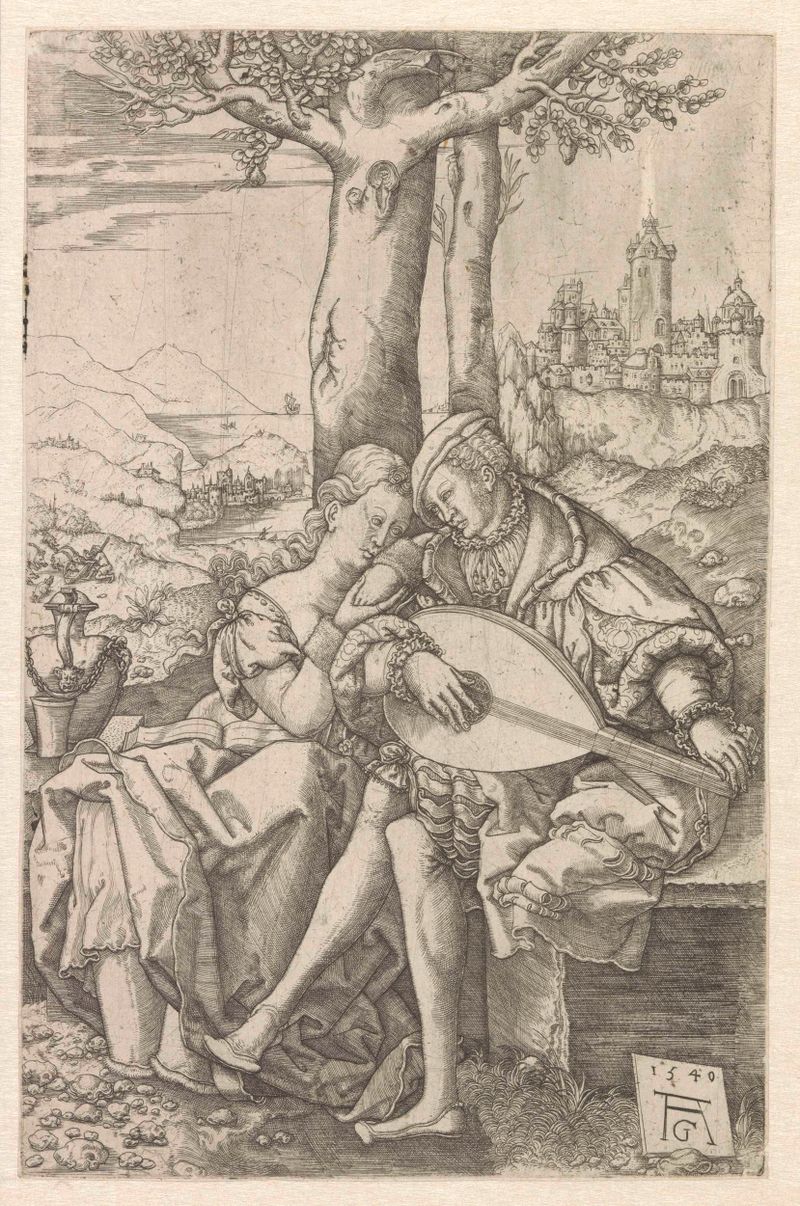
Twee verliefden onder een boom
Monogrammist AC (16e eeuw)
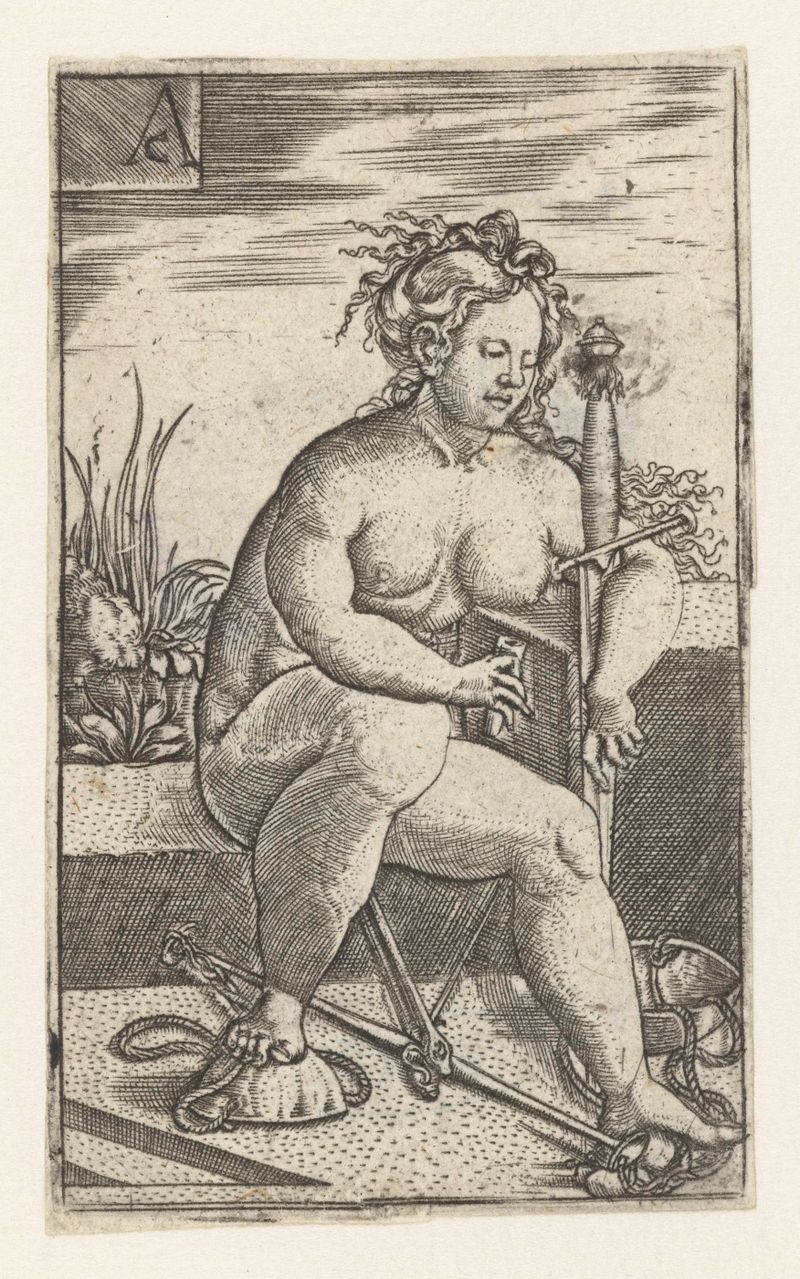
Gerechtigheid (Justitia)
Monogrammist AC (16e eeuw)
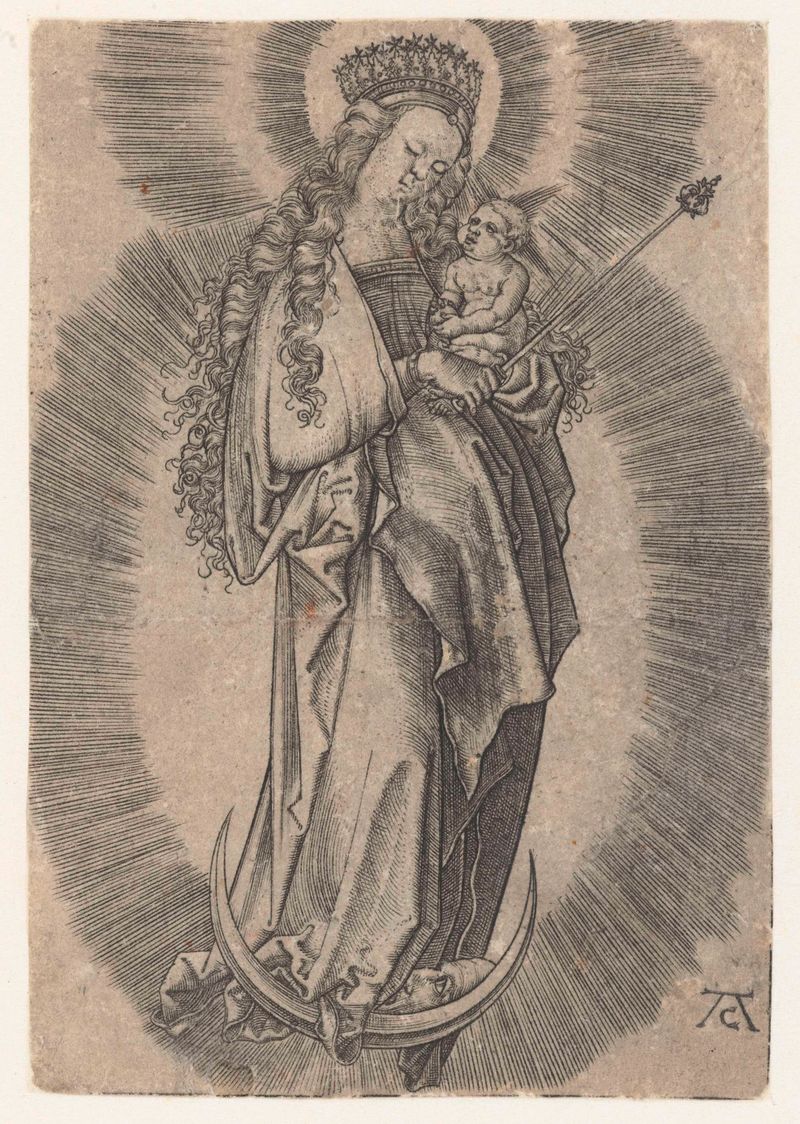
Madonna op de maansikkel.
Monogrammist AC (16e eeuw)
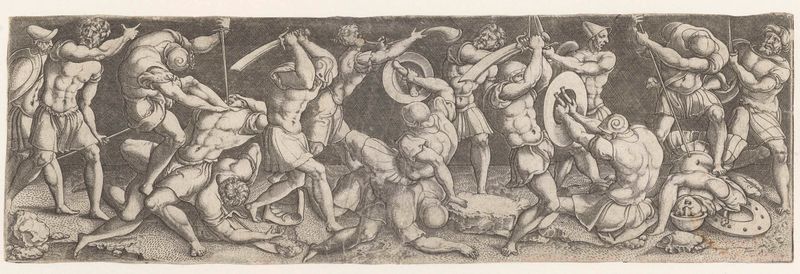
Gevecht tussen Romeinse soldaten
Monogrammist AC (16e eeuw)
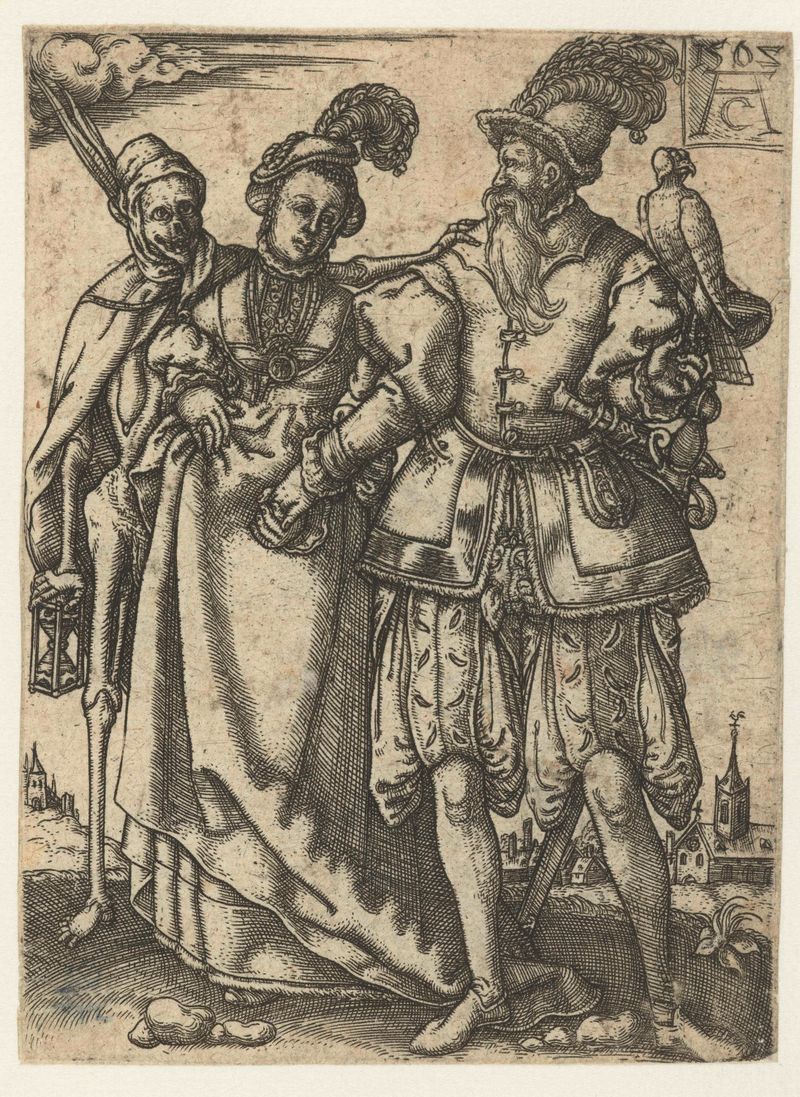
Echtpaar met de Dood
Monogrammist AC (16e eeuw)
More Religious Art
Browse all →
The Return of the Prodigal Son
Rembrandt van Rijn

The Garden of Earthly Delights
El Bosco

Count Orgaz’ funeral
El Greco

The Hundred Guilder Print: the central piece with Christ preaching, the plate arched
Rembrandt van Rijn

The Descent from the Cross
Rogier van der Weyden

The return of the prodigal son
Rembrandt van Rijn