
Rest on the Flight into Egypt — History & Facts
Who listens when art speaks of silence? In Rest on the Flight into Egypt, Lucas van Leyden captures a moment steeped in destiny, where tranquility veils the weight of impending trials. Look to the left at the graceful figures of Mary and Joseph, framed by the lush, verdant landscape. The soft, muted colors envelop them, while the gentle light seems to caress the contours of their faces, revealing a profound sense of peace amidst their journey. Notice how the delicate strokes convey texture, especially in the intricate patterns of Mary’s robe and the warm glow of the child resting in her arms.
The composition guides your eye in a fluid motion, embodying both the serenity of the moment and the deeper narrative unfolding beyond the canvas. As you take in the details, consider the unspoken tension reflected in their expressions. There is an implicit awareness of the trials that await them; the stillness juxtaposes the chaos of their journey. The verdant greenery signifies sanctuary, yet it is also a reminder of the wilderness they must traverse.
The careful positioning of the figures, with Mary as a central focus, evokes themes of motherhood and protection—her gaze directed inward, suggesting an unbreakable bond and a destiny that looms large. Lucas van Leyden created this work between 1504 and 1508 during a pivotal time in the Northern Renaissance, marked by a burgeoning interest in narrative and emotion within art. At this juncture, he was deeply engaged in the exploration of human experiences through religious themes, reflecting the spiritual tensions of a world on the cusp of transformation. The painting stands as a testament to his skill and foresight in merging technical mastery with profound storytelling.
More Artworks by Lucas van Leyden
Browse all →
Het eerste verbod
Lucas van Leyden
Adam en Eva na de verdrijving uit het paradijs
Lucas van Leyden
De kruisiging
Lucas van Leyden
Kruisdraging
Lucas van Leyden
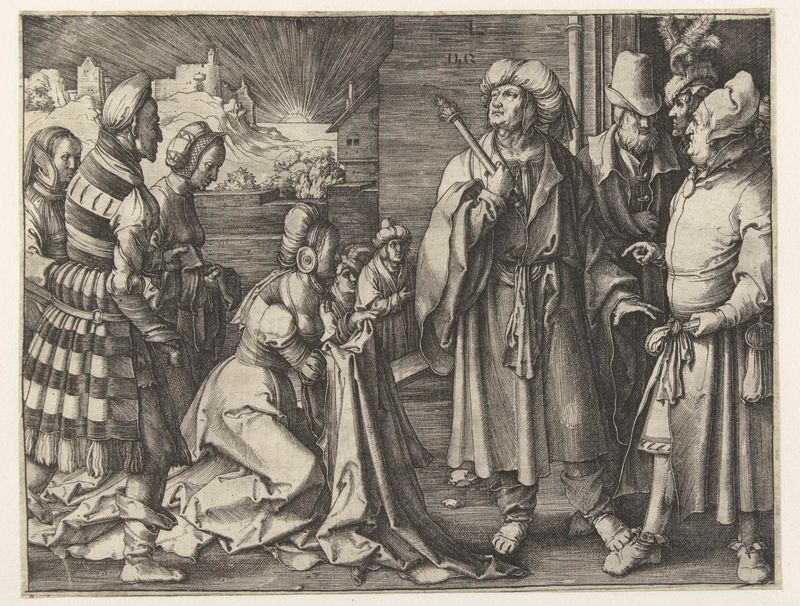
De vrouw van Potifar beschuldigt Jozef
Lucas van Leyden
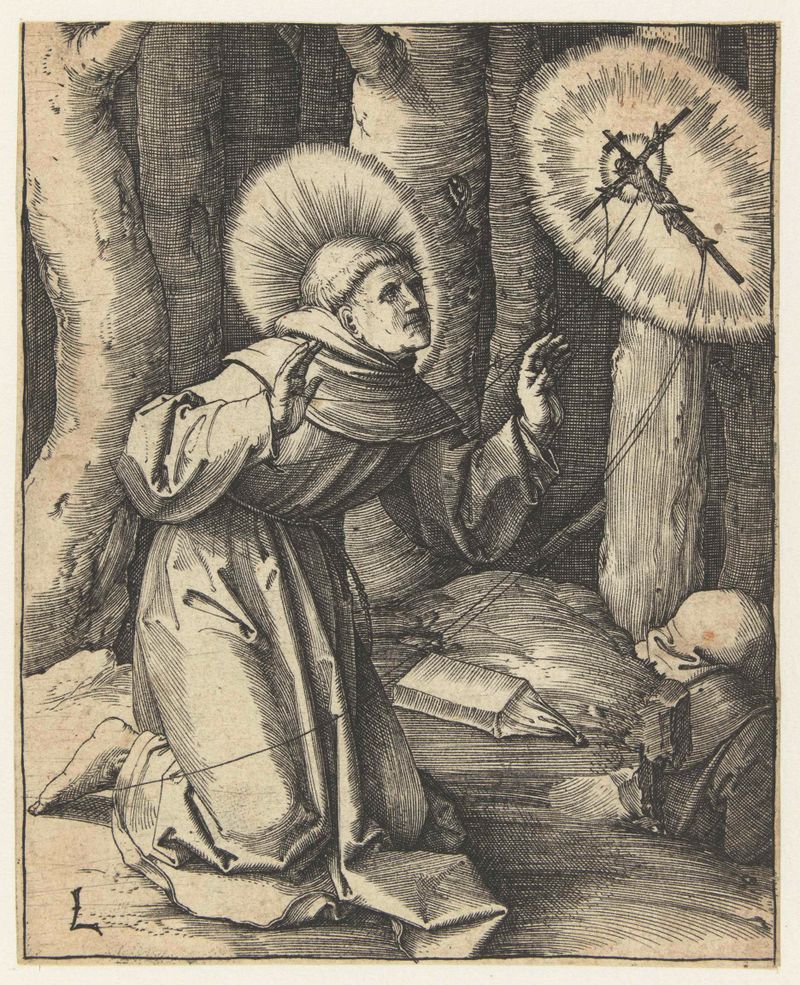
De stigmatisatie van de heilige Franciscus
Lucas van Leyden
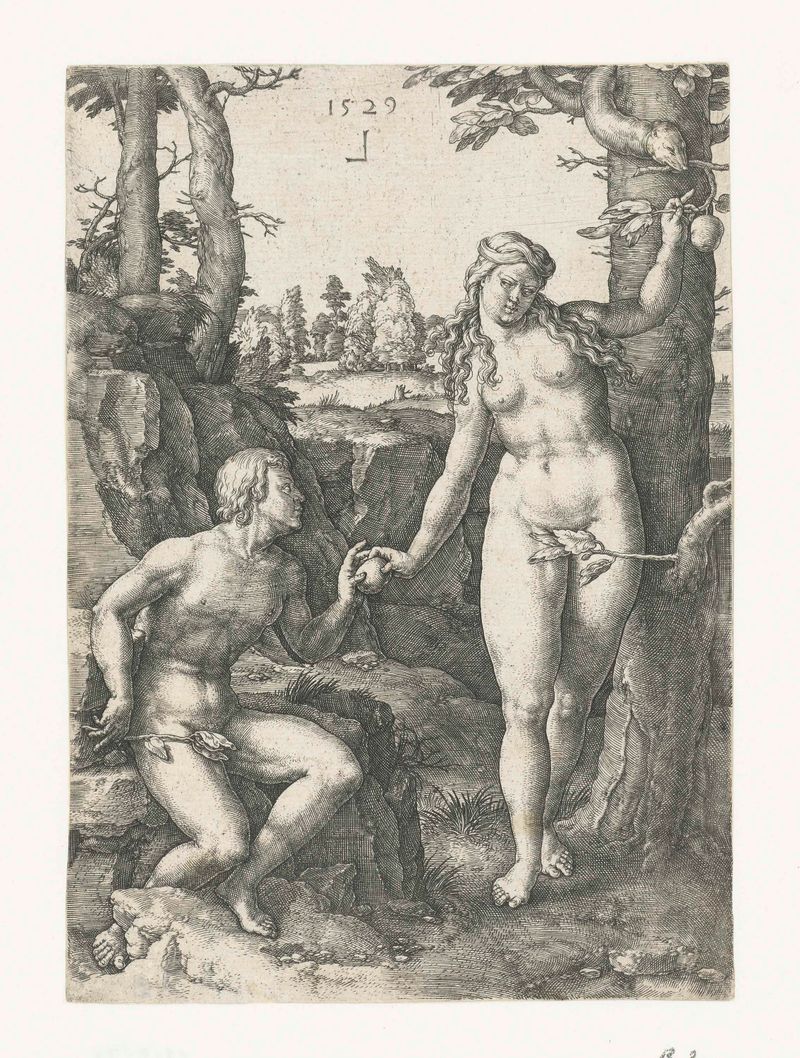
De zondeval
Lucas van Leyden
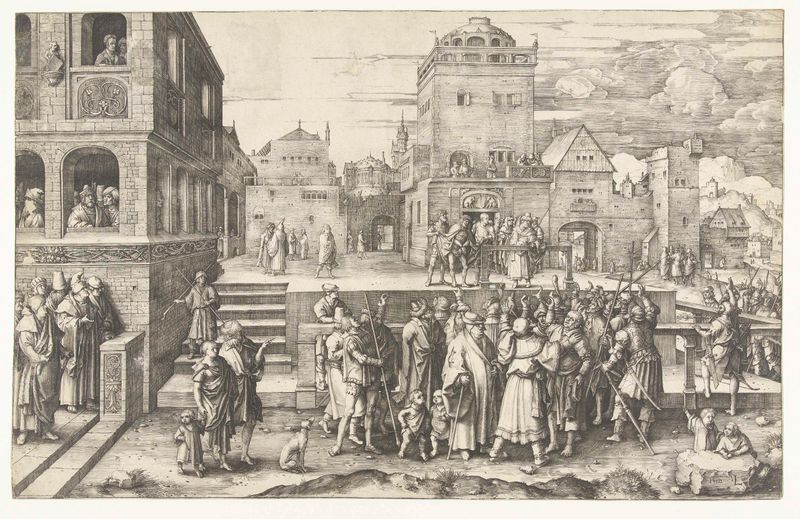
De grote Ecce Homo
Lucas van Leyden
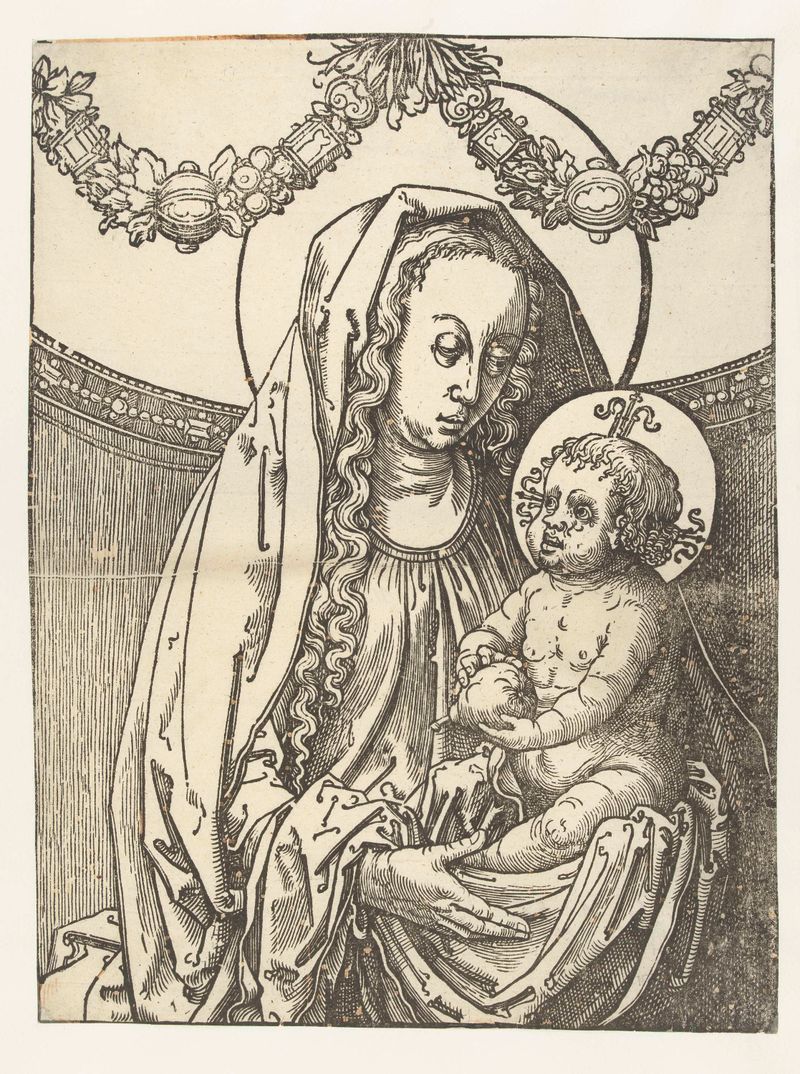
Maria met kind
Lucas van Leyden

Doornenkroning
Lucas van Leyden
More Religious Art
Browse all →
The Return of the Prodigal Son
Rembrandt van Rijn

The Garden of Earthly Delights
El Bosco

Count Orgaz’ funeral
El Greco

The Hundred Guilder Print: the central piece with Christ preaching, the plate arched
Rembrandt van Rijn

The Descent from the Cross
Rogier van der Weyden

The return of the prodigal son
Rembrandt van Rijn