
River Bank in Springtime — History & Facts
This sentiment lingers in the air created by Van Gogh, enveloping the viewer in a bittersweet embrace that speaks of longing and nostalgia. Look to the sweeping brushstrokes that delineate the riverbank, where verdant greens burst forth under a luminous sky. The rhythmic waves of color guide your gaze effortlessly across the canvas, inviting you to trace the gentle flow of water. Notice how the juxtaposition of vivid yellow and deep blue elicits a sense of life, while the delicate twirls of white suggest the quiet whisper of springtime breezes. Beyond its vibrant beauty lies a deeper melancholy, as the scene embodies the transience of nature.
The vivid greens suggest renewal, yet they coexist with the stillness of the water, echoing a persistent solitude. Each stroke seems to capture not only the physical landscape but also the emotional landscape of yearning and reflection, inviting the viewer to ponder the passage of time and the fleeting moments of joy. In 1887, Van Gogh created this piece while living in Paris, immersed in the vibrant art scene of Impressionism. It was a period of transformation for him, as he sought to develop his style and embrace the emotional potency of color.
This work marks a significant point in his artistic evolution as he began to weave his intense emotional experiences into the fabric of his landscapes, hinting at the complex relationship he held with nature and life itself.
More Artworks by Vincent van Gogh
Browse all →
Starry Night
Vincent van Gogh
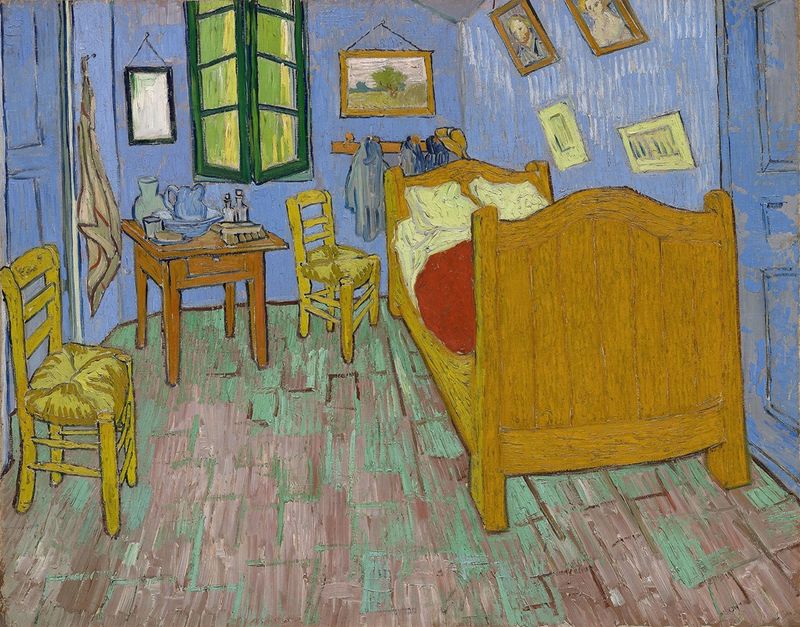
The Bedroom
Vincent van Gogh
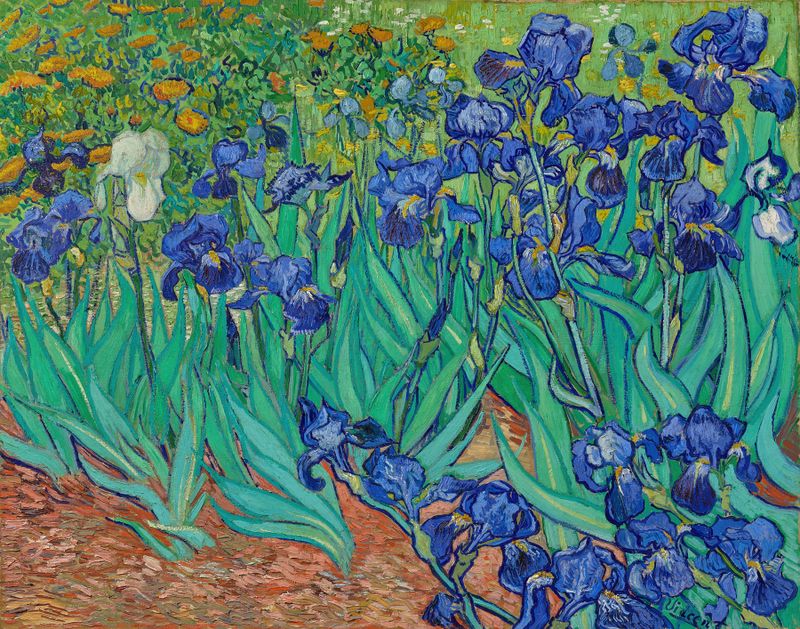
Irises
Vincent van Gogh
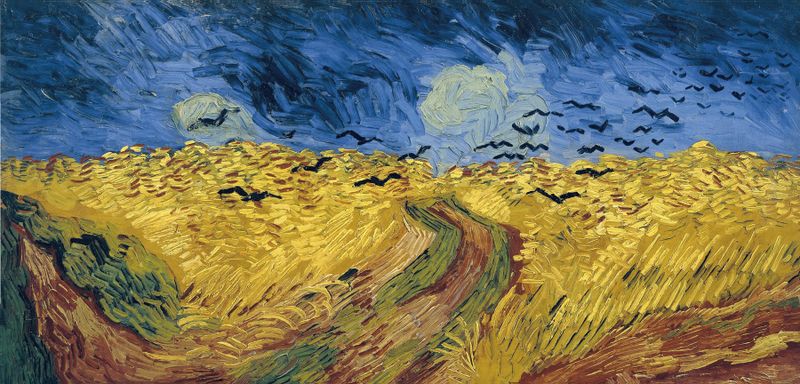
Wheatfield with Crows
Vincent van Gogh
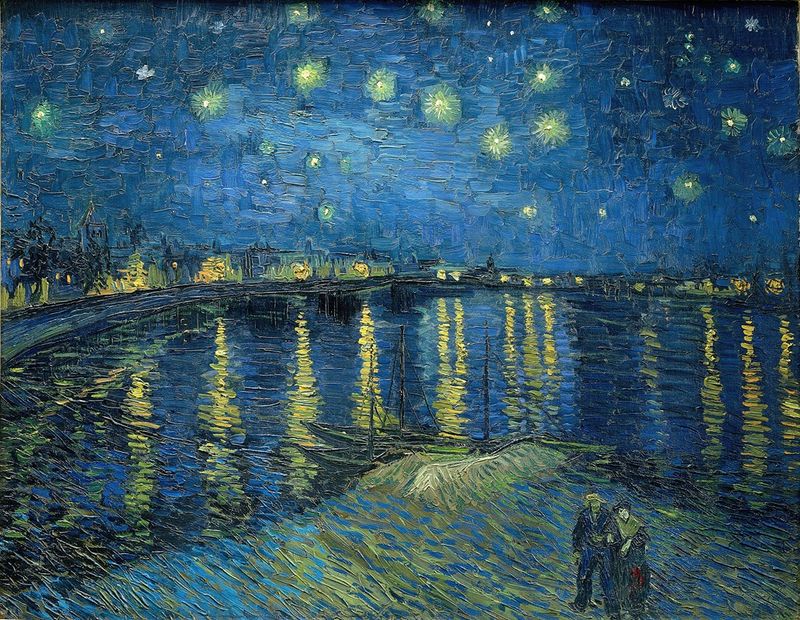
Starry Night over the Rhone
Vincent van Gogh

The yellow house
Vincent van Gogh
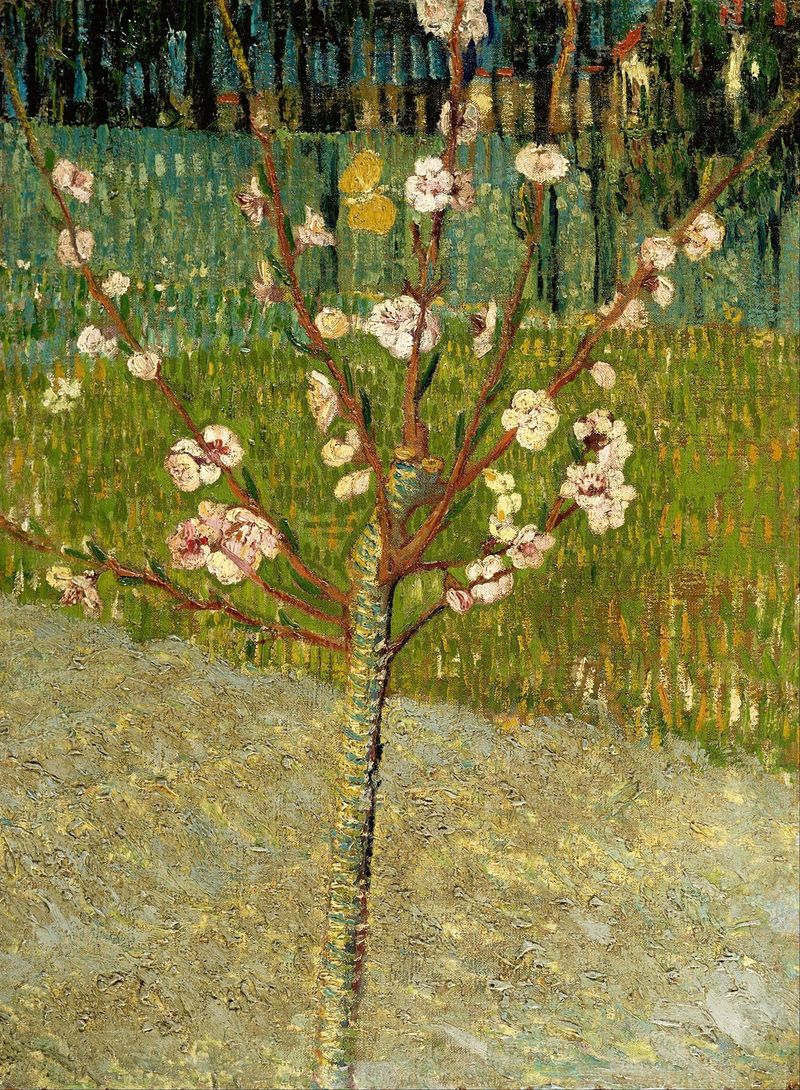
Almond tree in blossom
Vincent van Gogh

Portrait of Dr Gachet
Vincent van Gogh

The Church in Auvers-sur-Oise, View from the Chevet
Vincent van Gogh

Self-Portrait
Vincent van Gogh





