
River Landscape — History & Facts
This sentiment resonates deeply when contemplating the fleeting beauty of nature, where each brushstroke captures the delicate tension between serenity and fear of loss. Look to the left at the vibrant aquamarine of the river, where the shimmering surface reflects the dappled sunlight filtering through the trees. The gentle curves of the landscape draw the eye toward the horizon, inviting an exploration of the calming blues and greens. The soft brushwork, infused with warm, golden highlights, creates an intimate atmosphere, suggesting a moment suspended in time—a fleeting glance at a tranquil yet ever-changing world. Yet, beneath this picturesque exterior lies a subtle unease.
The juxtaposition of the lush foliage against the tranquil water evokes a sense of transience; the beauty is both inviting and impermanent. One can almost sense the fear of time slipping away, the landscape a reminder of what must inevitably fade. The delicate balance between light and shadow reveals the underlying tension between joy and melancholy, anchoring the viewer in their own reflections on mortality. In 1890, while living in France, the artist found himself amidst a shift in the art world, moving towards Impressionism's embrace of color and light.
This period marked a time of personal evolution and redefinition for him, as he sought to capture not just the image, but the experience of beauty. Renoir's River Landscape encapsulates this quest, revealing his intimate relationship with nature and the ever-looming specter of time.
More Artworks by Pierre-Auguste Renoir
Browse all →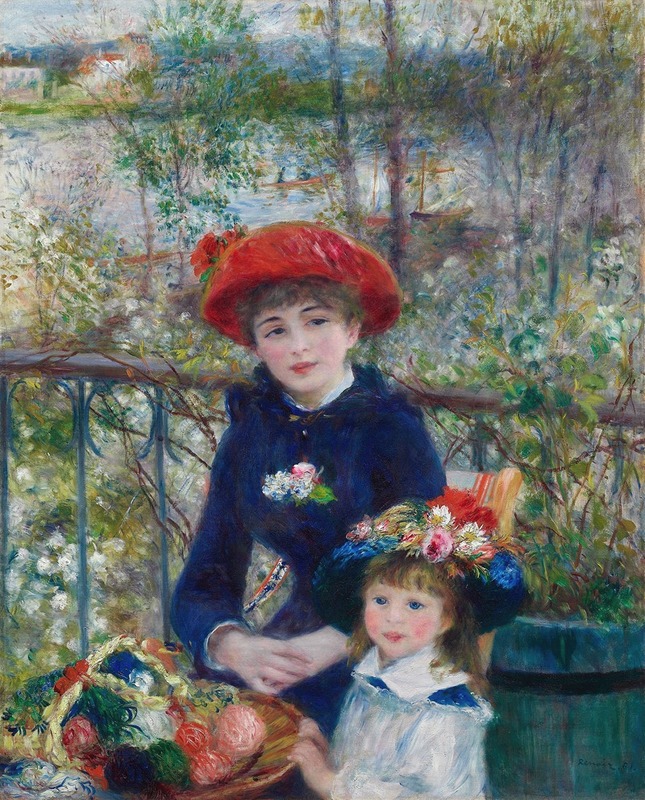
Two Sisters (On the Terrace)
Pierre-Auguste Renoir
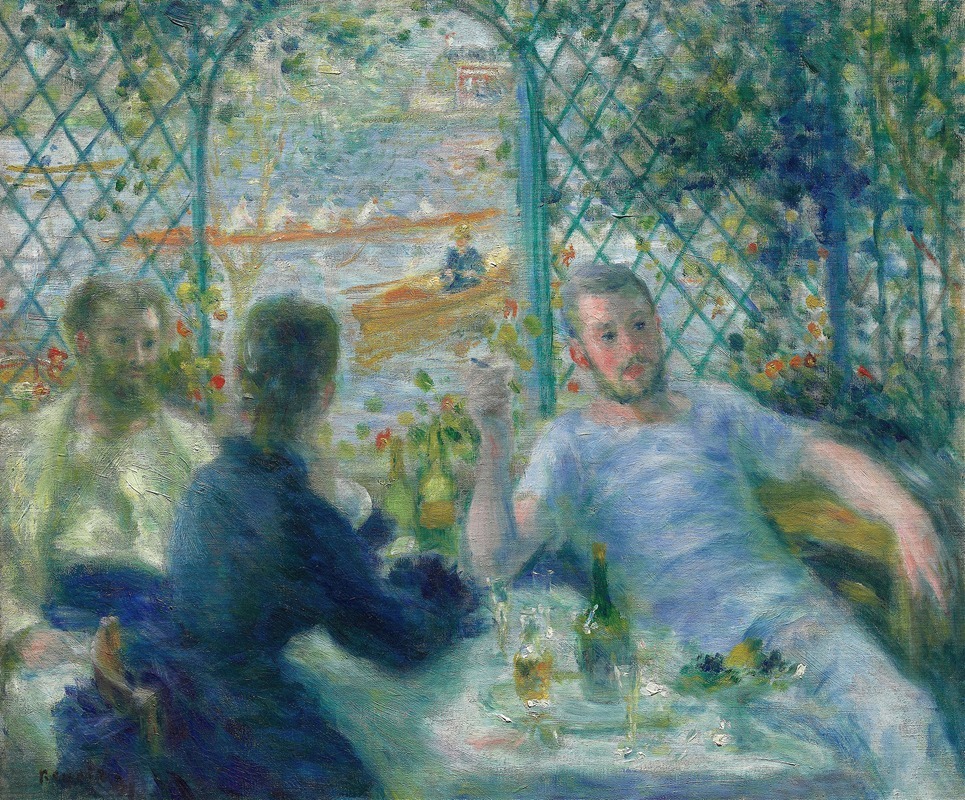
Lunch at the Restaurant Fournaise (The Rowers' Lunch)
Pierre-Auguste Renoir
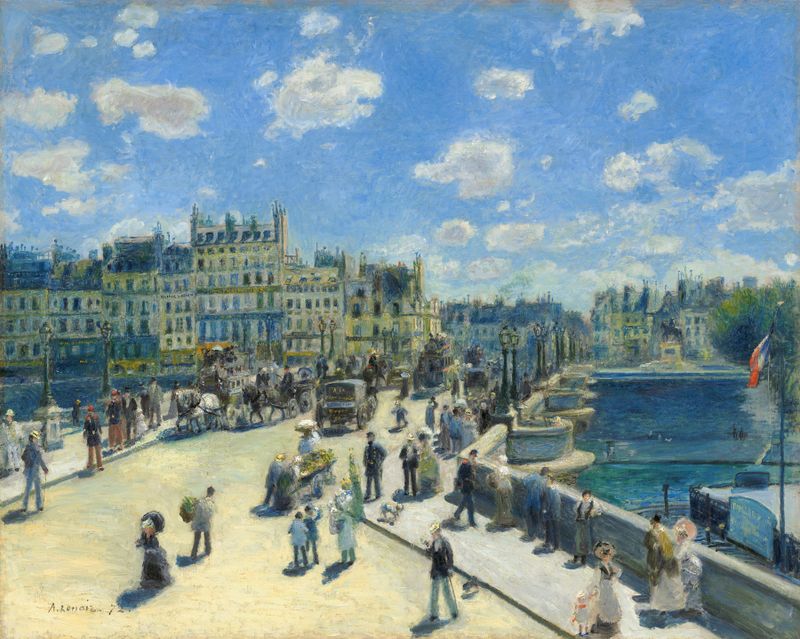
Pont Neuf, Paris
Pierre-Auguste Renoir
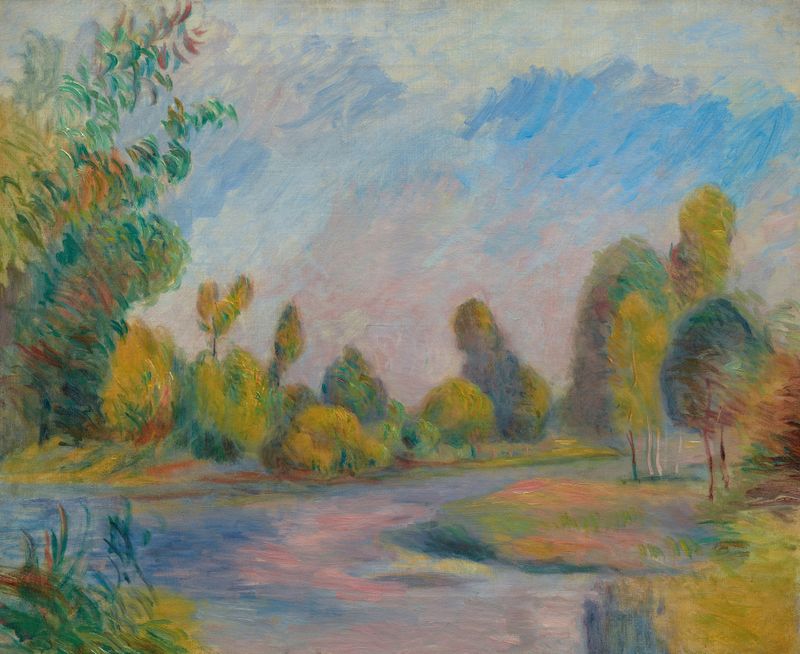
Au bord de la rivière
Pierre-Auguste Renoir

Near the Lake
Pierre-Auguste Renoir
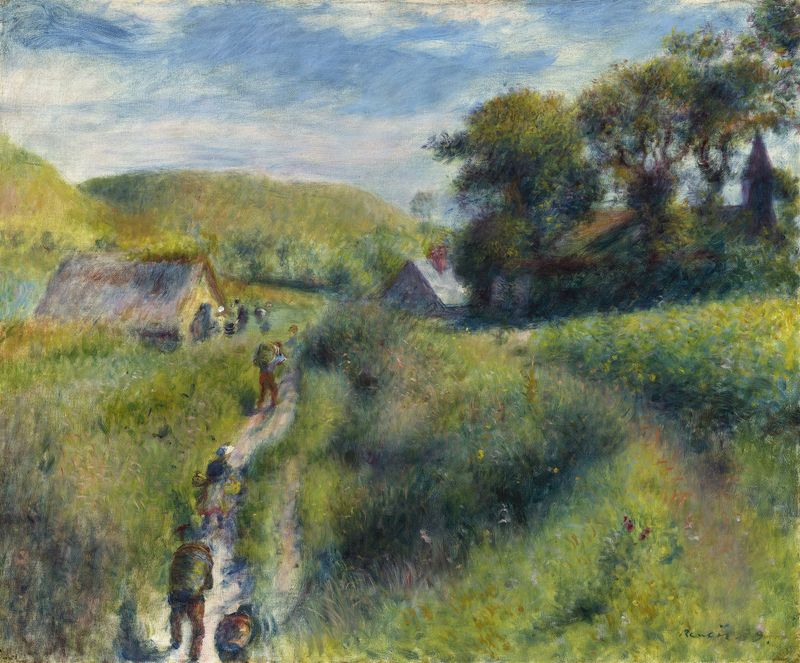
The Mussel Harvest
Pierre-Auguste Renoir

The Seine at Chatou
Pierre-Auguste Renoir
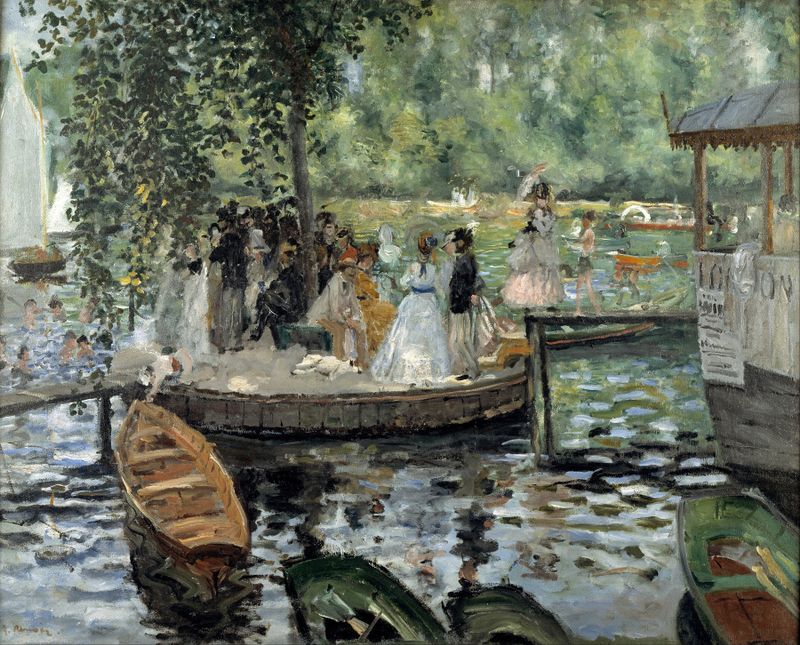
La Grenouillère
Pierre-Auguste Renoir
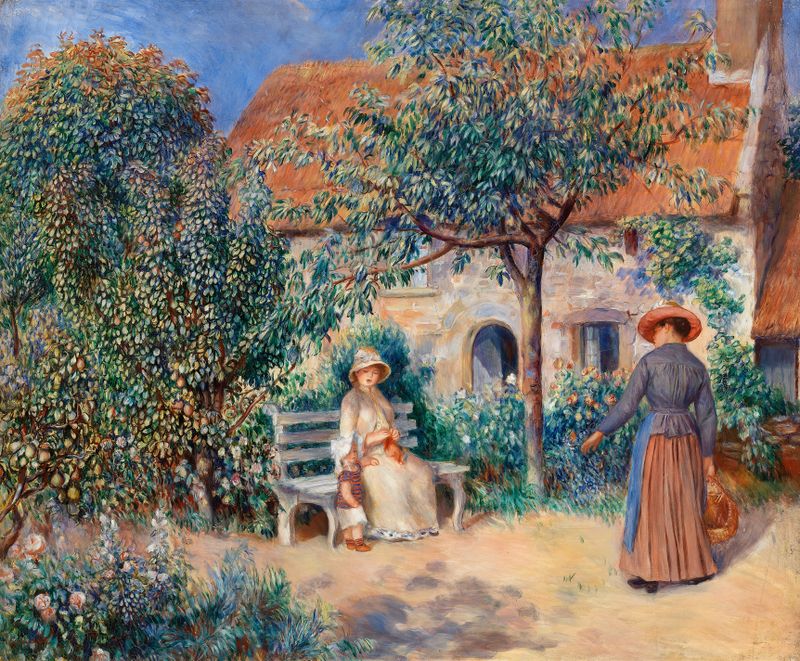
In Brittany (En Bretagne)
Pierre-Auguste Renoir
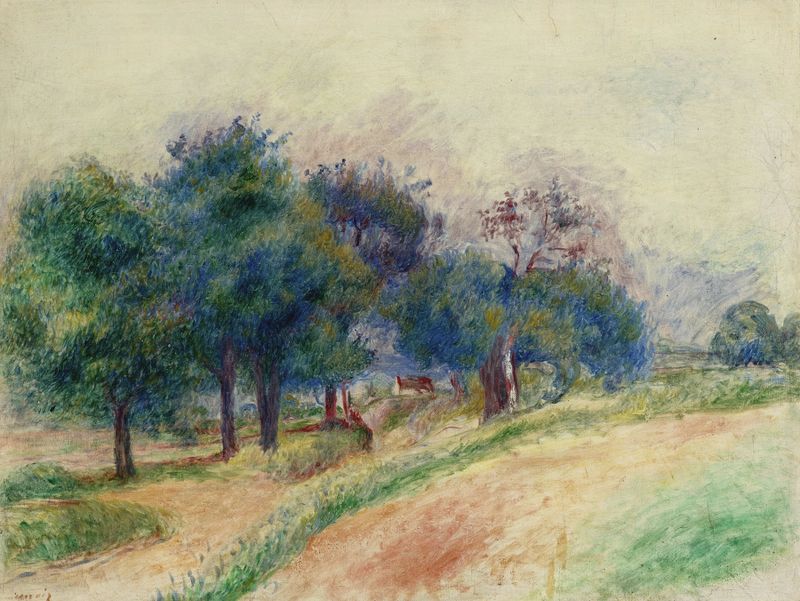
Paysage d’Essoyes
Pierre-Auguste Renoir





