
Road at Wargemont — History & Facts
Is this a mirror — or a memory? The path ahead seems both familiar and distant, inviting yet tainted by the gentle brush of decay. Focus on the left side of the canvas, where the vibrant greens of the foliage clash with the fading hues of the underbrush. Notice how the light spills through the leaves, casting dappled shadows that dance upon the road. The brushwork is loose yet deliberate, creating a sense of movement, as if the wind whispers secrets through the trees.
The soft palette reflects not just nature’s beauty but also the inevitable passage of time, hinting at what has been lost. Amidst the liveliness of the scene lies a poignant tension. The juxtaposition of blossoming flora against the worn path suggests a cycle of growth and decay, echoing the transient nature of life itself. Each stroke holds a whisper of nostalgia, perhaps yearning for what once was, yet simultaneously celebrating the present moment.
The fading colors invite contemplation on memory and the impermanence it brings, evoking a bittersweet awareness of the past. Renoir painted this work during a phase of his career when he was striving to explore new techniques and themes. Created in the late 19th century, in a period marked by the rise of Impressionism, the artist sought to capture the beauty of everyday life while grappling with the rapid changes occurring in society. The world around him was evolving, and through this piece, he immortalized a fleeting moment in nature that resonated deeply with his evolving artistic vision.
More Artworks by Pierre-Auguste Renoir
Browse all →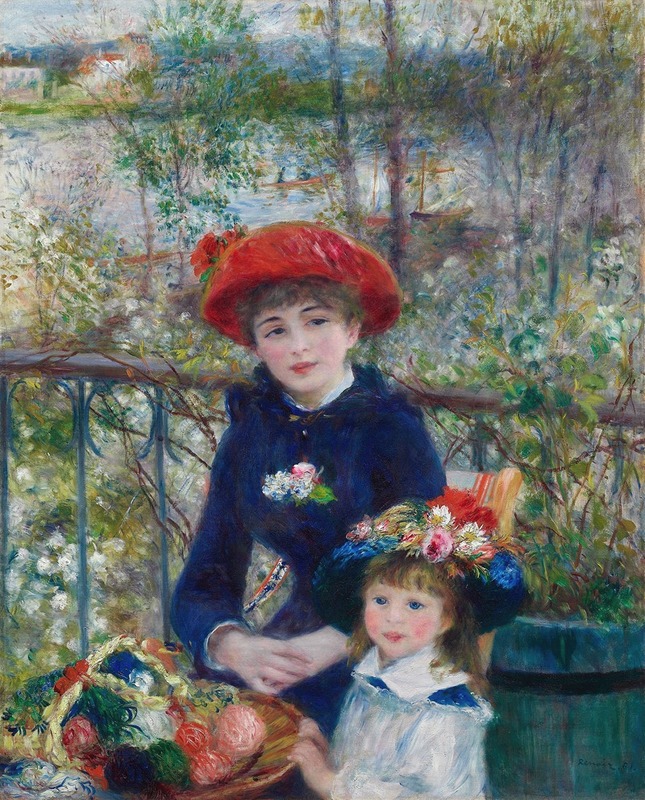
Two Sisters (On the Terrace)
Pierre-Auguste Renoir
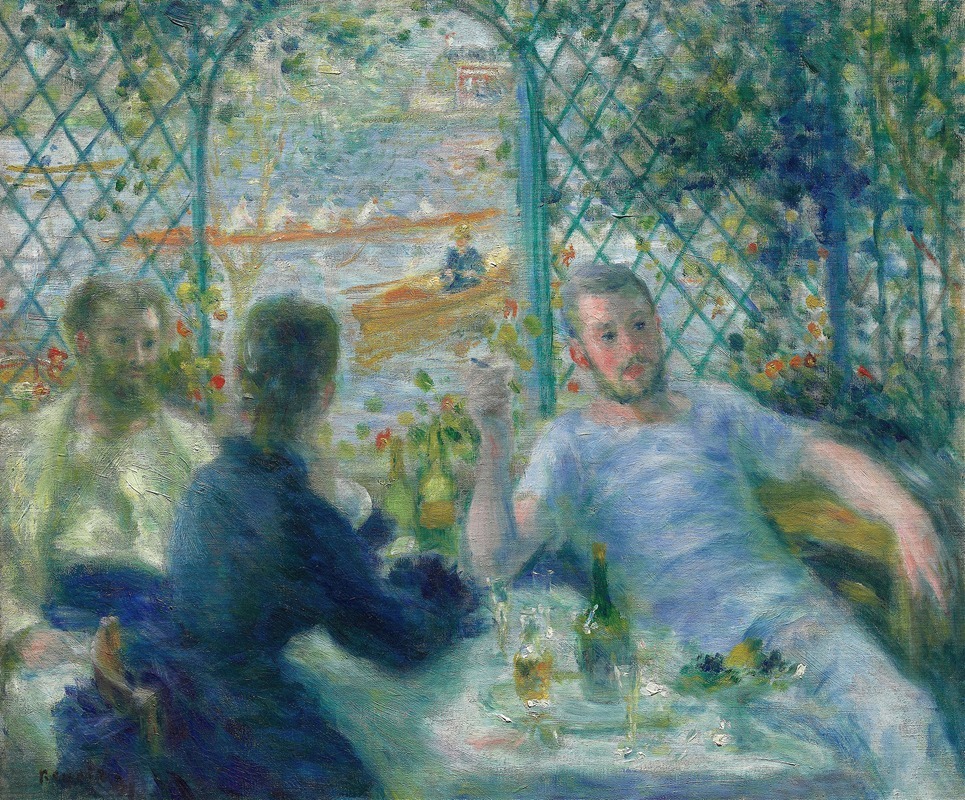
Lunch at the Restaurant Fournaise (The Rowers' Lunch)
Pierre-Auguste Renoir
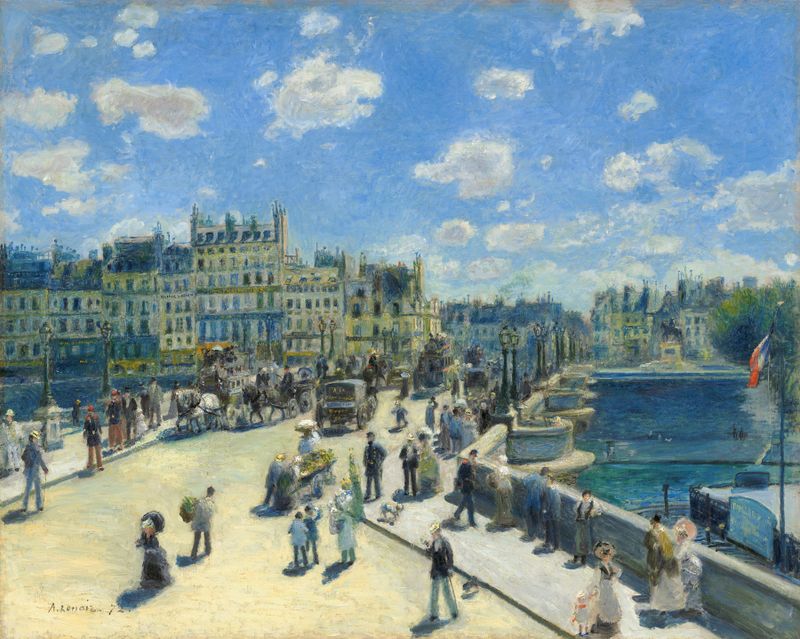
Pont Neuf, Paris
Pierre-Auguste Renoir
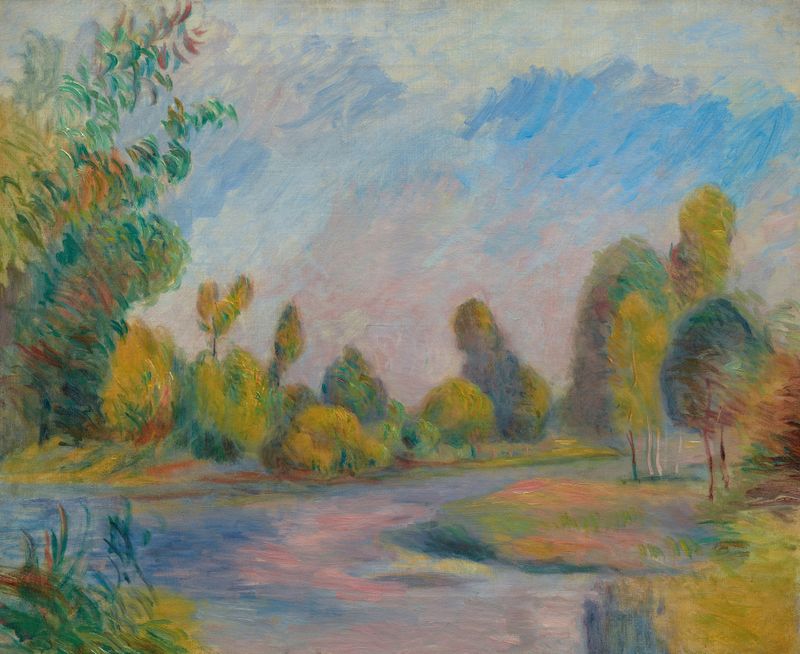
Au bord de la rivière
Pierre-Auguste Renoir

Near the Lake
Pierre-Auguste Renoir
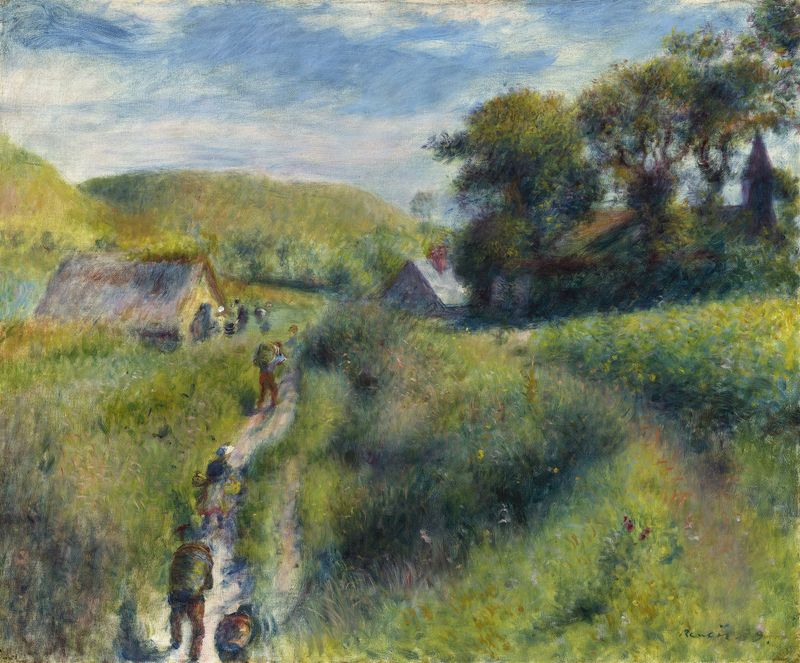
The Mussel Harvest
Pierre-Auguste Renoir

The Seine at Chatou
Pierre-Auguste Renoir
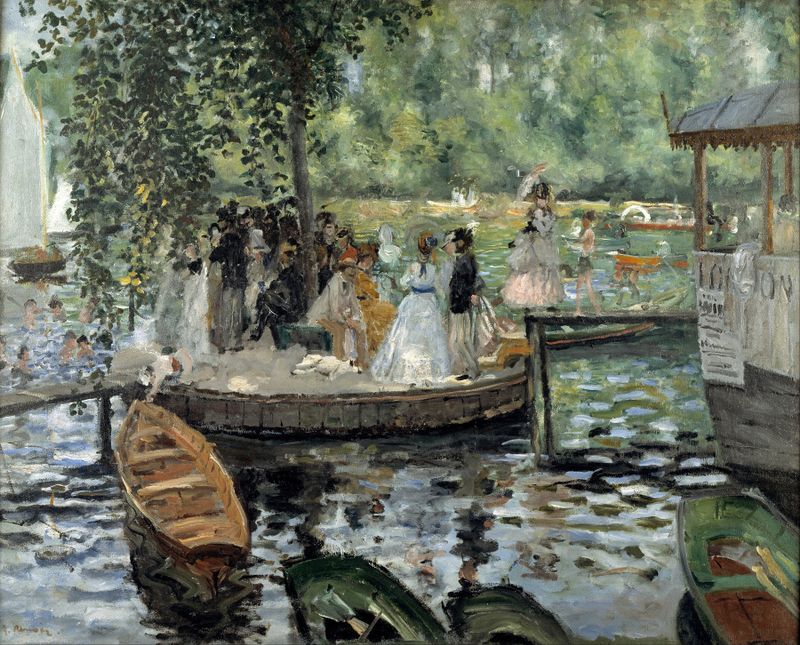
La Grenouillère
Pierre-Auguste Renoir
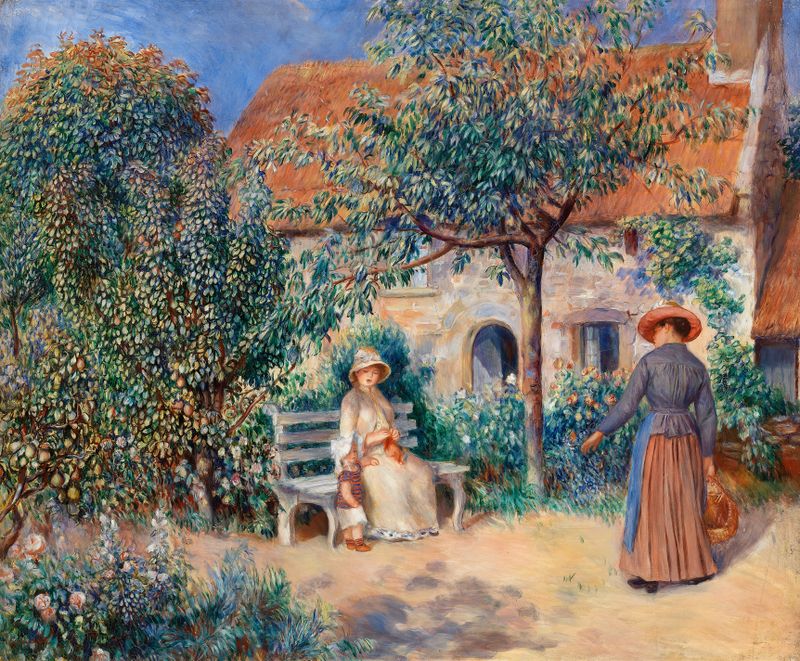
In Brittany (En Bretagne)
Pierre-Auguste Renoir
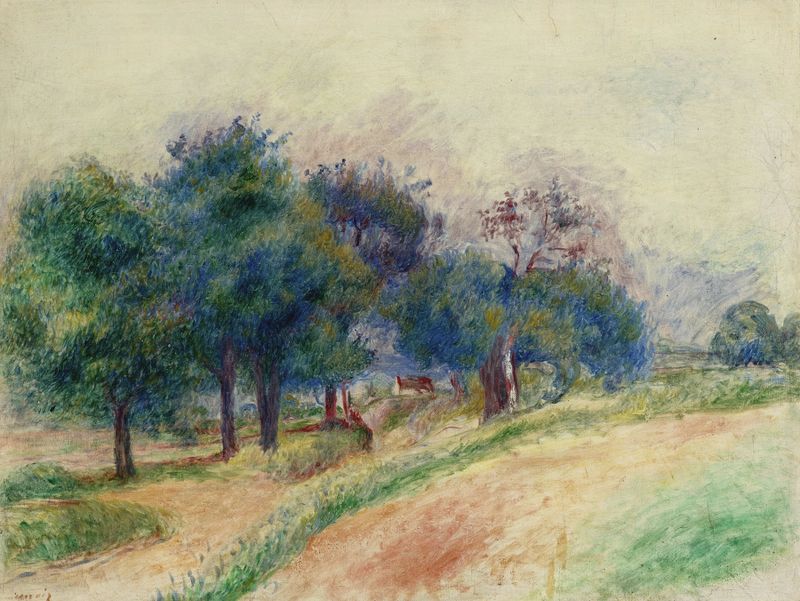
Paysage d’Essoyes
Pierre-Auguste Renoir





