
Road in Ireland — History & Facts
A single, windswept tree clings to the rocky outcrop, its branches reaching into the open sky as if to signal the start of a journey. The viewer’s gaze is drawn down a rough path, winding into a broad Irish valley where distant figures on horseback press forward, almost swallowed by the vastness of the landscape. The light is gentle but uncertain, filtering through a sky that is neither clear nor stormy, lending the scene a sense of quiet anticipation.
Wyant’s brushwork, loose and textured in the foreground, tightens as the land recedes, guiding the eye from the rugged immediacy of stone and scrub to the softened silhouettes of mountains and the faint suggestion of a distant village. The painting’s palette, subdued and earthy, holds the mood in suspension—neither celebration nor sorrow, but the steady persistence of travel. Painted in 1866, Road in Ireland belongs to a moment when American and European artists alike were drawn to the unvarnished countryside, seeking to capture not just grand vistas but the lived reality of rural roads and the people who traversed them. Such landscapes were often collected by those nostalgic for homelands or curious about distant places, and they reflect a period fascination with the ordinary as worthy of art.
Little is recorded about the specific journey that led this painting to the Museum of Fine Arts, Boston, but its presence there today is a testament to the enduring pull of landscapes that invite us to imagine ourselves on the road, just beyond the next bend. Let your eye wander the path, and consider where it might lead.
More Artworks by Alexander Helwig Wyant

Autumn Landscape and Pool
Alexander Helwig Wyant
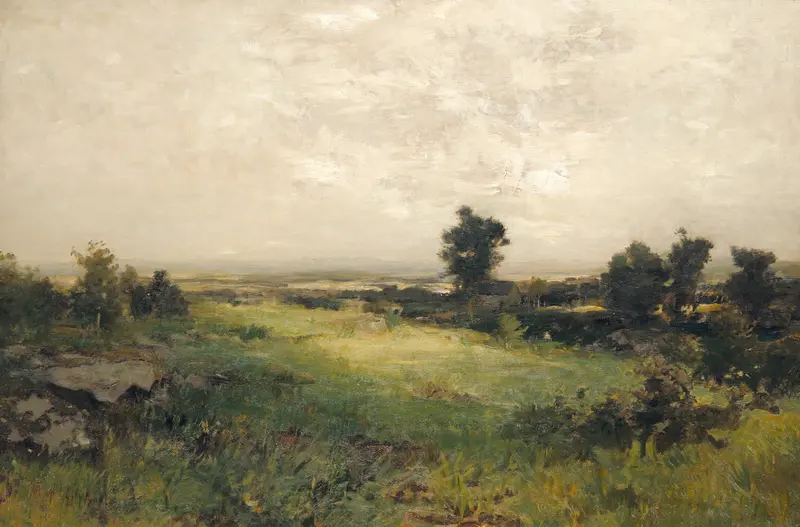
Housatonic Valley
Alexander Helwig Wyant
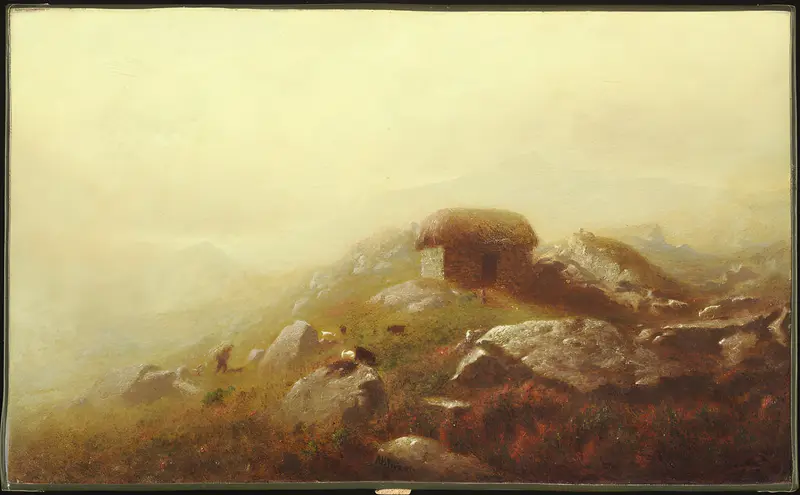
Misty Morning Near the Lakes of Killarney
Alexander Helwig Wyant
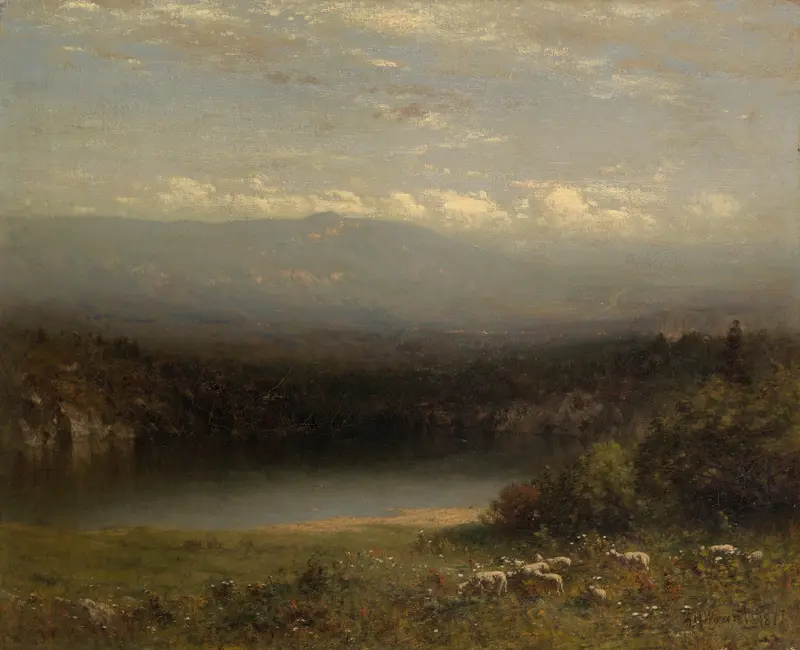
Mountain Lake
Alexander Helwig Wyant
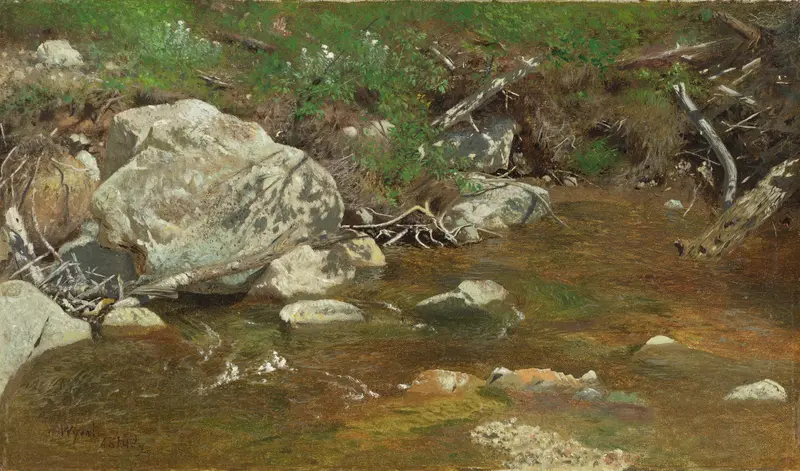
Mountain Brook; A Study
Alexander Helwig Wyant
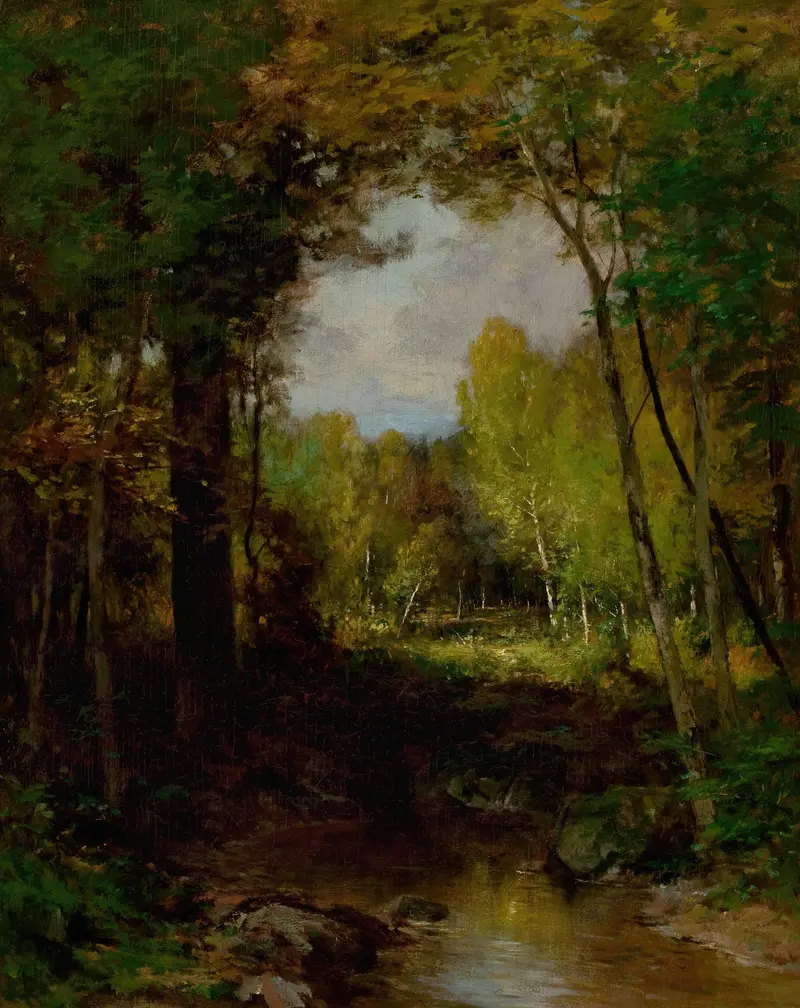
Keene, Adirondacks
Alexander Helwig Wyant
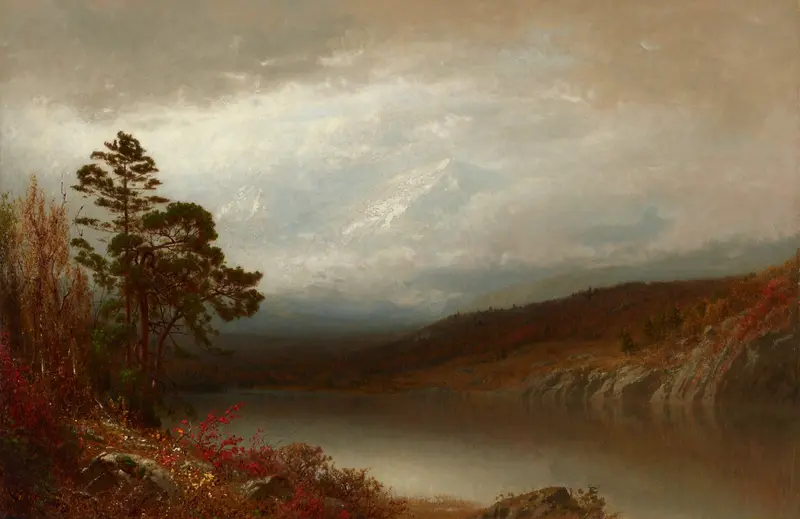
Autumn in the Adirondacks
Alexander Helwig Wyant
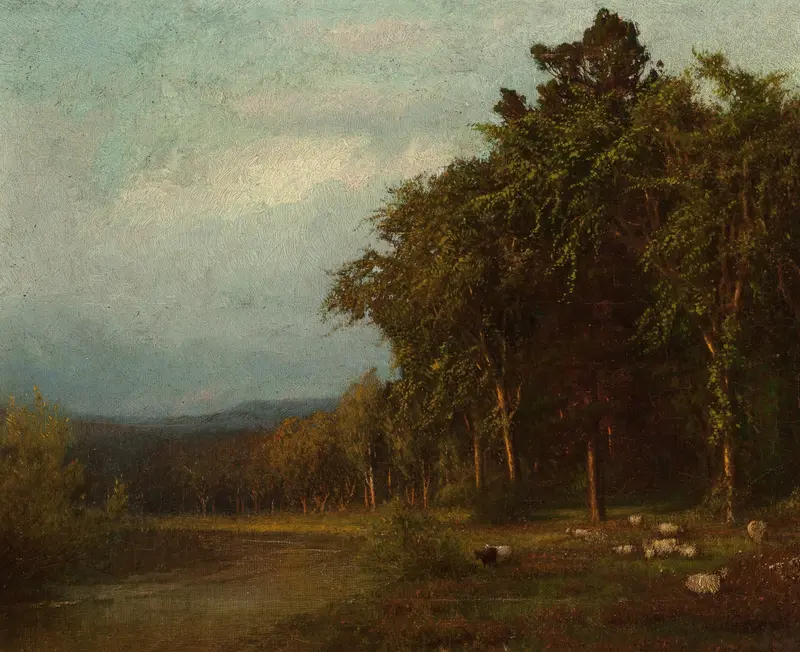
Cattle Grazing, Late Afternoon
Alexander Helwig Wyant
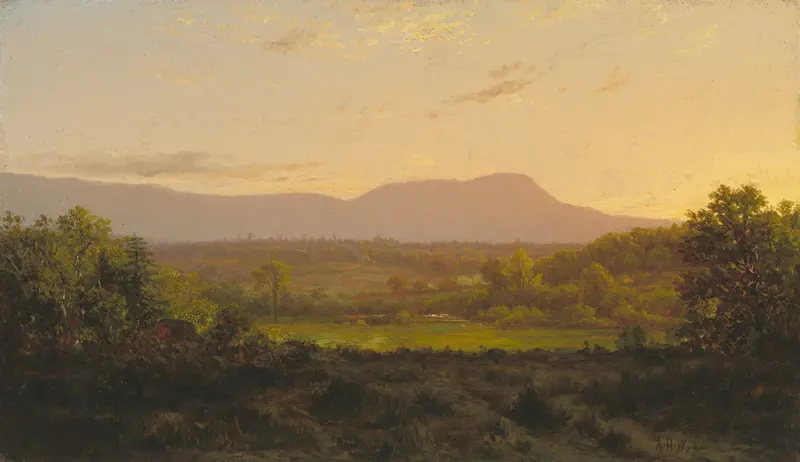
Peaceful Valley
Alexander Helwig Wyant
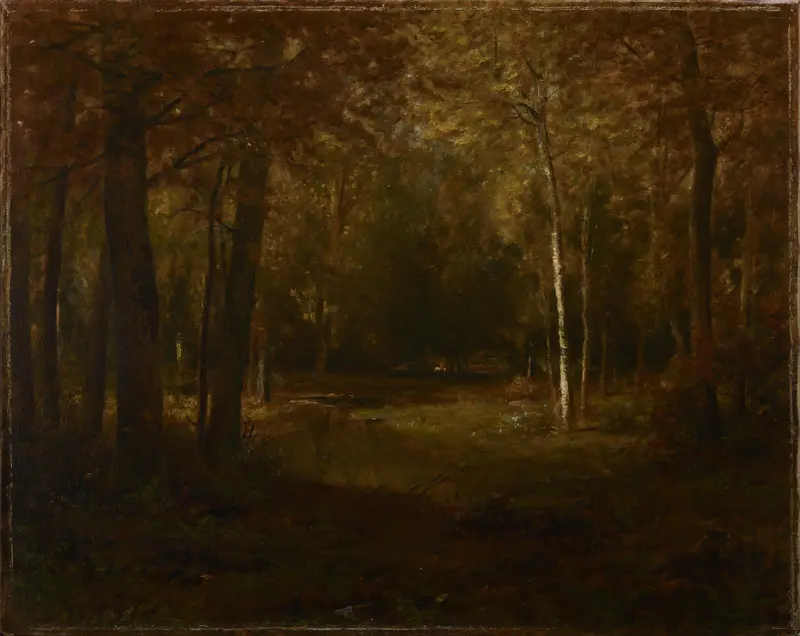
Glade in Autumn
Alexander Helwig Wyant
More Landscape Art

The Starry Night
Vincent van Gogh

View of Delft
Johannes Vermeer

Water Lilies
Claude Monet

The Grand Canal, Venice, looking north-west from the Ca' Corner to the Ca' Contarini degli Scrigni, with the campanile of Santa Maria della Carità
Canaletto

Windsor Castle
Canaletto

The Grand Canal looking North-East from the Palazzo Dolfin-Manin to the Rialto Bridge
Canaletto