Discover insights about this artwork
Road to Golgotha — History & Facts
In Road to Golgotha, Jan Brueghel the Elder depicts a somber scene filled with muted colors. The painting features figures carrying a cross, symbolizing the journey to the crucifixion. The landscape is barren, enhancing the sense of despair and sacrifice.
The sky is overcast, adding to the overall somber mood of the work. The painting is executed in oil on panel, showcasing Brueghel's skill in detail and texture. The figures are meticulously rendered, with attention to their expressions and movements. The use of light and shadow creates depth, drawing the viewer's eye across the composition.
The size of the work is approximately 70 x 100 cm, making it a significant piece within the artist's oeuvre. Jan Brueghel the Elder was known for his landscapes and religious themes, often collaborating with other artists. This work, painted around 1600, reflects the Northern Renaissance's focus on human emotion and narrative. Interestingly, Brueghel's depictions of biblical scenes often include intricate details of nature, showcasing his love for the natural world.
Road to Golgotha stands as a testament to his ability to blend spirituality with the beauty of the earthly realm.
More Artworks by Jan Brueghel the Elder

Bouquet of Flowers in an Earthenware Vase
Jan Brueghel the Elder
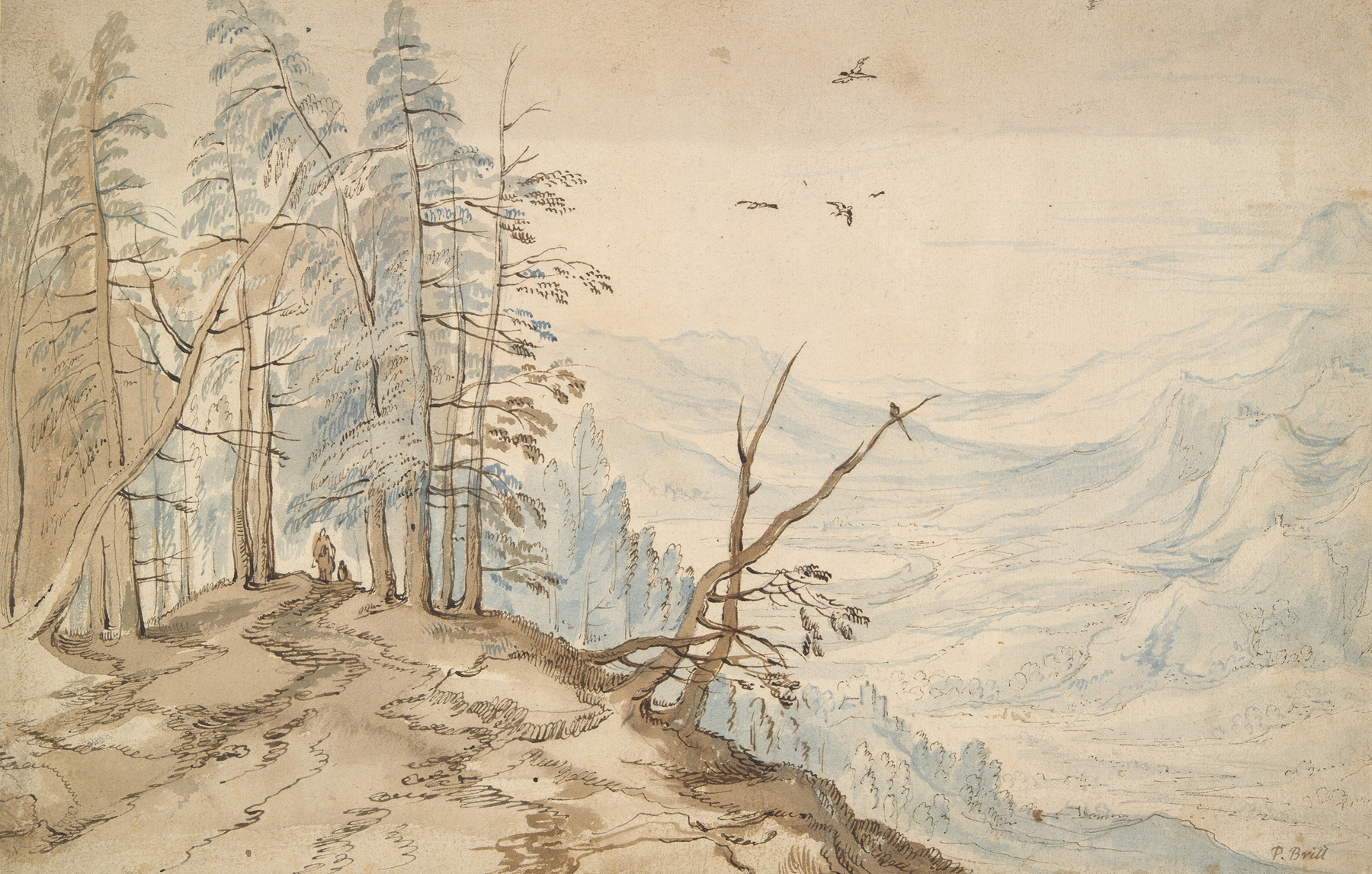
View in a Valley from the Edge of a Mountain Road
Jan Brueghel the Elder
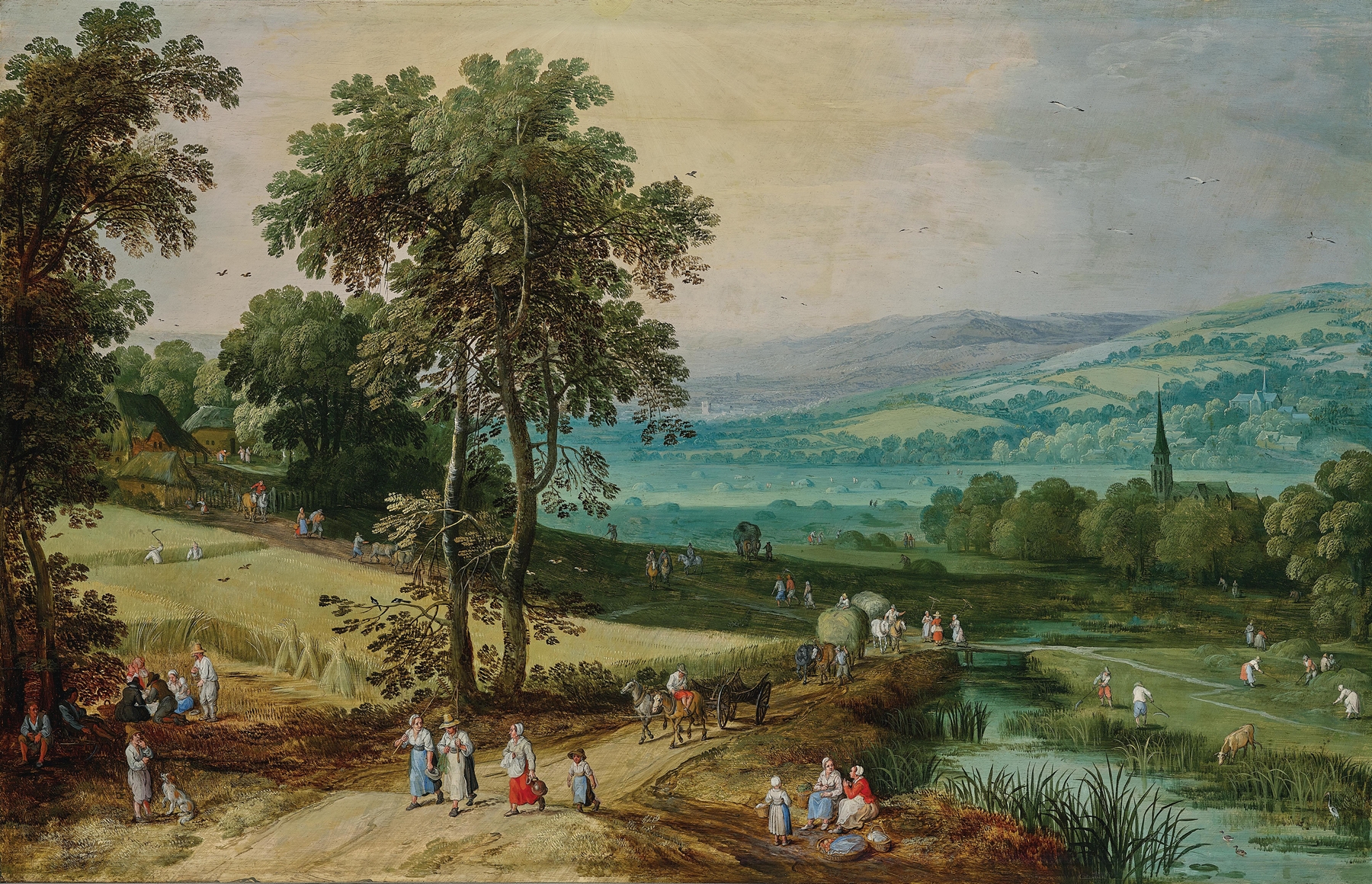
An extensive wooded landscape with travellers on a path and the corn harvest in the foreground
Jan Brueghel the Elder
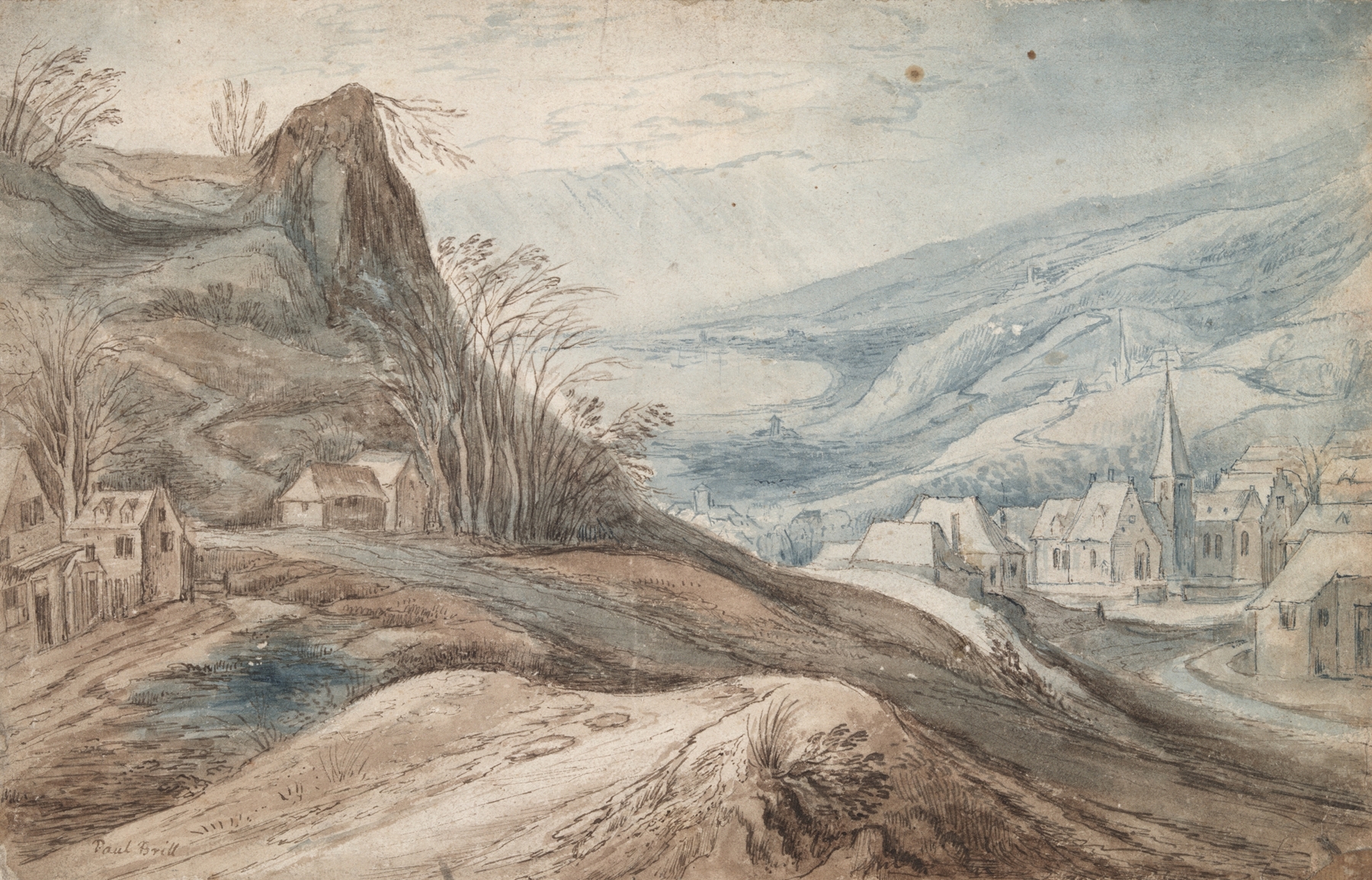
Mountainous Landscape with Village in Valley and Distant View
Jan Brueghel the Elder
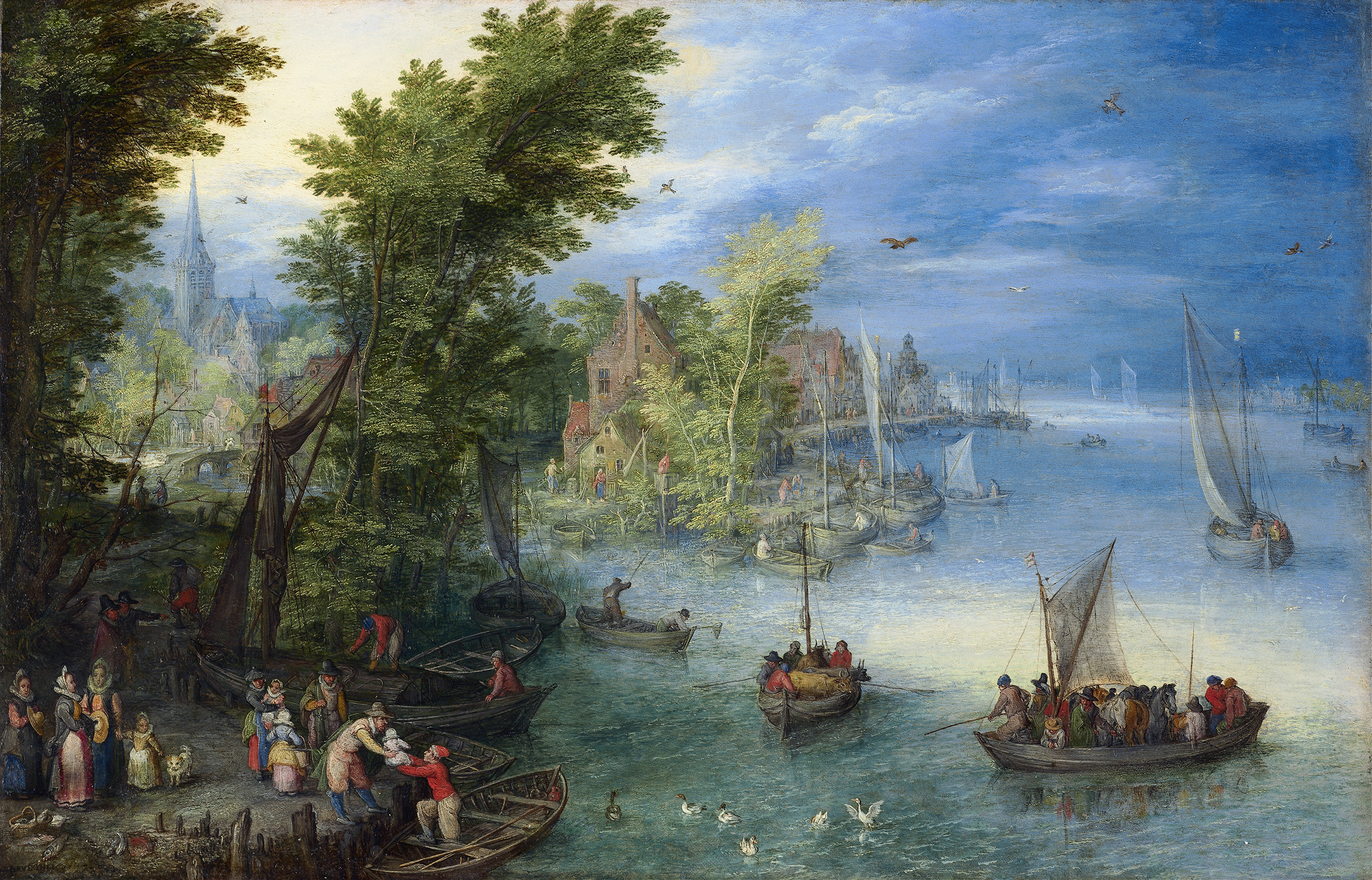
River Landscape
Jan Brueghel the Elder
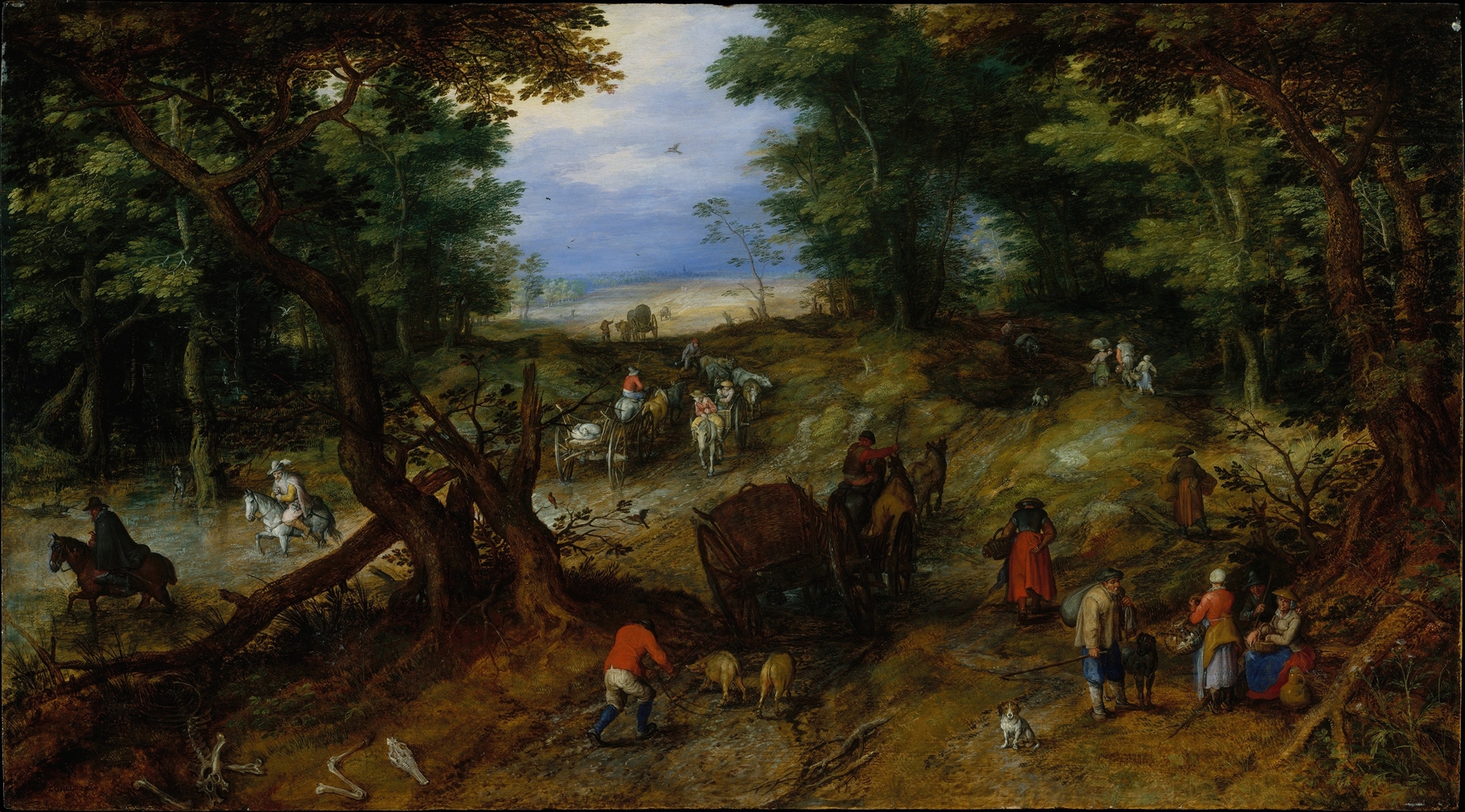
A Woodland Road with Travelers
Jan Brueghel the Elder
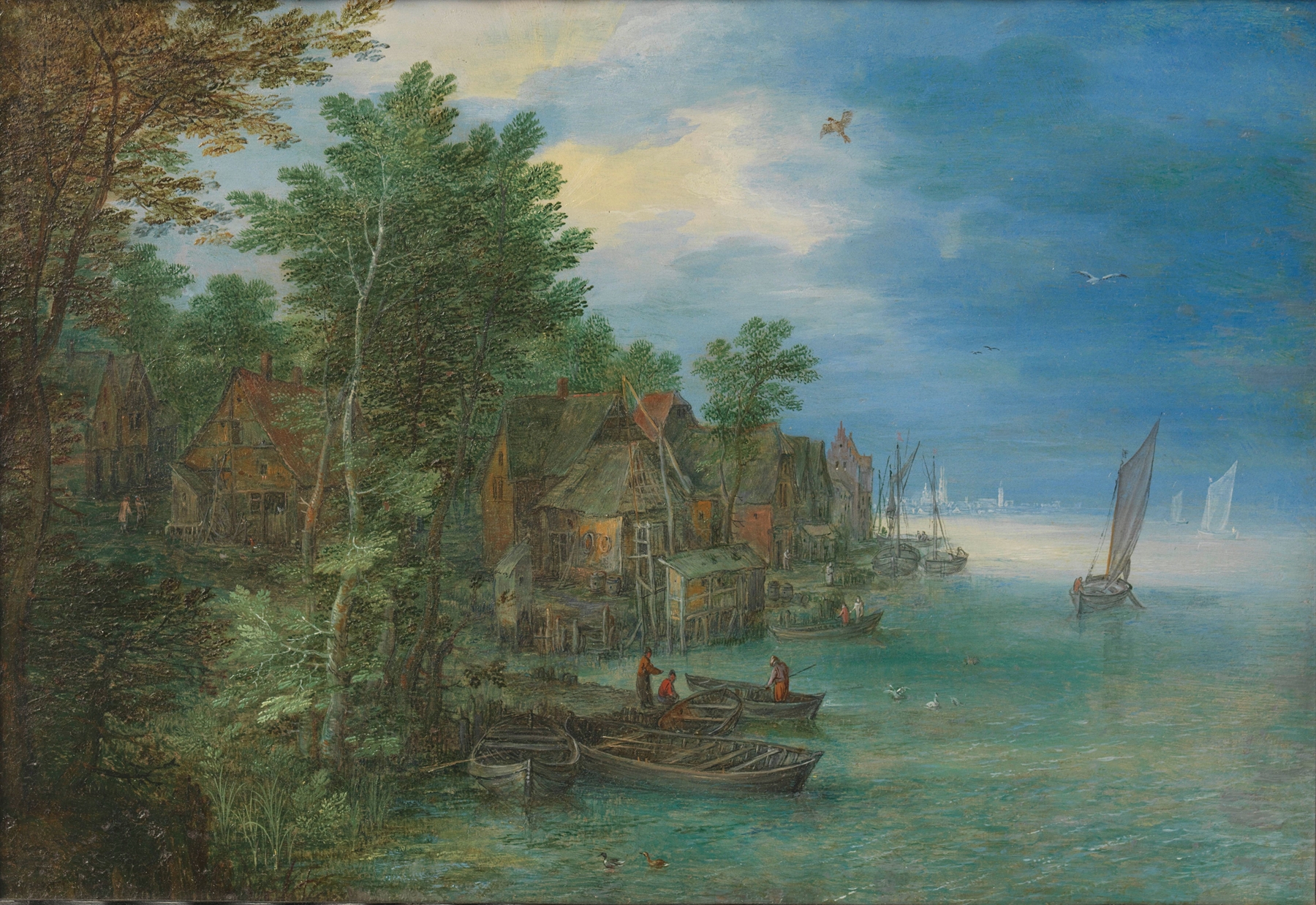
View of a Village along a River
Jan Brueghel the Elder
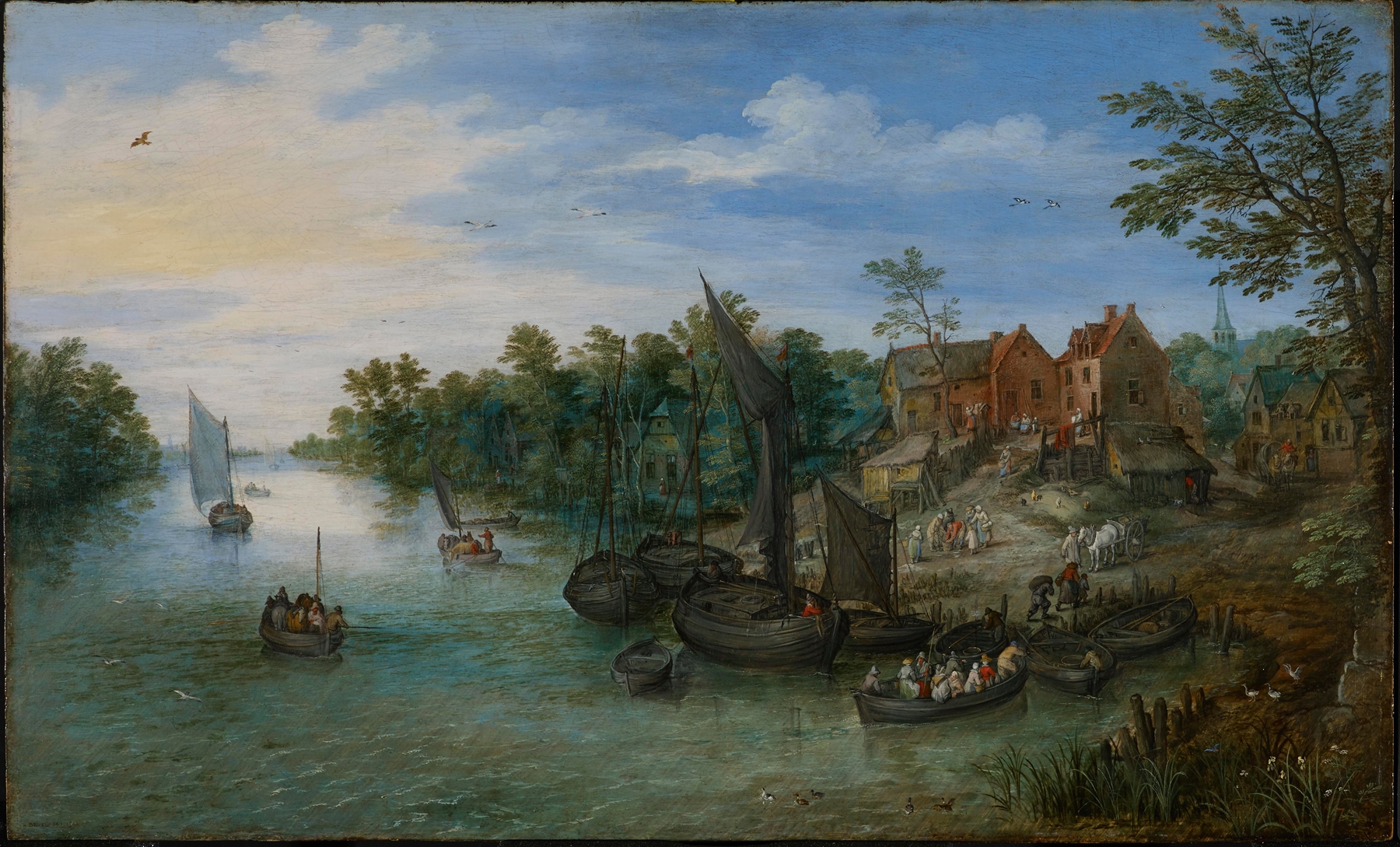
River Landscape
Jan Brueghel the Elder
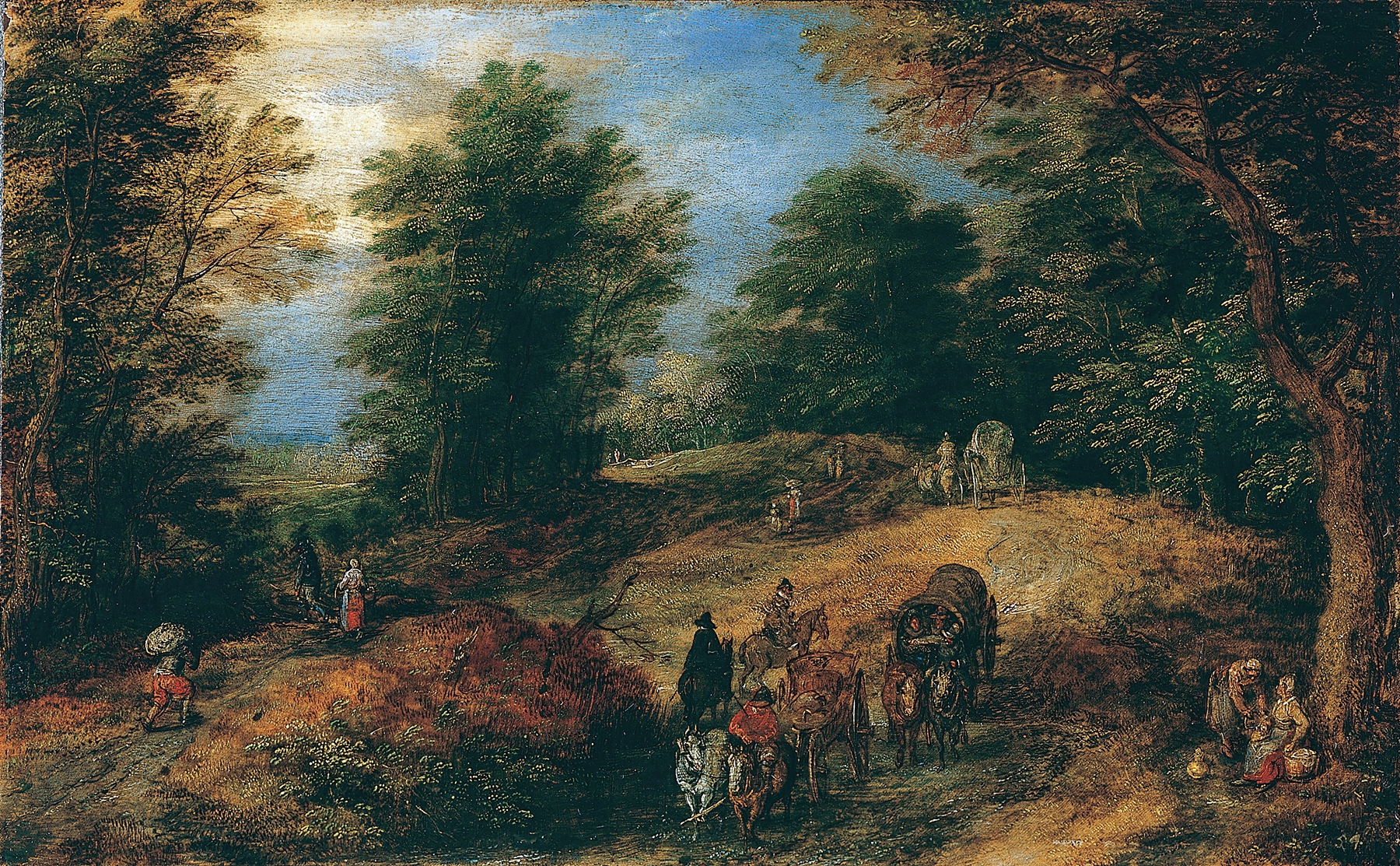
Landscape with Travelers on a Woodland Path
Jan Brueghel the Elder
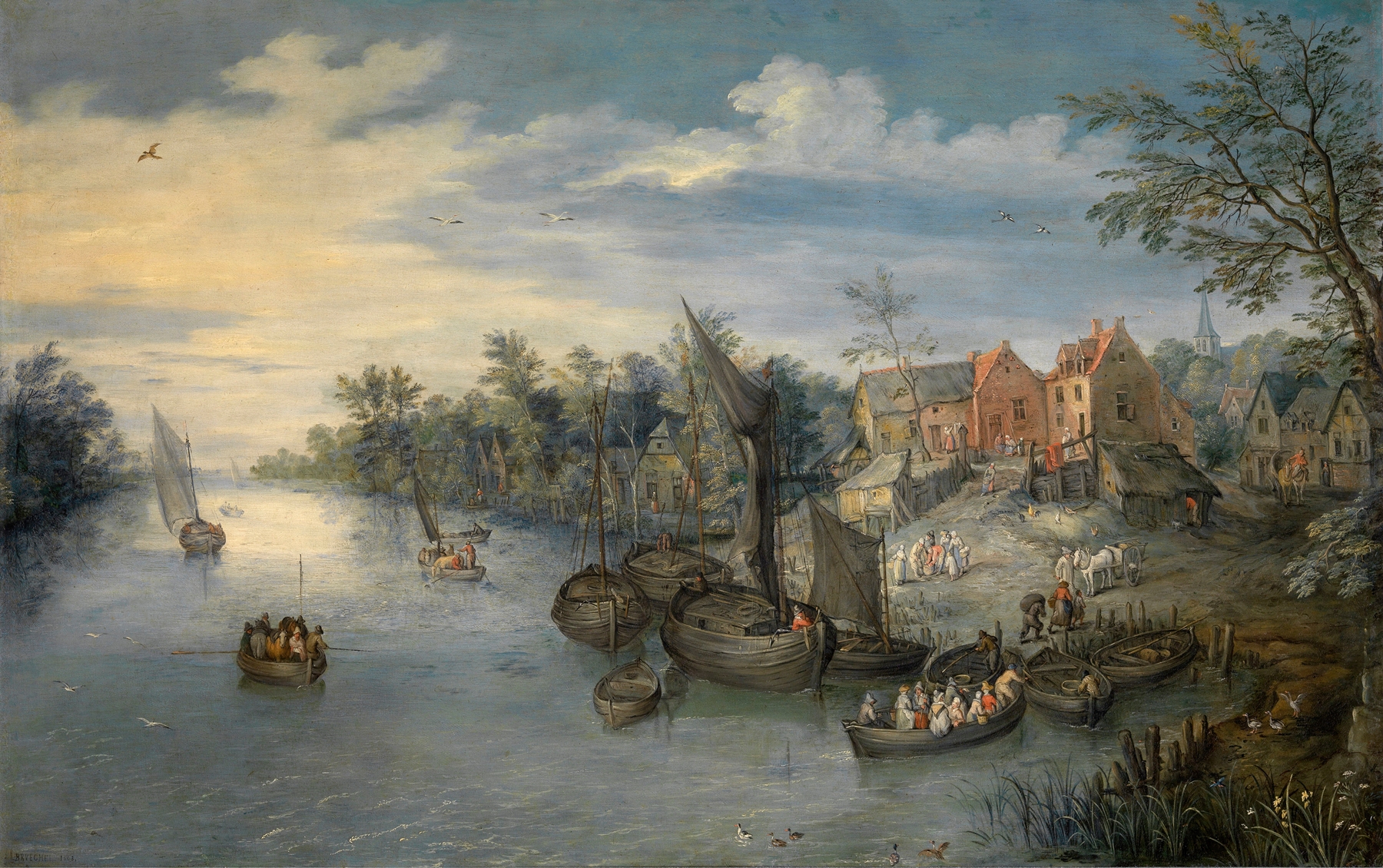
River Landscape
Jan Brueghel the Elder