Mountainous Landscape with Village in Valley and Distant View — History & Analysis
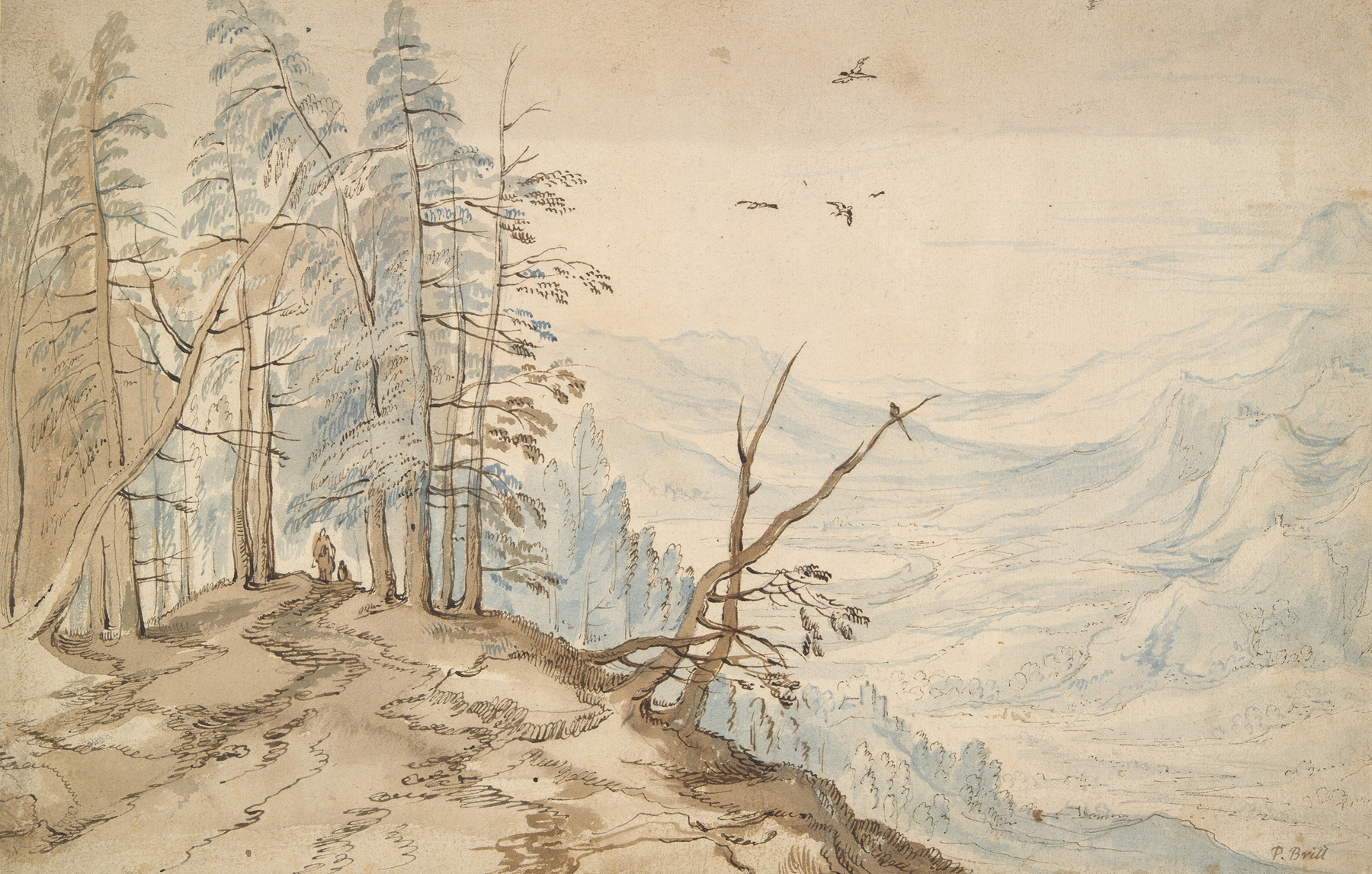
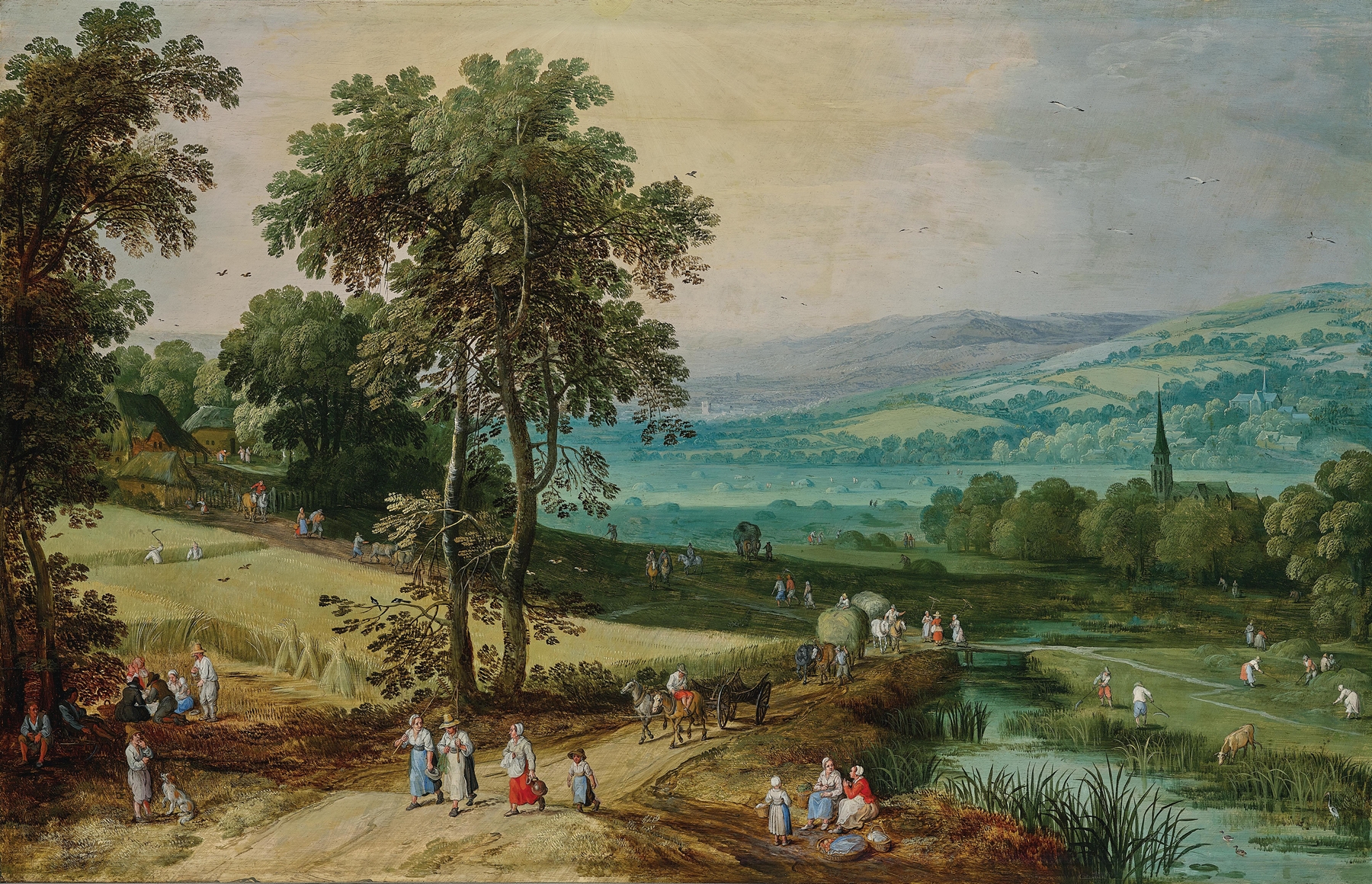
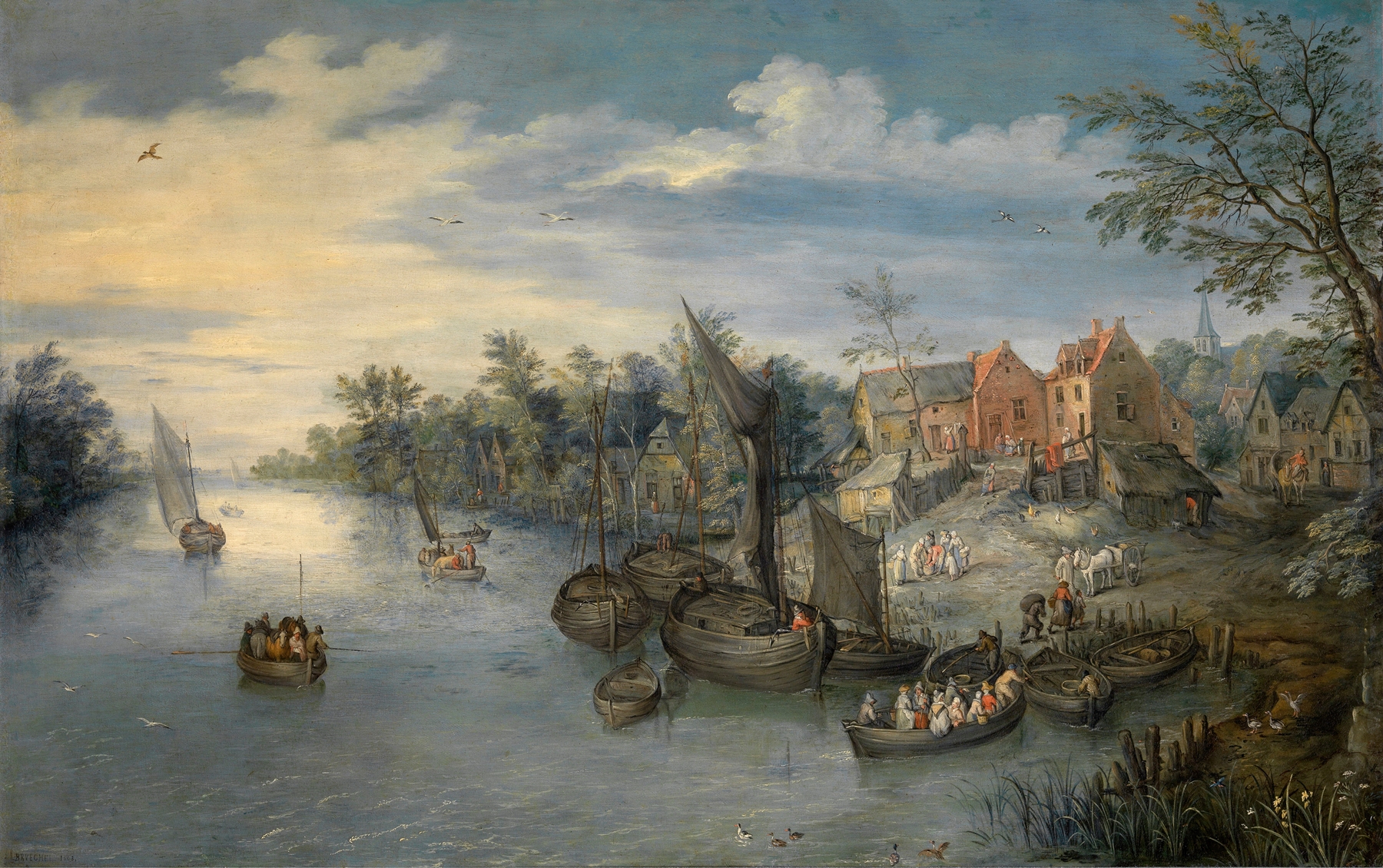
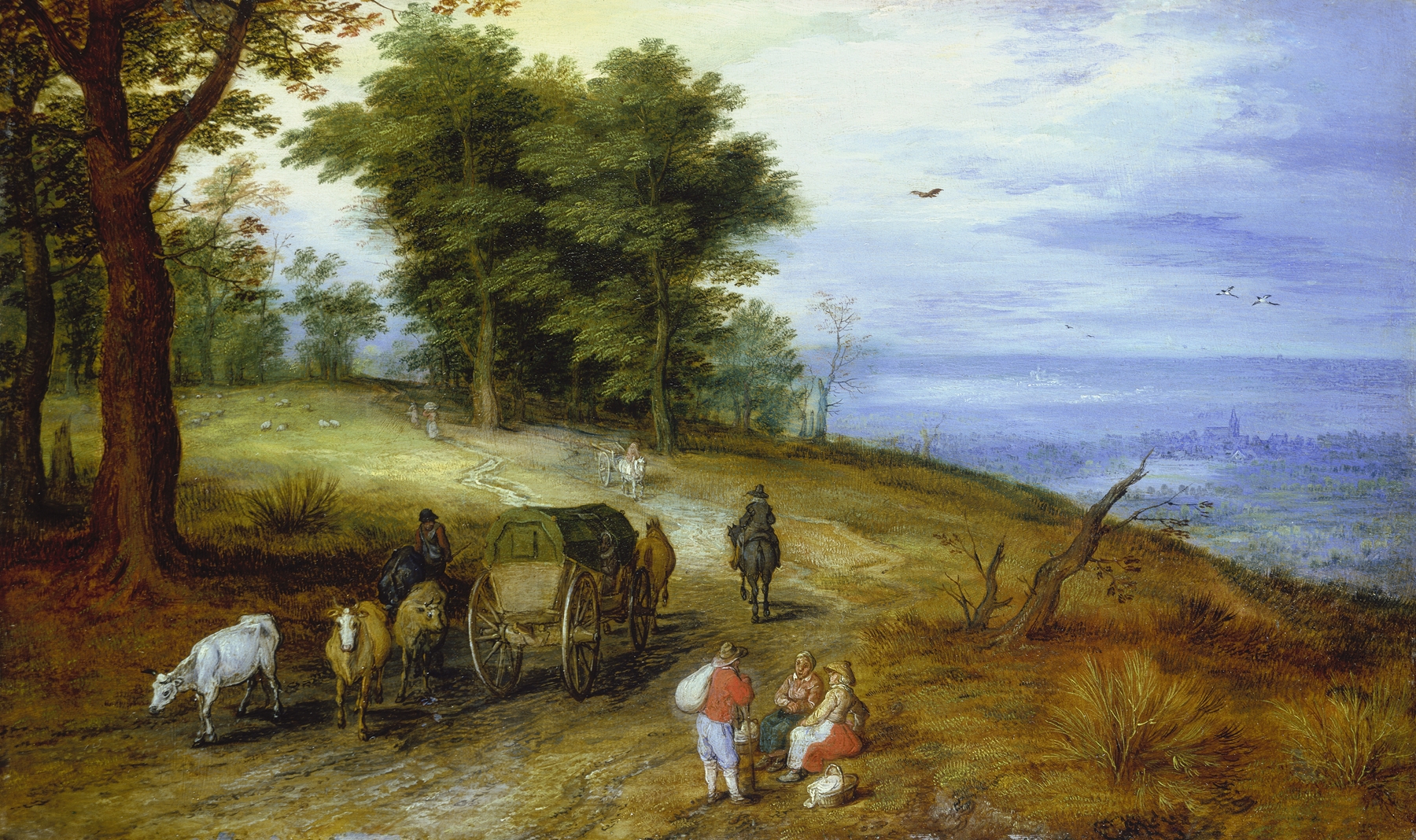
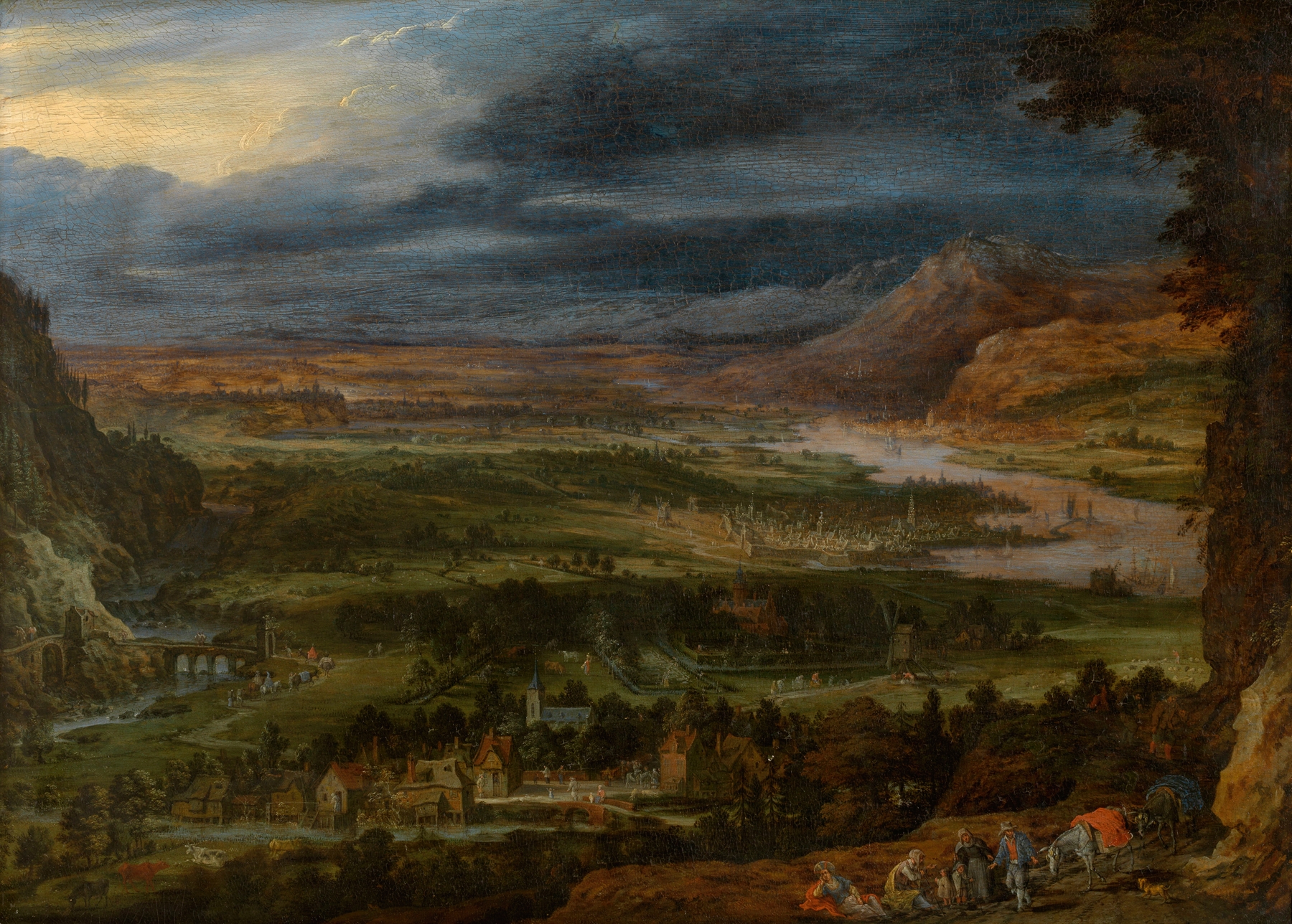
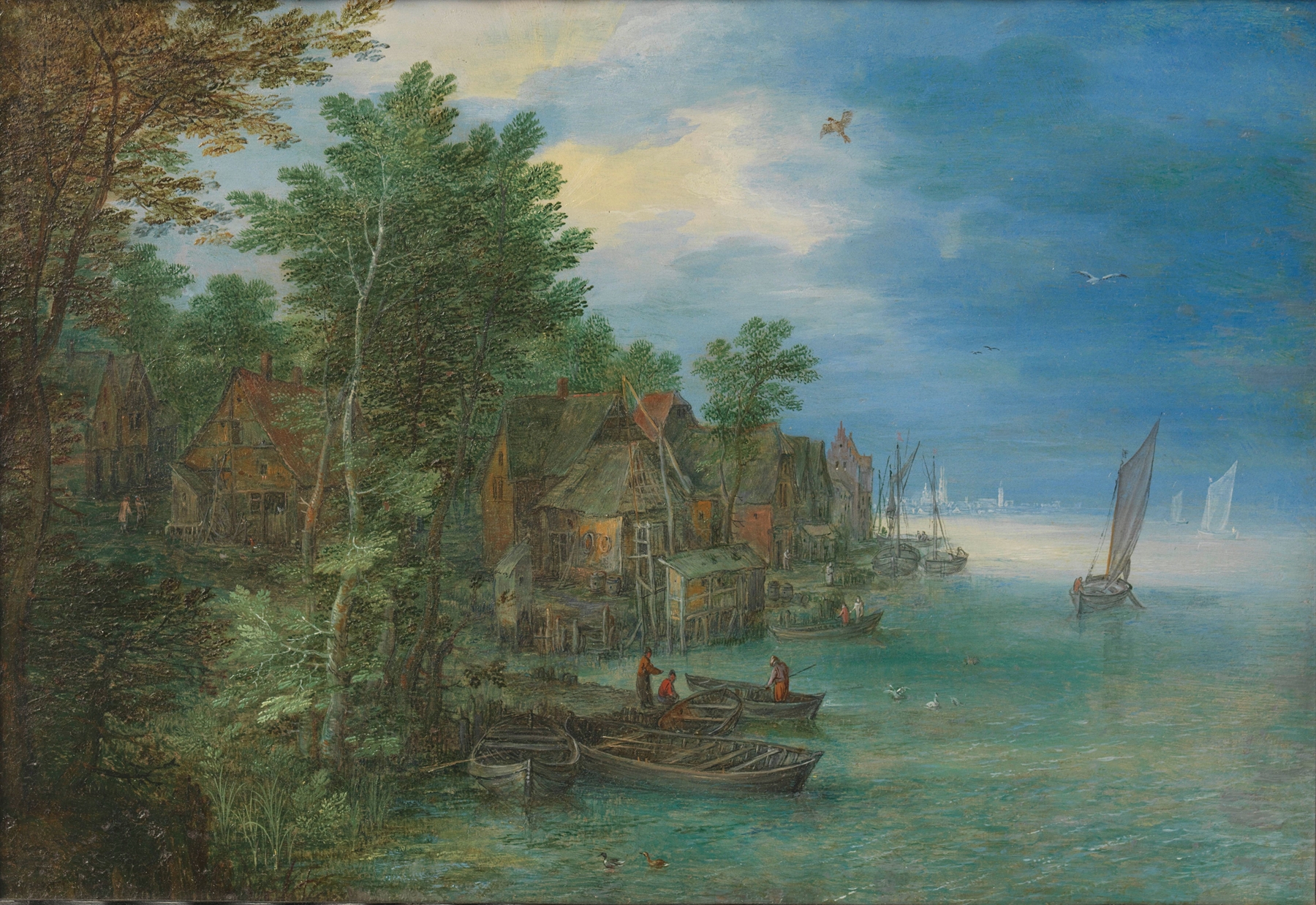
Who listens when art speaks of silence? In the tranquil embrace of nature, we find a snapshot of innocence, where the echoes of life seem to linger just beyond the horizon. Gaze towards the center of the canvas, where the village nestled in the valley catches your eye. The warm hues of the cottages, painted in shades of ochre and sienna, contrast beautifully against the lush greens of the surrounding meadows. Notice how the gentle curves of the distant mountains rise majestically, their peaks kissed by the soft light, creating a harmonious balance between the natural and the human-made.
The delicate brushwork captures the soft play of sunlight, inviting you to explore the depths of this serene landscape. Beneath the surface, the artwork speaks of a simple yet profound coexistence. The villagers, though not present, impart a sense of community and shared experience, their lives interwoven with nature’s rhythm. The distant mountains, towering yet tranquil, evoke a sense of both aspiration and humility, reminding us of the vastness of the world outside the village’s confines.
The juxtaposition between the peaceful village and the formidable mountains serves as a poignant reminder of life's fragility and the innocence of human existence amid nature’s grandeur. Created in the 17th century, this piece reflects Jan Brueghel the Elder's mastery in landscape painting during a time when artists were increasingly exploring the relationship between humanity and nature. Living in Antwerp, he was influenced by the burgeoning Baroque style, which emphasized dramatic light and vivid colors. This painting showcases his skill in rendering serene rural life, resonating with viewers who sought solace in the beauty of the natural world amid the complexities of their time.