
Rochers — History & Facts
Could a single brushstroke hold eternity? In Rochers, the interplay of color and texture invites the viewer to ponder the vastness contained within the void. Focus first on the textured surfaces of the rocks, where deep, earthy tones command attention. The rich browns and muted greens are punctuated by splashes of white that suggest both light and erosion. Notice how the artist masterfully layers paint, creating a sense of depth that draws the eye into the crevices, inviting exploration of each shadow and highlight.
The composition feels both grounded and expansive, as if the rocks themselves are breathing within a boundless landscape. Within this artwork lies a tension between permanence and impermanence. The ruggedness of the rocks speaks to the passage of time, enduring yet eroded, symbolizing nature's relentless force. In contrast, the light reflecting off their surfaces hints at transience, a fleeting moment captured forever, as if the void surrounding them whispers secrets of existence.
This duality fosters a contemplative space, urging viewers to reflect on their own place within the continuum of life. Created around 1898, this piece emerged during Brokman's time in France, a period of rich artistic exploration. The late 19th century was marked by an evolving interest in Impressionism and the natural world, where artists sought to capture not just the physicality of landscapes, but their emotional resonance. Brokman, influenced by these movements, aimed to distill the essence of the rocks, inviting viewers to experience both their solitude and their significance in the grand narrative of nature.
More Artworks by Henry Brokman
Browse all →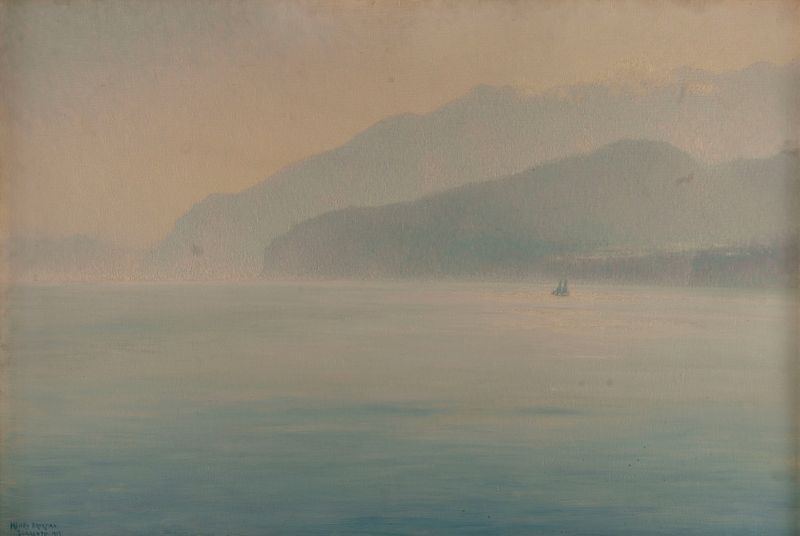
Côte De Sorrente, Bleu Et Argent
Henry Brokman
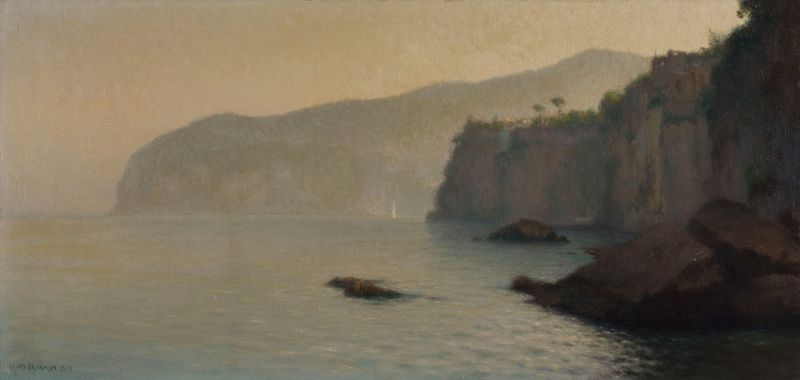
Petite côte de Sorrente (grise)
Henry Brokman
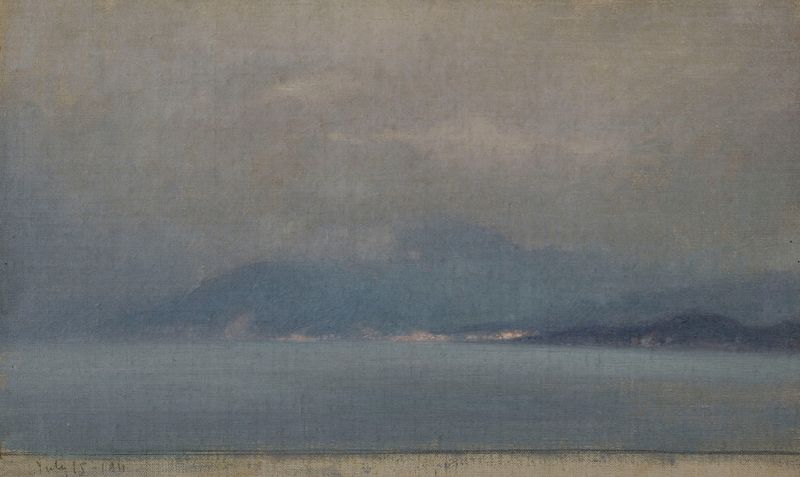
Etude de paysage
Henry Brokman
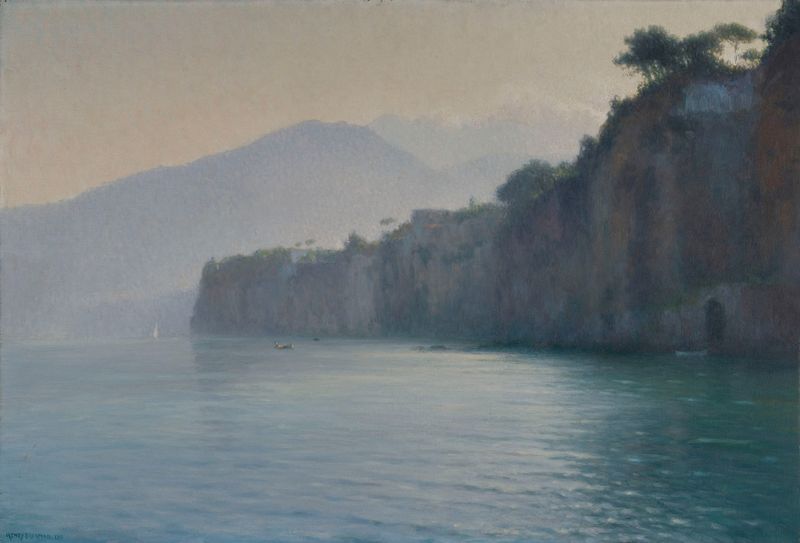
Sorrente, côte argentée
Henry Brokman
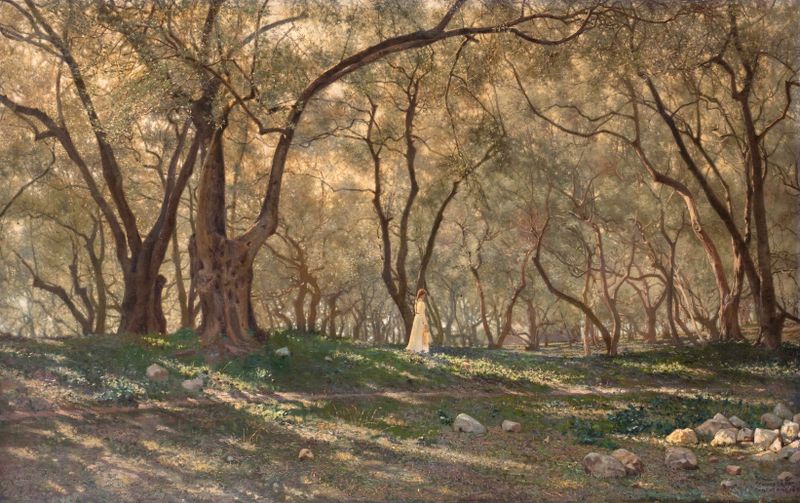
Jeune Fille Sous Les Oliviers – Menton
Henry Brokman
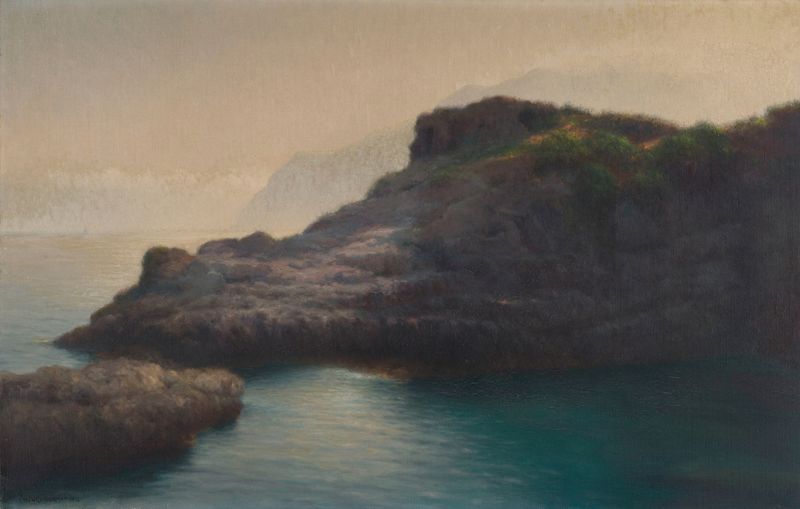
Cap de Sorrente
Henry Brokman
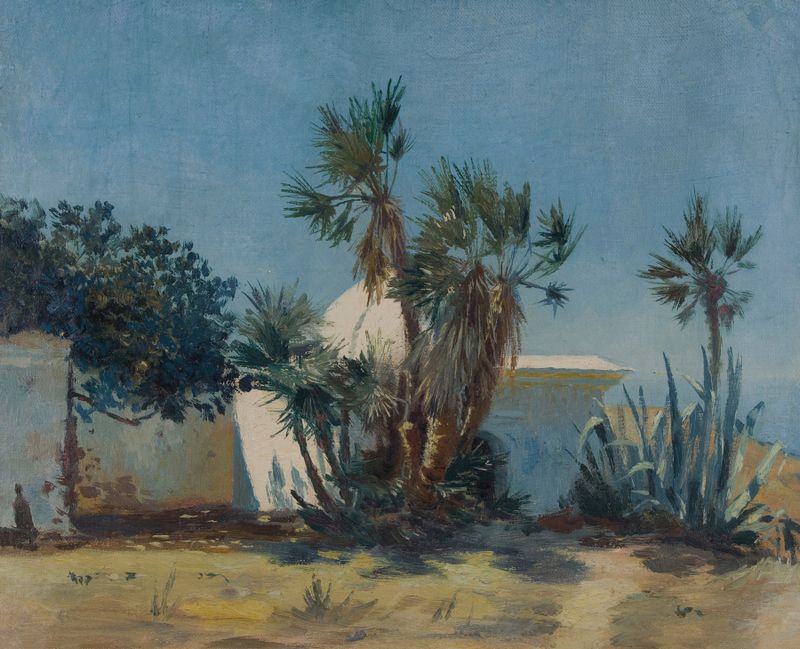
L’Oasis
Henry Brokman
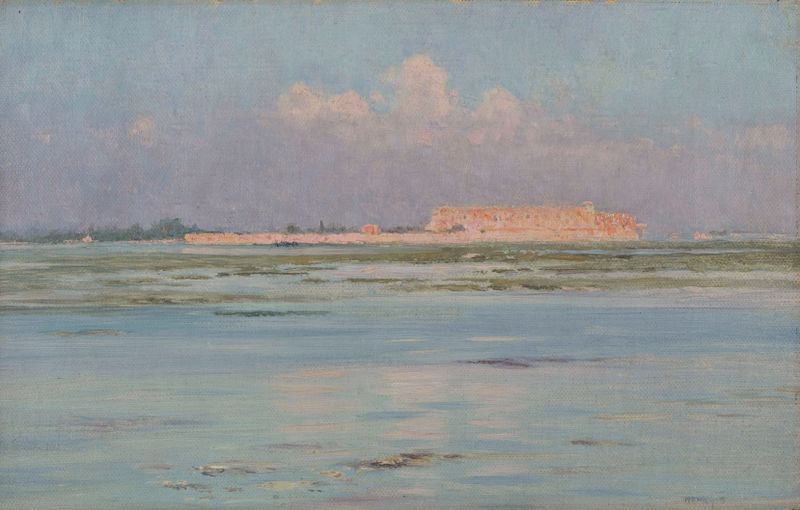
Le Temple De Louxor, Egypte
Henry Brokman
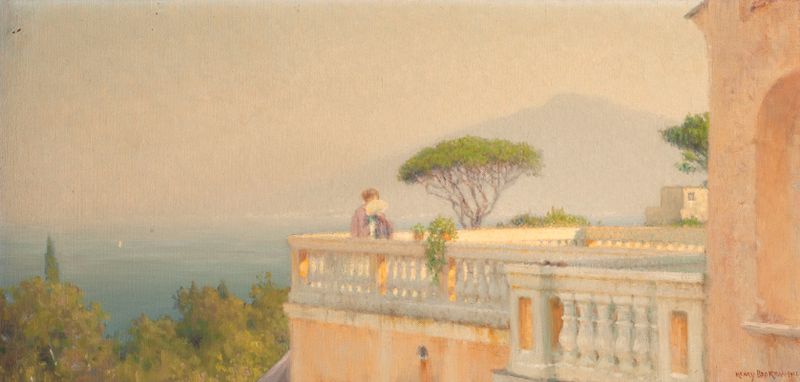
Terrasse De L’hôtel Cocumella
Henry Brokman
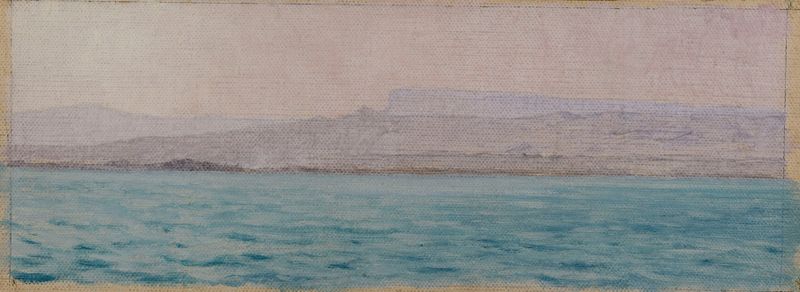
Rive du Nil, Egypte
Henry Brokman





