
Rochers À Ornans — History & Facts
In the hushed embrace of nature, fragility becomes the silent witness of our existence. The delicate balance of life and decay holds a profound weight, echoing the intricacies of human experience. Look to the left at the rugged contours of the rocks, their weathered surfaces captured with meticulous brushwork that reveals both strength and vulnerability. The muted palette, dominated by earthy browns and soft greens, conjures a sense of stillness, drawing the viewer's gaze into the depths of the scene.
Notice how the light gently caresses the edges, illuminating the textures and creating a contrast between the solid forms and the ethereal atmosphere that envelops them. Beneath this simple landscape lies a complex interplay of permanence and transience. The stones, steadfast yet eroded, symbolize the passage of time and the inevitability of change. Amidst this natural setting, one can sense a hidden narrative of existence — the quiet acknowledgment that everything, even the most formidable, is subject to the creeping hand of fragility.
Each detail, from the lichen clinging to the rocks to the gentle play of shadows, suggests a profound connection between the landscape and the ephemeral nature of life. In 1869, Gustave Courbet painted Rochers À Ornans amidst the rise of the Realist movement, which sought to depict the world as it truly was. Living in Ornans, France, Courbet was deeply influenced by his surroundings and the social changes of his time. This piece arose during an era when artists challenged traditional aesthetics, embracing authenticity and exploring the raw beauty of nature, reflecting both personal and collective experiences through the lens of realism.
More Artworks by Gustave Courbet
Browse all →
Marine
Gustave Courbet
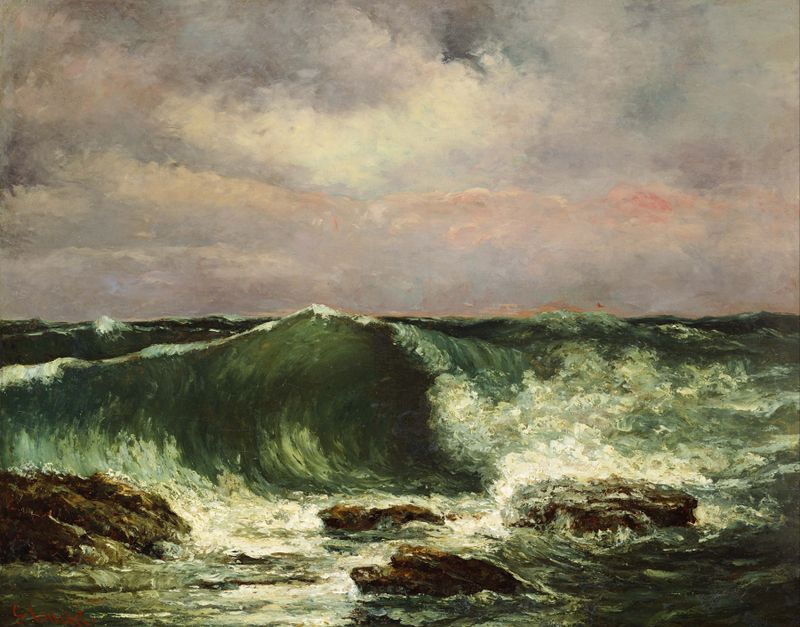
Waves
Gustave Courbet

Étretat; Les Falaises
Gustave Courbet
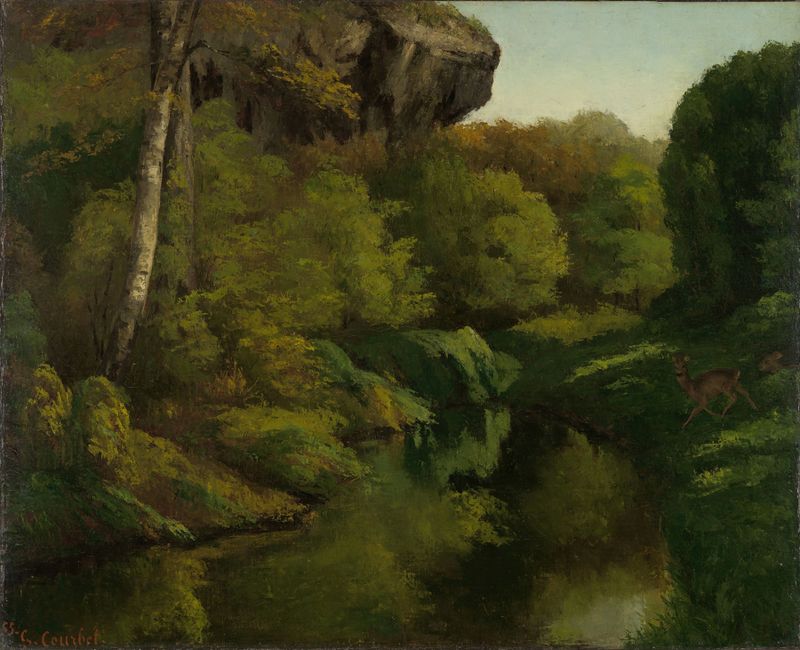
View in the Forest of Fontainebleau
Gustave Courbet
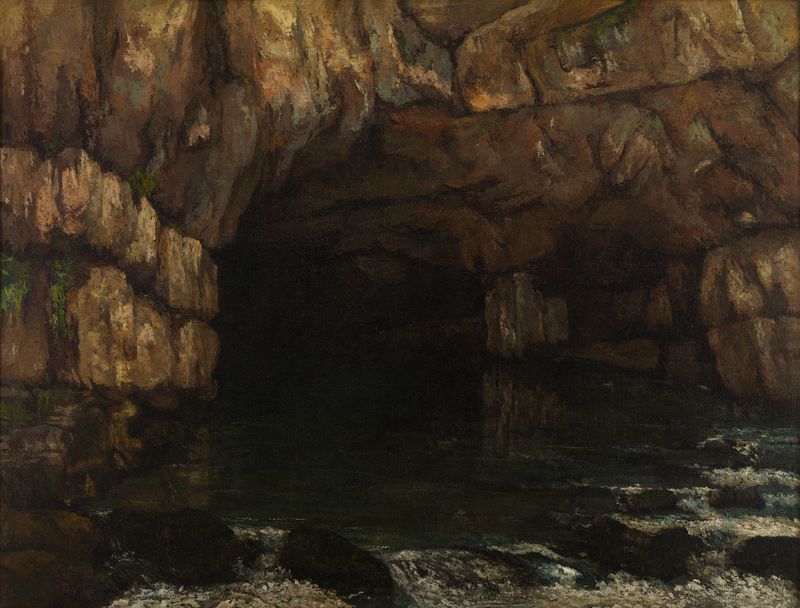
La source de la Loue (The Source of the Loue)
Gustave Courbet

Low Tide at Trouville
Gustave Courbet
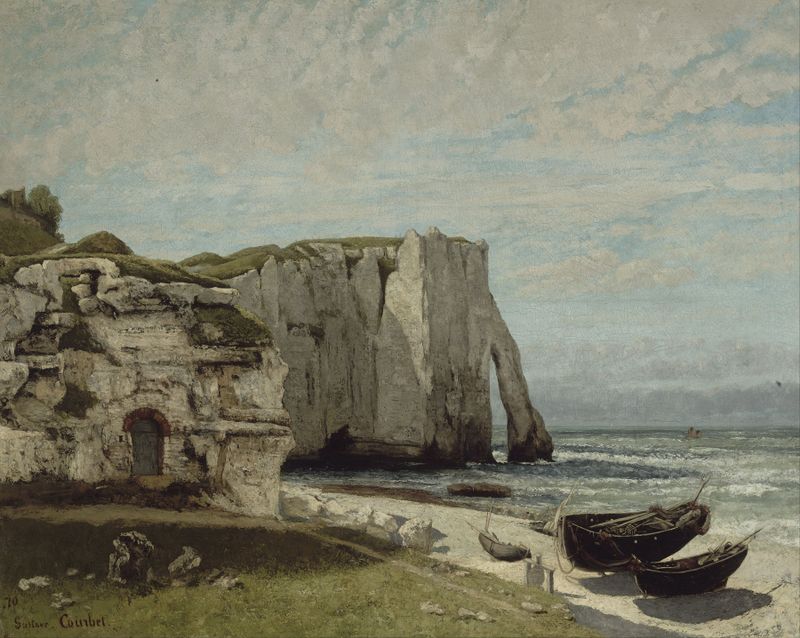
The Etretat Cliffs after the Storm
Gustave Courbet
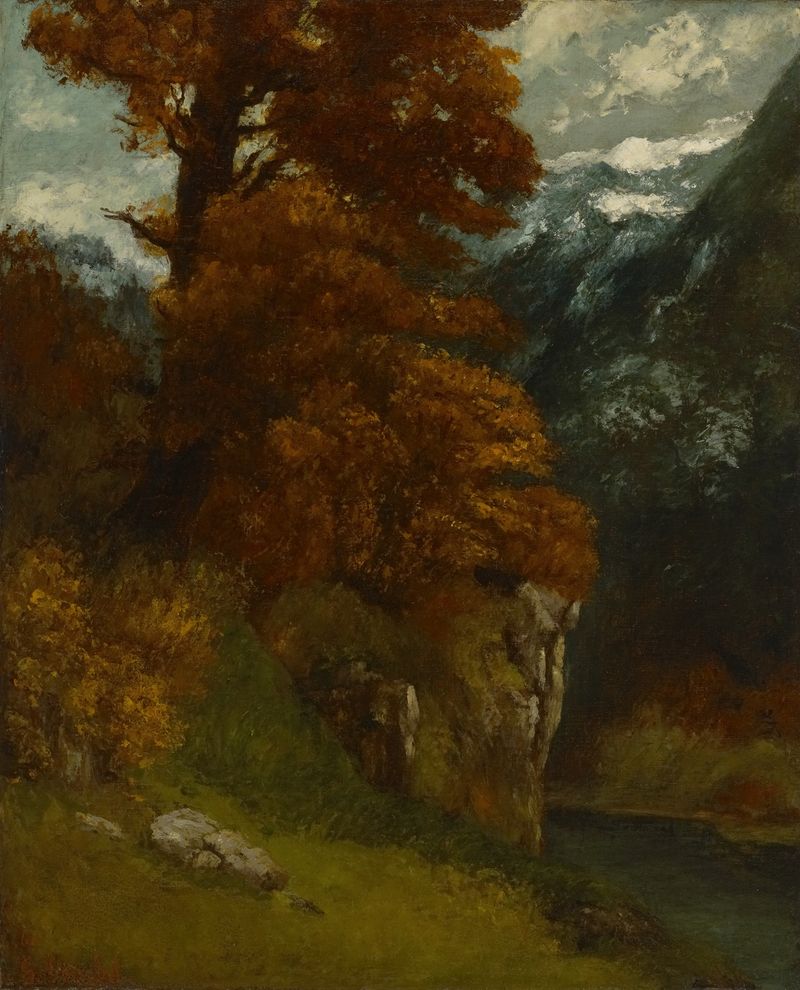
The Glen at Ornans (Bords du Doubs; Effet d’Automne)
Gustave Courbet
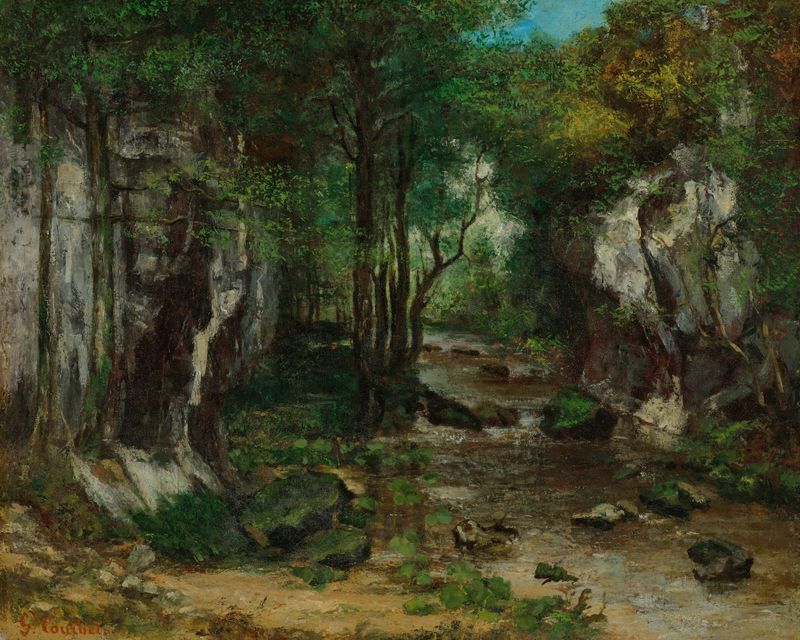
Le Ruisseau de Puits Noir
Gustave Courbet
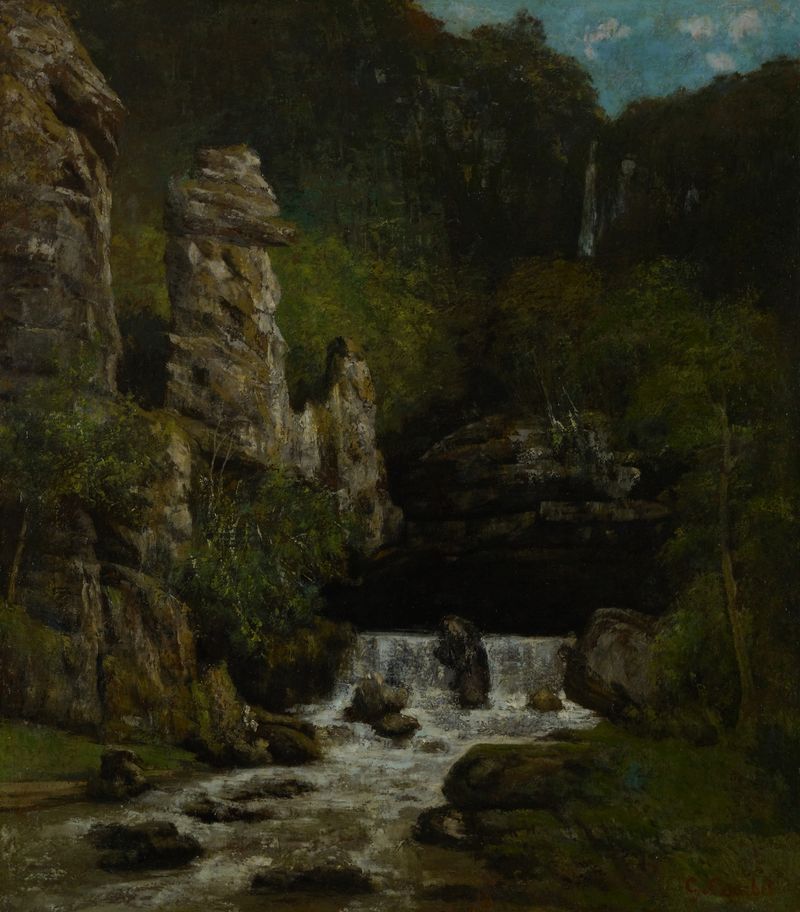
Landscape with a Waterfall
Gustave Courbet





