
Rocks — History & Facts
In Rocks, Paul Cézanne presents a rugged landscape dominated by large, textured rocks. The colors are earthy, with rich browns and greens that reflect the natural environment. The brushwork is distinct, creating a sense of depth and solidity in the rocks.
The overall composition invites the viewer to explore the interplay between the rocks and the surrounding foliage. Cézanne's technique in this painting is characterized by bold brush strokes and a unique approach to perspective. The use of color is significant, with a palette that emphasizes the natural hues of the rocks and vegetation. The painting measures approximately 65 x 80 cm, making it a substantial work that captures the viewer's attention.
The oil on canvas medium allows for a rich texture that enhances the visual experience. Paul Cézanne, a key figure in the Post-Impressionism movement, aimed to bridge the gap between Impressionism and the emerging modern art. Rocks is an example of his exploration of form and structure in nature. Interestingly, this work reflects Cézanne's belief that nature could be understood through geometric shapes, a concept that influenced many future artists.
His innovative approach continues to resonate in contemporary art today.
More Artworks by Paul Cézanne

Apples, Peaches, Pears and Grapes
Paul Cézanne
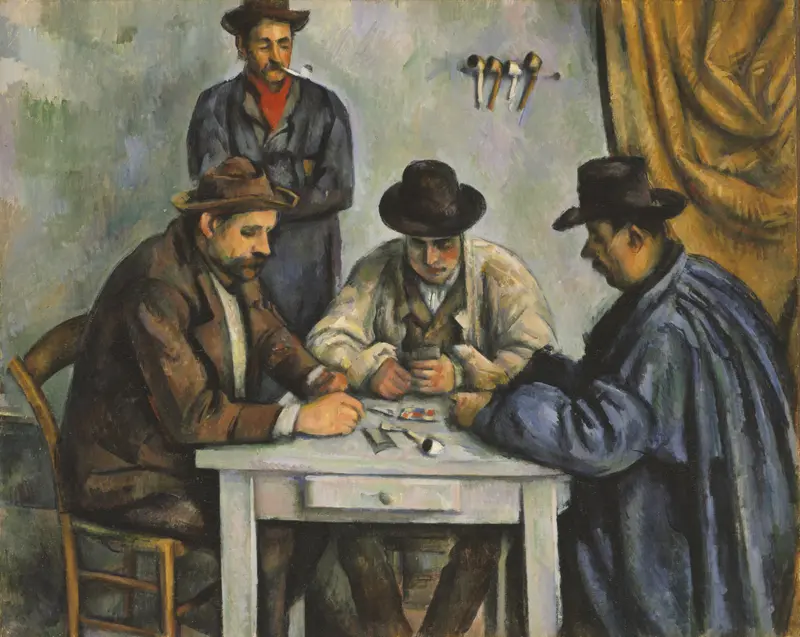
The Card Players
Paul Cézanne
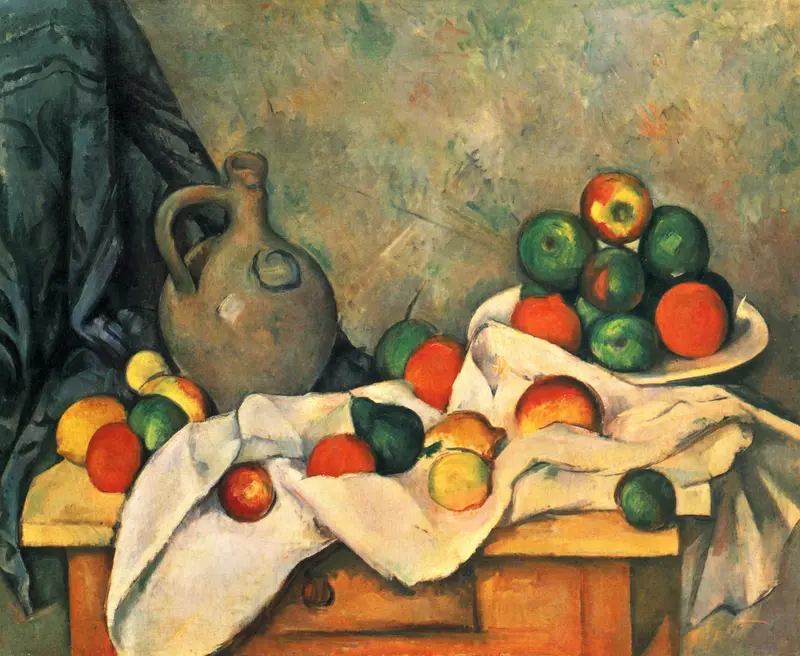
Rideau, Cruchon et Compotier
Paul Cézanne

The Boy in the Red Vest
Paul Cézanne
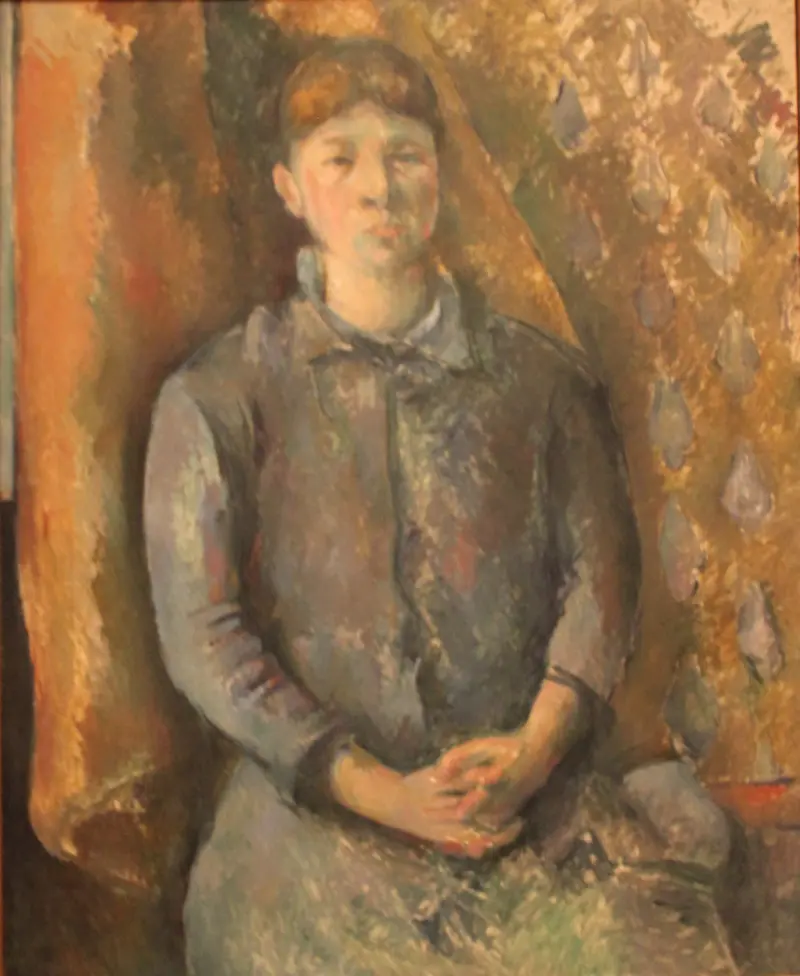
Madame Cézanne
Paul Cézanne
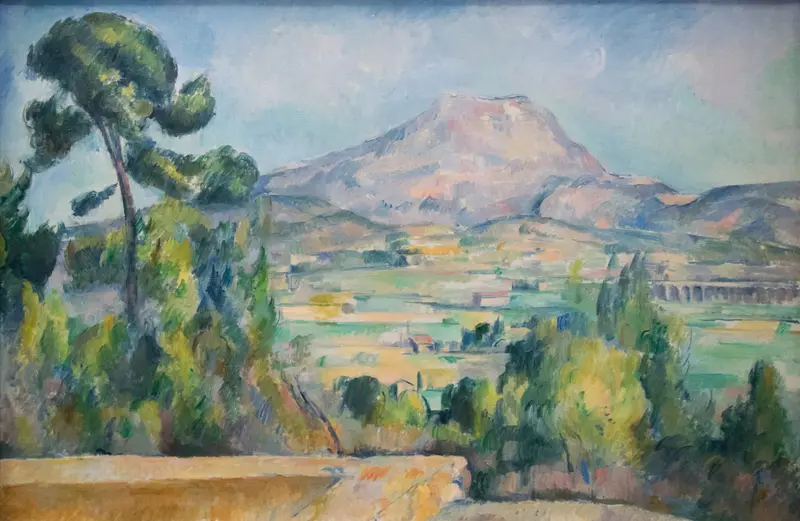
Montagne Saint-Victoire
Paul Cézanne
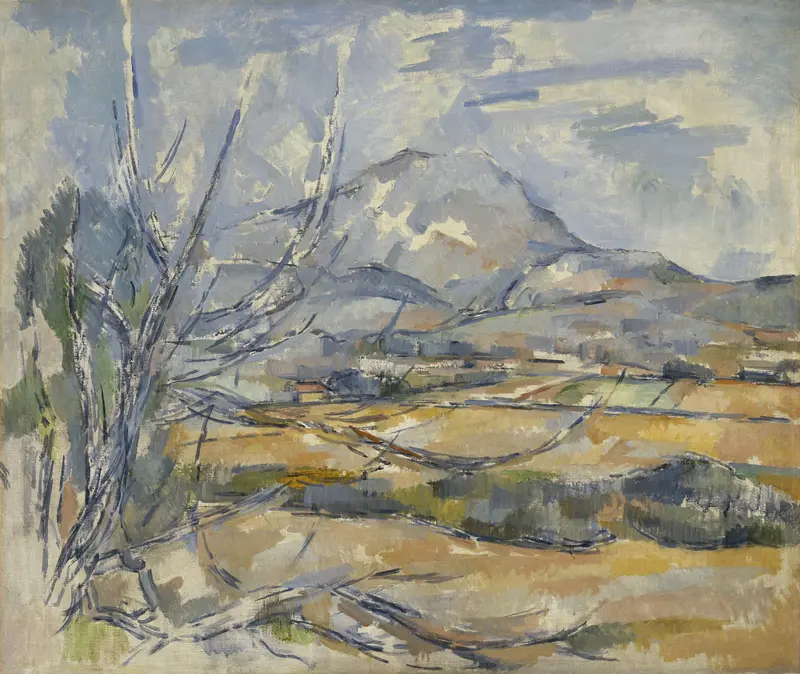
Montagne Sainte-Victoire
Paul Cézanne

Mont Sainte-Victoire Seen beyond the Wall of the Jas de Bouffan
Paul Cézanne
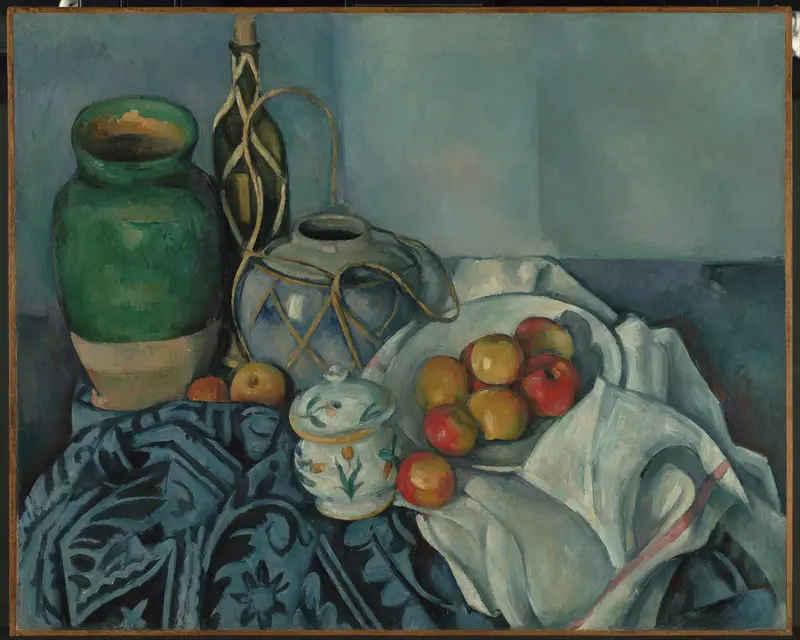
Still Life with Apples
Paul Cézanne

La Montagne Sainte-Victoire
Paul Cézanne
More Landscape Art

The Starry Night
Vincent van Gogh

View of Delft
Johannes Vermeer

Water Lilies
Claude Monet

The Grand Canal, Venice, looking north-west from the Ca' Corner to the Ca' Contarini degli Scrigni, with the campanile of Santa Maria della Carità
Canaletto

Windsor Castle
Canaletto

The Grand Canal looking North-East from the Palazzo Dolfin-Manin to the Rialto Bridge
Canaletto