
Rocky Crags at L’Estaque — History & Facts
When did color learn to lie? In Rocky Crags at L’Estaque, vibrant hues dance across the canvas, inviting viewers into a world of vivid possibilities and creations untold. Look to the left at the jagged cliffs, where warm oranges and rich reds collide with cool blues and greens, creating a harmonious tension. The brushwork is loose yet deliberate, as if the artist is coaxing the landscape into existence with every stroke. The interplay of light and shadow animates the rocks, highlighting their rugged textures and carving out depth in this sun-drenched scene.
Notice how the sky blends seamlessly into the horizon, a gentle gradient that suggests both distance and ethereality. Beneath the surface lies a delicate balance between nature's raw beauty and the artist's interpretative touch. The crags, seemingly solid and steadfast, also carry an ephemeral quality, shifting and evolving under the play of light. It’s as if Renoir is reminding us that creation is a constant dialogue between reality and perception, inviting contemplation on the transient nature of both art and the world it seeks to capture. In 1882, Renoir was immersed in the Impressionist movement, exploring new techniques that emphasized color and light over precise detail.
Painted during a summer in L’Estaque, a seaside village near Marseille, this work reflects his ongoing experimentation with palette and form, as he responded to the shifting currents of the art world and his own evolving style.
More Artworks by Pierre-Auguste Renoir
Browse all →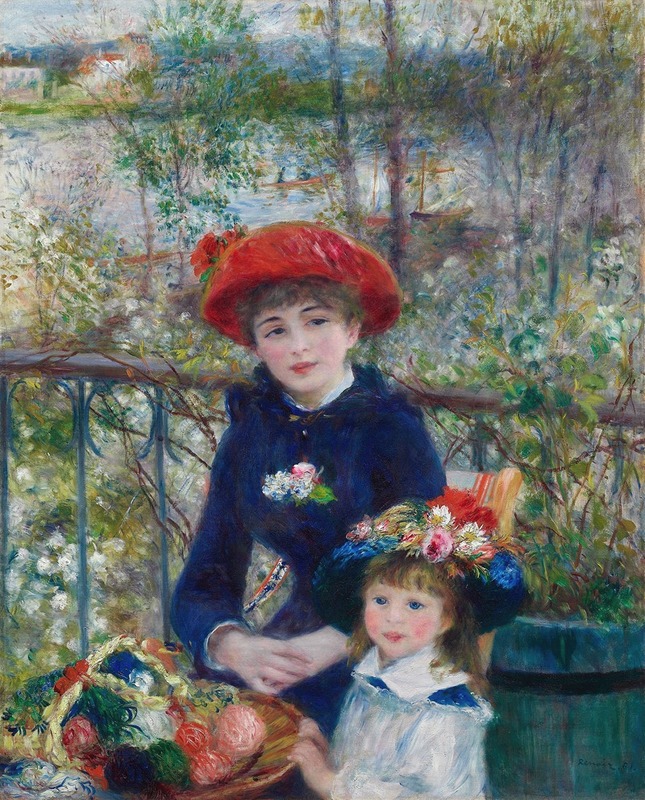
Two Sisters (On the Terrace)
Pierre-Auguste Renoir
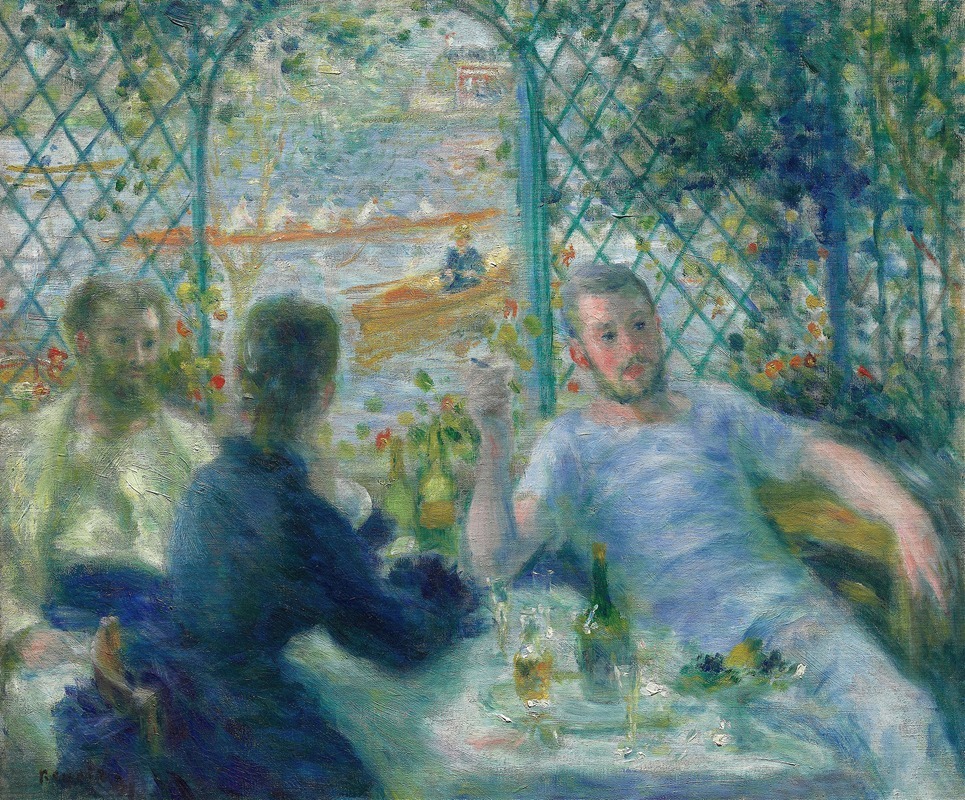
Lunch at the Restaurant Fournaise (The Rowers' Lunch)
Pierre-Auguste Renoir
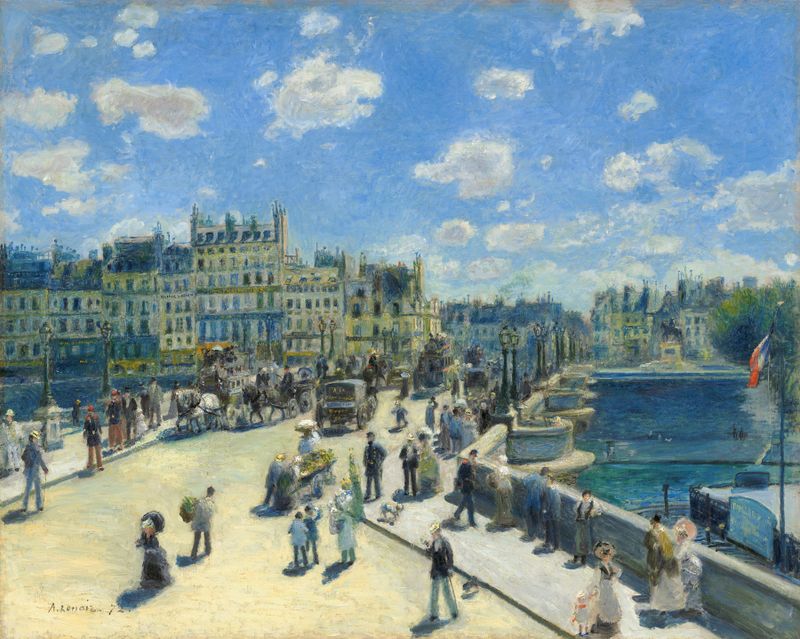
Pont Neuf, Paris
Pierre-Auguste Renoir
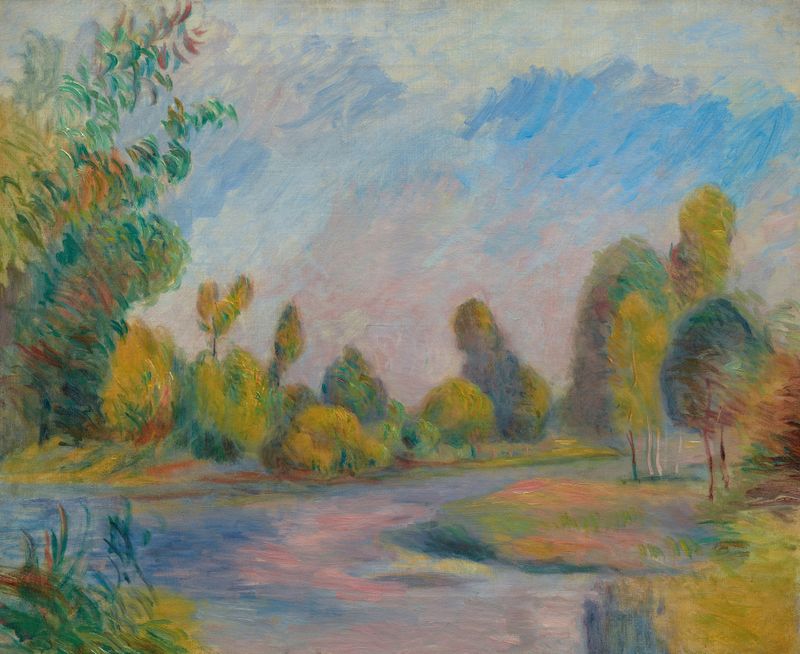
Au bord de la rivière
Pierre-Auguste Renoir

Near the Lake
Pierre-Auguste Renoir
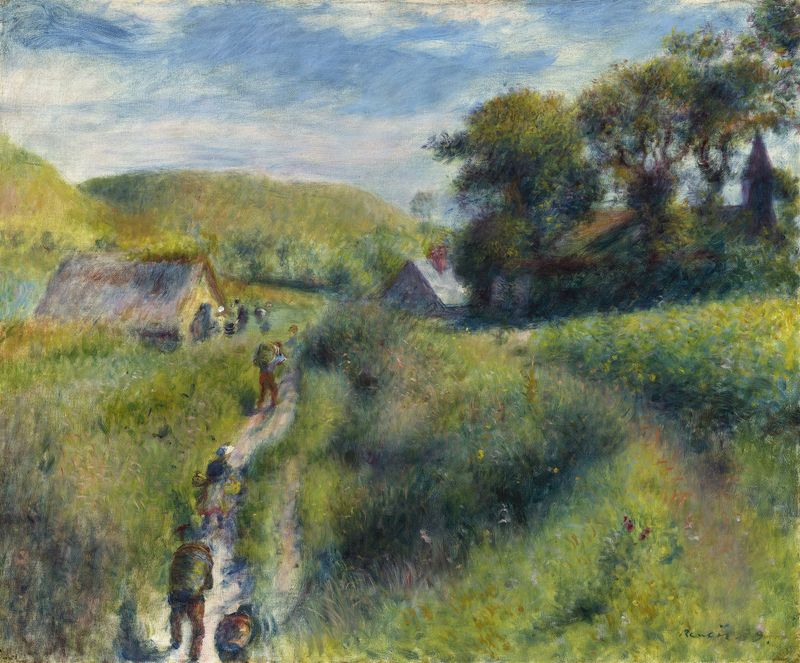
The Mussel Harvest
Pierre-Auguste Renoir

The Seine at Chatou
Pierre-Auguste Renoir
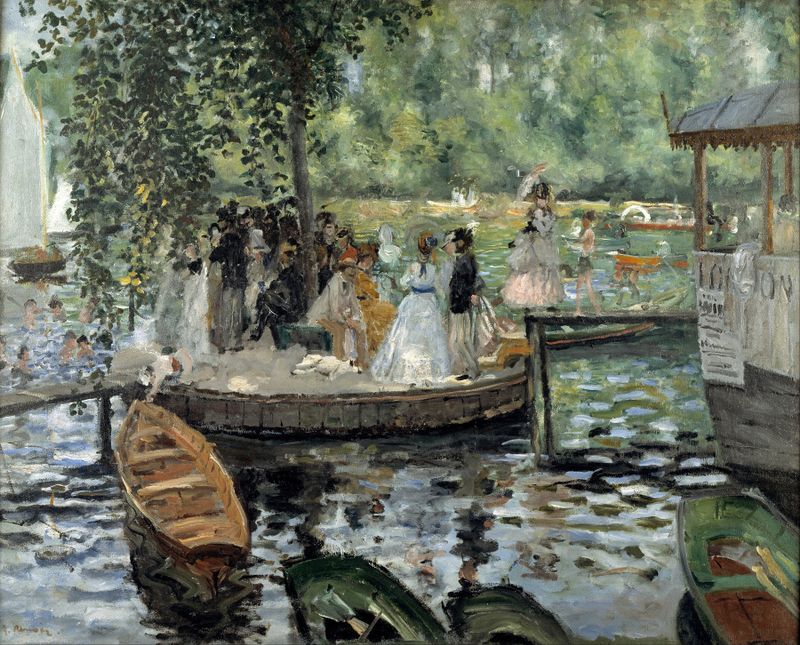
La Grenouillère
Pierre-Auguste Renoir
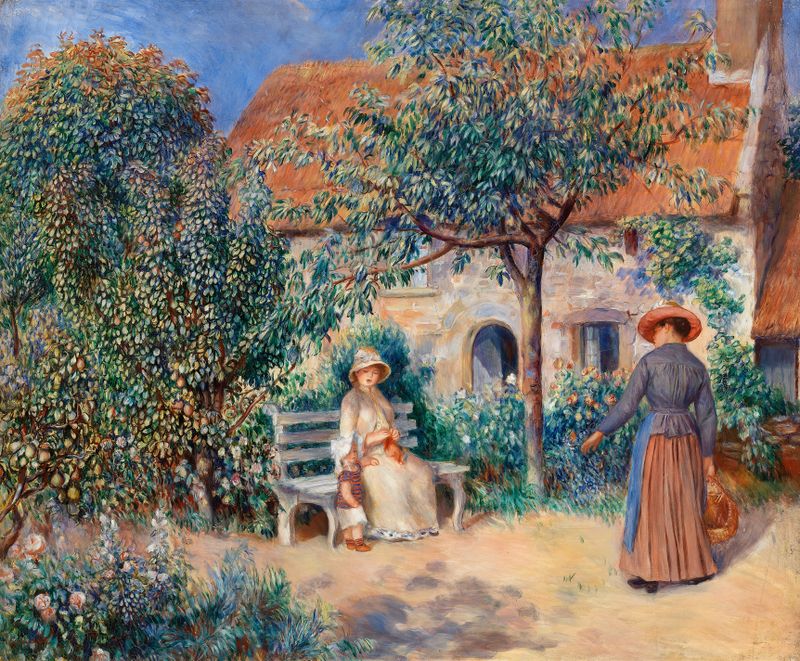
In Brittany (En Bretagne)
Pierre-Auguste Renoir
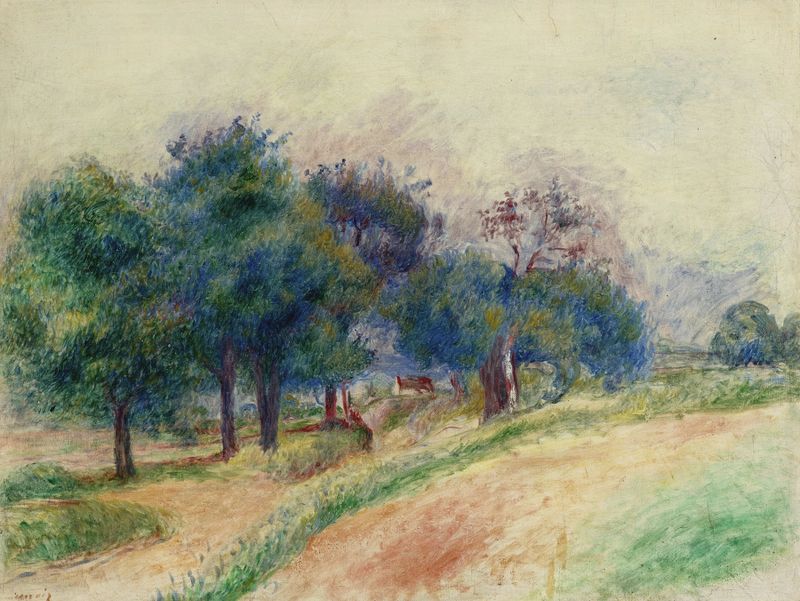
Paysage d’Essoyes
Pierre-Auguste Renoir





