
Rocky Mountain Goats — History & Facts
A shaft of golden light cuts through the brooding shadows, drawing your eye to a cluster of mountain goats poised on a rocky ledge. The central goat, alert and sure-footed, stands sentinel above its companions, its white coat almost luminous against the deep greens and blues of the distant peaks. The rugged terrain is not merely backdrop but a stage for survival, each jagged stone and twisted pine root a reminder of the wildness that defines this world.
Bierstadt’s brushwork lingers on the contrast between the goats’ soft fur and the unforgiving stone, while the looming mountain beyond hints at both danger and grandeur. The painting invites you to read the landscape as a drama of light and shadow, where the animals’ calm presence signals a fleeting peace in a land shaped by ancient forces. Painted in 1885, Rocky Mountain Goats belongs to a moment when American artists like Albert Bierstadt turned their gaze westward, capturing the vastness and mystery of the continent’s untamed spaces. Works of this kind were often commissioned or collected by those eager to celebrate the nation’s natural wonders, at a time when railroads and industry were rapidly redrawing the map.
While history has kept few traces of this particular painting’s early journey, its presence in a modern auction catalogue—Christie’s, 1885—reminds us how such images traveled from studio to parlor, shaping the way Americans imagined their land. Stand before it, and you feel the pull of both the wild and the world that longed to possess it.
More Artworks by Albert Bierstadt

A Storm in the Rocky Mountains, Mt. Rosalie
Albert Bierstadt
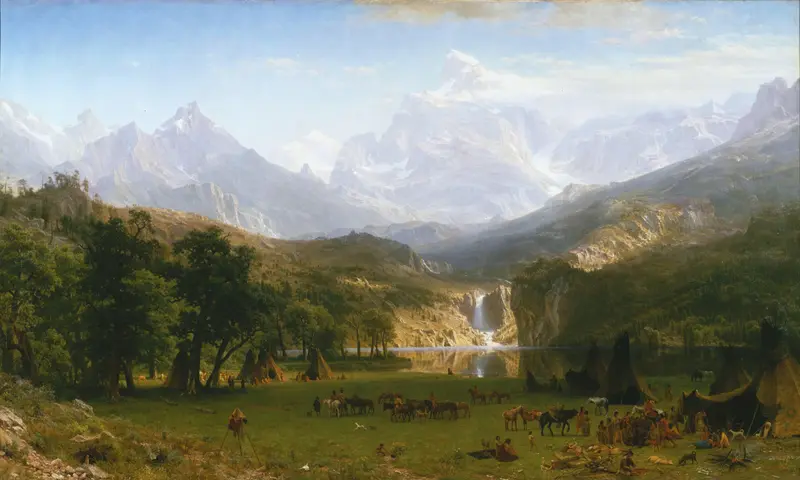
The Rocky Mountains, Lander's Peak
Albert Bierstadt
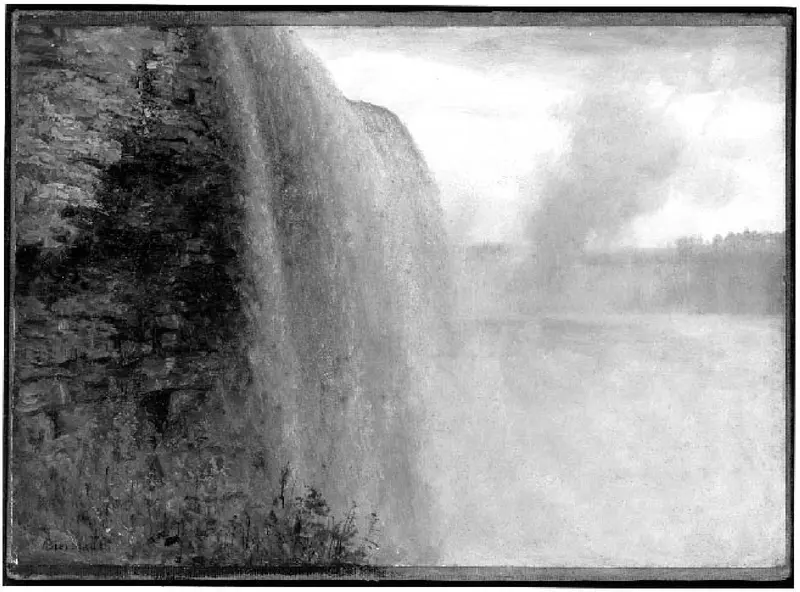
Niagara from the American Side
Albert Bierstadt
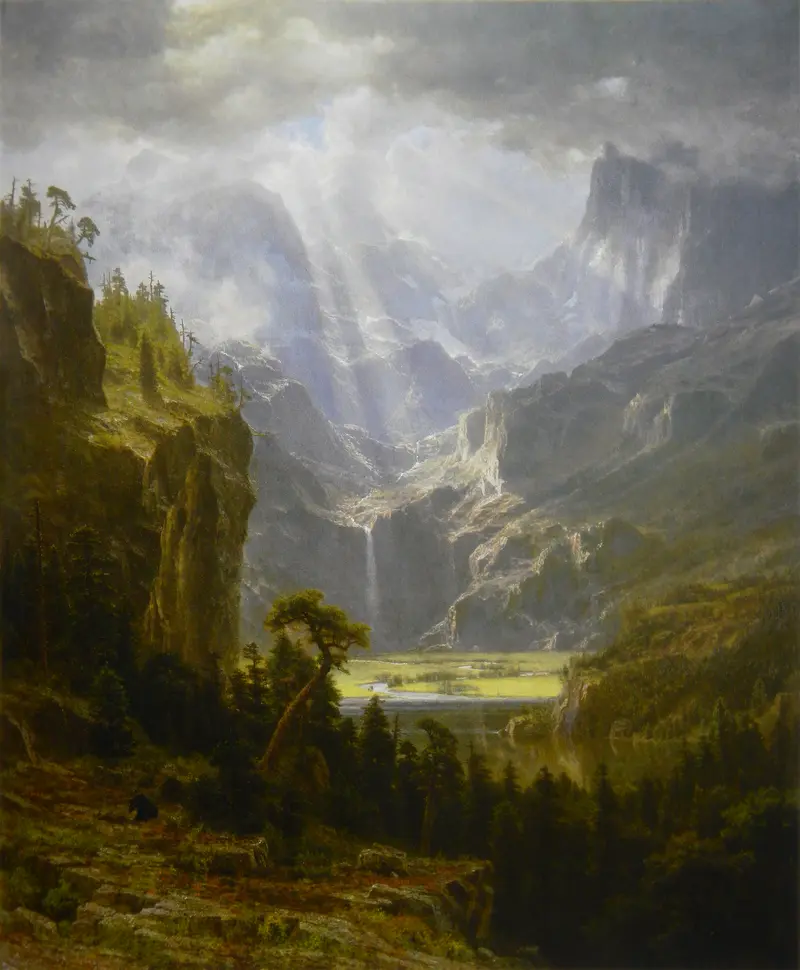
Rocky Mountains, Lander’s Peak
Albert Bierstadt

Valley of the Yosemite
Albert Bierstadt
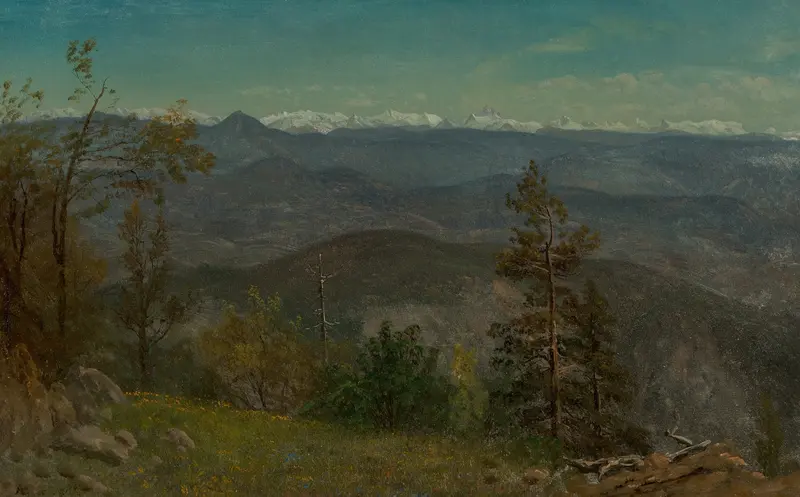
Yosemite Valley, California
Albert Bierstadt
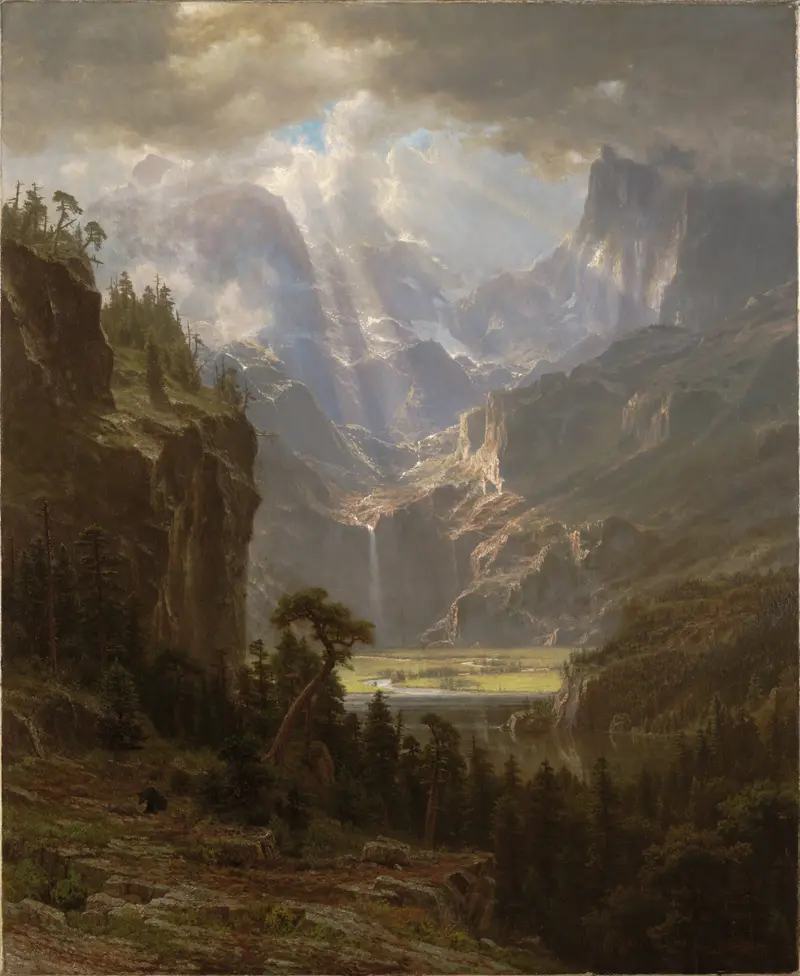
Rocky Mountains, "Lander's Peak"
Albert Bierstadt

Laramie Peak
Albert Bierstadt
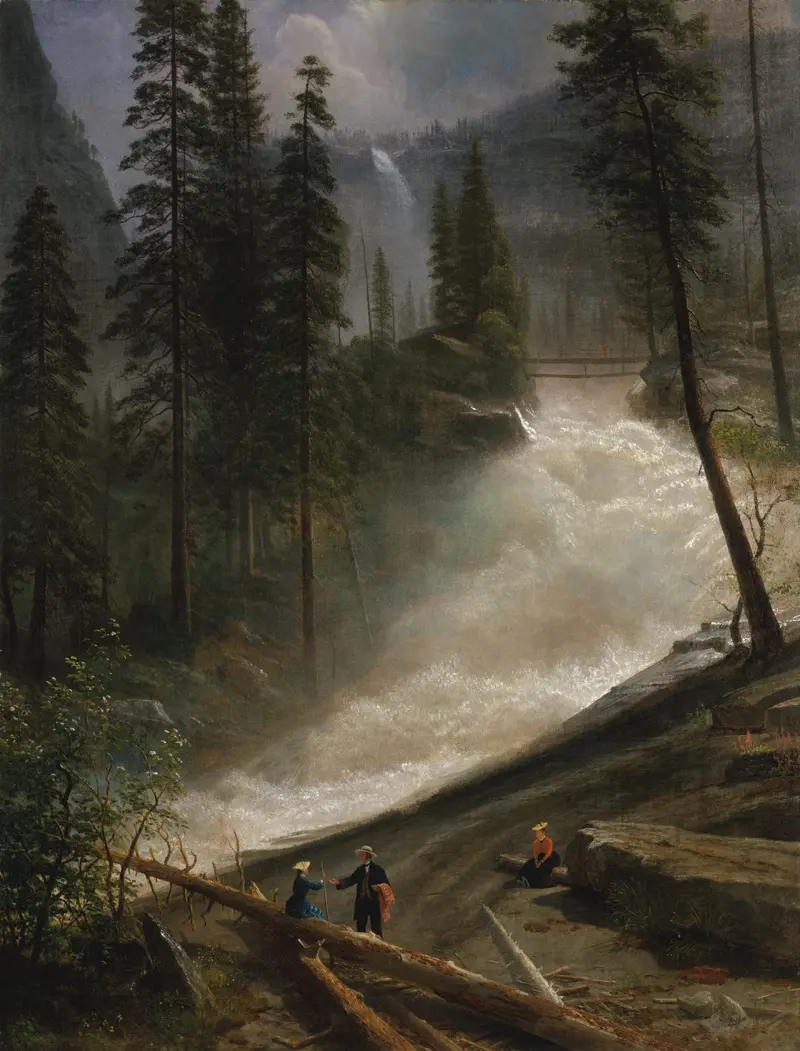
Nevada Falls, Yosemite
Albert Bierstadt
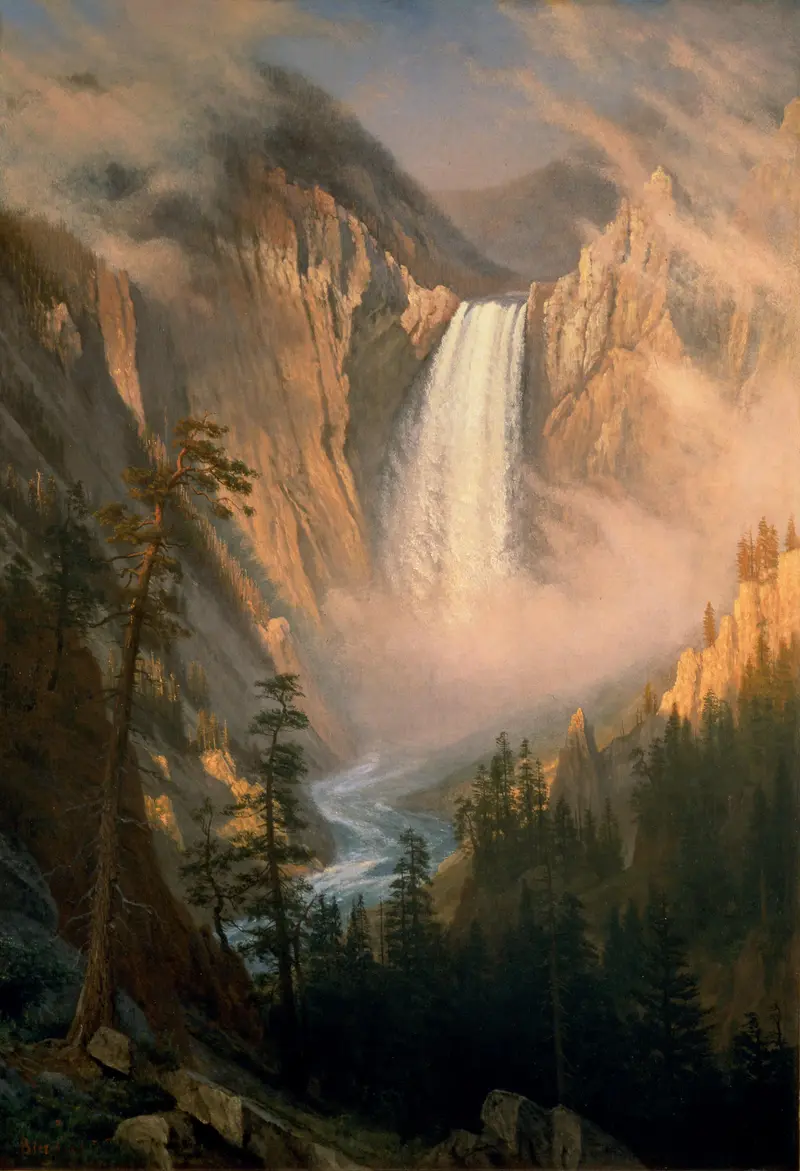
Yellowstone Falls
Albert Bierstadt
More Landscape Art

The Starry Night
Vincent van Gogh

View of Delft
Johannes Vermeer

Water Lilies
Claude Monet

The Grand Canal, Venice, looking north-west from the Ca' Corner to the Ca' Contarini degli Scrigni, with the campanile of Santa Maria della Carità
Canaletto

Windsor Castle
Canaletto

The Grand Canal looking North-East from the Palazzo Dolfin-Manin to the Rialto Bridge
Canaletto