
Rolleboise, Le petit bras de Seine — History & Facts
What secret hides in the quiet of the canvas? In the stillness of Rolleboise, Le petit bras de Seine, a reflection on mortality unfolds, inviting contemplation on life’s fleeting moments. Begin by directing your gaze to the foreground, where a gentle curve of the Seine is cradled by lush greenery. Notice how the interplay of light and shadow brings the scene to life, casting dappled patterns across the water. The soft hues of blues and greens speak to a tranquil serenity, while the brushwork suggests a sense of movement — a whisper of the wind rustling through the leaves, or the soft lapping of the river against its banks.
This is a moment captured in time, yet charged with the subtle energy of nature’s perpetual cycle. Delve deeper into the work and you’ll uncover a contemplation of existence itself. The serene landscape is juxtaposed with the silence that envelops it, reflecting the transience inherent in all life. The winding river, an eternal reminder of the passage of time, carries with it the echoes of those who have tread its banks.
It speaks not only of beauty but also of the inevitability of change and decay, illustrating the quiet yet profound relationships we hold with nature and the world around us. During the time Rolleboise, Le petit bras de Seine was painted, Maximilien Luce was deeply engaged with the post-impressionist movement in France, contributing to a dialogue that bridged color and emotion with the natural world. Working in the late 19th to early 20th centuries, he found inspiration in the landscapes of the Seine, reflecting not just the world outside but the broader human experience of connection, loss, and the passage of time.
More Artworks by Maximilien Luce
Browse all →
Le Quai Montebello Et La Colline Sainte-Geneviève
Maximilien Luce

Le Pont-Neuf, La Seine, Petit Bras
Maximilien Luce
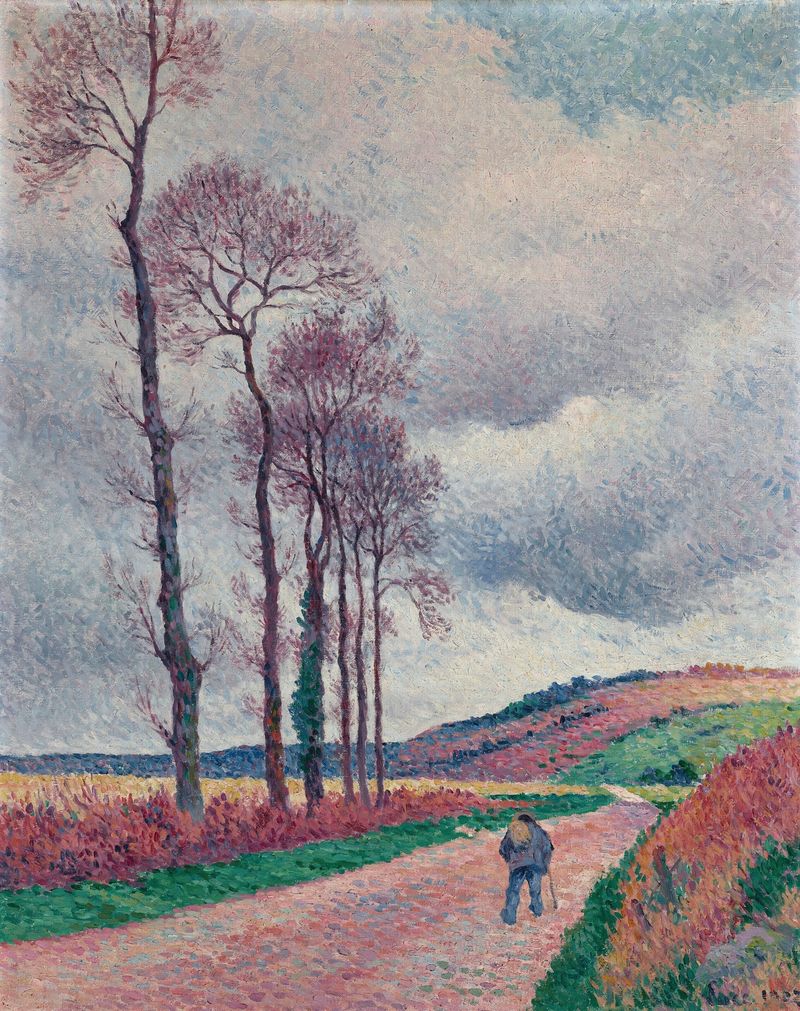
La route aux environs de Méréville
Maximilien Luce
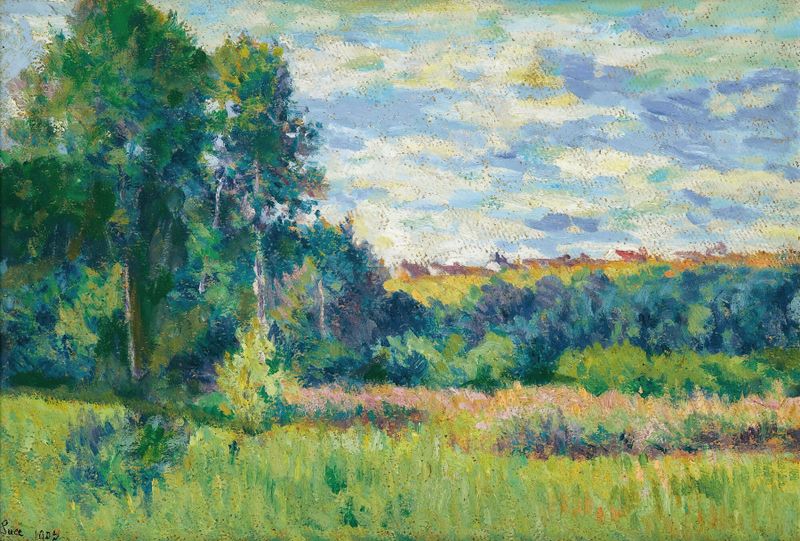
Paysage
Maximilien Luce
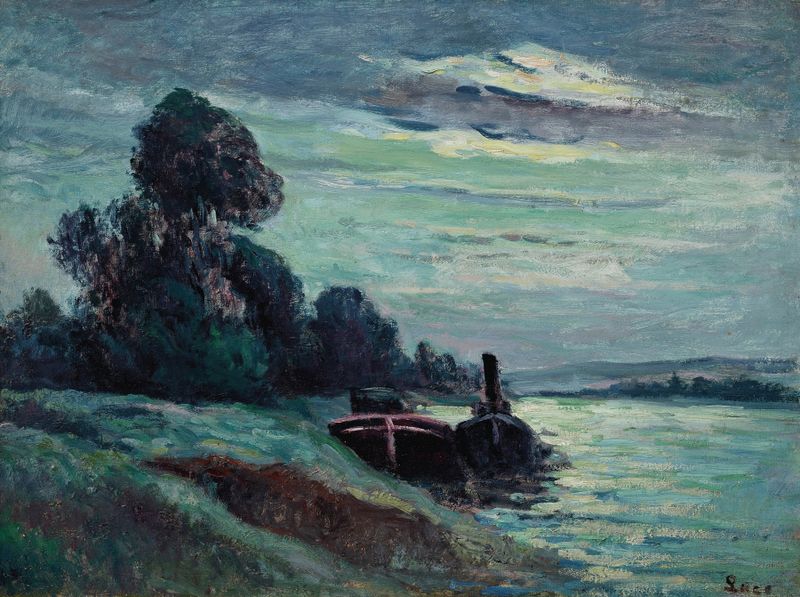
Péniches sur la Seine
Maximilien Luce

Notre Dame de Paris
Maximilien Luce
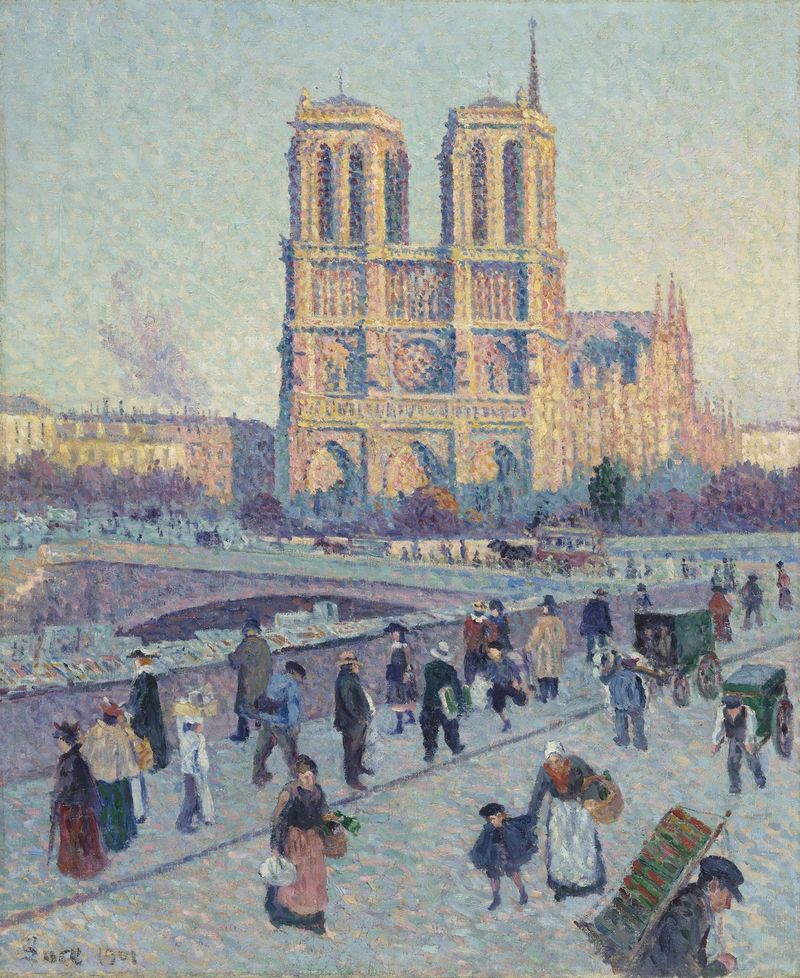
The Quai Saint-Michel and Notre-Dame
Maximilien Luce

La Seine au Pont Mirabeau
Maximilien Luce
L’avenue Winston-Churchill, Paris
Maximilien Luce

Paris, Le Quartier De Vaugirard
Maximilien Luce





