
Romantic Landscape — History & Facts
What if silence could speak through light? In Romantic Landscape, the whispers of a serene atmosphere invite the viewer to contemplate the fluid dance of nature, an invitation to lose oneself in the soft embrace of the scenery. Look to the horizon where ethereal clouds blend with a muted sky, casting delicate shadows over the rolling hills. Notice how the brushstrokes create a sense of movement, as if the landscape itself breathes. The palette of blues and greens harmonizes elegantly, punctuated by warm ochres that reveal the sun’s gentle touch on the earth.
Your gaze is drawn across the canvas, tracing the winding path that leads the eye deeper into this tranquil expanse. The interplay of light and shadow evokes a palpable tension, suggesting both serenity and the passage of time. Amidst the idyllic scenery, subtle hints of human presence, like distant figures or structures, contrast with the overwhelming vastness of nature, reminding us of our fleeting existence within it. The gentle movement within the landscape suggests change, while the stillness of the scene speaks of timelessness, capturing the delicate balance between the two. Thomas Girtin painted Romantic Landscape in 1801, during a period when the Romantic movement was gaining momentum across Europe.
Living in London, Girtin was influenced by the changing perceptions of nature and humanity's relationship with it. This painting reflects his innovative approach to watercolors, as well as the broader artistic evolution that embraced emotion and individual experience in response to the industrialization of the time.
More Artworks by Thomas Girtin
Browse all →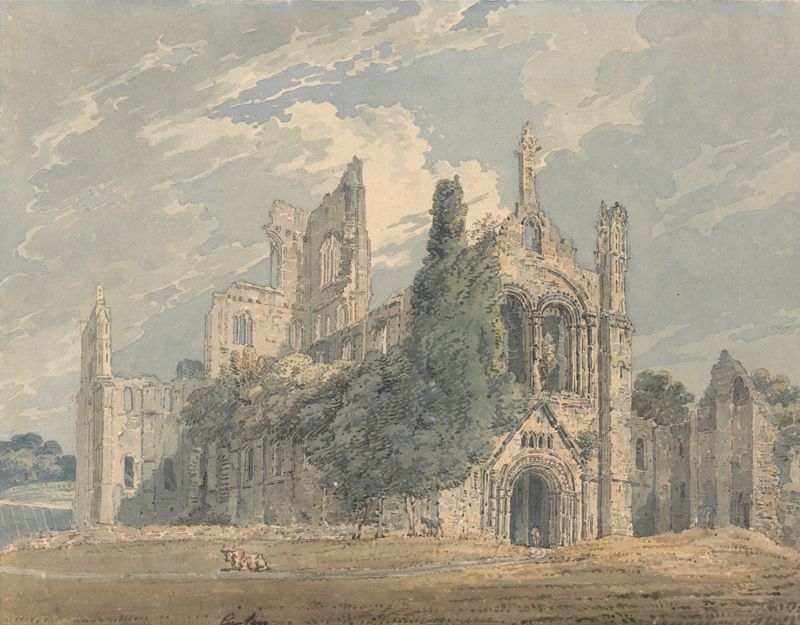
Kirkstall Abbey from the N.W.
Thomas Girtin
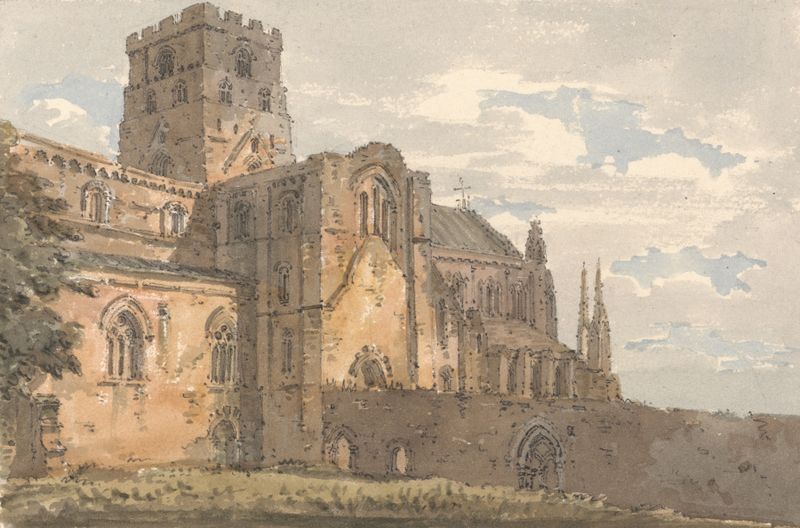
Carlisle Cathedral, Cumberland, from the South-west
Thomas Girtin
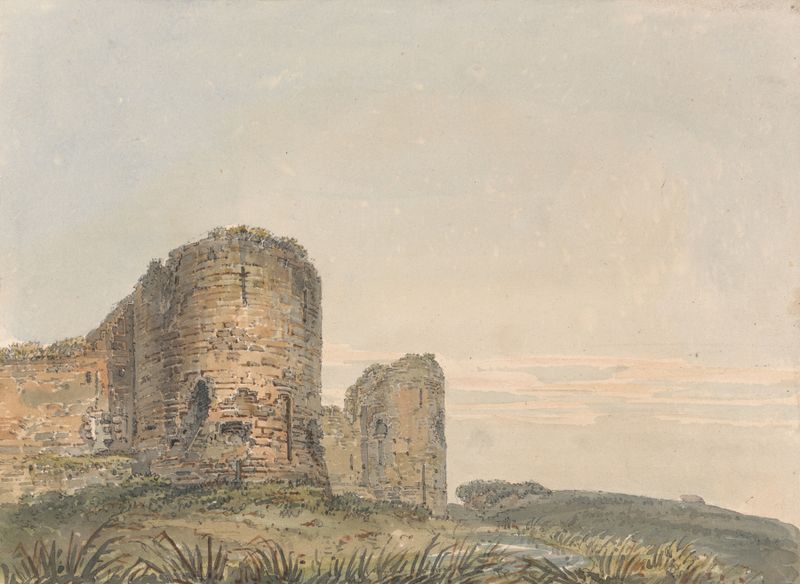
Pevensey Castle, Sussex
Thomas Girtin
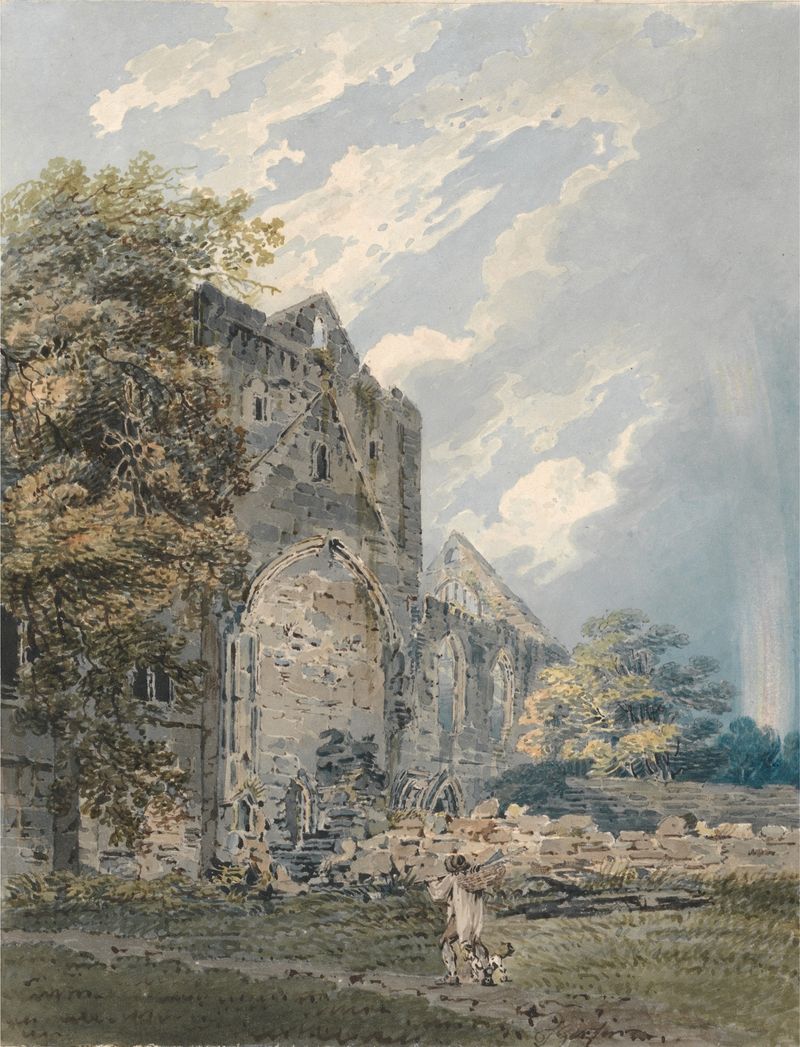
Pluscardine Abbey, Elgin
Thomas Girtin
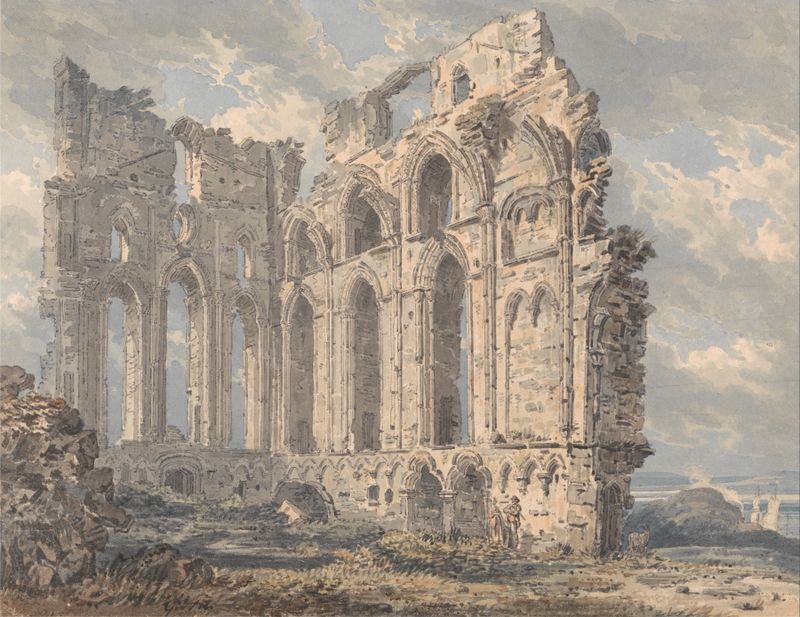
Tynemouth Priory, Northumberland
Thomas Girtin
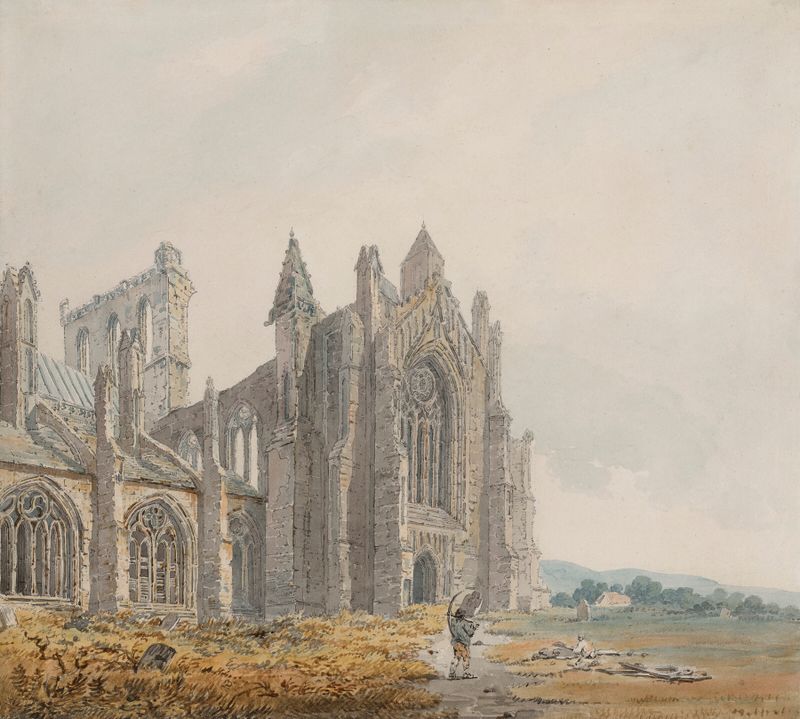
Melrose Abbey, Scotland
Thomas Girtin
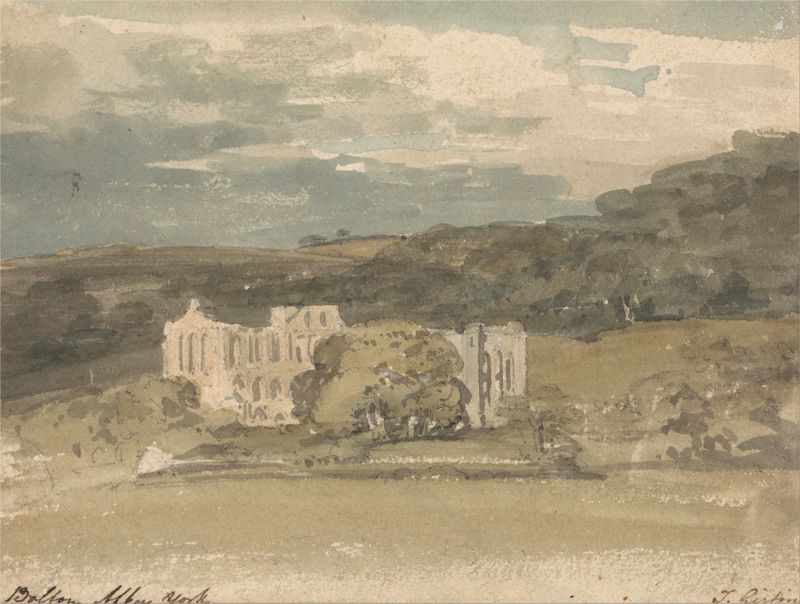
Rievaulx Abbey, Yorkshire
Thomas Girtin
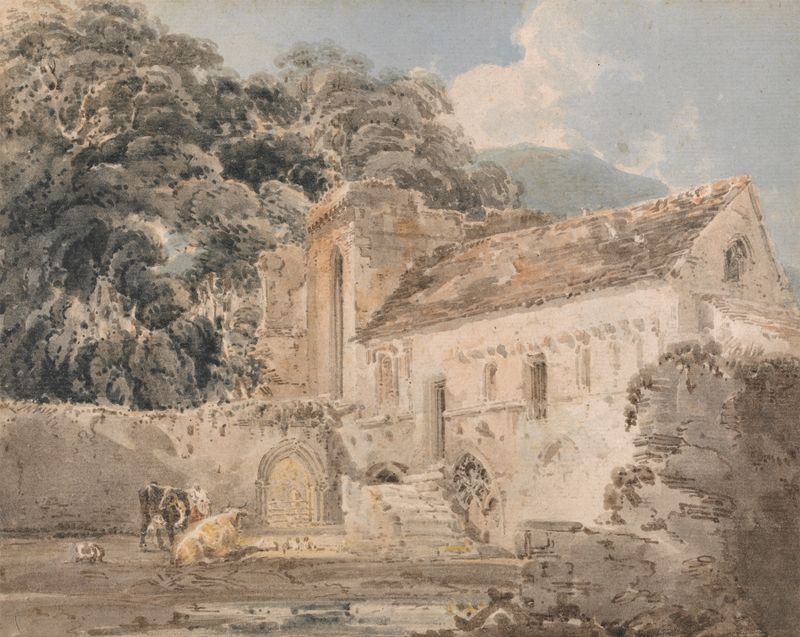
Valle Crucis Abbey, Denbighshire
Thomas Girtin
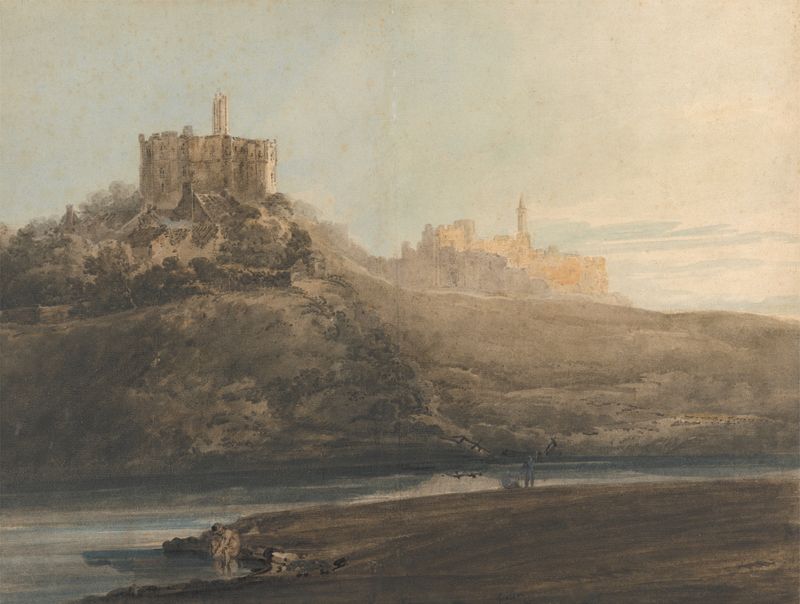
Warkworth Castle, Northumberland
Thomas Girtin
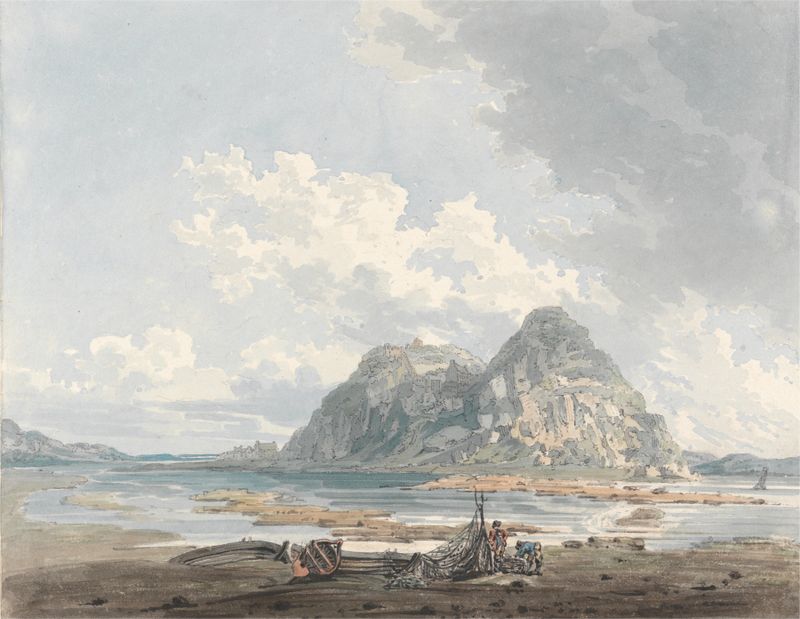
Dumbarton Rock and Castle
Thomas Girtin





