
Rooster — History & Facts
No other work by Jules Schmalzigaug has sparked as much curiosity as Rooster, largely because so little is known about its origins. The painting’s date and medium remain undocumented, and no early exhibition records have surfaced, leaving scholars to puzzle over when and why it was created. Yet, Rooster stands out as a rare example of Schmalzigaug’s foray into animal subjects, a marked departure from his better-known Futurist cityscapes and dynamic abstractions.
Its very existence raises questions: was this a private experiment, a commission, or an homage to the age-old tradition of animal portraiture? The rooster dominates the composition, captured mid-strut, feathers bristling with energy. Schmalzigaug’s brushwork fractures the bird’s form into shards of color and light, suggesting movement and vitality rather than static observation. The background dissolves into rhythmic patterns, echoing the Futurist fascination with speed and dynamism.
Unlike the naturalistic roosters of Jean-Baptiste Oudry or the symbolic cockerels in Dutch still lifes, Schmalzigaug’s bird is all motion and modernity, a living emblem of the new century’s restlessness. The choice of the rooster—long a symbol of vigilance and pride—may hint at the artist’s own ambitions or anxieties during a period of personal and artistic transition. The painting’s subsequent history is as elusive as its origins. There are no records of a patron or early owner, and Rooster appears to have surfaced only in the later 20th century, when renewed interest in Schmalzigaug brought several unknown works to light.
Its attribution has never been seriously challenged, thanks to the distinctive handling and palette that align with the artist’s mature style. Today, Rooster is recognized as a singular piece within Schmalzigaug’s oeuvre, offering a glimpse into his restless experimentation and the broader currents of early modernism.
More Artworks by Jules Schmalzigaug

A View of Scheveningen
Jules Schmalzigaug
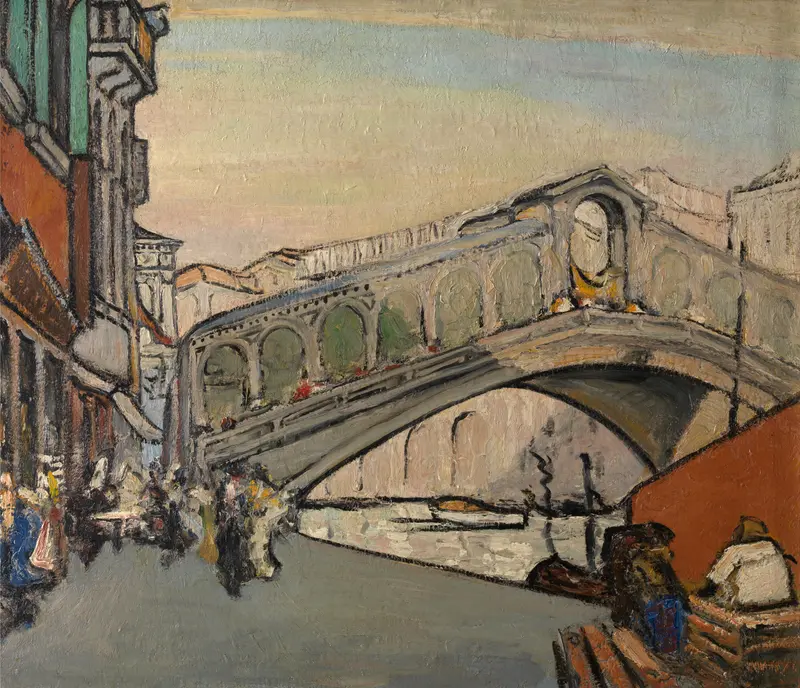
The Rialto Bridge in Venice
Jules Schmalzigaug

Abstract Bouquet
Jules Schmalzigaug
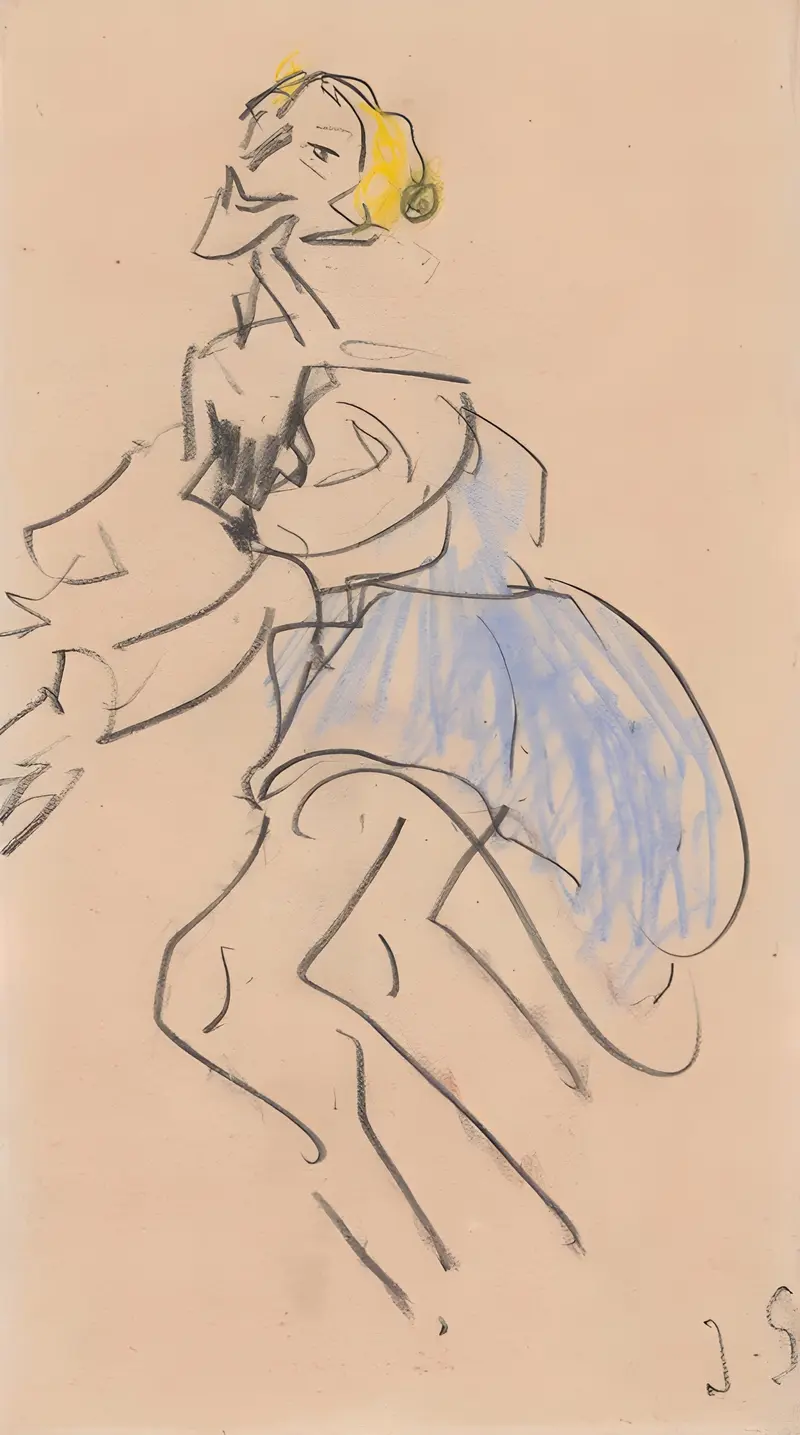
Dancer
Jules Schmalzigaug
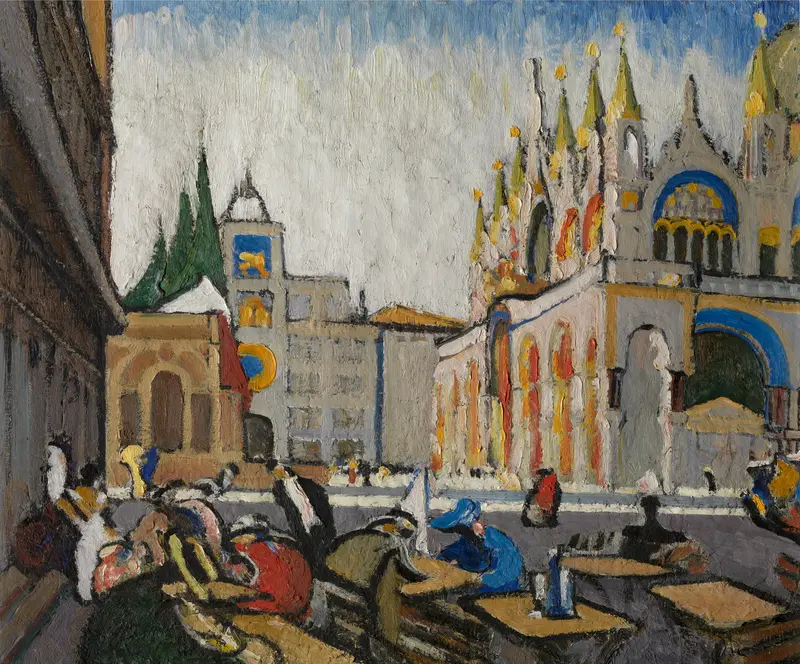
San Marco from the Piazetta
Jules Schmalzigaug
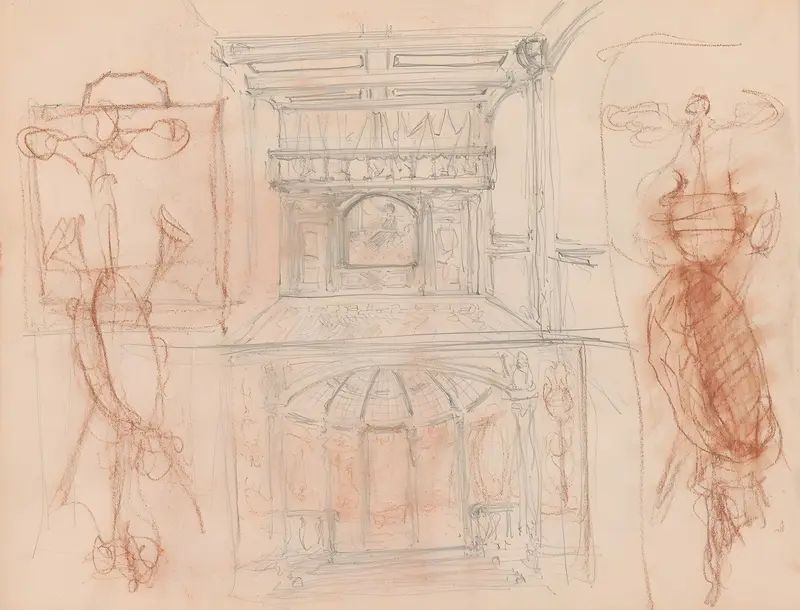
Architectural Elements
Jules Schmalzigaug
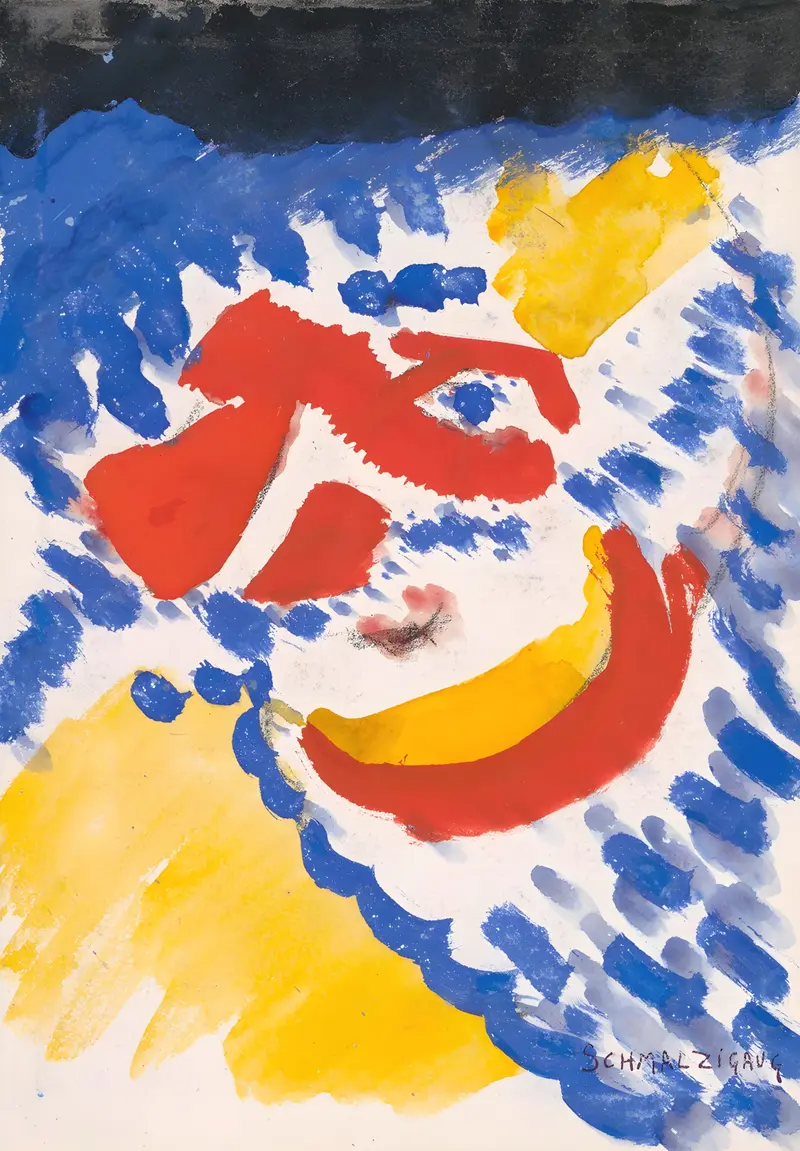
Blue, Red and Yellow Figures
Jules Schmalzigaug
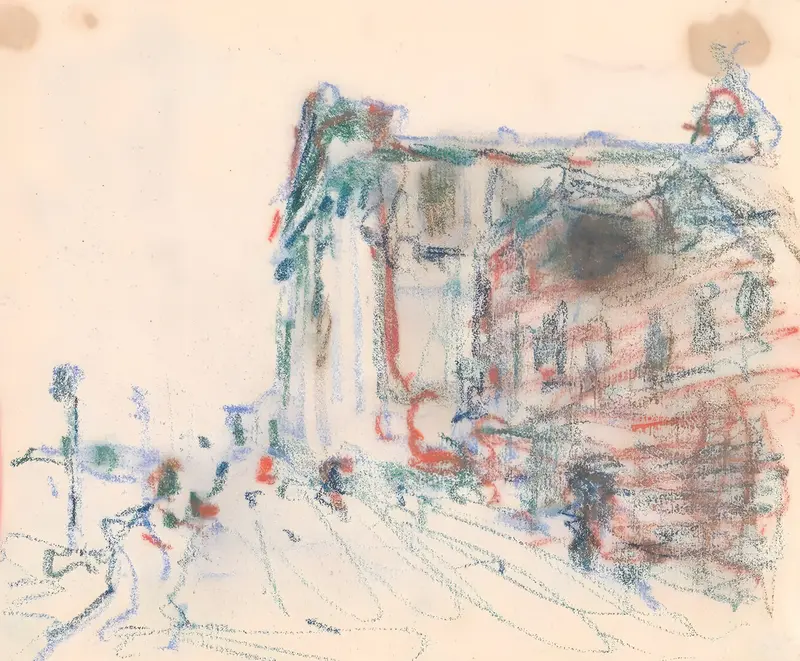
Chiesa dei Gesuati in Venice
Jules Schmalzigaug
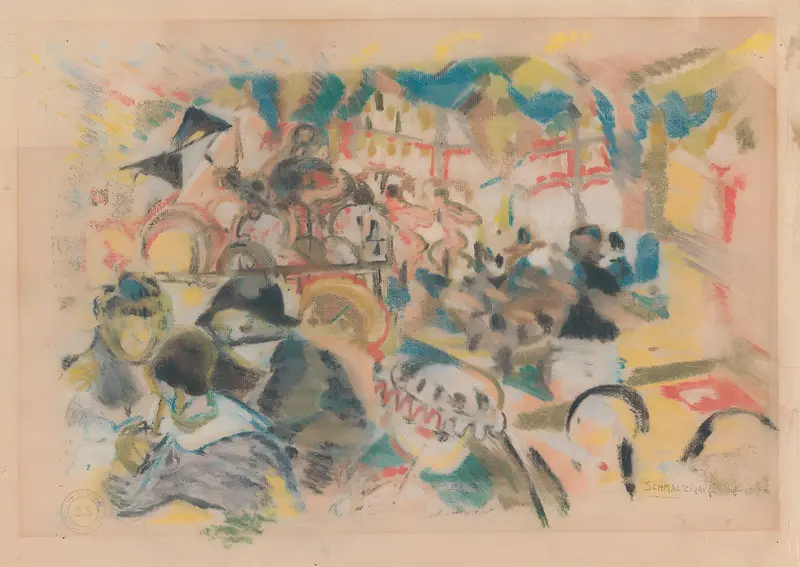
Café-chantant
Jules Schmalzigaug
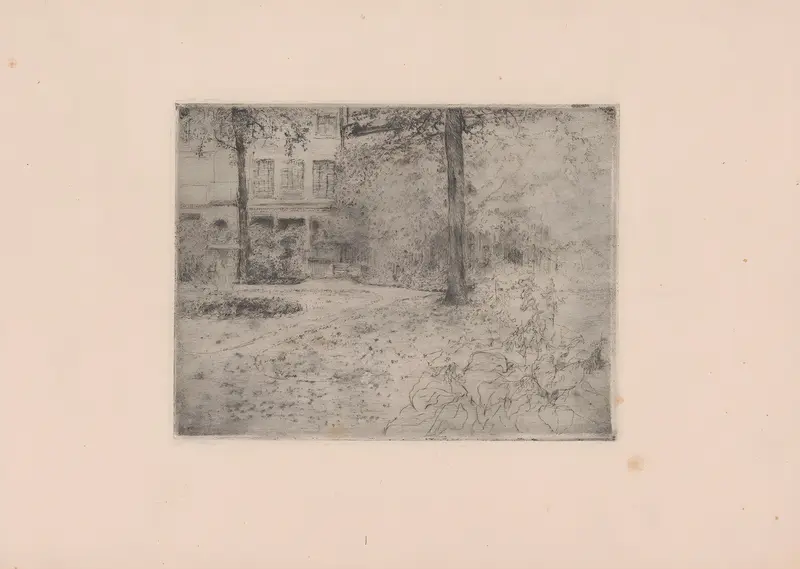
Backyard
Jules Schmalzigaug





