
Roosters, hens and chicks — History & Facts
The first thing that catches the eye is the lively gathering at the heart of the farmyard, where two proud roosters, hens, and a flurry of chicks animate a scene that feels both orderly and chaotic. The painter draws you in with the drama of posture and gaze: the roosters, feathers flared and heads high, seem to be in mid-conversation—or perhaps mid-challenge—while the hens and chicks bustle around them, pecking and calling. Warm, earthy tones set a mood of late afternoon, and the light falls to highlight the glossy plumage and the soft down of the chicks, giving every bird its own moment of attention.
The bowl in the foreground is more than a prop; it anchors the group and signals the daily rituals of feeding and care. Works like this, attributed to Adriaen van Utrecht, belong to a rich tradition of 17th-century Flemish still lifes and animal scenes, where painters delighted in capturing the everyday abundance of rural life. Such paintings were often destined for the homes of prosperous townsfolk, who saw in these images both reminders of the countryside and symbols of domestic order and fertility. The genre thrived in a world where trade, agriculture, and the rhythms of the household were closely linked, and artists competed to show their skill in rendering feather, beak, and straw with convincing detail.
Though little is recorded about this particular work beyond its presence in a private collection, its energy and craftsmanship invite us to linger, searching out the small dramas and quiet harmonies of the barnyard.
More Artworks by Adriaen van Utrecht
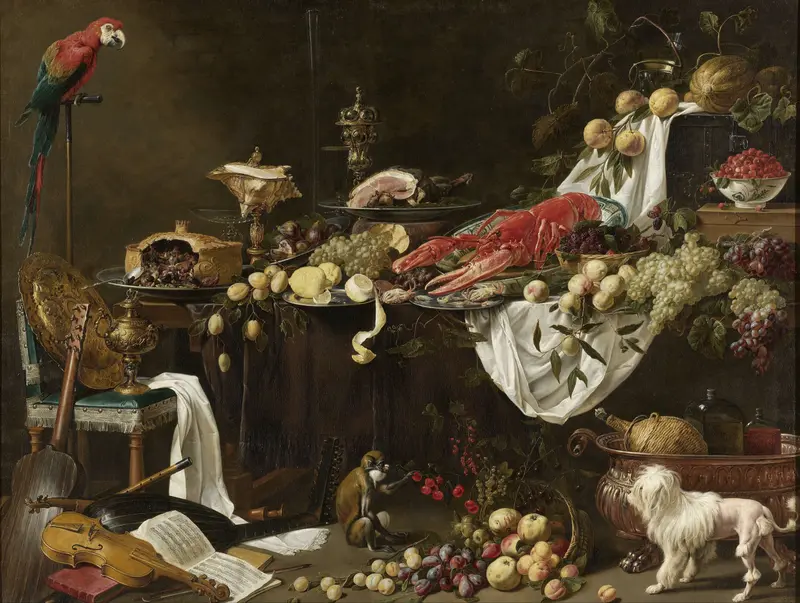
Banquet Still Life
Adriaen van Utrecht
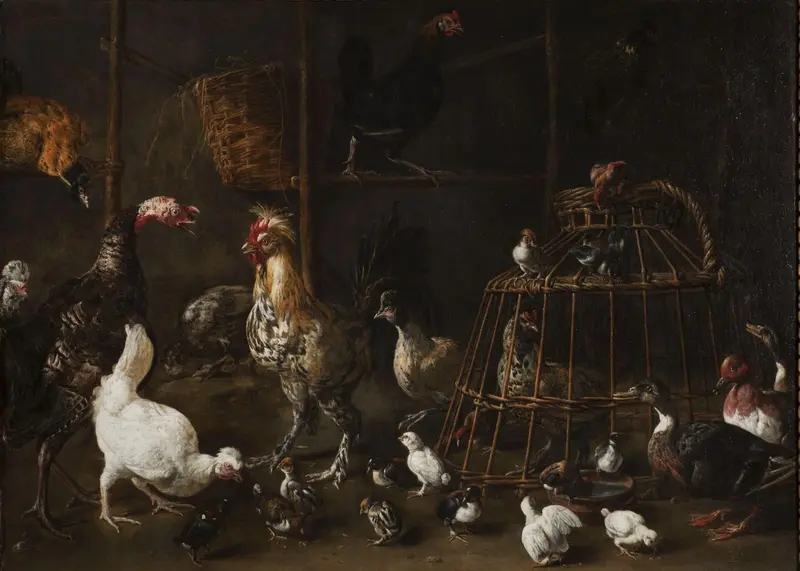
A barn interior with a turkey
Adriaen van Utrecht
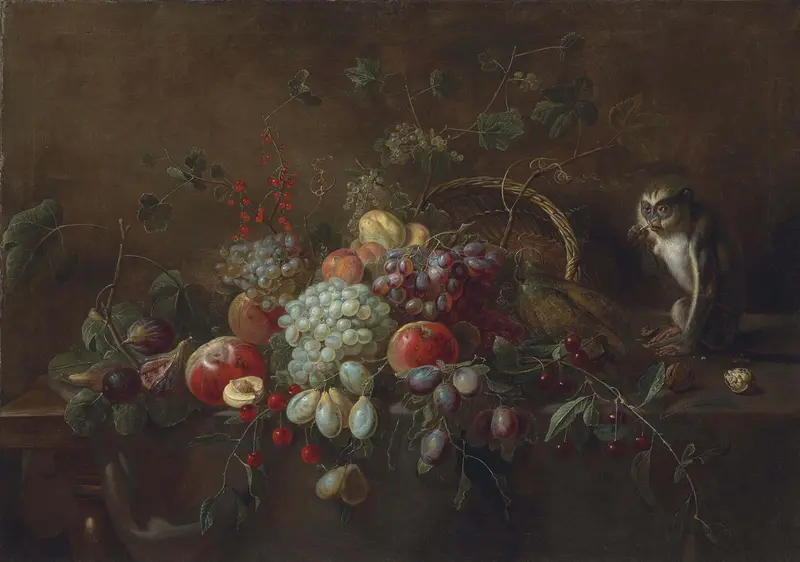
Grapes, apples, plums, figs and other fruit on a partly draped wooden table, a monkey eating walnuts by an upturned woven basket
Adriaen van Utrecht
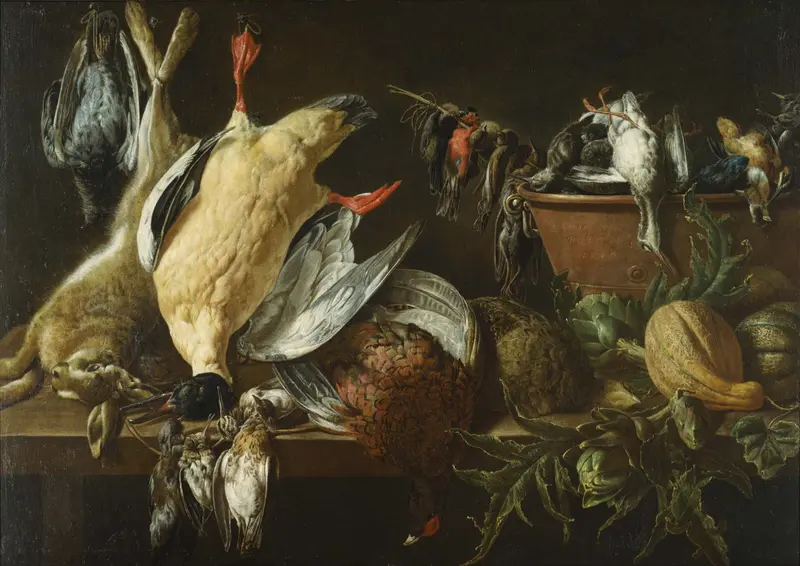
Still Life with Games and Vegetables
Adriaen van Utrecht
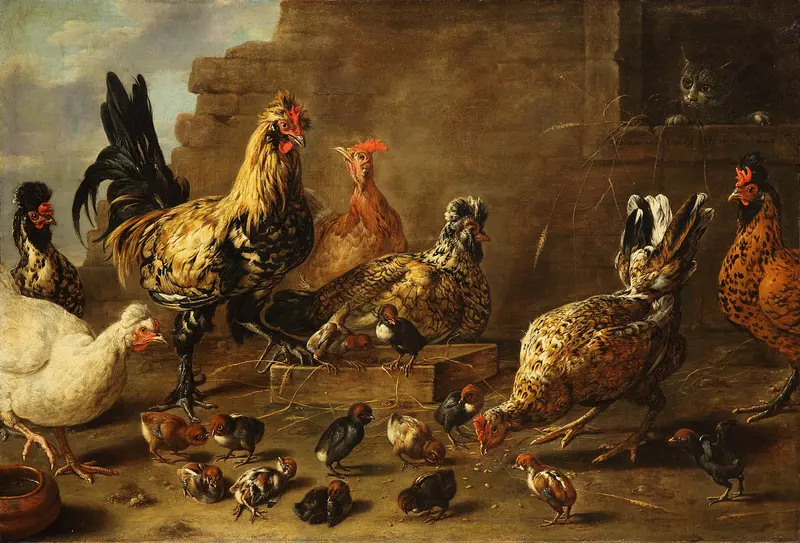
The chicken yard
Adriaen van Utrecht
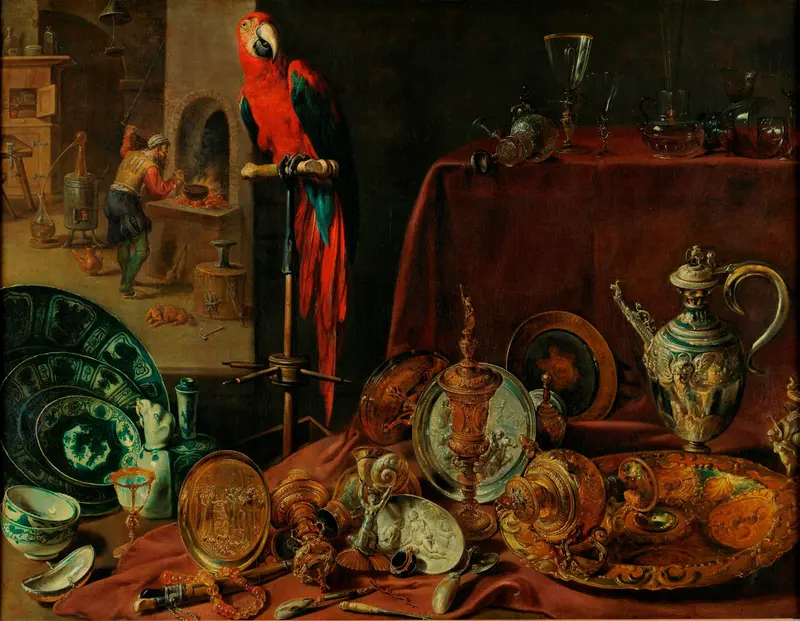
Still life with parrot, an allegory of fire
Adriaen van Utrecht
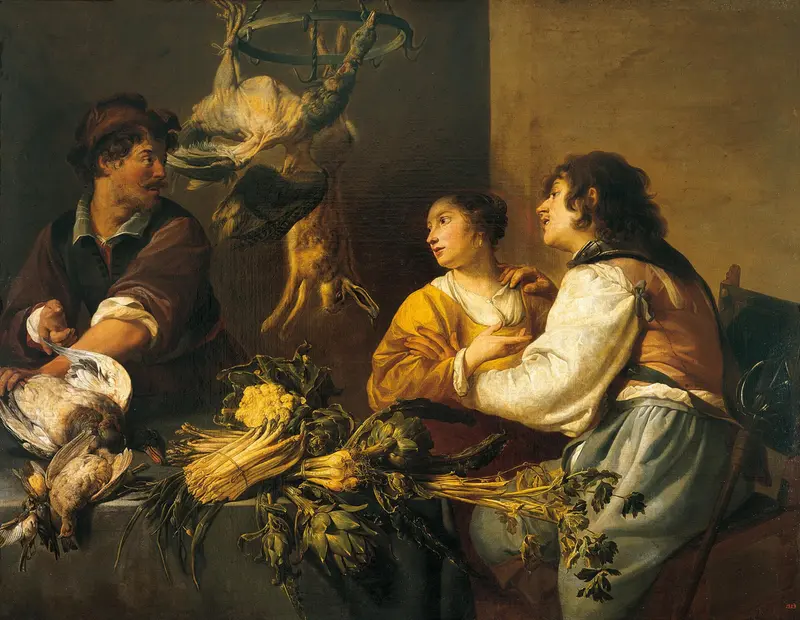
Kitchen
Adriaen van Utrecht
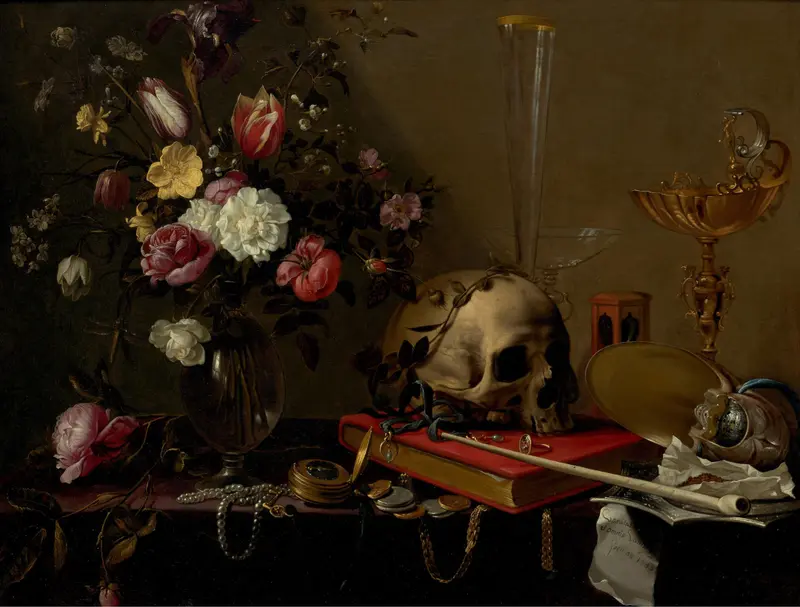
Vanitas - Still Life with Bouquet and Skull
Adriaen van Utrecht
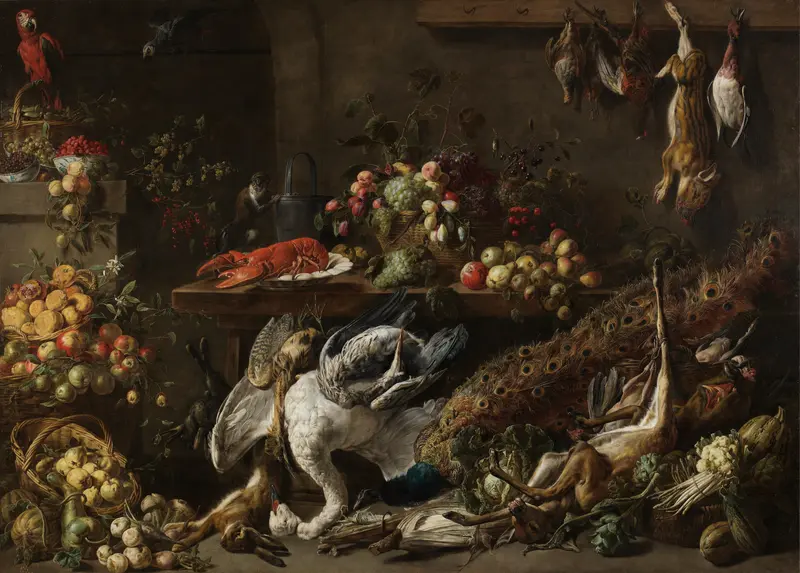
A Larder
Adriaen van Utrecht
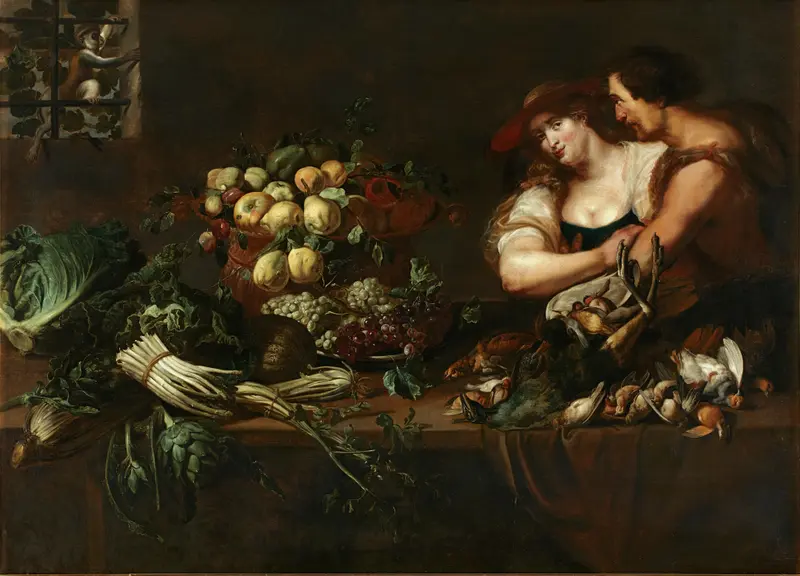
A Kitchen Still Life with Figures
Adriaen van Utrecht





