
Rotslandschap met waterval — History & Facts
In a realm where light dances with shadow, the secret whispers of existence unfurl, inviting us into their depths. Look to the left where a gentle waterfall cascades, the silken flow shimmering with hues of blue and white against the earthy browns and muted greens of the surrounding landscape. Notice how the light falls upon the water, illuminating it while casting darker shadows in the recesses of the rocks. The composition leads the eye effortlessly; the interplay of color evokes a sense of tranquility, contrasting with the strong, rugged forms of the cliffs that frame this scene. Beneath the surface, hidden meanings emerge.
The juxtaposition of light and shadow speaks to the duality of nature, capturing moments of calm and tumult. The waterfall, both a source of life and a reminder of uncontrollable forces, symbolizes the eternal struggle between serenity and chaos. Each shadow deepens the emotional weight, reflecting our own inner battles as we navigate the complexities of existence. Between 1830 and 1858, Dubourcq painted this landscape during a transformative period in art, where Romanticism's embrace of emotion began to pave the way for Realism.
He found inspiration in the natural world surrounding him, exploring the essence of landscapes and their emotional resonance while society began to shift from idealism towards capturing life as it truly was. In this painting, we find an echo of that tumultuous change, a reflection of the artist’s quest to unveil the soul of nature itself.
More Artworks by Pierre Louis Dubourcq
Browse all →
Een wijngaard bij Olevano
Pierre Louis Dubourcq
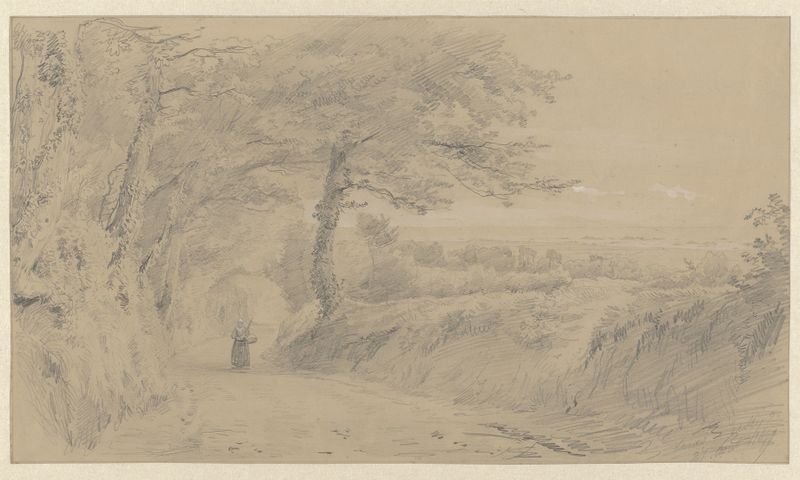
Landschap op Jersey
Pierre Louis Dubourcq

De tempel van Neptunus, Paestum
Pierre Louis Dubourcq
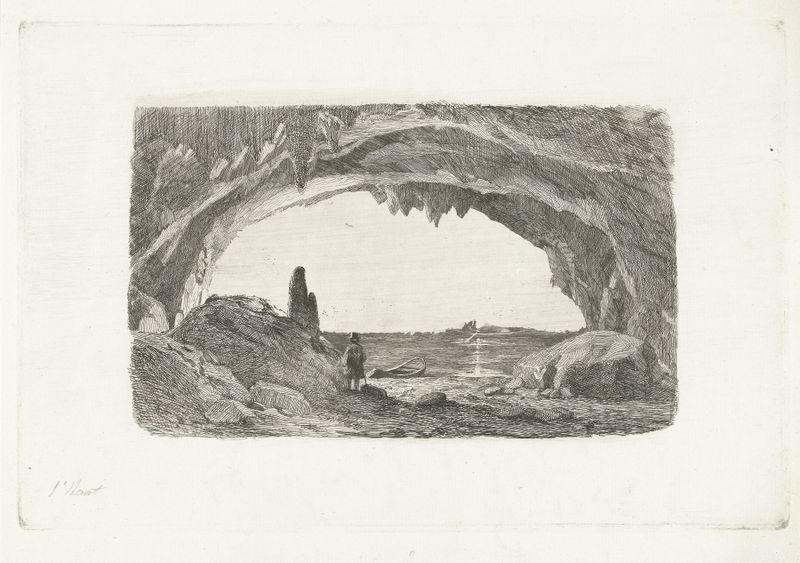
Man met roeiboot in de grotten van Han
Pierre Louis Dubourcq
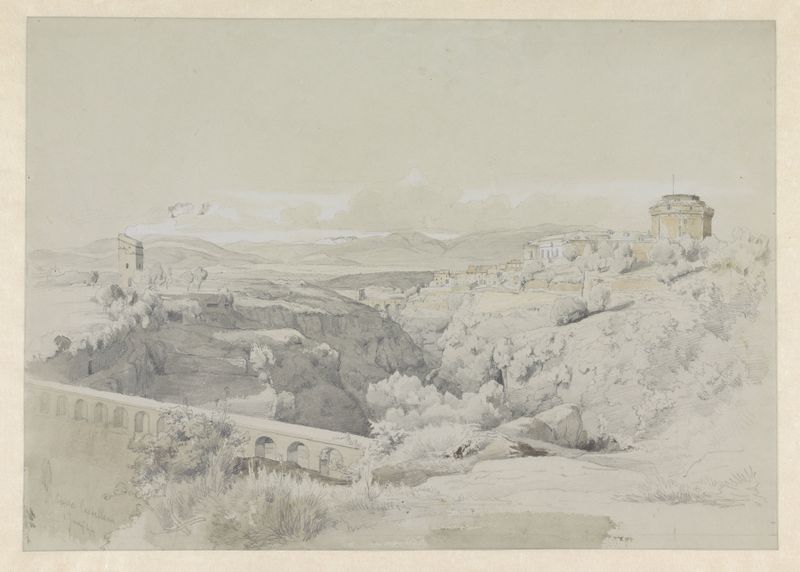
Gezicht op Civita Castellana
Pierre Louis Dubourcq

Paard en wagen op een weg
Pierre Louis Dubourcq
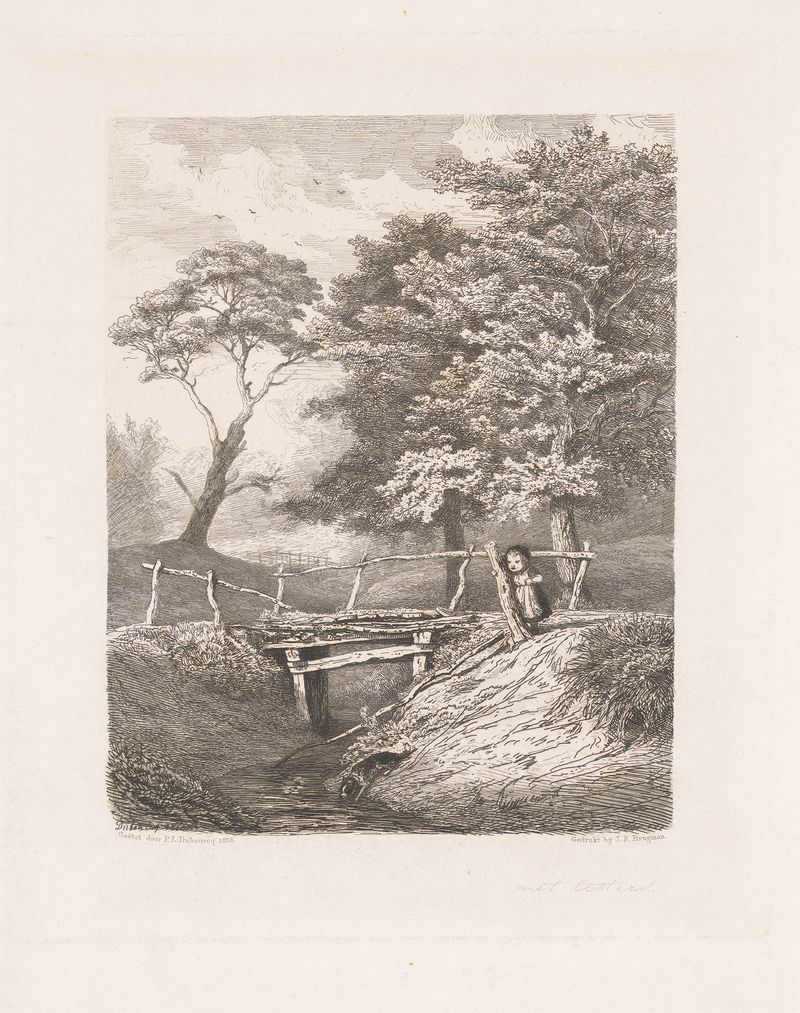
Meisje met hond bij houten brug
Pierre Louis Dubourcq

Kustlandschap te Granville
Pierre Louis Dubourcq

View of Castle Gerone on the island Ischia
Pierre Louis Dubourcq

De rivier de Nera bij Narni
Pierre Louis Dubourcq





