
Rotwild in einer weiten Gebirgslandschaft — History & Facts
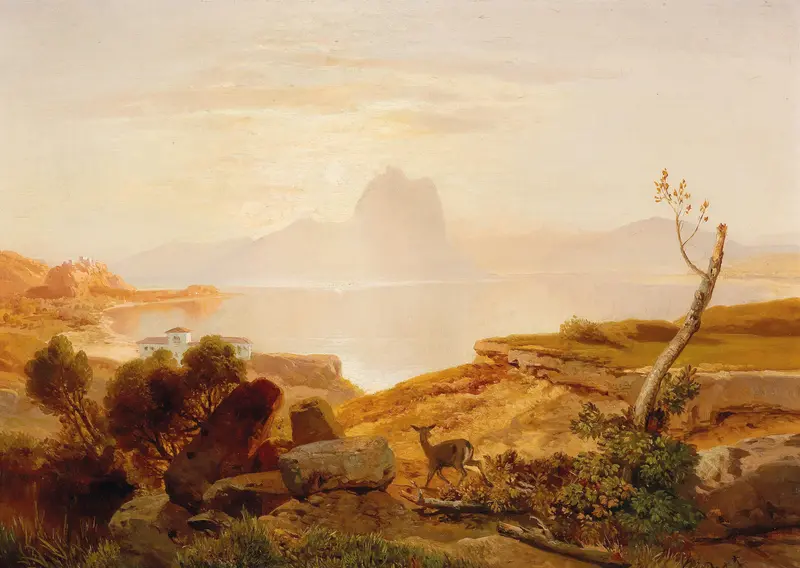
What first catches the eye in Rotwild in einer weiten Gebirgslandschaft is the sense of vastness—the way the landscape seems to stretch on forever, drawing the viewer into a world where nature dominates and the human presence is entirely absent. Sunlight pours over the mountains and valleys, illuminating the golden foliage and casting gentle shadows that guide the gaze from the rocky outcrop in the foreground to the distant, misty peaks. At the bottom right, a small group of red deer stands alert, their delicate forms almost hidden against the earth tones of the hillside, inviting a closer look.
The solitary tree leaning over the edge of the slope seems to echo the cautious posture of the animals, both shaped by the wind and the wildness of their surroundings. Painted by Albert August Zimmermann by 1888, this work belongs to a tradition of late 19th-century landscape painting that celebrated the grandeur and diversity of the natural world. Such scenes were cherished by collectors and the urban middle class, who sought reminders of untamed beauty as industrialization transformed daily life. The painting’s careful attention to atmospheric effects and botanical detail reflects the era’s fascination with both scientific observation and romantic escape.
Now part of the Dorotheum collection, this canvas is a quiet testament to a time when artists and viewers alike found meaning in the patient study of light, land, and the silent drama of wildlife—an invitation to linger, and to see what else might be moving in the shadows.
More Artworks by Albert August Zimmermann
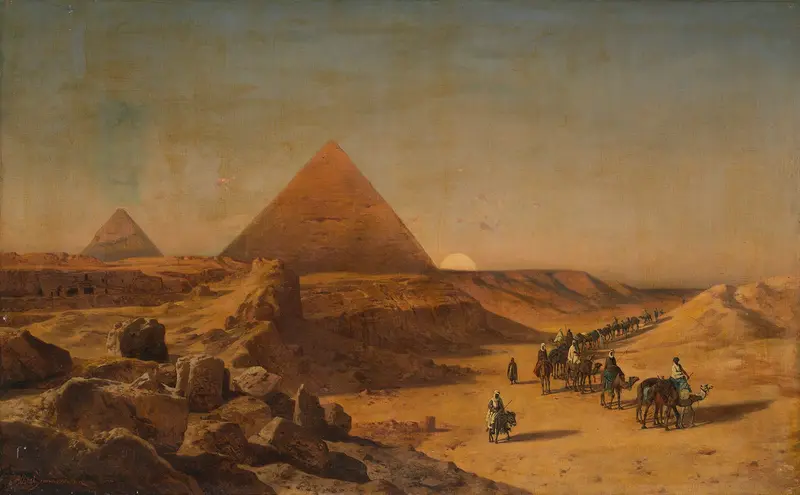
Pyramids
Albert August Zimmermann

Schwäbische Alb
Albert August Zimmermann
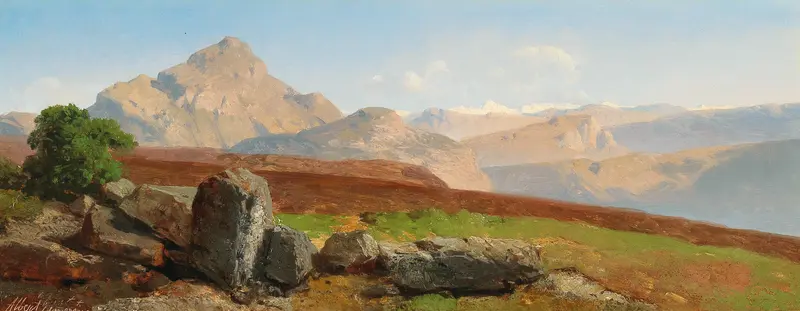
Mountain Landscape
Albert August Zimmermann
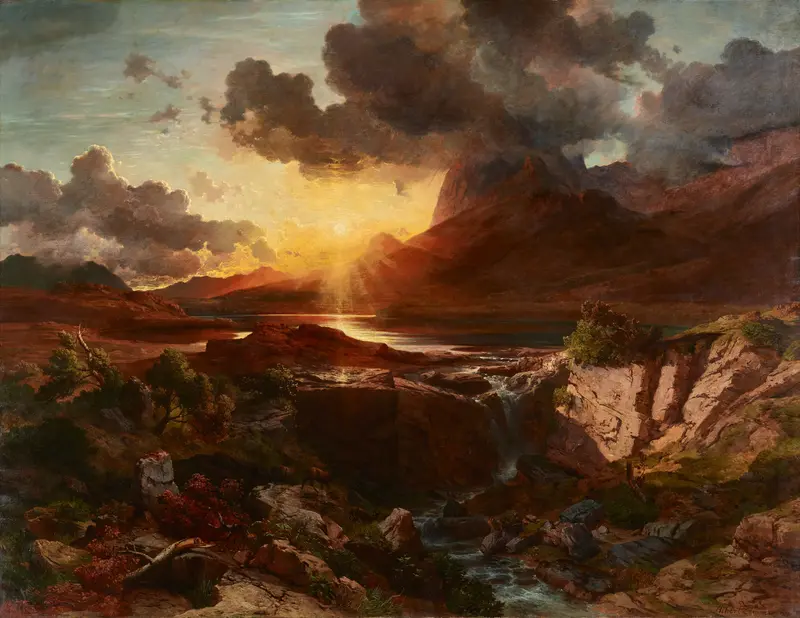
Sonnenuntergang am Hintersee in Berchtesgaden 13 Österreichische Galerie Belvedere
Albert August Zimmermann
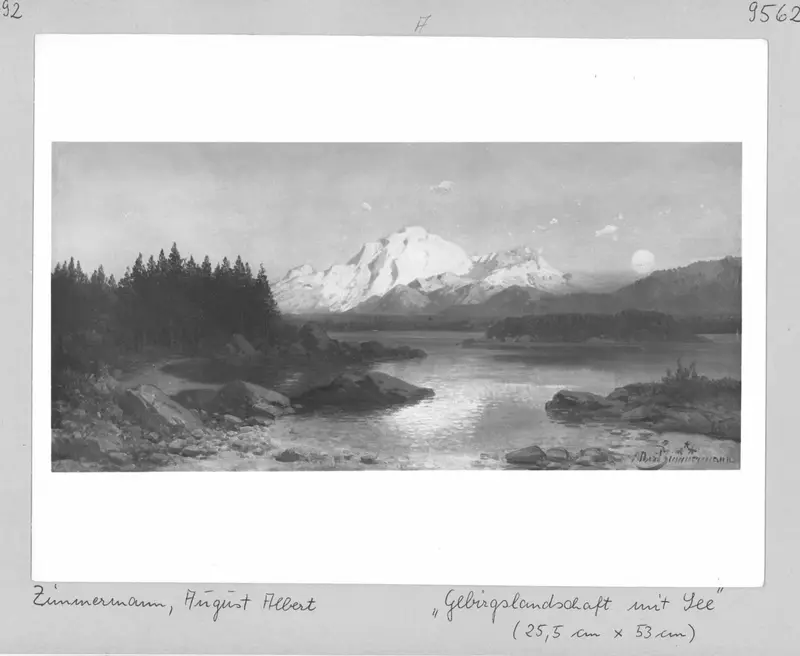
Mountain-landscape with lake
Albert August Zimmermann
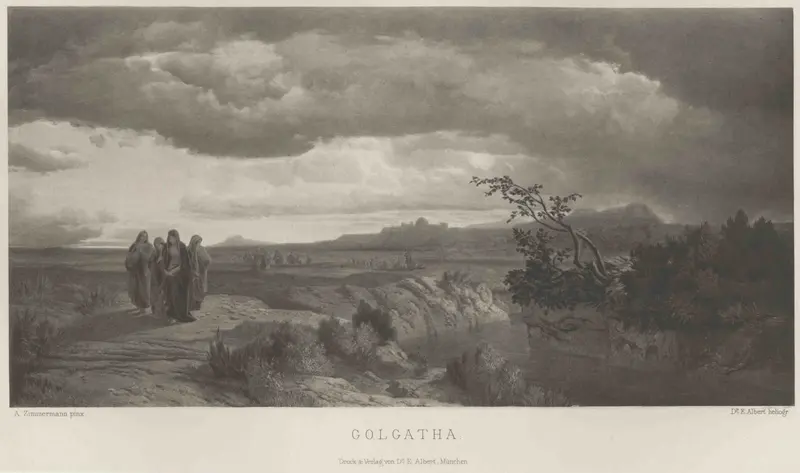
Golgatha
Albert August Zimmermann
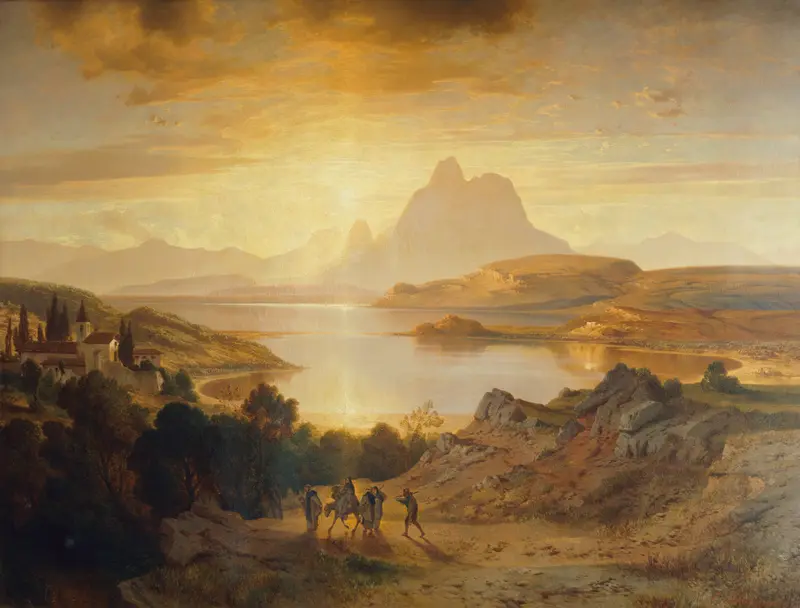
Lago di Lugano 65 Österreichische Galerie Belvedere
Albert August Zimmermann
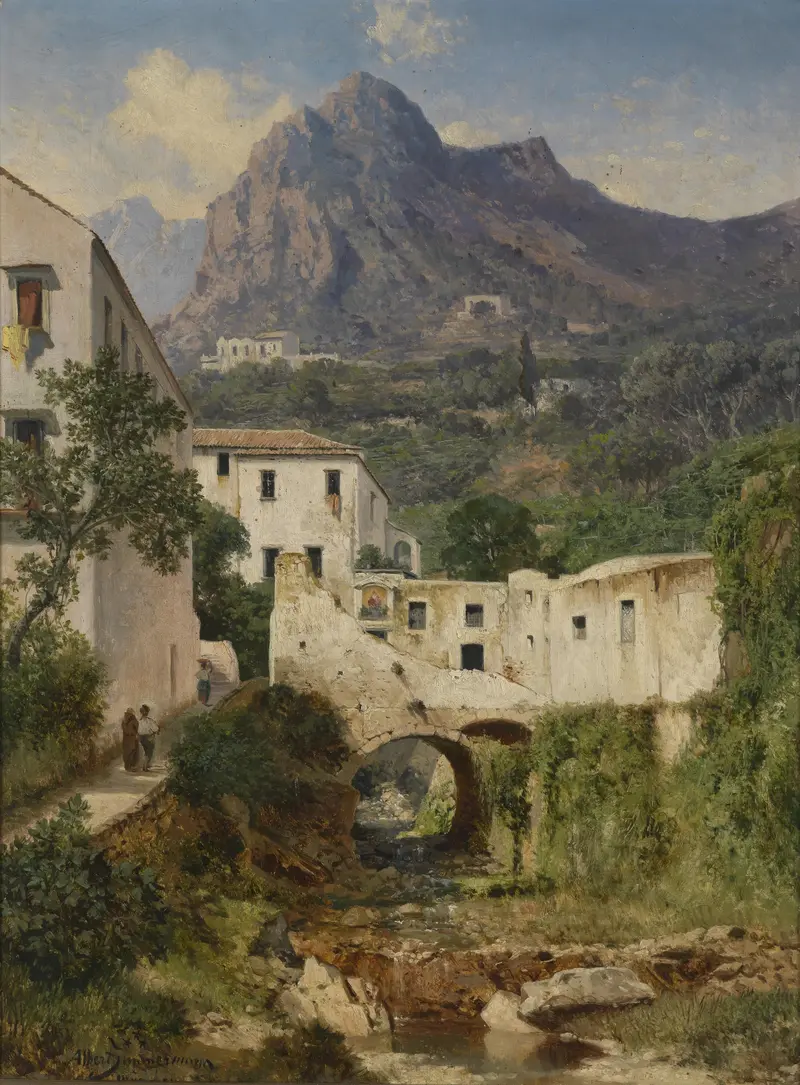
Mühltal bei Amalfi
Albert August Zimmermann
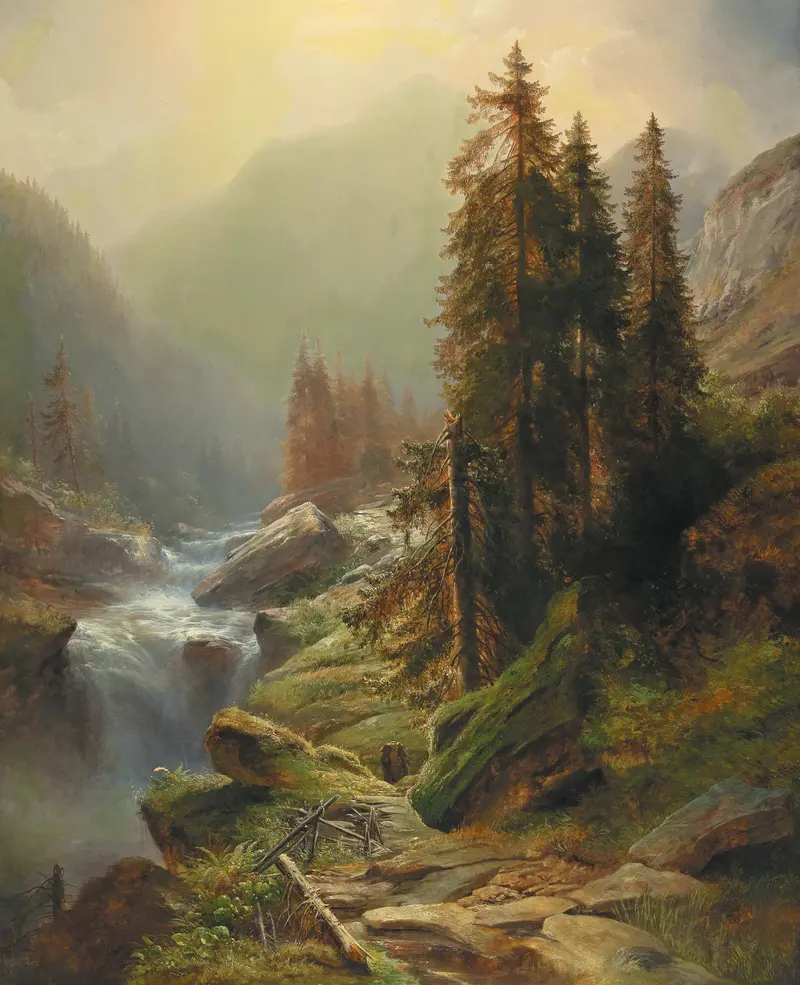
Large Mountain Landscape
Albert August Zimmermann
Partie am Como See
Albert August Zimmermann
More Landscape Art

The Starry Night
Vincent van Gogh

View of Delft
Johannes Vermeer

Water Lilies
Claude Monet

The Grand Canal, Venice, looking north-west from the Ca' Corner to the Ca' Contarini degli Scrigni, with the campanile of Santa Maria della Carità
Canaletto

Windsor Castle
Canaletto

The Grand Canal looking North-East from the Palazzo Dolfin-Manin to the Rialto Bridge
Canaletto