Rouen; Entrée de la Salle des Pas Perdus, Palais du Justice — History & Facts
Could beauty survive in a century of chaos? In Rouen; Entrée de la Salle des Pas Perdus, Palais du Justice, the stillness of the grand architectural space speaks to both grandeur and emptiness, inviting contemplation of the fleeting nature of human endeavor. Focus first on the expansive corridor, where soft light gently spills from the archways, illuminating the intricate details of the stonework. The cool palette of blues and grays contrasts with the warm, inviting hues of the illuminated area, drawing the eye toward the doorway. Look closely at the meticulously painted textures of the walls and floor, where Bonington’s brushstrokes create a sense of depth and perspective, inviting the viewer to traverse the space, even as it remains devoid of figures. Beneath its surface beauty lies a poignant commentary on solitude and disconnection.
The absence of people within the grand hall evokes a haunting sense of isolation, as though the space itself mourns the absence of life and laughter. This emptiness serves as a stark reminder of the transient nature of beauty and the inevitable passage of time, suggesting that even the most magnificent structures can become mere echoes of their former vibrancy. In 1824, Bonington painted this work in France, a time when the nation was in the throes of political upheaval and artistic transition. A young artist influenced by English Romanticism, he sought to capture the drama of light and the emotional resonance of space.
This piece reflects his dedication to infusing landscapes with a sense of depth and narrative, positioning him as a significant figure in the 19th-century art movements of both England and France.
More Artworks by Richard Parkes Bonington
Browse all →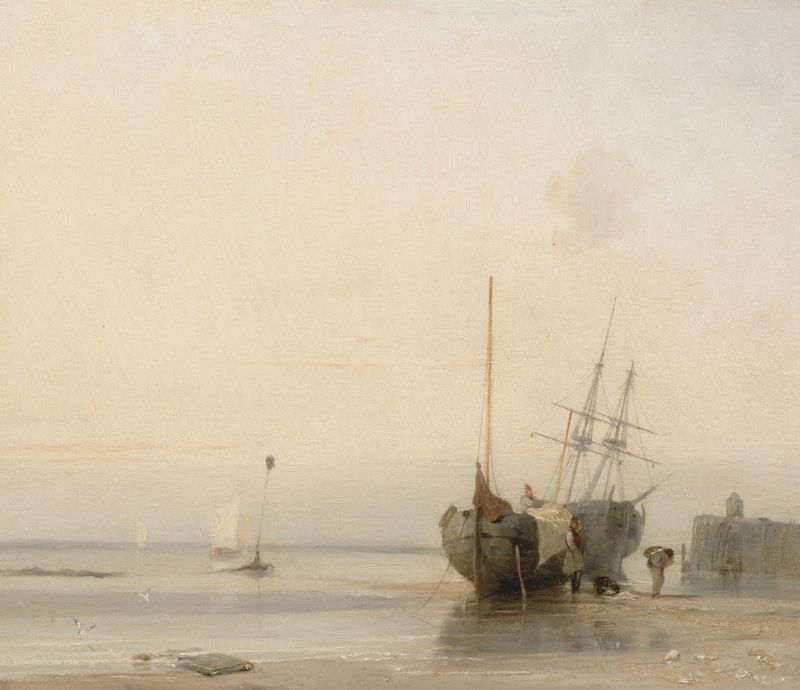
Calais Jetty, France
Richard Parkes Bonington
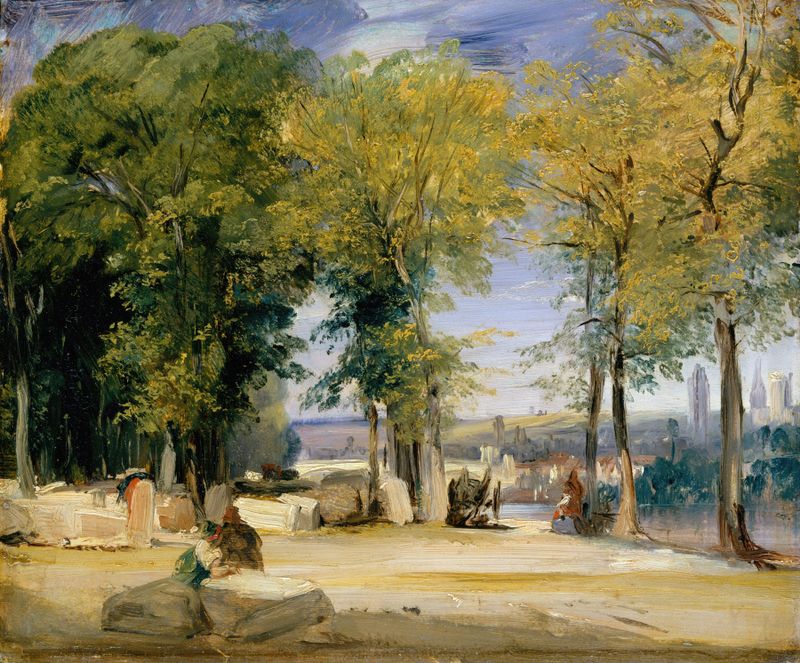
View near Rouen
Richard Parkes Bonington
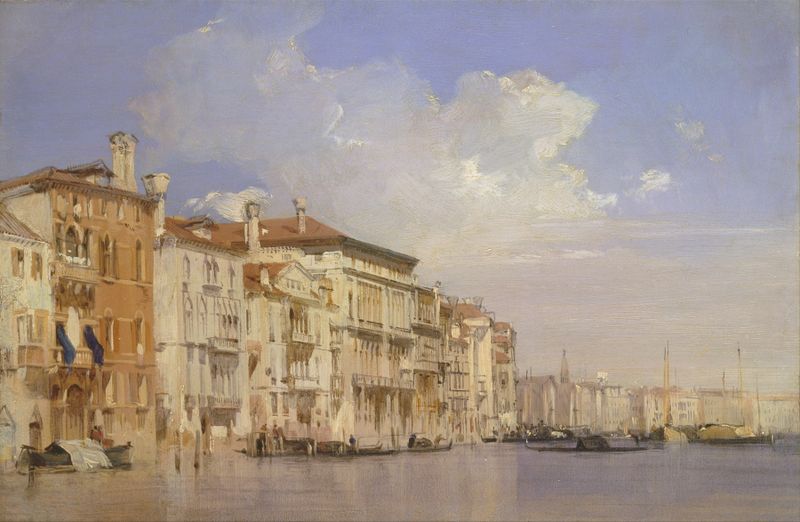
Grand Canal, Venice
Richard Parkes Bonington
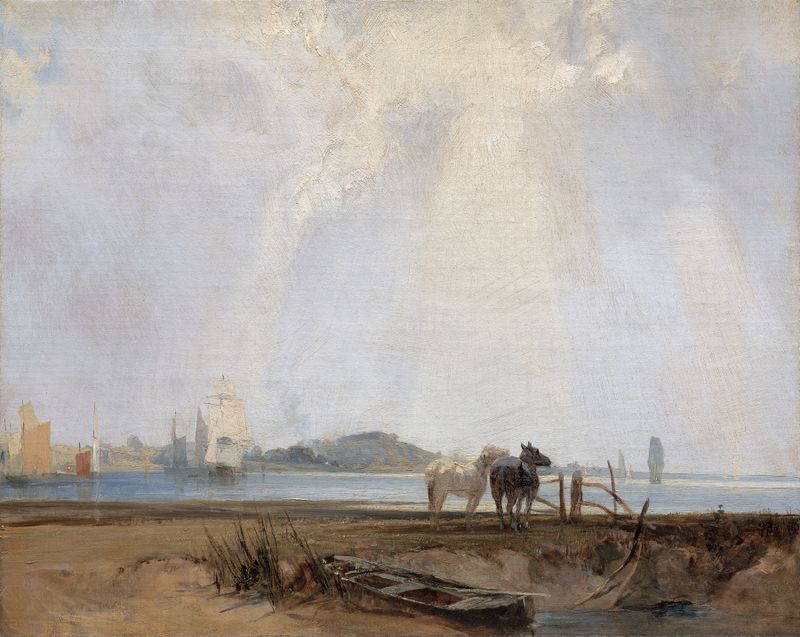
Near Quillebeuf
Richard Parkes Bonington
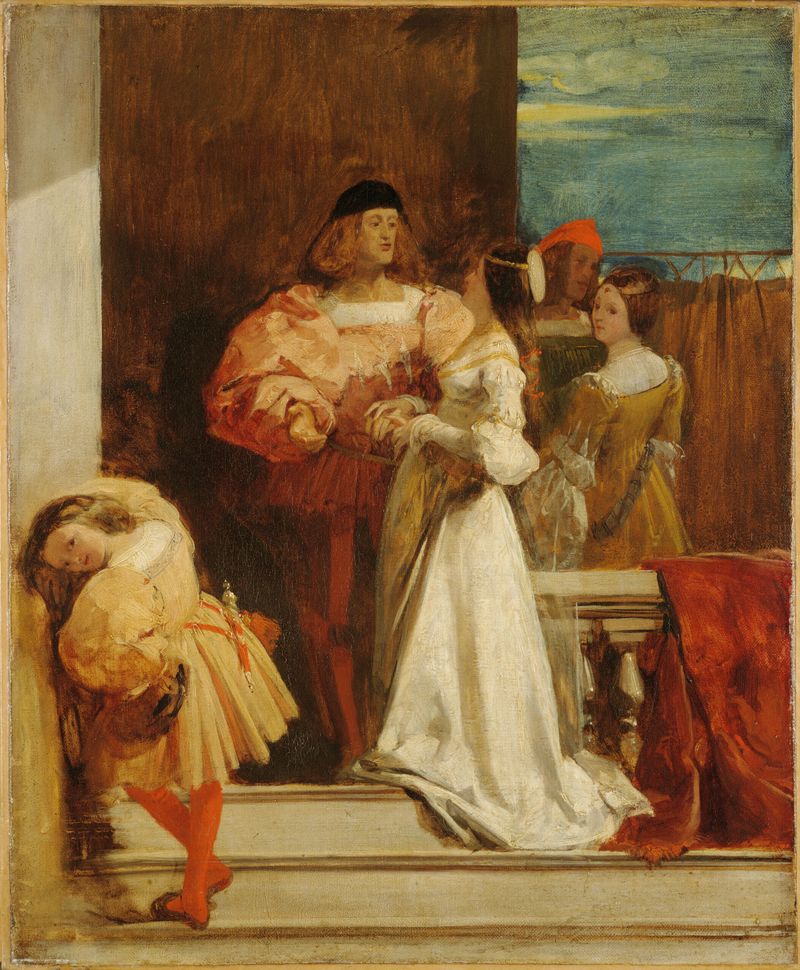
Evening in Venice
Richard Parkes Bonington
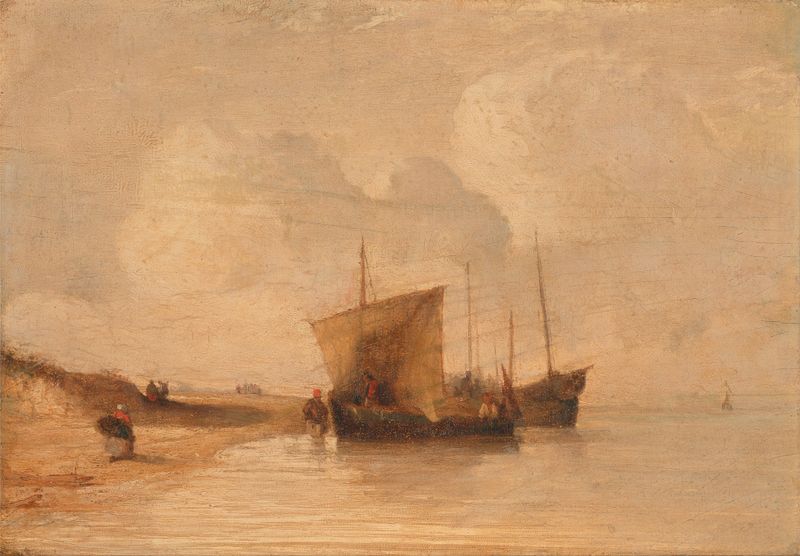
Normandy Coast
Richard Parkes Bonington
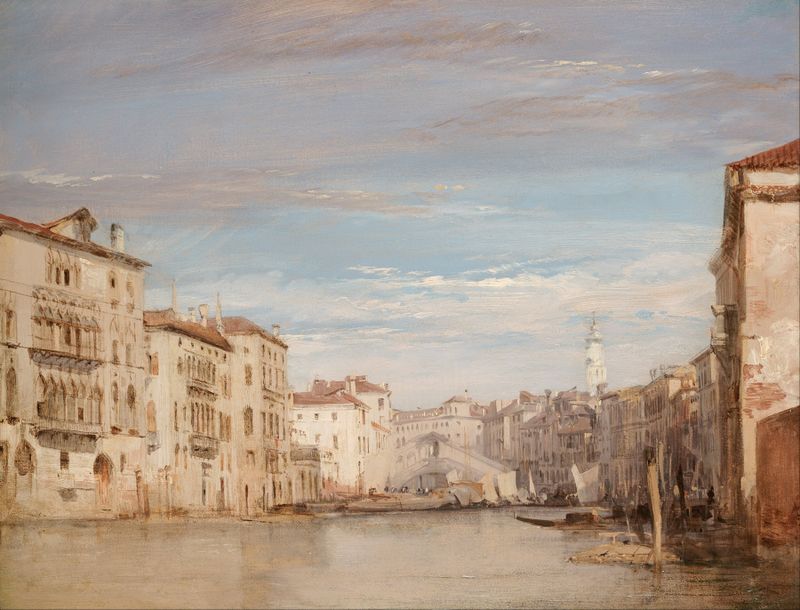
The Grand Canal, Venice, Looking Toward the Rialto
Richard Parkes Bonington
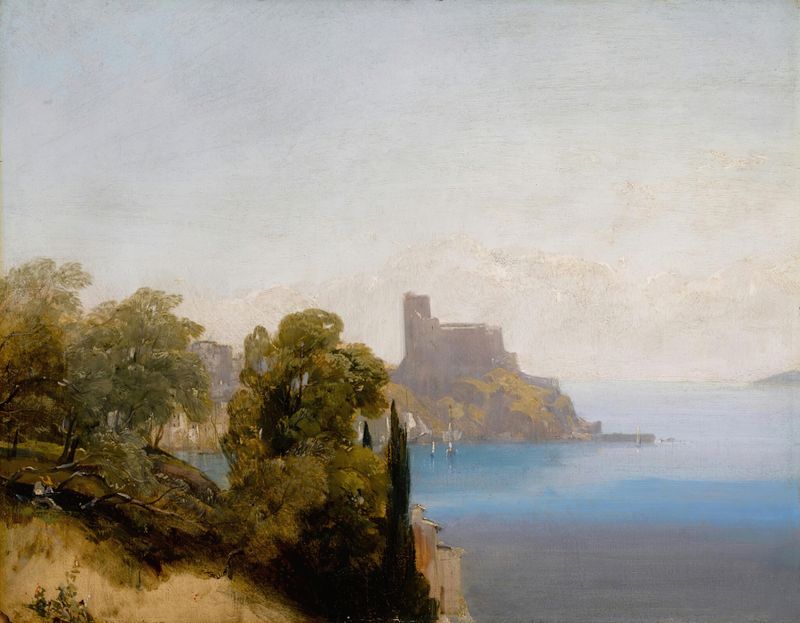
View of Lerici with Baron Charles Rivet sketching in the foreground
Richard Parkes Bonington
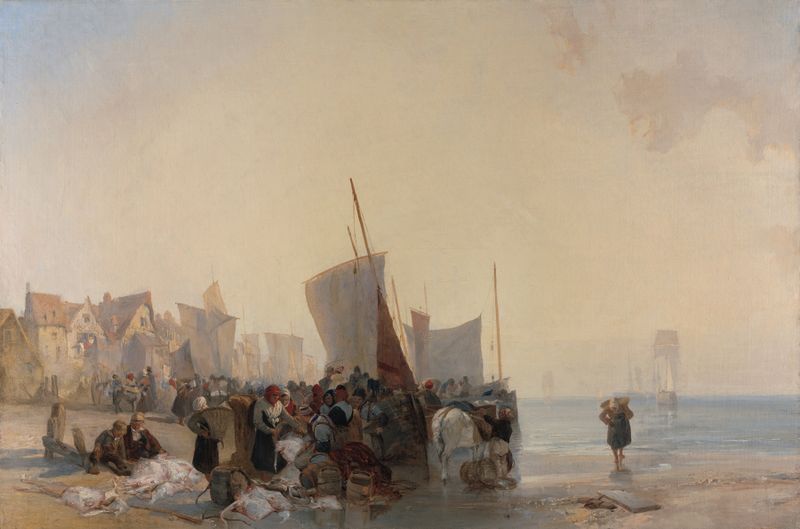
A Fish-market near Boulogne
Richard Parkes Bonington
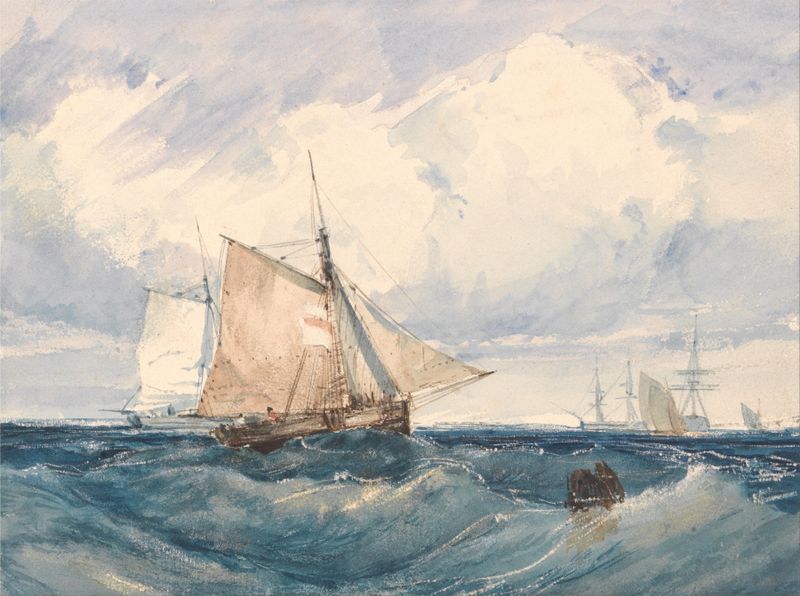
A Cutter and other shipping in a Breeze
Richard Parkes Bonington