
Roundhay Lake — History & Facts
In the depths of each stroke, one can sense the elusive dance of movement that captures a moment suspended in time. For a moment, look to the shimmering surface of the lake, where a gentle reflection mirrors the twilight sky. Notice how the moody blue and amber hues blend seamlessly, evoking both calm and contemplation. The soft illumination casts delicate shadows across the landscape, highlighting the trees that stand sentinel along the shore.
Each brushstroke seems to breathe life into the scene, inviting the viewer to explore the tranquil yet slightly haunting essence of dusk. Delve deeper, and you'll uncover the contrasts that amplify the emotional core of the work. The lively flicker of the water's surface juxtaposes the stillness of the trees, creating a dialogue between chaos and serenity. Here, the light captures movement, hinting at the unseen breezes that ripple through the air, while the anchored silhouettes suggest a deeper stillness within nature.
This interplay evokes a sense of longing, as if the viewer is caught in the moment between action and repose. Created in 1877, the artist painted this landscape during a time when he was gaining recognition for his unique interpretations of nocturnal scenes. Set in Leeds, England, it reflects Grimshaw's fascination with the interplay of light and color, as he sought to elevate the ordinary into the extraordinary. This period marked a significant moment in his career, as he began to experiment with his signature atmospheric techniques, shaping his legacy as a master of moonlit landscapes.
More Artworks by John Atkinson Grimshaw
Browse all →
Under the Silvery Moonbeams
John Atkinson Grimshaw
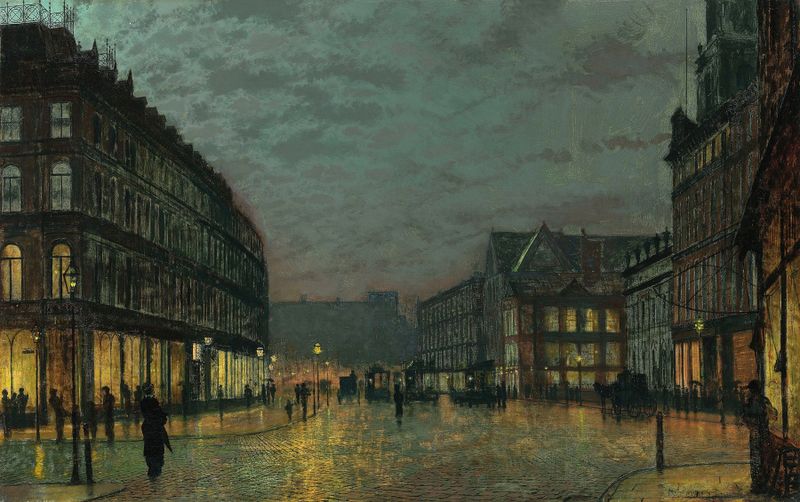
Boar Lane, Leeds by lamplight
John Atkinson Grimshaw
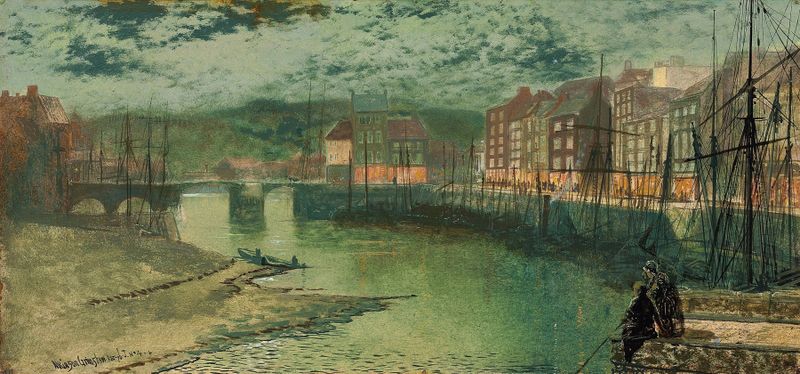
Whitby docks
John Atkinson Grimshaw

Old Chelsea
John Atkinson Grimshaw

Late October
John Atkinson Grimshaw
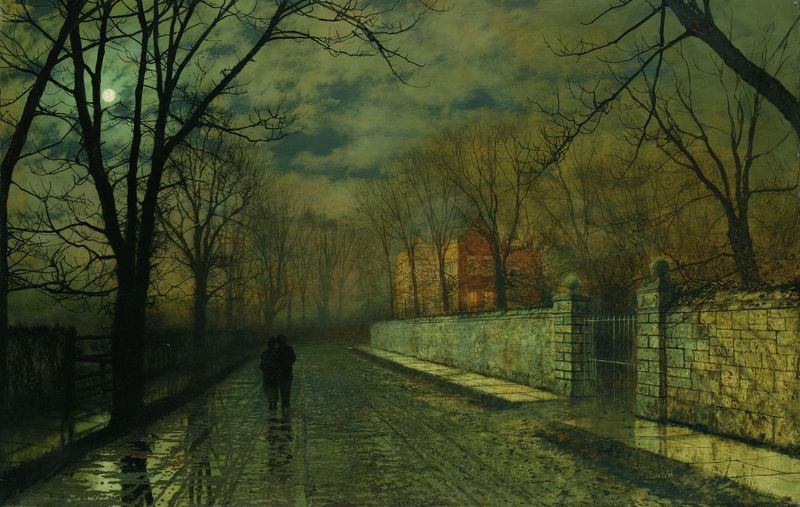
Figures In A Moonlit Lane After Rain
John Atkinson Grimshaw

Liverpool Lights
John Atkinson Grimshaw
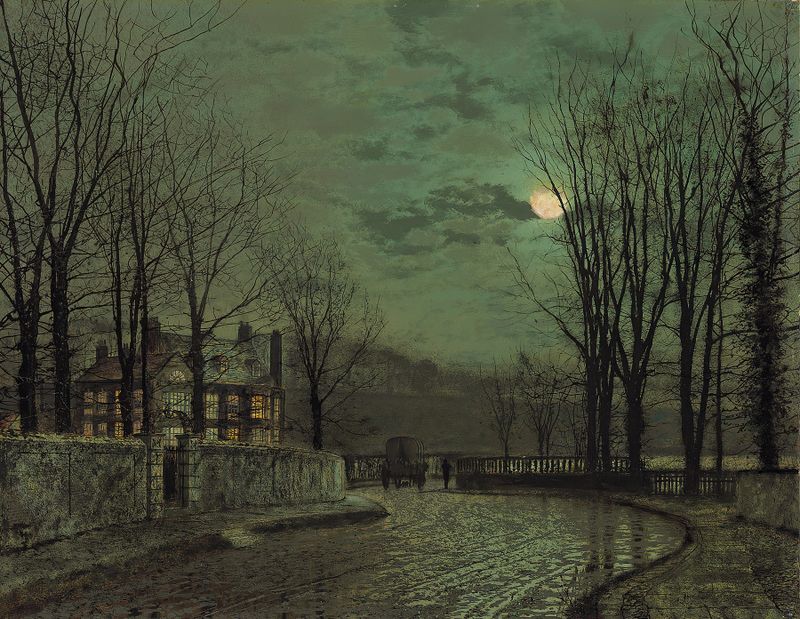
November Moonlight
John Atkinson Grimshaw
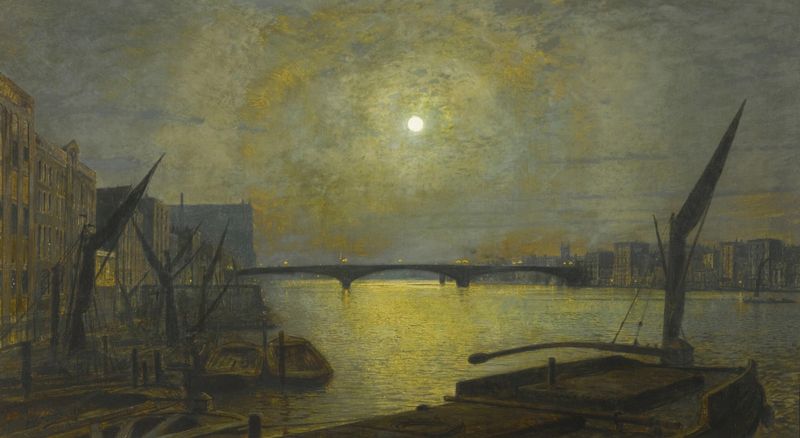
Southwark Bridge from Blackfriars by Moonlight
John Atkinson Grimshaw

Whitby From Scotch Head, Moonlight On The Esk
John Atkinson Grimshaw





