
Rue A Villeneuve-Les-Avignon — History & Facts
When did color learn to lie? In the hands of a master like Renoir, hues become whispers of reality, beckoning us into an awakening that transcends mere representation. Through a kaleidoscope of vivid shades, we are invited to reconsider our perceptions of the world around us. Look closely at the soft swath of brushstrokes that forms the quaint street in Rue A Villeneuve-Les-Avignon. The gentle bend of the road draws the eye, while dappled sunlight dances across textured buildings, each stroke revealing the artist's hand at play.
Notice how the warm yellows and rich greens intertwine, creating a vibrant atmosphere that feels almost intoxicating. The composition feels alive, echoing the pulse of a summer day—a celebration of light that envelops the viewer in a serene embrace. Yet beneath this buoyant surface lies a contrast that speaks to deeper truths. The lively street, filled with hints of human presence, may suggest a vibrancy of life, but the absence of figures encourages reflection on solitude amidst beauty.
The vibrant colors, juxtaposed with the stillness of the scene, create a tension—inviting us to ponder the unseen stories waiting to unfold just beyond the frame. In this, Renoir captures not only a moment but the essence of life’s fleeting nature. Created in 1905, this piece reflects Renoir's later years, a time when he began to embrace a more relaxed style that emphasized color and light over detail. Living in the south of France, he sought inspiration from the radiant landscapes and the vibrant community around him.
The artist was navigating a shift in his career, moving from the Impressionist movement to a bolder exploration of color that would resonate with future generations, marking a pivotal point in his artistic evolution.
More Artworks by Pierre-Auguste Renoir
Browse all →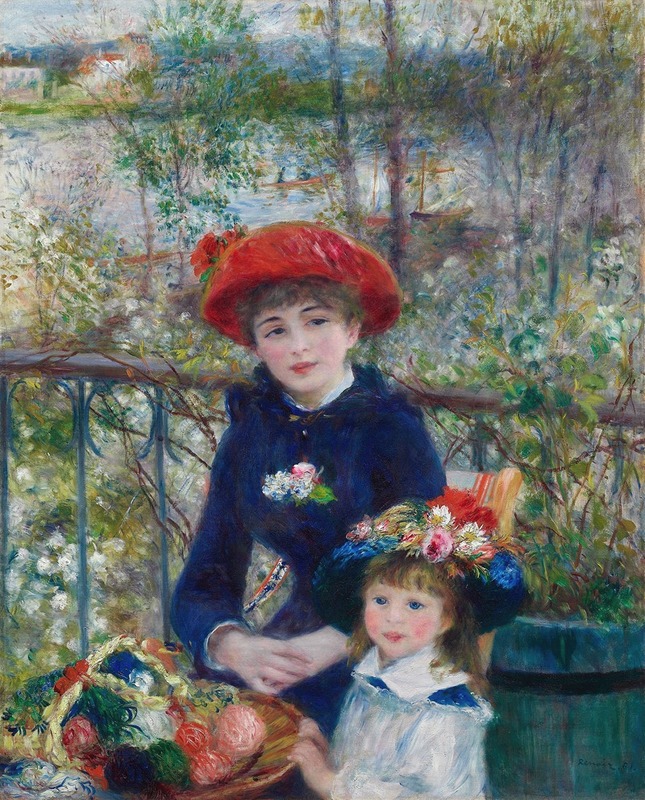
Two Sisters (On the Terrace)
Pierre-Auguste Renoir
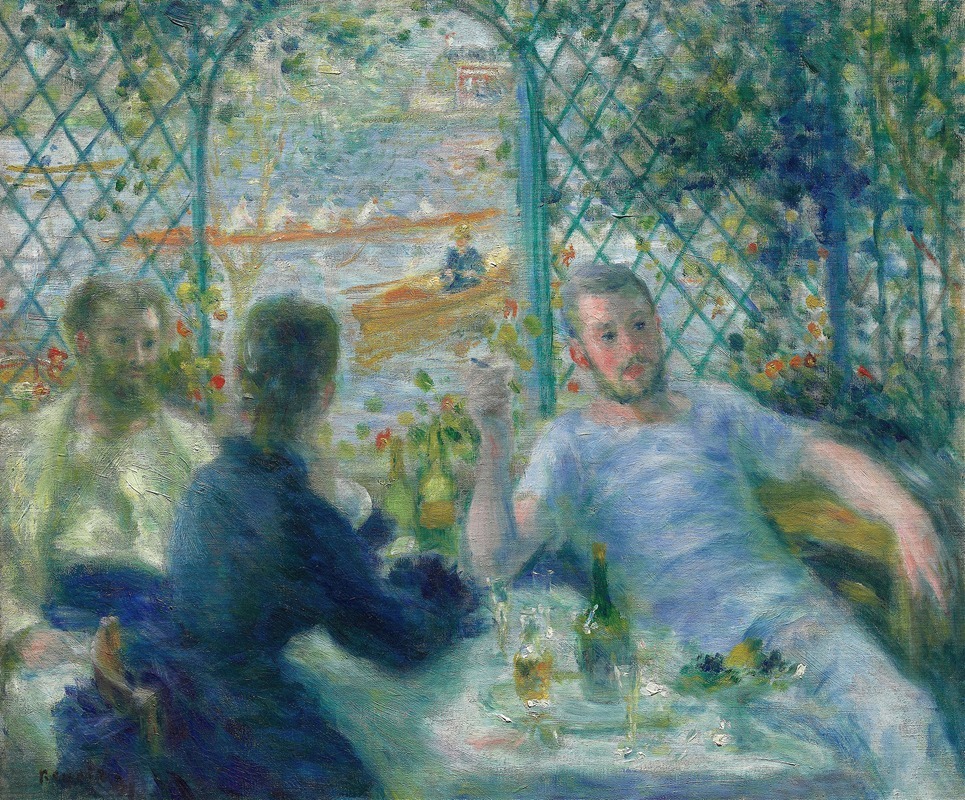
Lunch at the Restaurant Fournaise (The Rowers' Lunch)
Pierre-Auguste Renoir
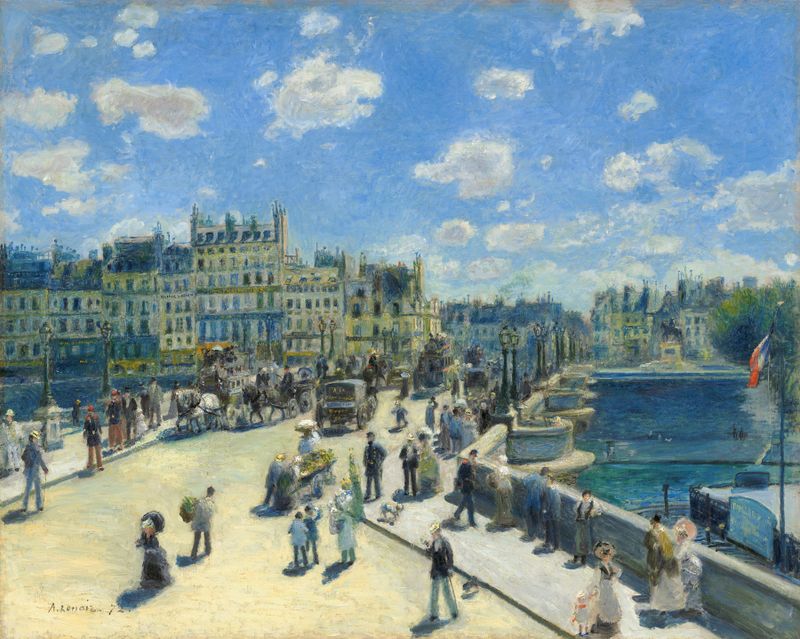
Pont Neuf, Paris
Pierre-Auguste Renoir
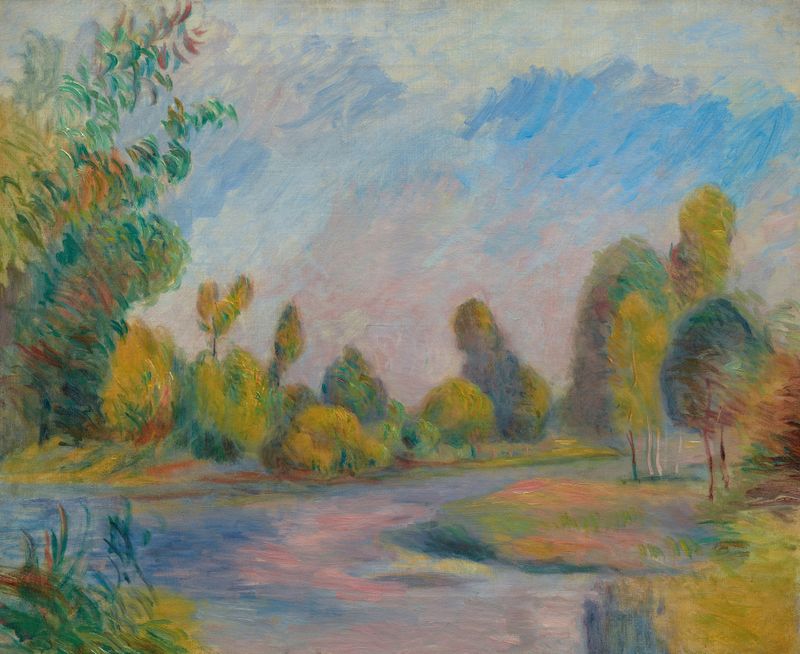
Au bord de la rivière
Pierre-Auguste Renoir

Near the Lake
Pierre-Auguste Renoir
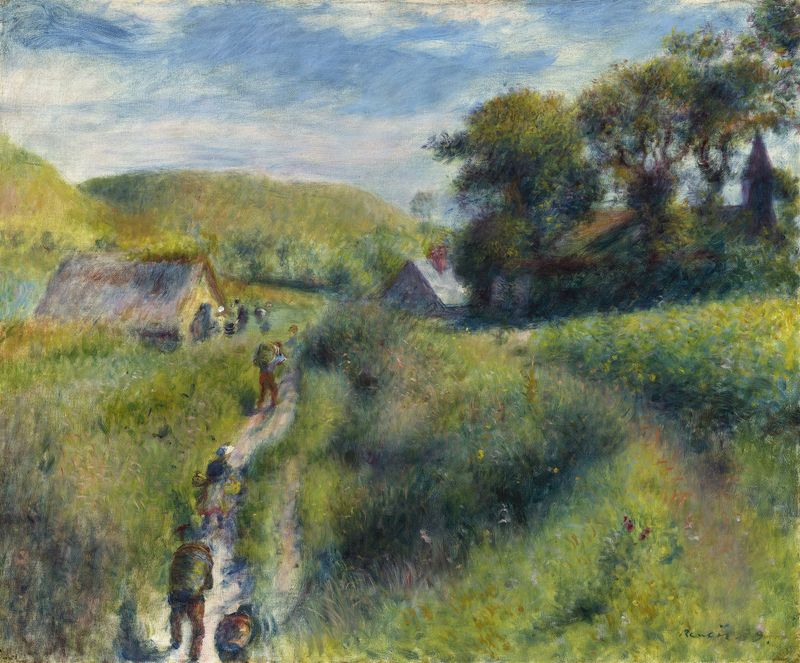
The Mussel Harvest
Pierre-Auguste Renoir

The Seine at Chatou
Pierre-Auguste Renoir
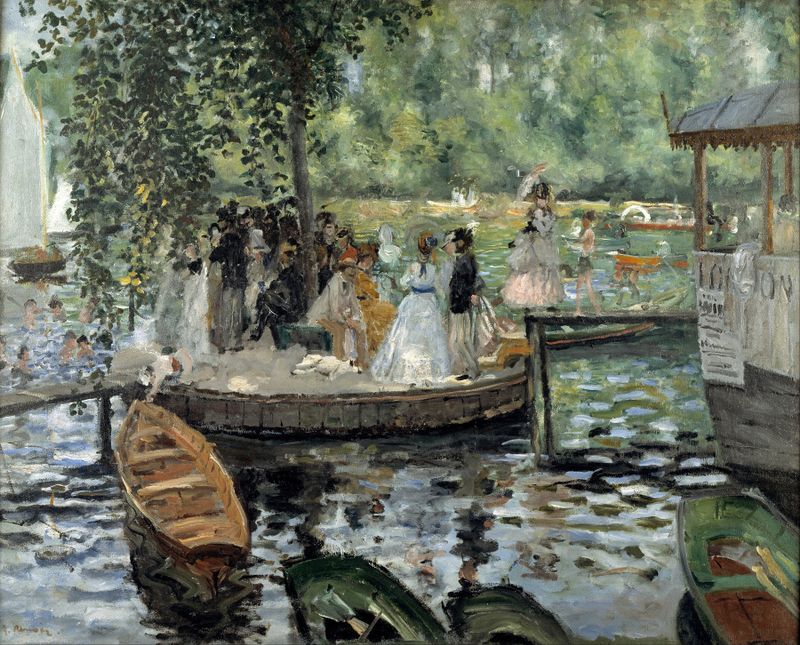
La Grenouillère
Pierre-Auguste Renoir
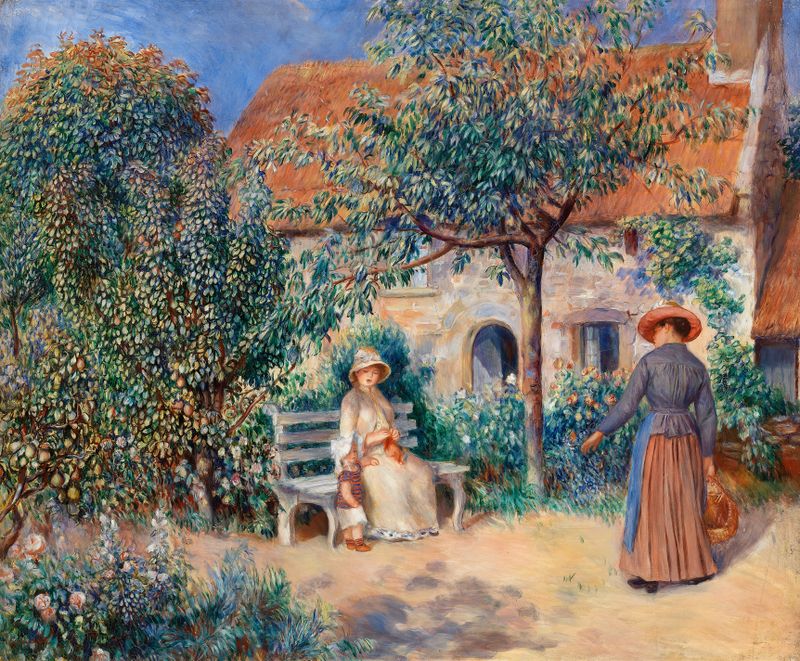
In Brittany (En Bretagne)
Pierre-Auguste Renoir
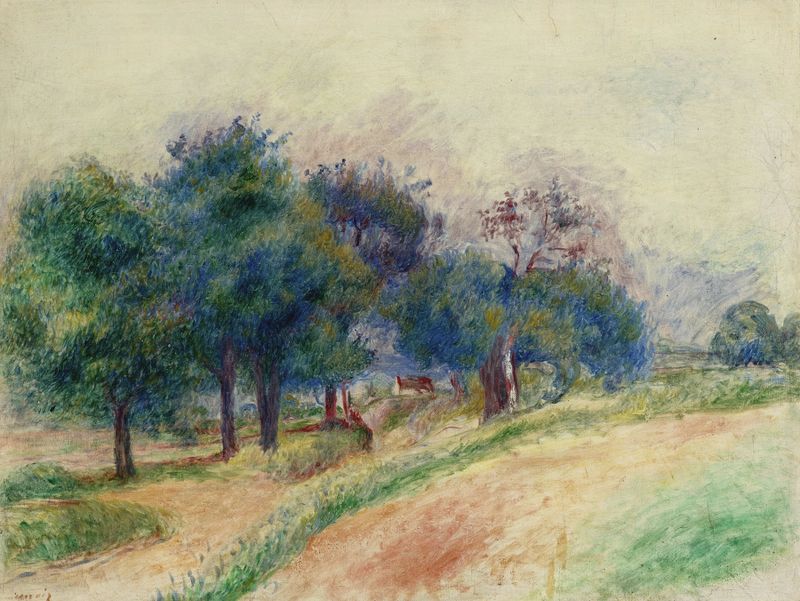
Paysage d’Essoyes
Pierre-Auguste Renoir





