
Rue Beaubourg, prise de la rue Rambuteau — History & Facts
When did color learn to lie? In the vibrant strokes of this painting, bursts of hue seem to tell stories of hope, yet conceal deeper truths beneath their surface. Look to the left at the bright, lively palette that captures the bustling Parisian street. The warm tones of ochre and gold radiate an inviting glow, drawing the eye toward the animated figures ambling through the scene. Notice how the dappled light dances across the cobblestone pavement, punctuated by the shadows of the buildings, hinting at an unseen passage of time.
The composition feels alive, a snapshot of urban life, with sweeping brushstrokes that evoke movement and energy. Delve into the details where contrasts emerge. The juxtaposition of the vibrant sky against the darker facades serves as a metaphor for hope lurking within the chaos of city life. Look closely, and you’ll find solitary figures lost in thought amid their surroundings, embodying the tension between individual aspirations and the bustling crowd.
The play of light and shadow invites contemplation on the story behind each face, suggesting an unspoken yearning that lies beneath the surface of this vibrant exterior. F. Séguin painted this work in 1896, during a period of artistic experimentation in Paris. It was a time when Impressionism was waning, giving way to new movements that sought to capture modernity.
Séguin, influenced by his contemporaries, sought to document the vibrancy of city life while exploring the emotional depth hidden within the everyday. In this work, he captures not just a moment, but the spirit of a city alive with possibility and aspiration.
More Artworks by F. Séguin
Browse all →
Rue Brantôme. (anciennement rue des Petits Champs donnant rue Saint Martin et rue Beaubourg)
F. Séguin
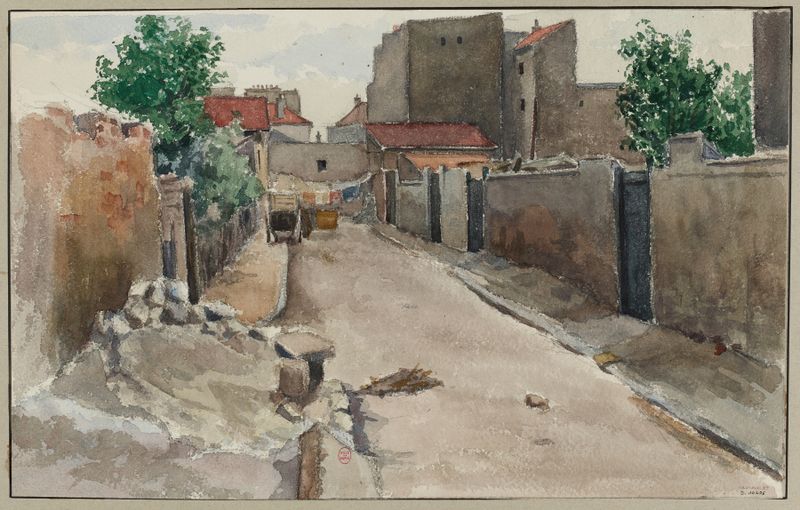
La rue de Chambéry, prise de la rue de Nice la Frontière
F. Séguin
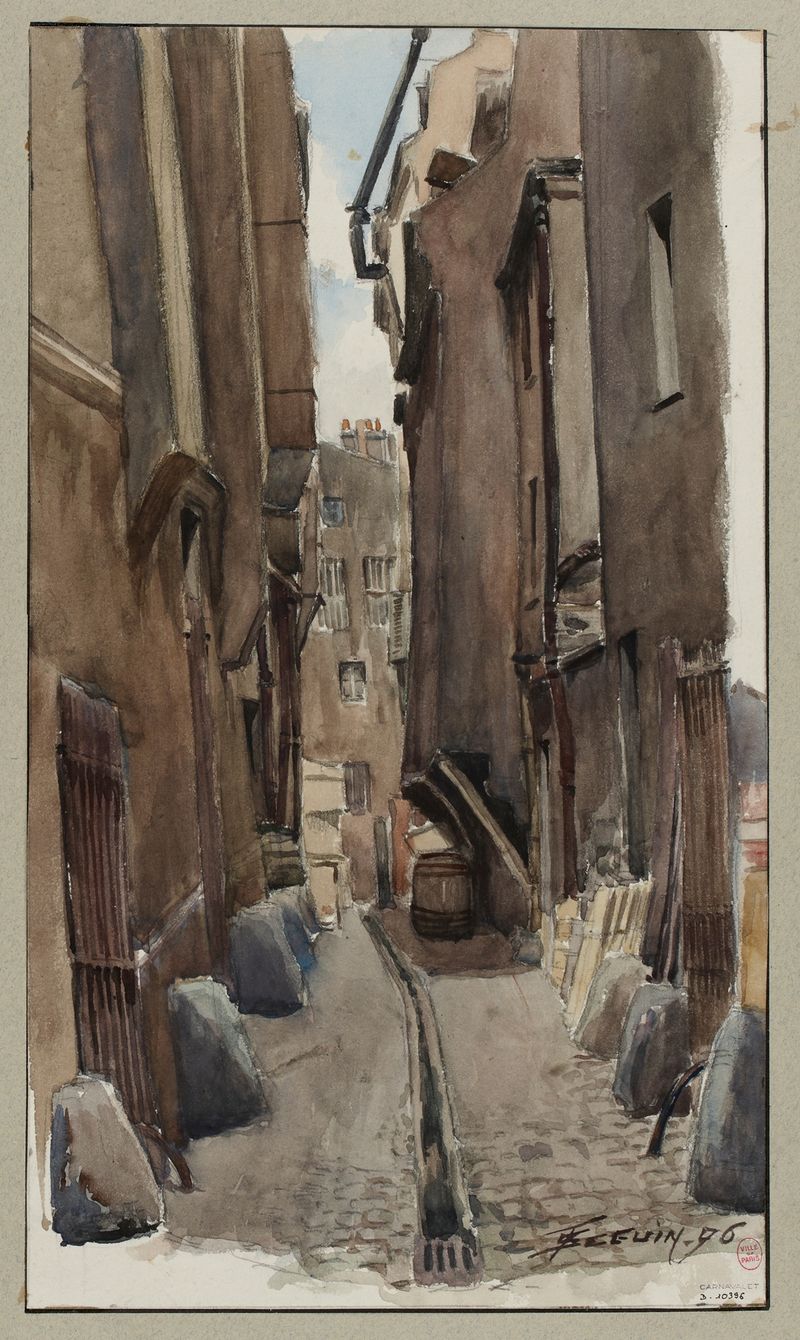
Le Cul de sac du Bœuf, (rue Saint Merri)
F. Séguin

Rue Descartes
F. Séguin
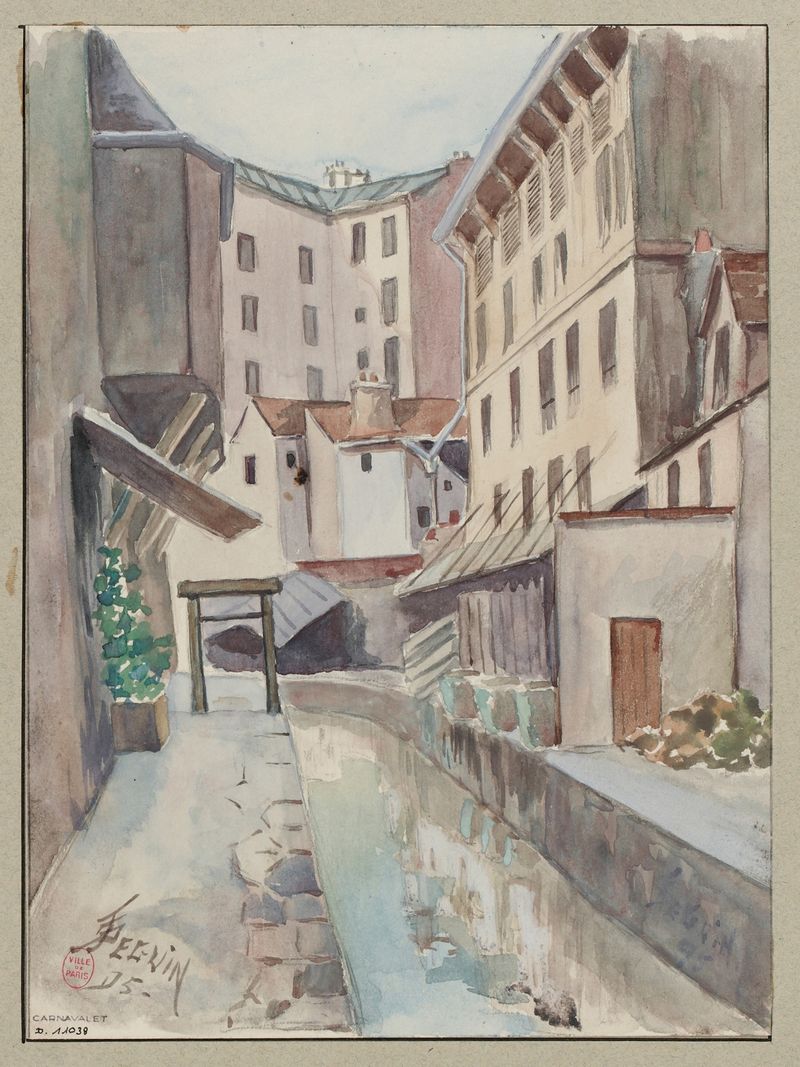
Le bord de la Bièvre à l’avenue des Gobelins
F. Séguin

Villa des Otages mur où furent fusillés les 52 derniers otages de la Commune, rue Haxo
F. Séguin
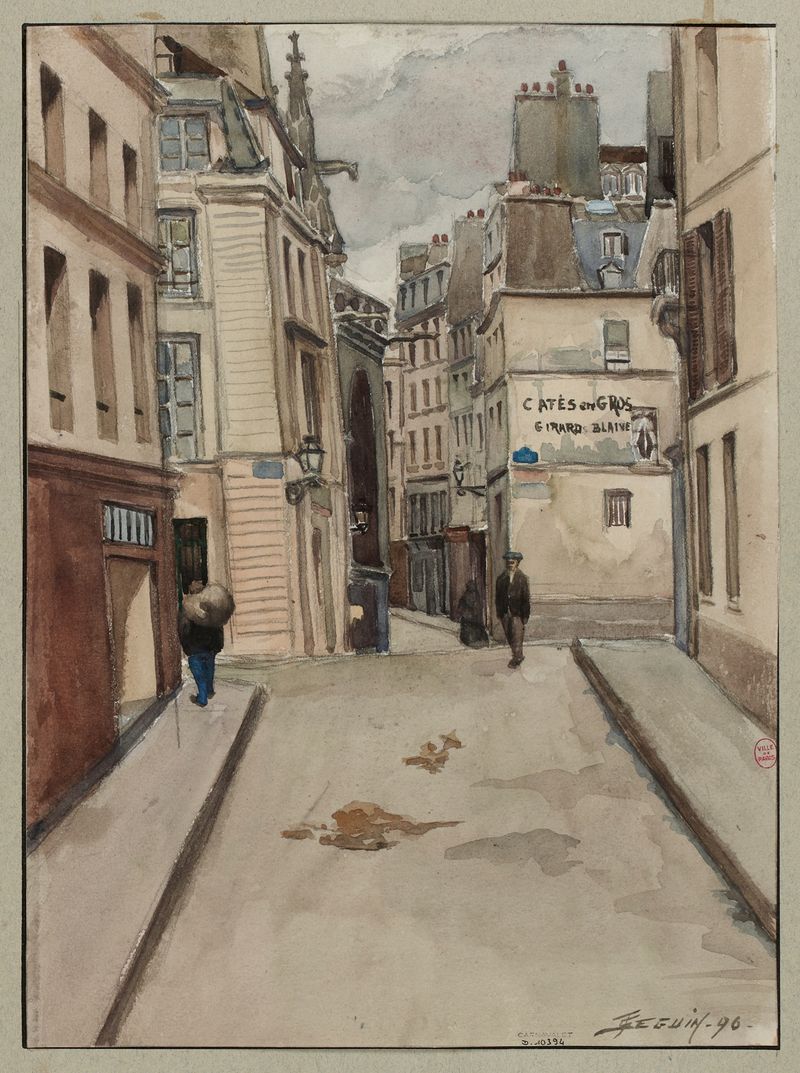
Rue du Cloître Saint Mérry, de la rue du Renard à la rue Saint Martin
F. Séguin
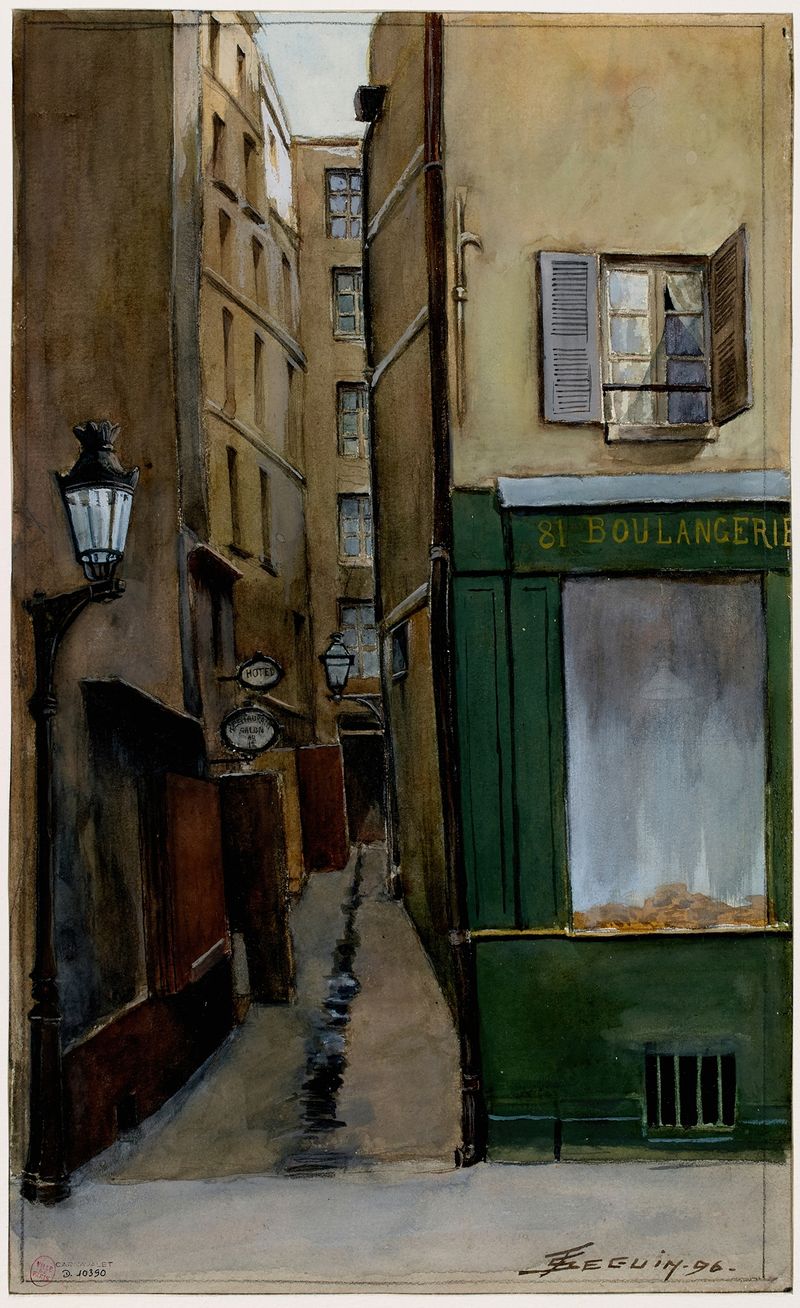
Cul de sac du Fiacre, 81 rue Saint Martin
F. Séguin
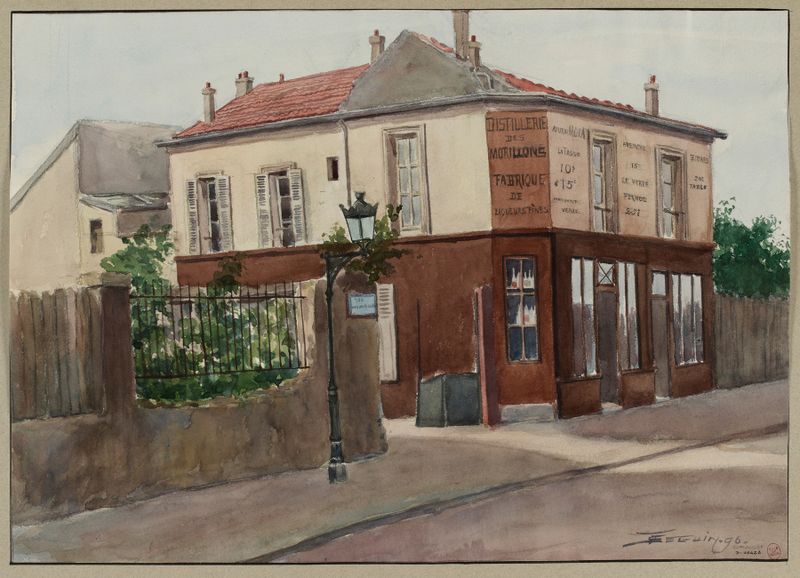
Angle de l’impasse Carlier et au 24 rue des Morillons, Vaugirard
F. Séguin
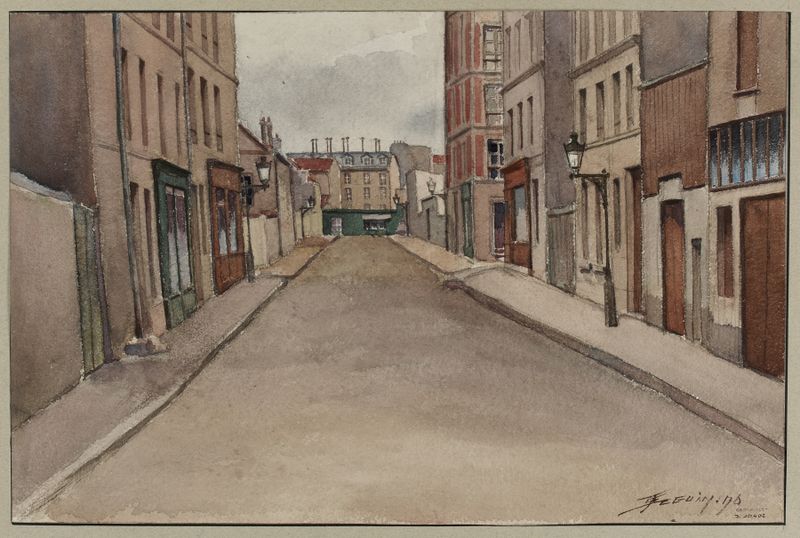
Rue Franquet
F. Séguin





