
Rue Bernard Palissy — History & Facts
Did the painter know this moment would outlive them? In Rue Bernard Palissy, the quiet charm of a Parisian street unfurls, inviting contemplation on balance, both in composition and life itself. Focus first on the vibrant foreground, where the warm earth tones of the cobblestone path contrast with the cool hues of the buildings beyond. The figures, absorbed in their daily routines, guide your gaze towards the inviting light spilling from a nearby window, illuminating the scene with a gentle glow. Notice how the artist employs loose brushstrokes to capture the fleeting essence of the moment, creating an atmosphere that feels both intimate and expansive. The juxtaposition of movement and stillness resonates throughout the painting; children frolic, while a solitary figure pauses, lost in thought.
This tension highlights the balance of life’s joyful chaos against the backdrop of stability that the buildings represent. The trees, reaching upwards, symbolize aspiration, while the low, sturdy structures ground the scene, embodying the dance between dreams and reality. F. Séguin painted Rue Bernard Palissy in 1895, during a time when Paris was undergoing significant transformation.
The world of art was shifting towards Impressionism, embracing new perspectives and the beauty of everyday life. As Séguin explored these themes, he navigated his personal journey as an artist, capturing not only a moment but a reflection of a city evolving and the balance it sought amidst change.
More Artworks by F. Séguin
Browse all →
Rue Brantôme. (anciennement rue des Petits Champs donnant rue Saint Martin et rue Beaubourg)
F. Séguin
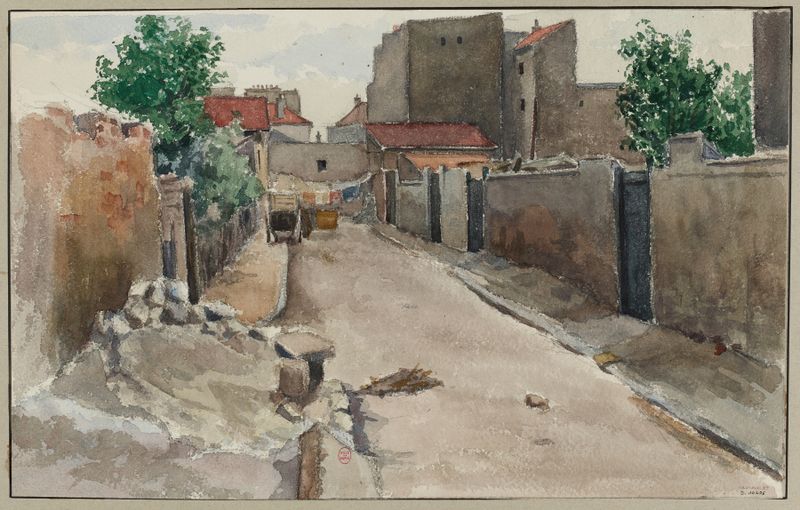
La rue de Chambéry, prise de la rue de Nice la Frontière
F. Séguin
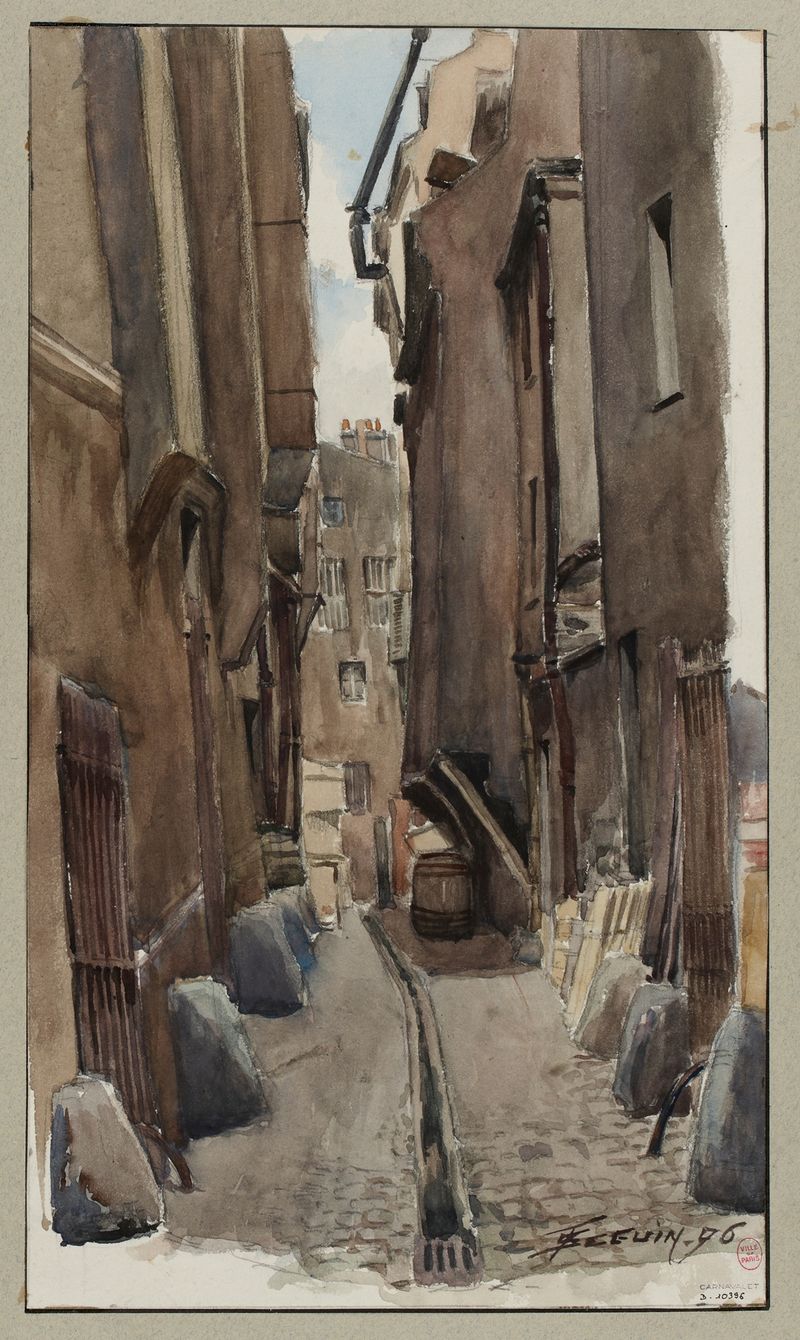
Le Cul de sac du Bœuf, (rue Saint Merri)
F. Séguin

Rue Descartes
F. Séguin
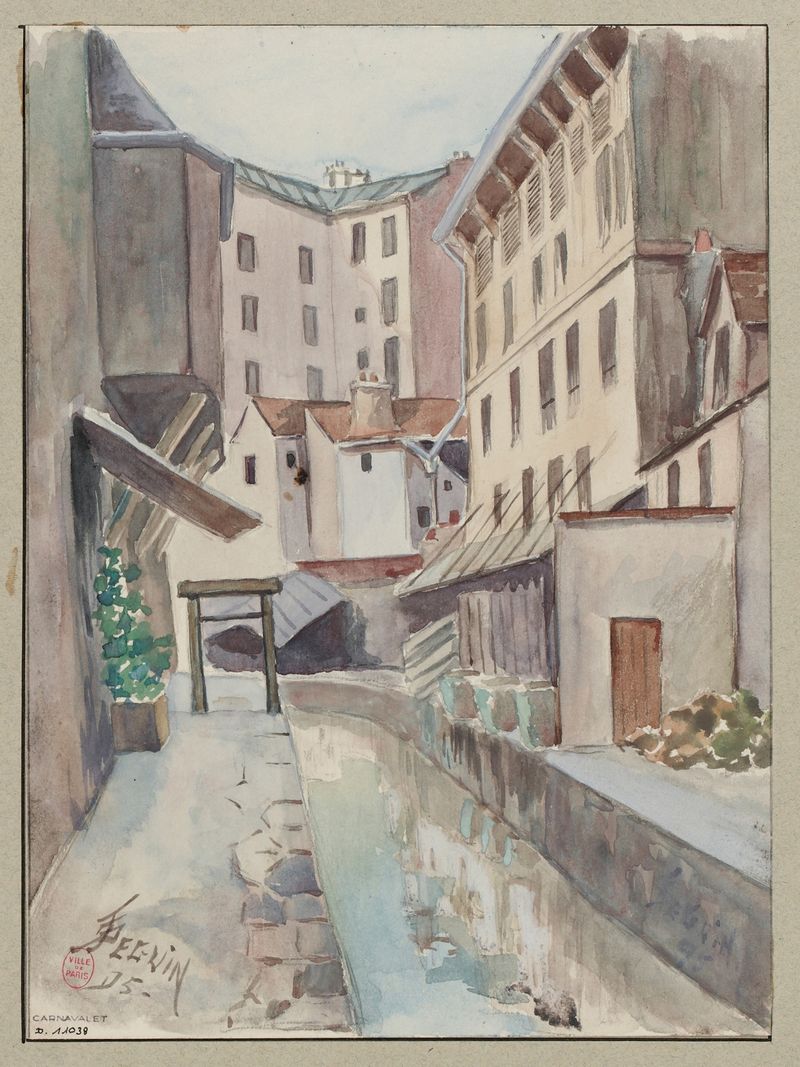
Le bord de la Bièvre à l’avenue des Gobelins
F. Séguin

Villa des Otages mur où furent fusillés les 52 derniers otages de la Commune, rue Haxo
F. Séguin
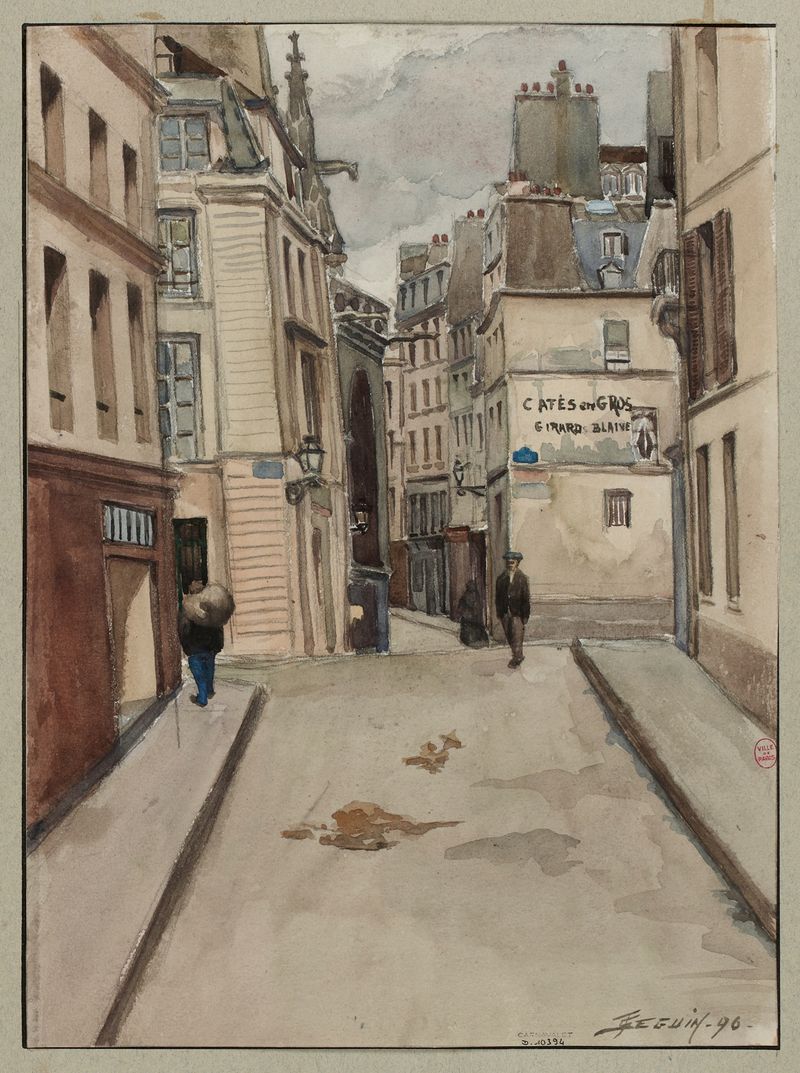
Rue du Cloître Saint Mérry, de la rue du Renard à la rue Saint Martin
F. Séguin
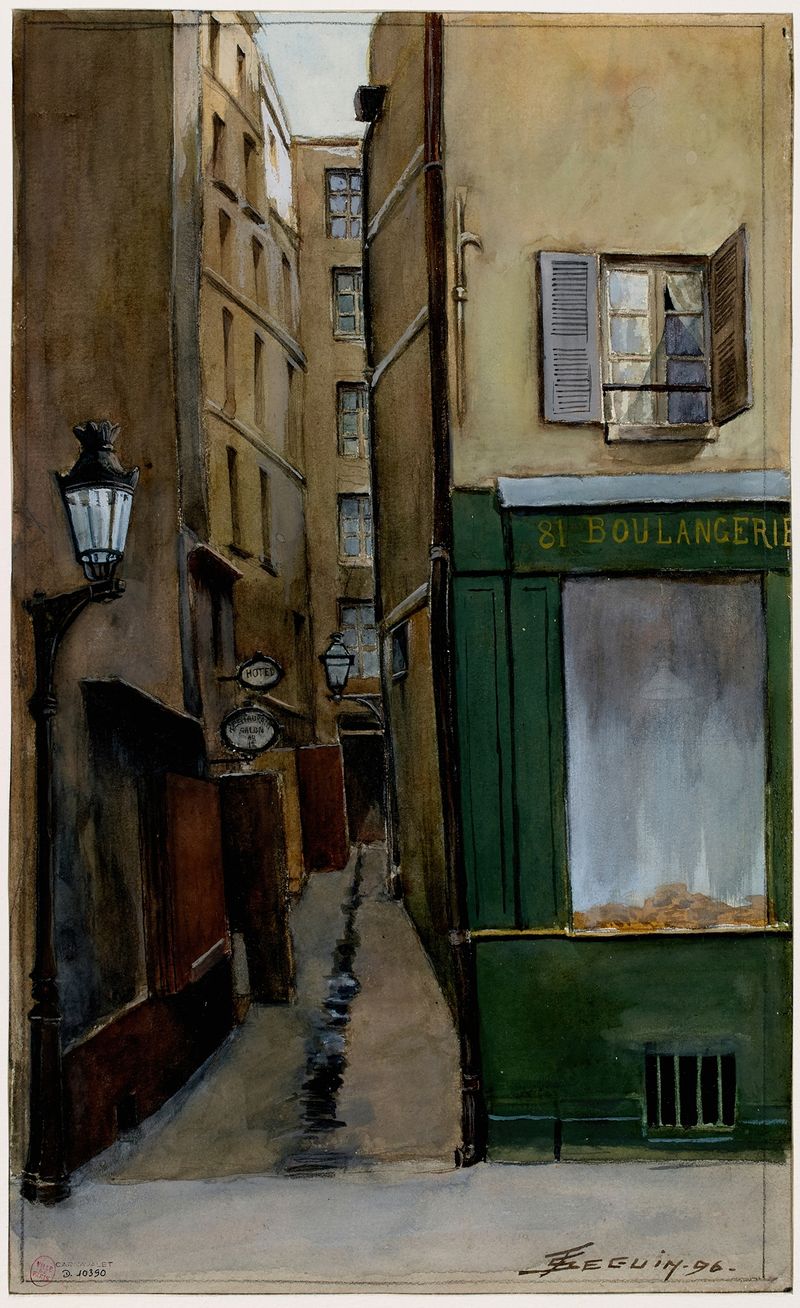
Cul de sac du Fiacre, 81 rue Saint Martin
F. Séguin
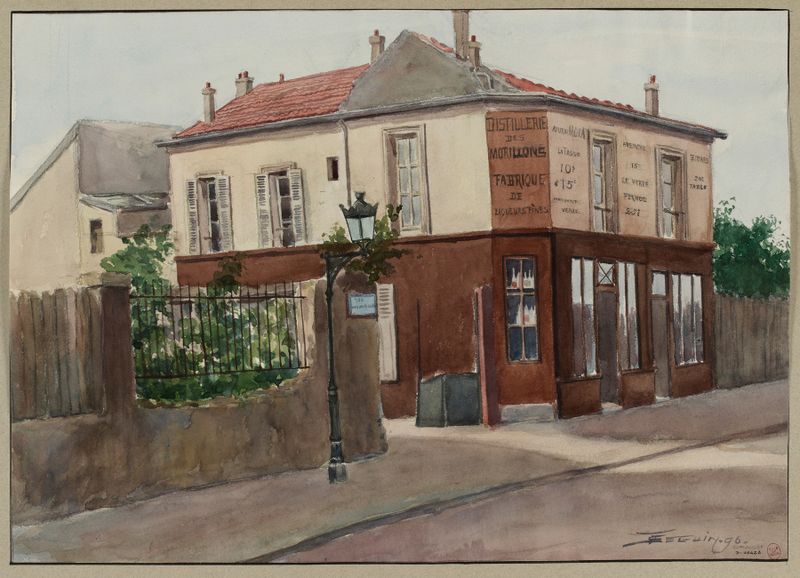
Angle de l’impasse Carlier et au 24 rue des Morillons, Vaugirard
F. Séguin
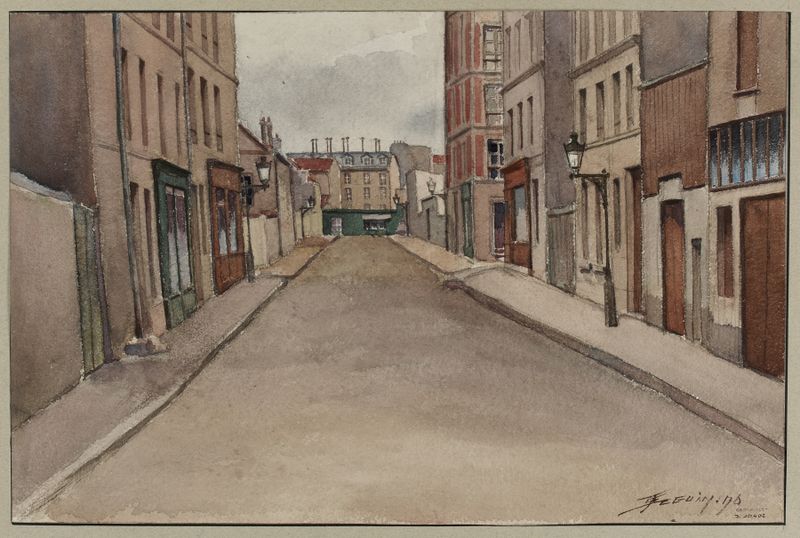
Rue Franquet
F. Séguin





