
Rue Cardinal Lemoine, prise du coin de la rue Clovis — History & Facts
Can beauty exist without sorrow? In Rue Cardinal Lemoine, prise du coin de la rue Clovis, the answer unfolds in a chaotic embrace of colors and forms, where the vibrancy of life collides with the shadows of melancholy. Look to the left at the bustling street corner, where figures are woven into the fabric of urban life. The artist employs bold strokes of color to capture the dynamic interplay between light and shade, illuminating the vibrancy of the scene while hinting at the underlying tension. Notice how the dazzling sunlight dapples the cobblestones, creating an alluring contrast with the darker recesses of the buildings that loom overhead, suggesting both warmth and confinement in this lively Parisian street. As you delve deeper, reflect on the emotional nuances embedded in the painting.
The juxtaposition of the lively pedestrians and the looming architecture creates a sense of chaos, hinting at the complexities of city life. Each figure, caught in their own moment, represents a fragment of the human experience — a dance between joy and isolation. The intersection of shadow and light becomes a metaphor for the coexistence of beauty and sorrow, capturing a fleeting moment in time that resonates with both energy and unease. F.
Séguin painted this vibrant work in 1895, during a period of significant change in Paris as the city rapidly modernized. Engaged in the Impressionist movement, he was influenced by the shifting dynamics of urban life and the search for new forms of expression. At this time, artists were beginning to explore the impact of modernity on daily existence, reflecting on how beauty could arise from the very chaos that defined their world.
More Artworks by F. Séguin
Browse all →
Rue Brantôme. (anciennement rue des Petits Champs donnant rue Saint Martin et rue Beaubourg)
F. Séguin
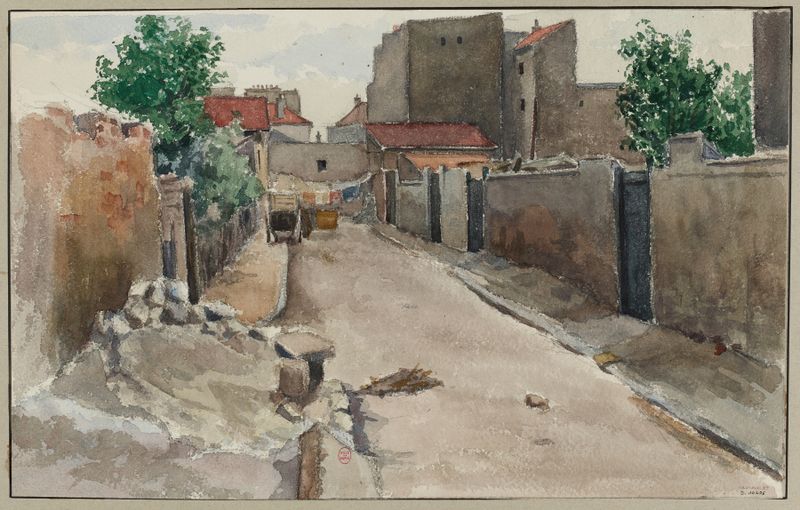
La rue de Chambéry, prise de la rue de Nice la Frontière
F. Séguin
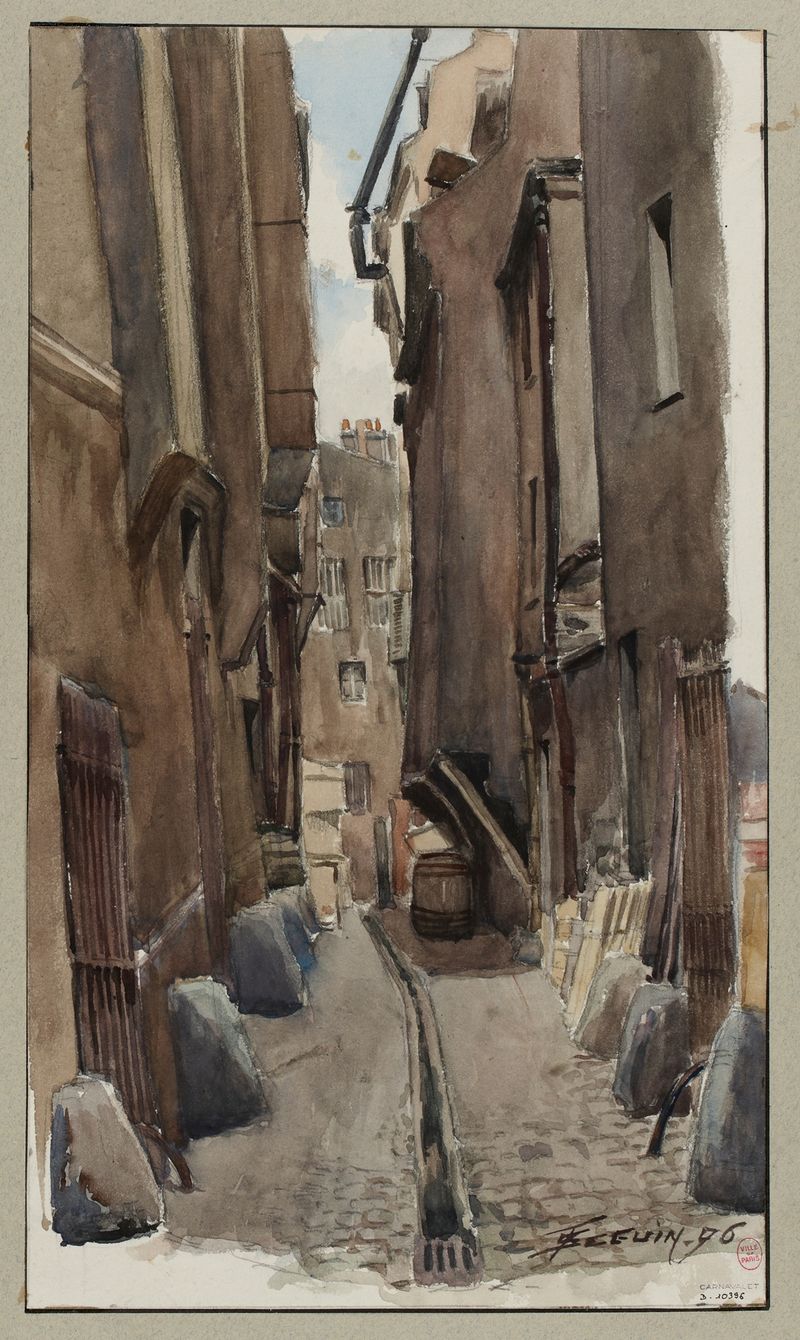
Le Cul de sac du Bœuf, (rue Saint Merri)
F. Séguin

Rue Descartes
F. Séguin
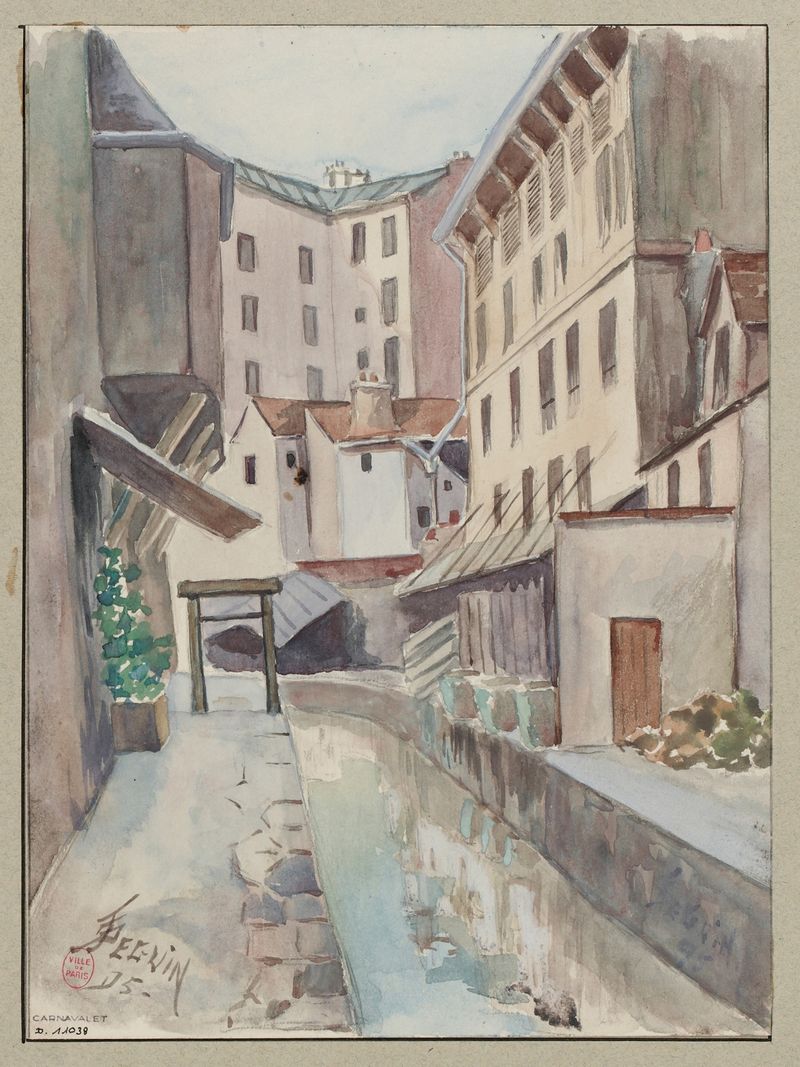
Le bord de la Bièvre à l’avenue des Gobelins
F. Séguin

Villa des Otages mur où furent fusillés les 52 derniers otages de la Commune, rue Haxo
F. Séguin
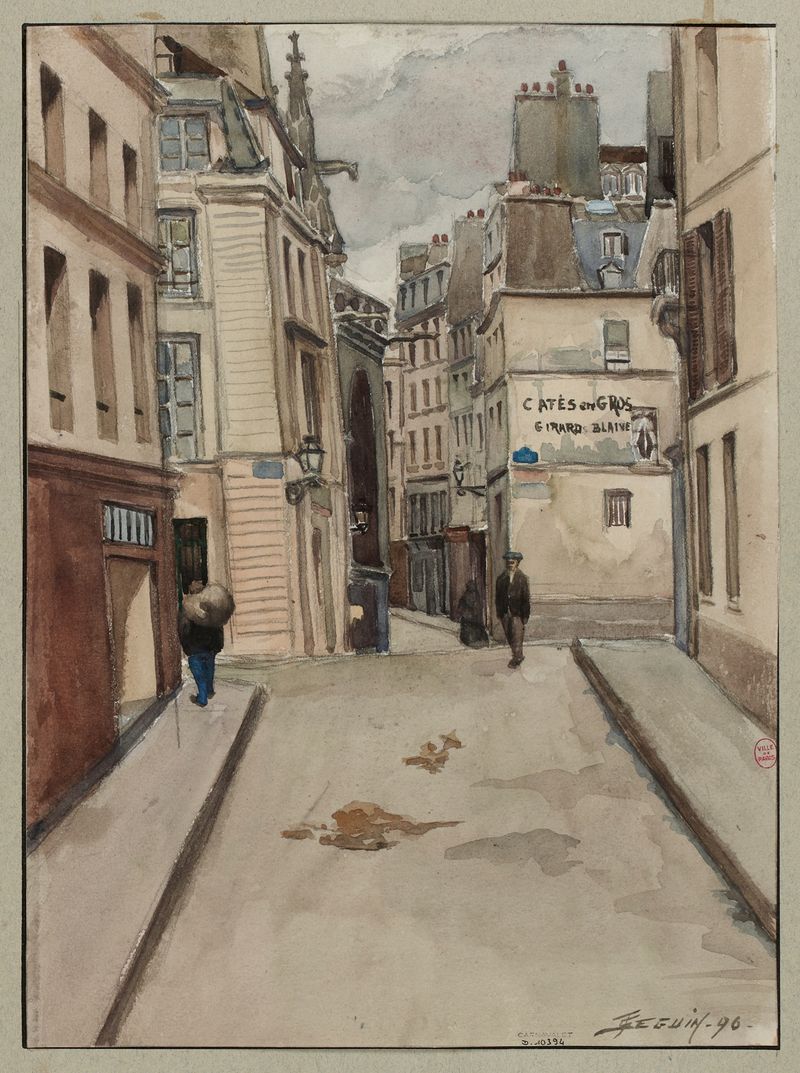
Rue du Cloître Saint Mérry, de la rue du Renard à la rue Saint Martin
F. Séguin
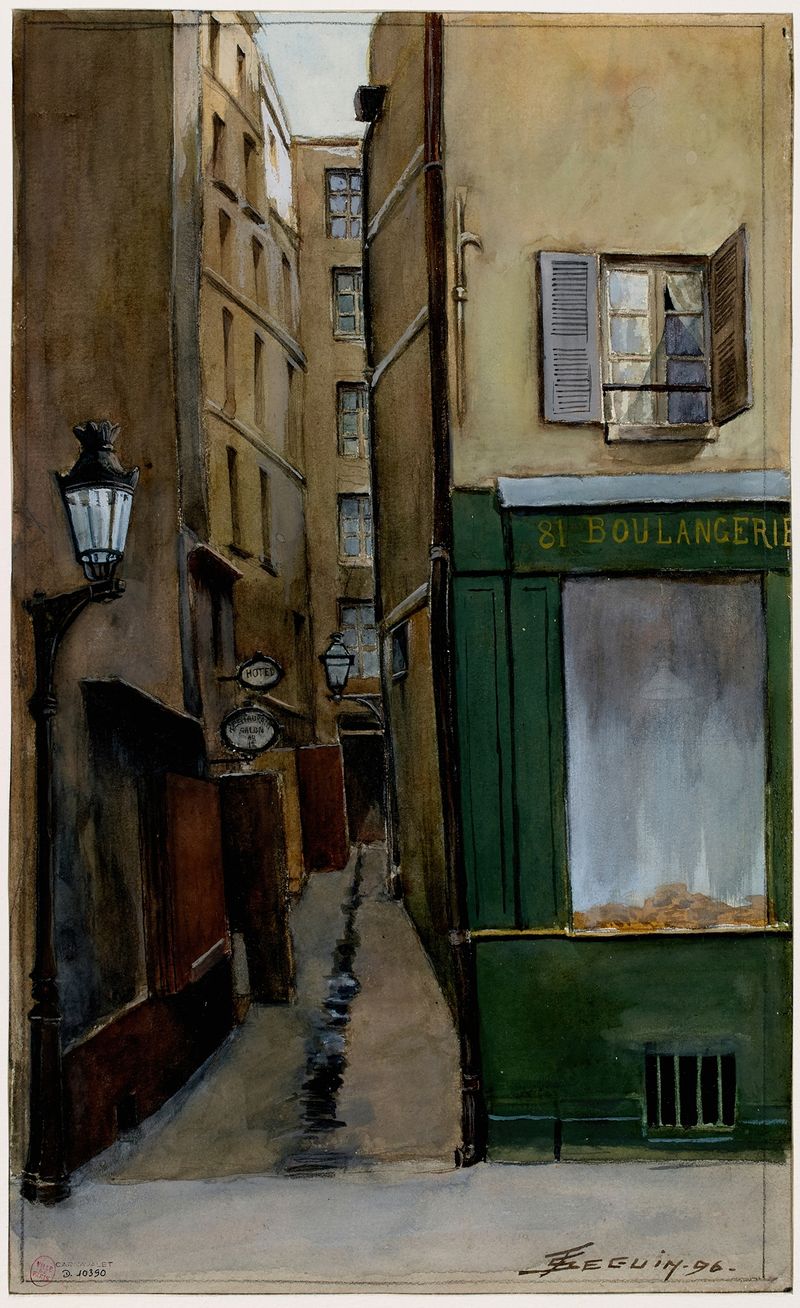
Cul de sac du Fiacre, 81 rue Saint Martin
F. Séguin
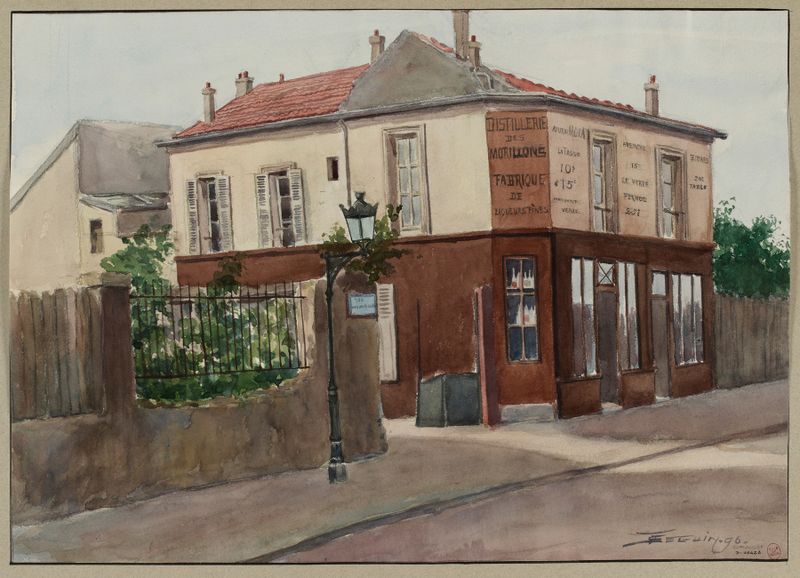
Angle de l’impasse Carlier et au 24 rue des Morillons, Vaugirard
F. Séguin
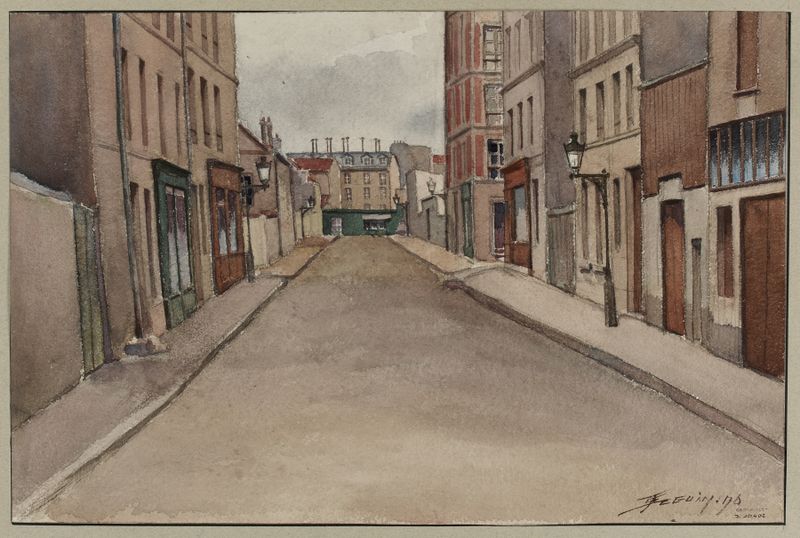
Rue Franquet
F. Séguin





