
Rue de l’Arbalète — History & Facts
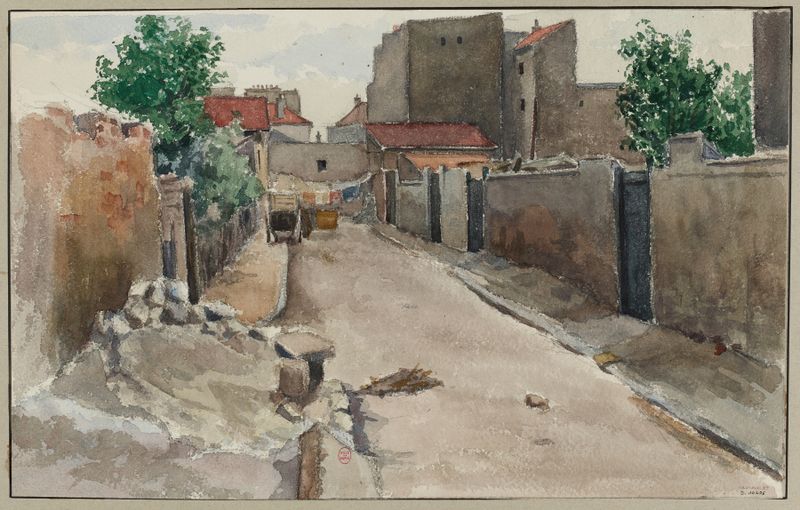
In the stillness of a bustling scene, grief lingers, quietly echoing the unspoken stories of those who passed through. The layering of hues paints not just a street but an emotional landscape where every brushstroke carries the weight of unexpressed sorrow. Look to the center of the canvas, where the cobblestone path meanders through the heart of a vibrant Parisian neighborhood. Notice how the warm ochres and muted blues collide, creating a contrast that evokes both vitality and melancholy.
The figures, swathed in soft pastels, seem to blend into the architecture, suggesting an intimate relationship between people and their environment. The subtle play of light against shadow reveals the time of day—perhaps dusk—when the vibrancy of life starts to fade into the quiet embrace of night. In the background, details whisper tales of loss: a solitary figure stands apart, their posture telling of isolation amidst the crowded scene. The positioning of buildings appears to lean in, as though eavesdropping on the unfolding narratives of the passerby, hinting at unseen emotional narratives.
Each shadow cast by the structures seems to mirror the grief that permeates the air, a reminder that beauty and sorrow often coexist in life’s tapestry. F. Séguin painted Rue de l’Arbalète in 1895, a time when the artist found himself navigating the complexities of the Parisian art scene. With the rise of Impressionism and a shift in societal perspectives, Séguin was influenced by both the past and the burgeoning modernity around him.
This work reflects his contemplative nature, merging the vibrancy of urban life with a profound sense of yearning and loss.
More Artworks by F. Séguin
Browse all →
Rue Brantôme. (anciennement rue des Petits Champs donnant rue Saint Martin et rue Beaubourg)
F. Séguin
La rue de Chambéry, prise de la rue de Nice la Frontière
F. Séguin
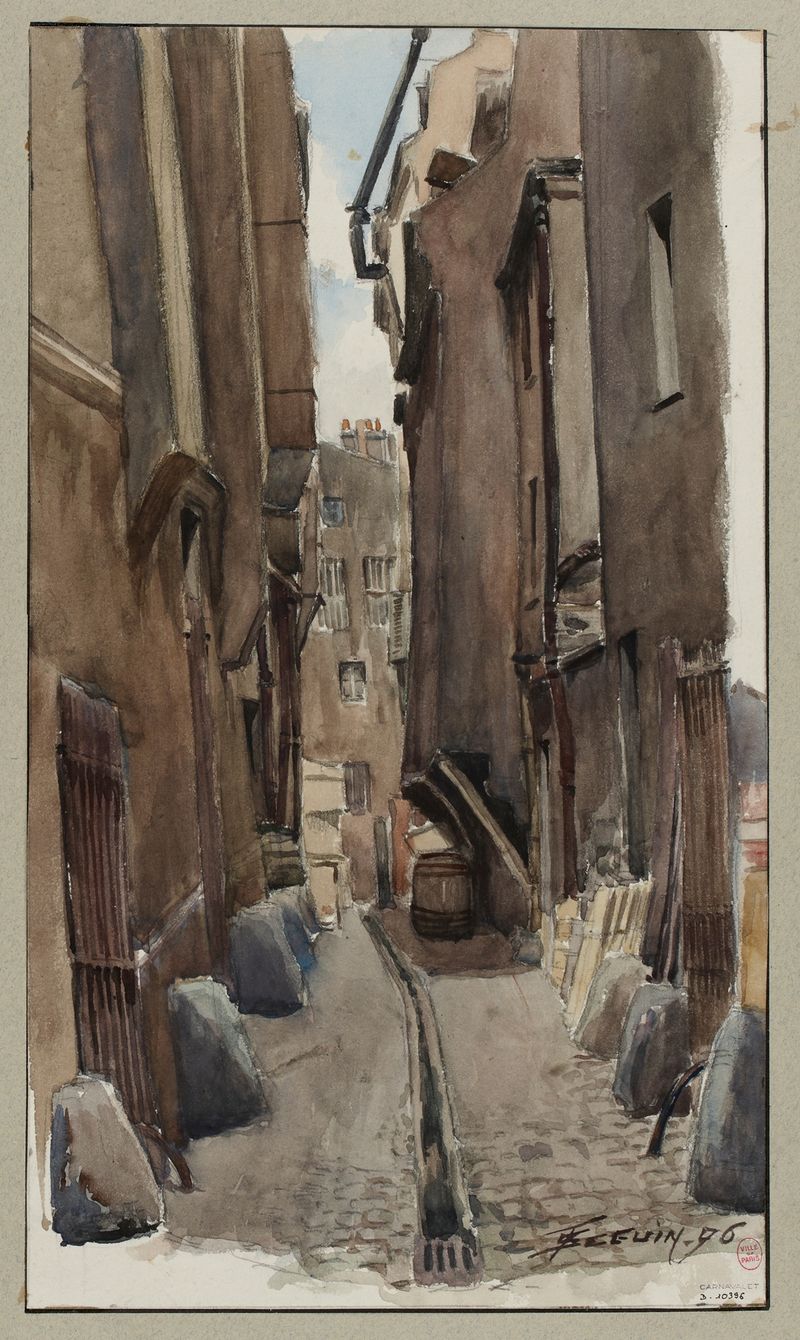
Le Cul de sac du Bœuf, (rue Saint Merri)
F. Séguin

Rue Descartes
F. Séguin
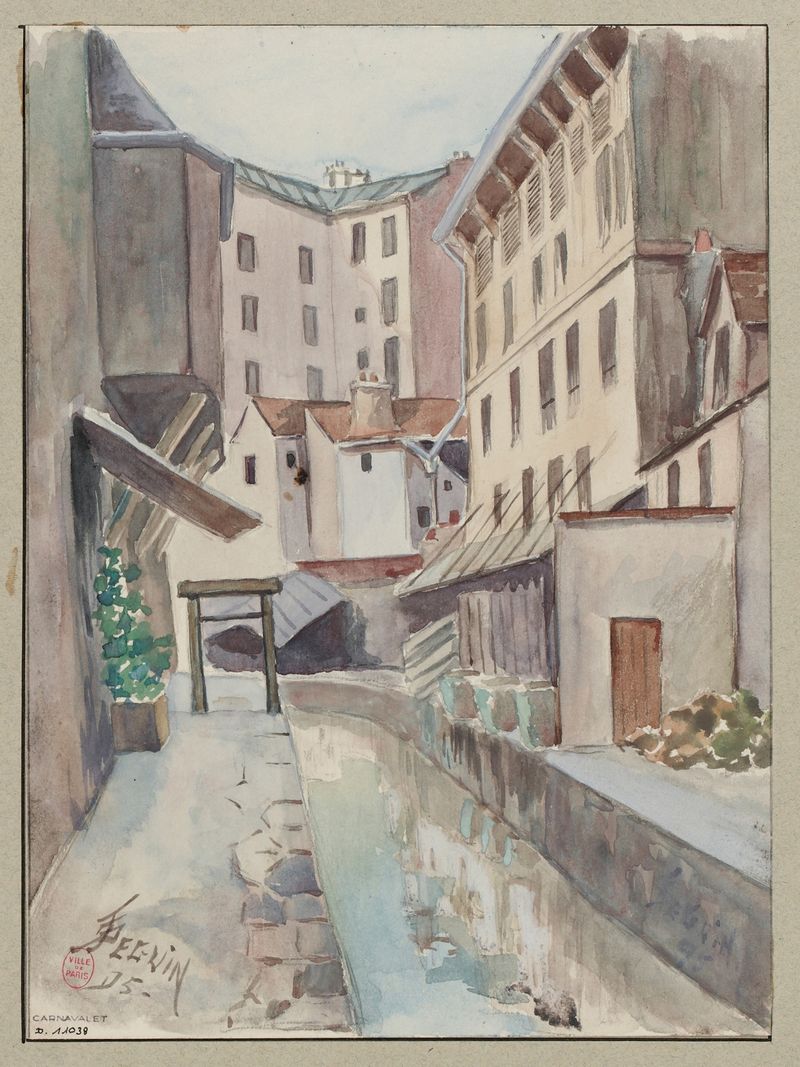
Le bord de la Bièvre à l’avenue des Gobelins
F. Séguin

Villa des Otages mur où furent fusillés les 52 derniers otages de la Commune, rue Haxo
F. Séguin
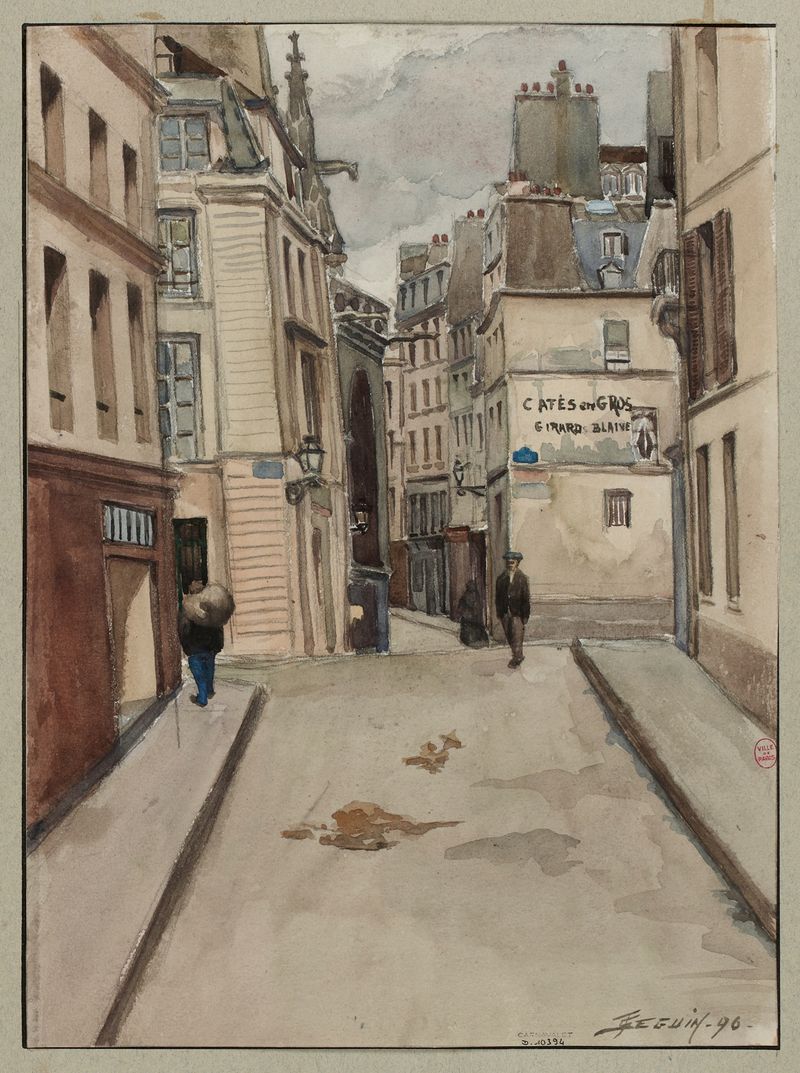
Rue du Cloître Saint Mérry, de la rue du Renard à la rue Saint Martin
F. Séguin
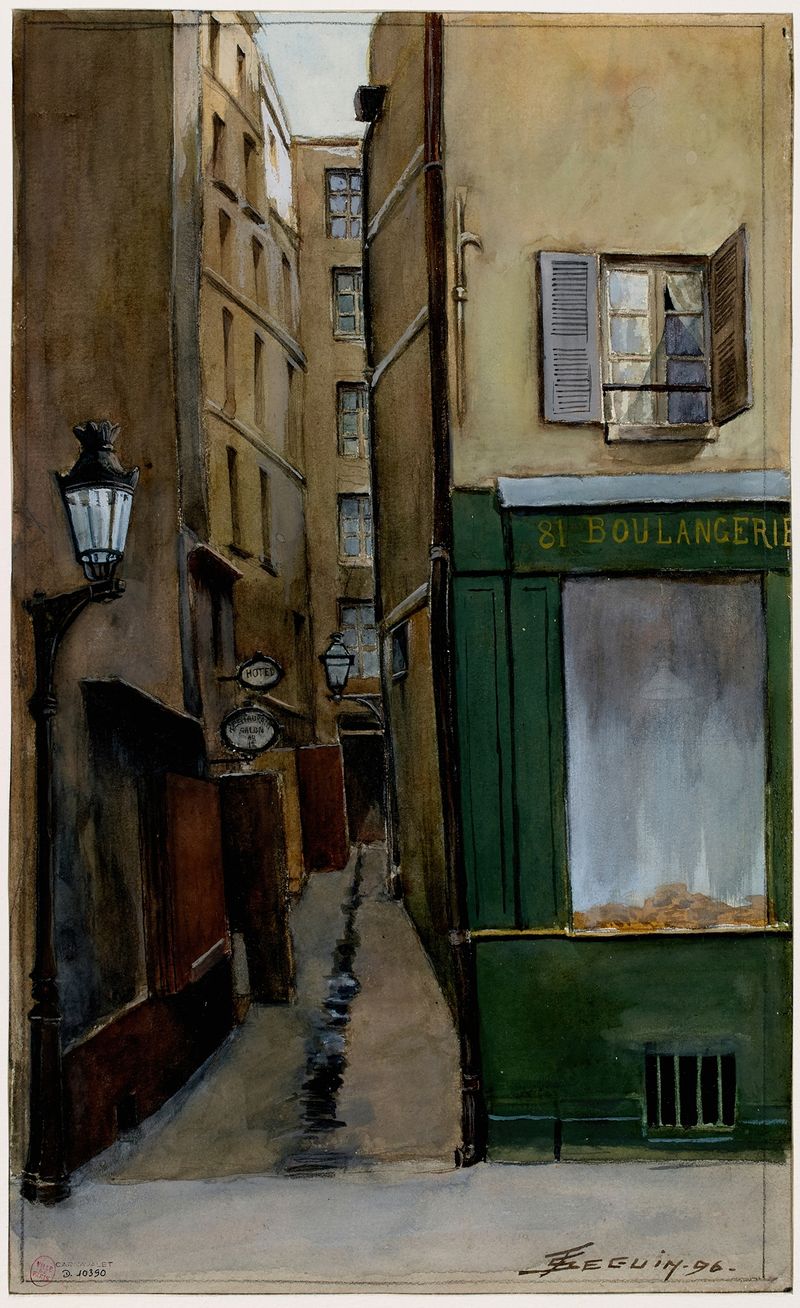
Cul de sac du Fiacre, 81 rue Saint Martin
F. Séguin
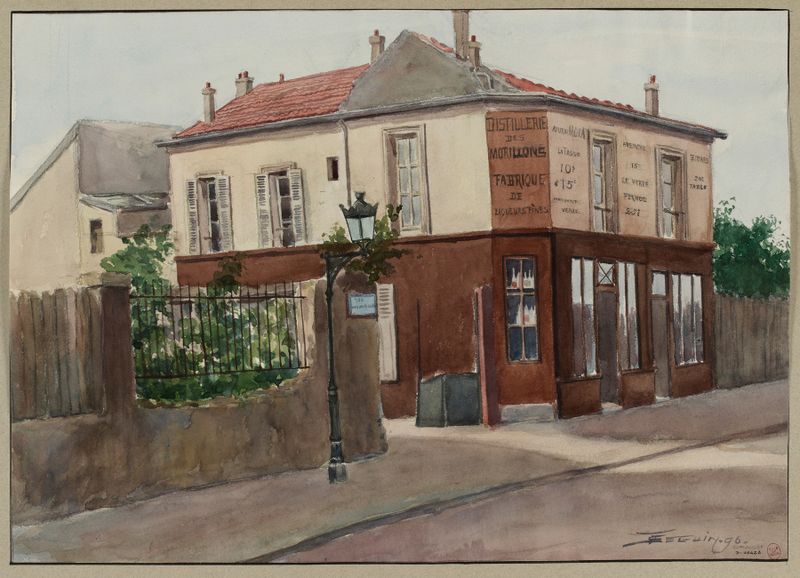
Angle de l’impasse Carlier et au 24 rue des Morillons, Vaugirard
F. Séguin
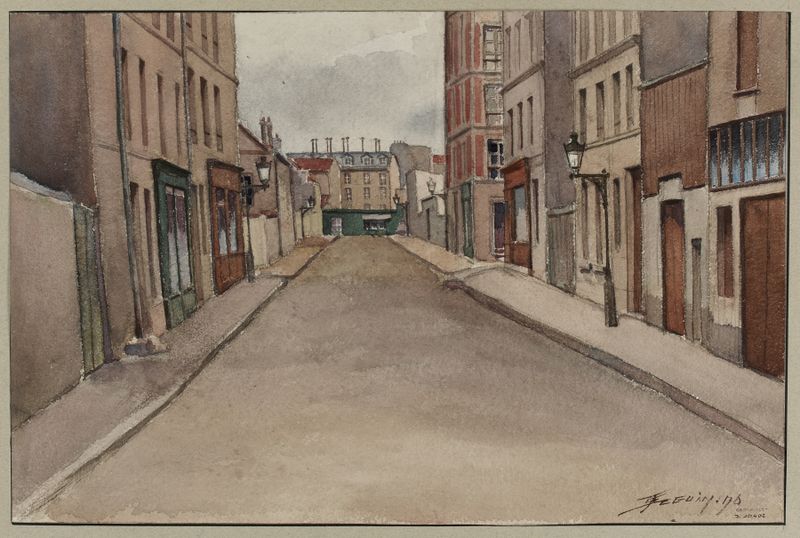
Rue Franquet
F. Séguin





