
Rue du Chat qui pêche — History & Facts
Where does light end, and longing begin? In the gentle embrace of twilight, this painting captures a moment suspended between the vibrancy of life and the ache of yearning. Look to the left at the bustling figures, their silhouettes softened by the fading light as they move along the narrow street. The warm hues of sunset dance on the cobblestones, illuminating patches of deep blue shadows that hint at the encroaching night. Notice how the artist deftly employs a palette of earthy tones, contrasting the warmth of the fading day with the coolness of the shadows, creating an atmosphere that is both inviting and melancholic. The juxtaposition of light and darkness speaks volumes about the emotional tensions at play — the characters seem caught in their own worlds, oblivious to one another yet connected by the shared experience of this moment.
Each figure is immersed in thought, evoking a sense of nostalgia and introspection, as if they are pondering the paths their lives have taken. The quietness of the scene is palpable; it is a reminder of both the beauty and the solitude found in the heart of a busy city. F. Séguin created Rue du Chat qui pêche in 1895 while residing in Paris, a time when the city was becoming a vibrant hub of artistic innovation.
Influenced by the Impressionist movement, he sought to capture fleeting moments of everyday life. The painting reflects the changing dynamics of urban living as well as the deep emotional undertones that accompany human interaction in a bustling metropolis.
More Artworks by F. Séguin
Browse all →
Rue Brantôme. (anciennement rue des Petits Champs donnant rue Saint Martin et rue Beaubourg)
F. Séguin
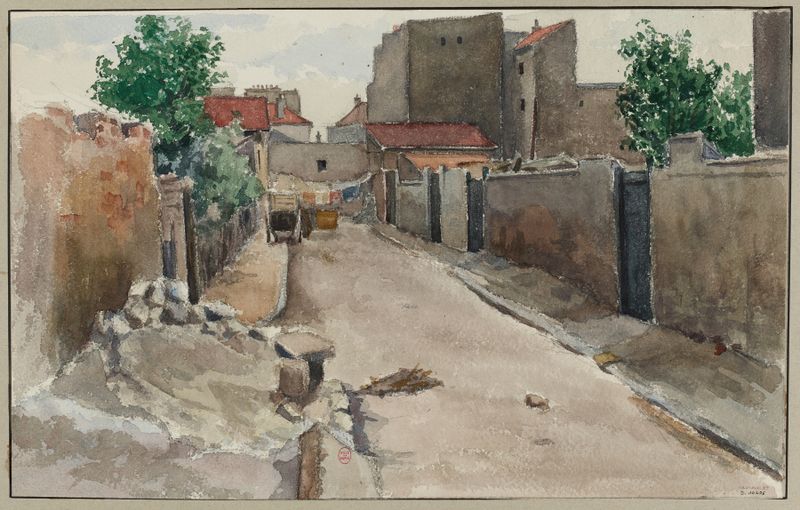
La rue de Chambéry, prise de la rue de Nice la Frontière
F. Séguin
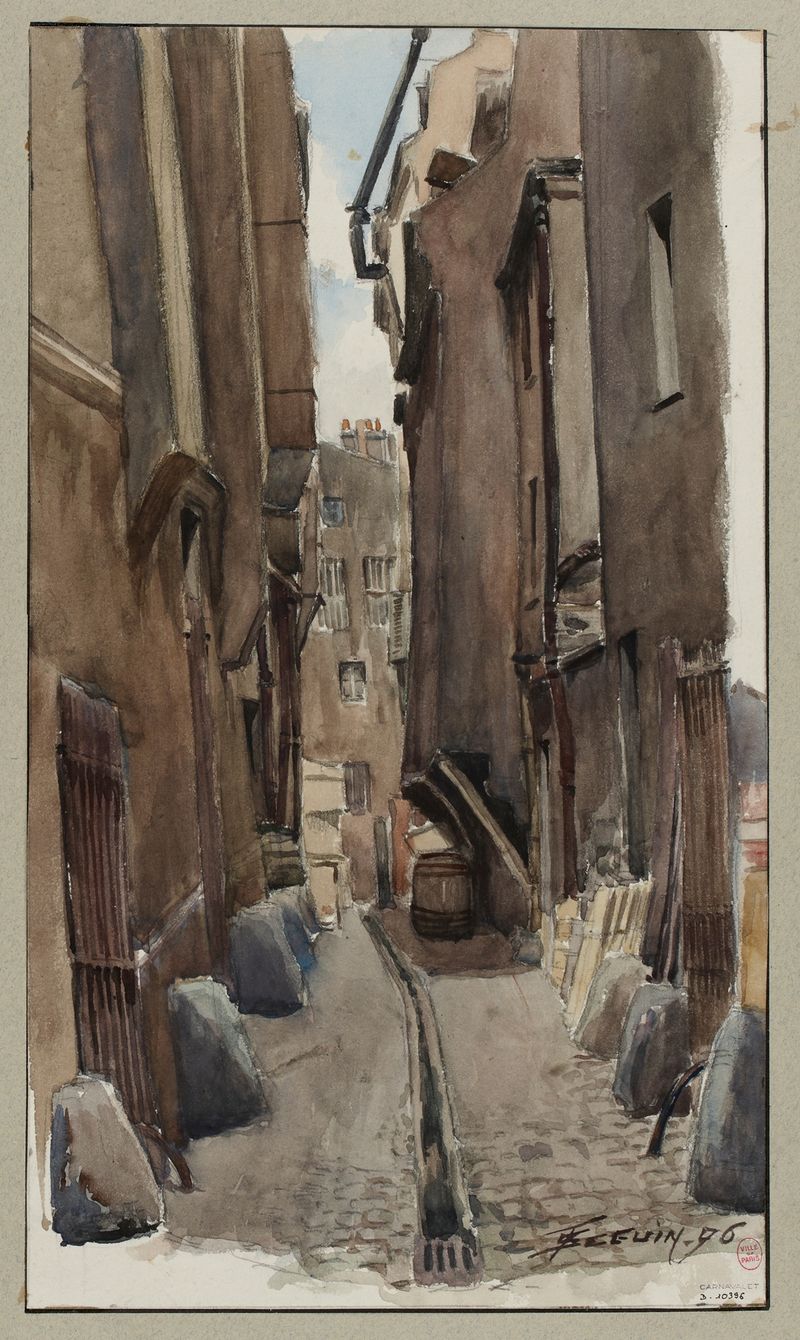
Le Cul de sac du Bœuf, (rue Saint Merri)
F. Séguin

Rue Descartes
F. Séguin
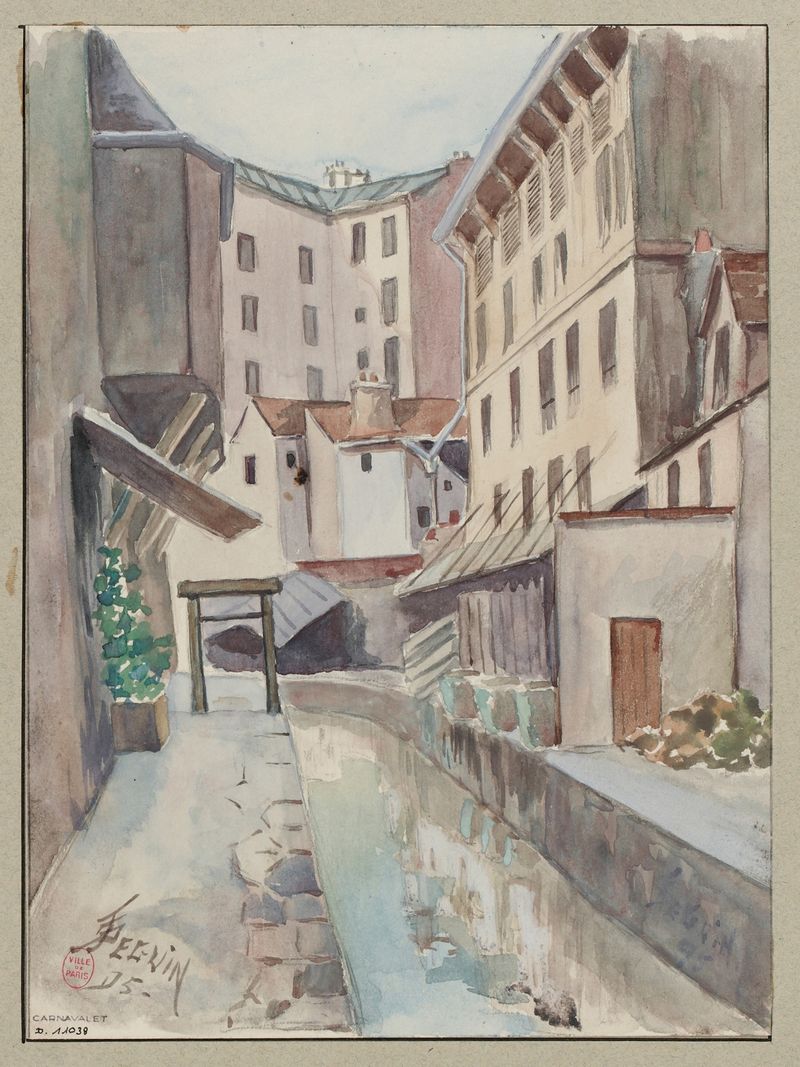
Le bord de la Bièvre à l’avenue des Gobelins
F. Séguin

Villa des Otages mur où furent fusillés les 52 derniers otages de la Commune, rue Haxo
F. Séguin
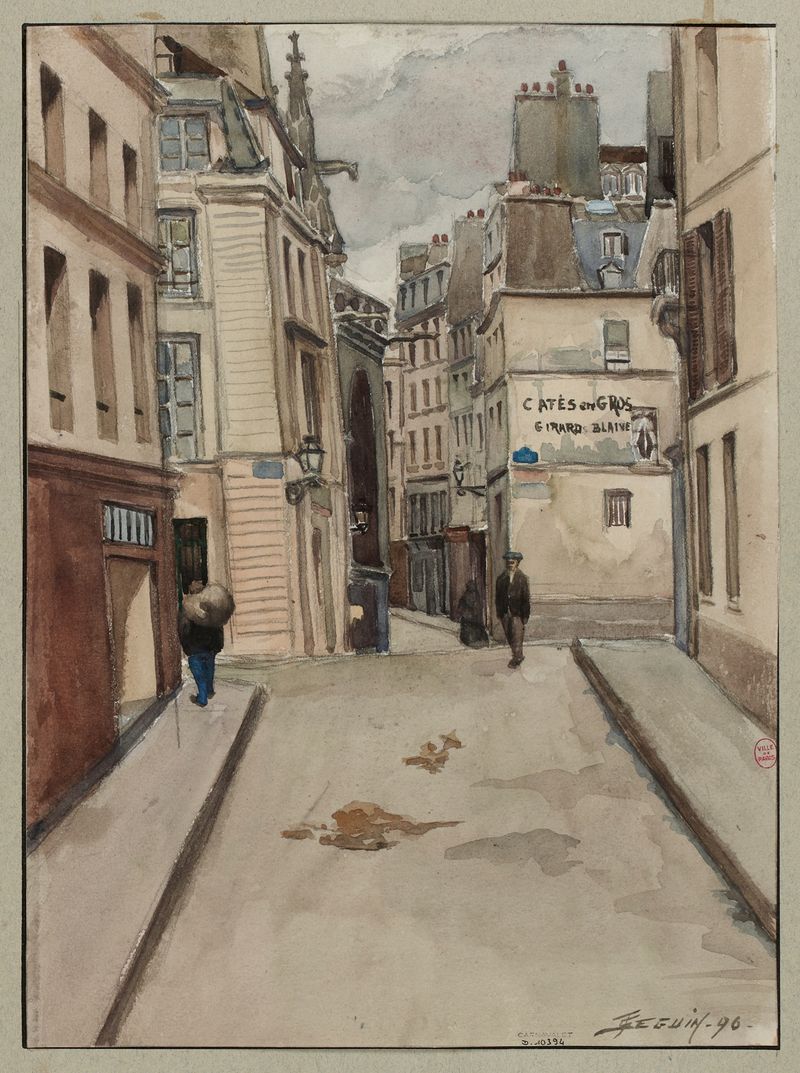
Rue du Cloître Saint Mérry, de la rue du Renard à la rue Saint Martin
F. Séguin
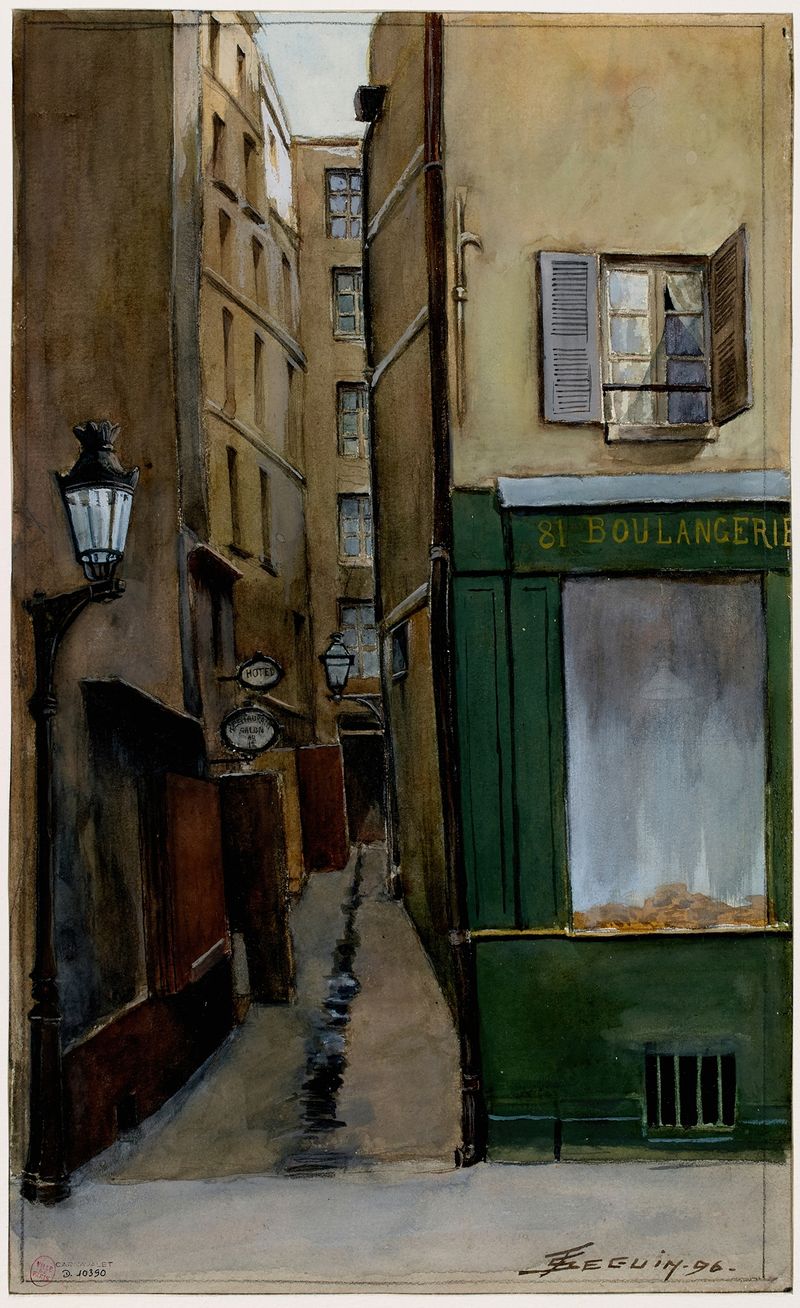
Cul de sac du Fiacre, 81 rue Saint Martin
F. Séguin
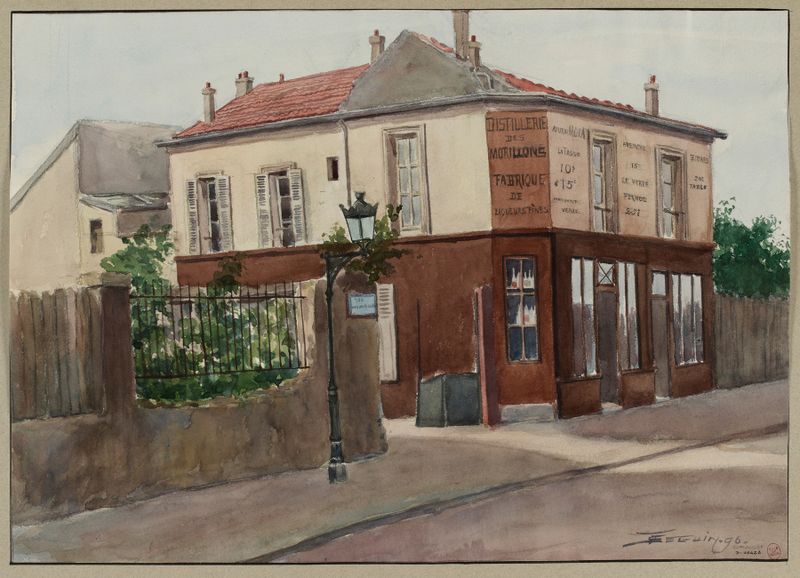
Angle de l’impasse Carlier et au 24 rue des Morillons, Vaugirard
F. Séguin
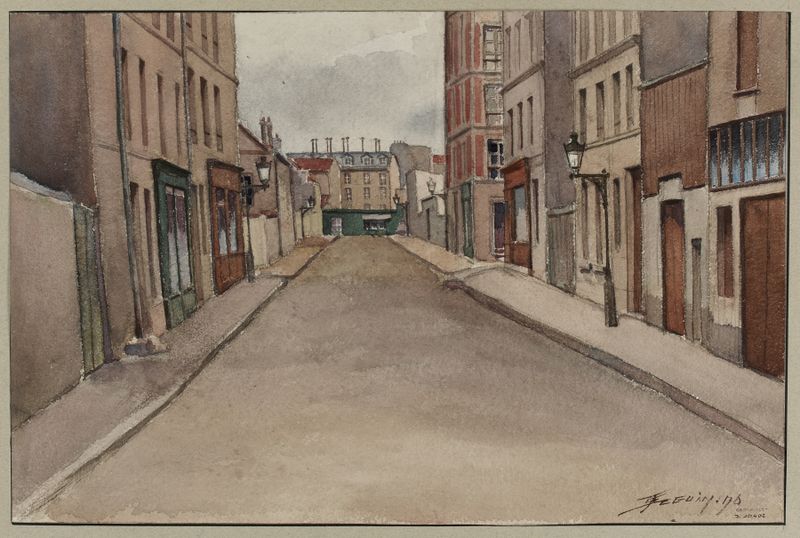
Rue Franquet
F. Séguin





