
Rue du Chevalier de la Barre — History & Facts
What secret hides in the quiet of the canvas? In Rue du Chevalier de la Barre, the stillness invites us to consider the unseen rhythms of urban life that pulse just beyond its edges. Look to the left at the delicate interplay of light and shadow cast upon the cobblestones, where the quiet street seems to beckon. The muted palette, dominated by grays and soft blues, evokes a sense of nostalgia while the hints of warm ochre provide a subtle contrast, suggesting life and warmth amidst the coolness of dusk. Notice how the architectural lines rise and fall, guiding the viewer's gaze down the street, as if inviting you to wander deeper into this serene scene. Hidden within the apparent tranquility lies a tension between movement and stillness.
The absence of figures allows the viewer to project themselves into the space, fostering a sense of longing for connection. The buildings, though static, seem to lean inward as if they hold their breath, witnessing stories untold. This juxtaposition reflects the myriad moments that could occur, each imbued with the potential for life yet suspended in time. Created in 1926, this piece emerged during Ferdinand Boberg's explorations of urban landscapes in Sweden, a period marked by a blend of modernism and nostalgia.
As cities transformed with industrial progress, Boberg sought to capture the essence of these spaces, infusing them with emotion and memory. In a rapidly changing world, he found solace in the quiet streets, forever imbuing them with evocative beauty.
More Artworks by Ferdinand Boberg
Browse all →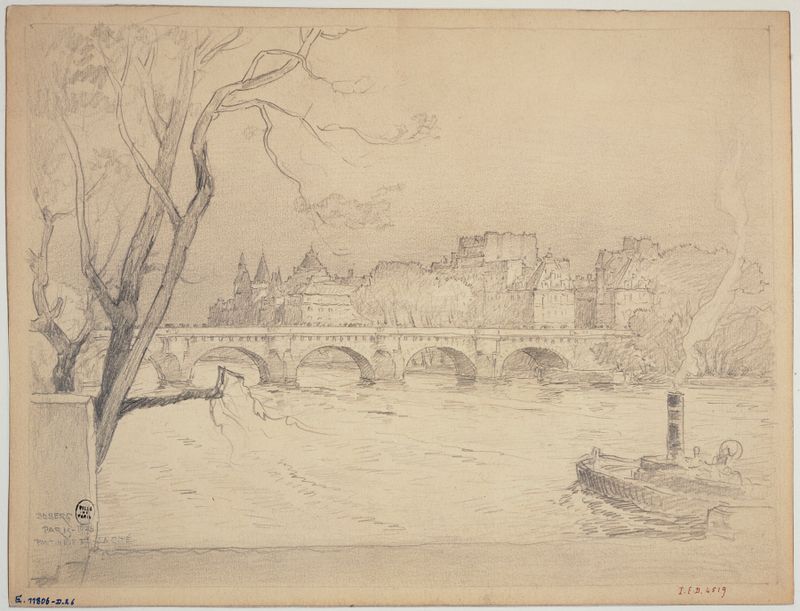
Le Pont-Neuf et la Cité
Ferdinand Boberg
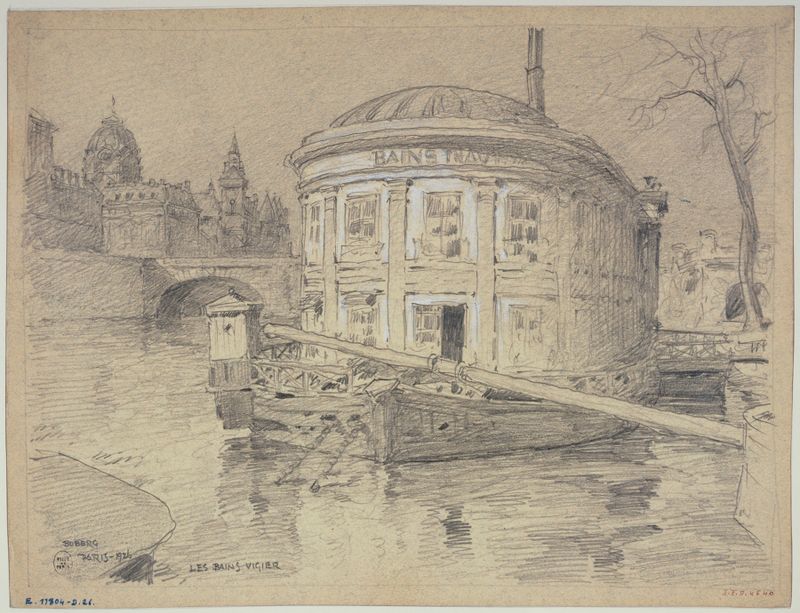
Les bains Vigier au Pont-Neuf
Ferdinand Boberg
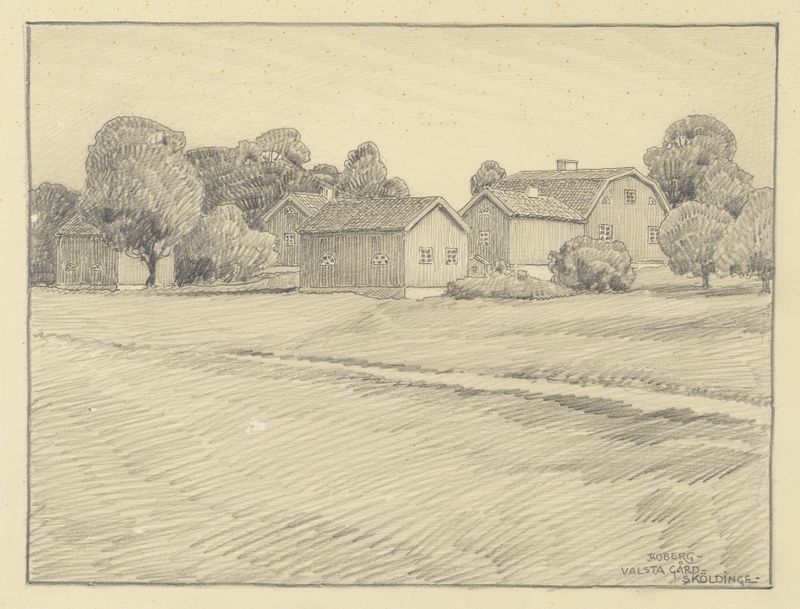
Valsta Gård
Ferdinand Boberg
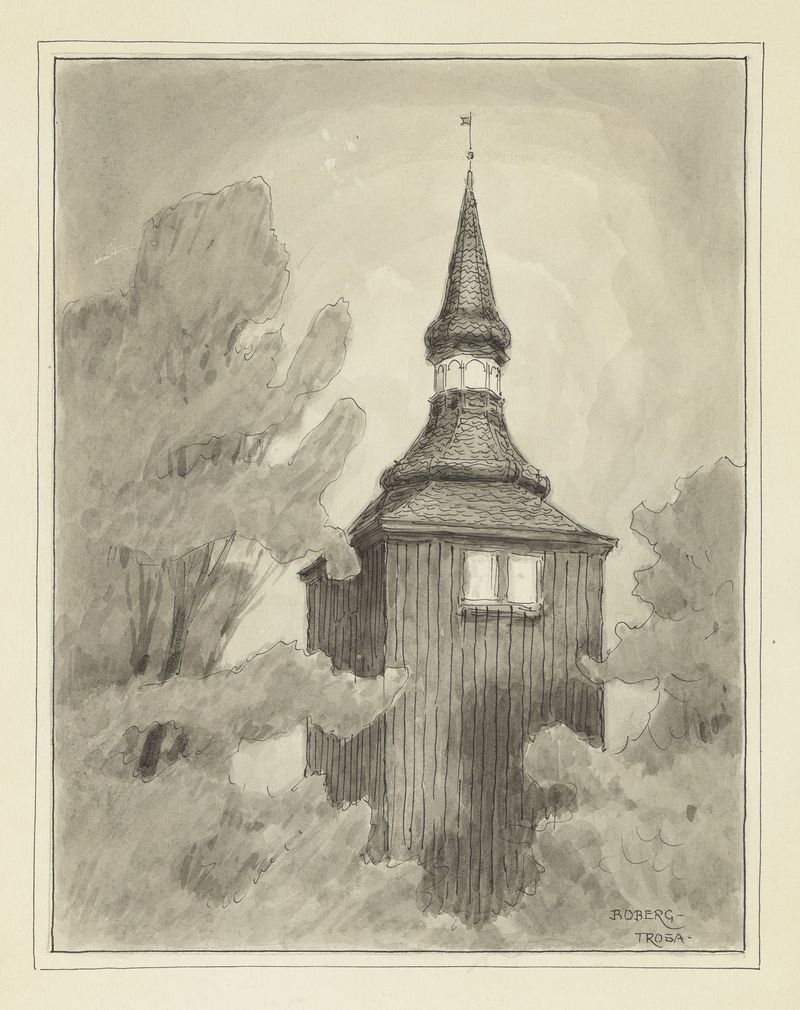
Trosa
Ferdinand Boberg
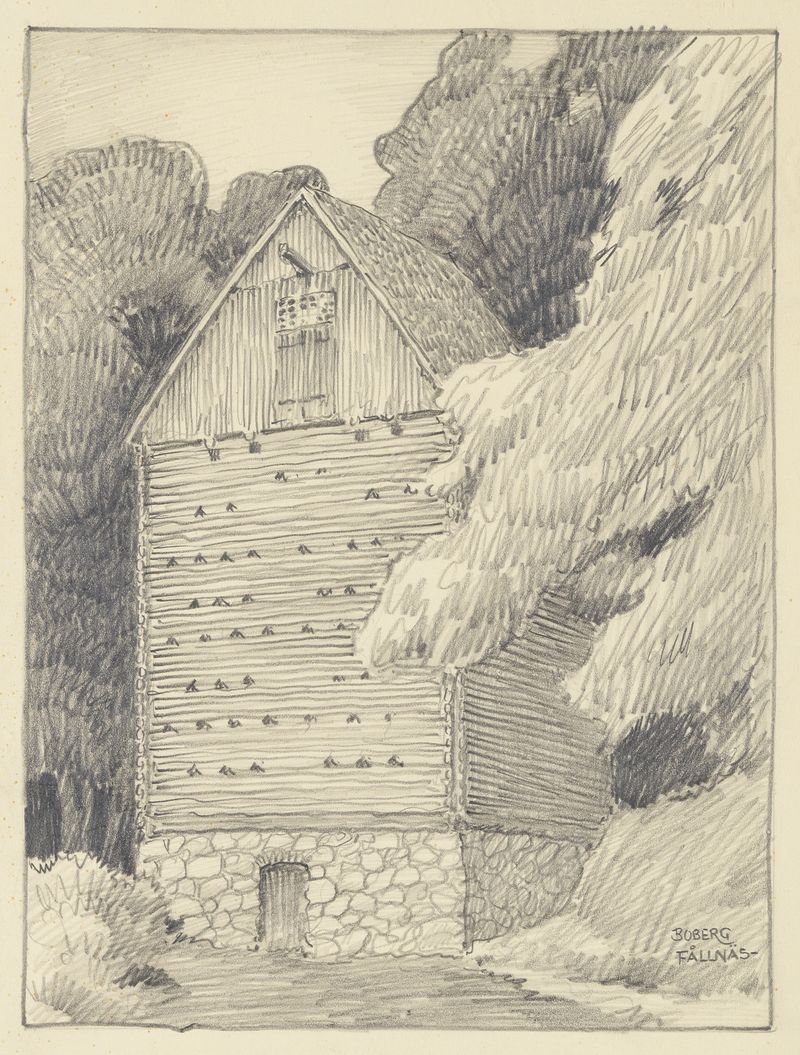
Fållnäs
Ferdinand Boberg
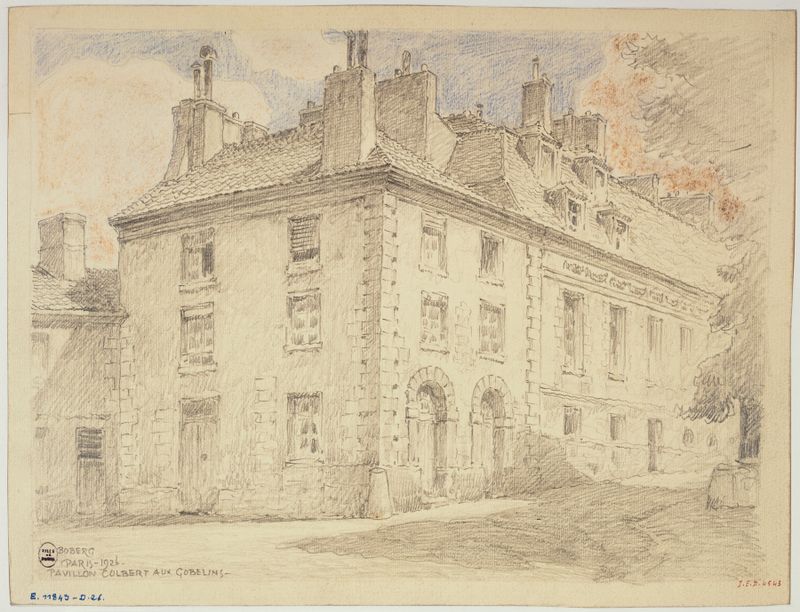
Le pavillon Colbert aux Gobelins
Ferdinand Boberg
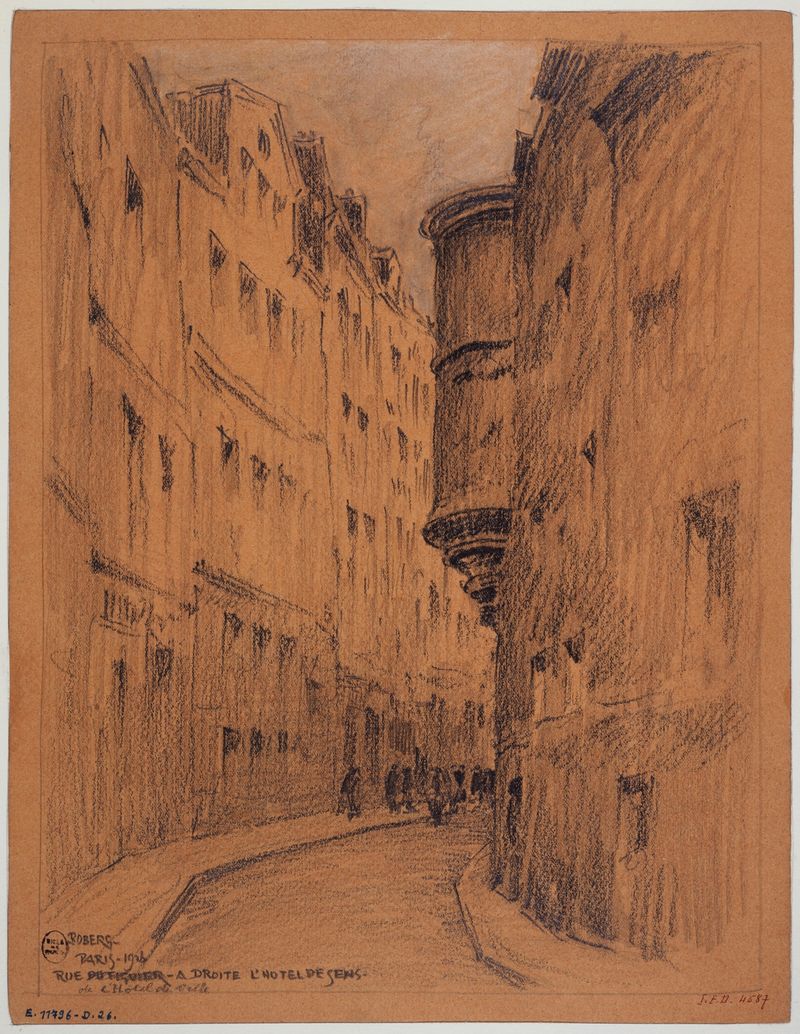
Rue de l’Hôtel de Ville; l’hôtel de Sens
Ferdinand Boberg
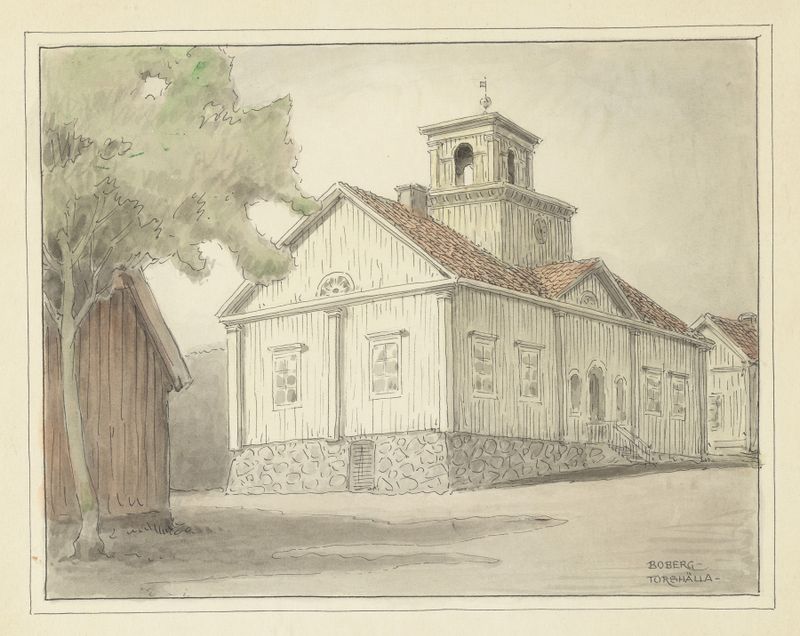
Torshälla
Ferdinand Boberg
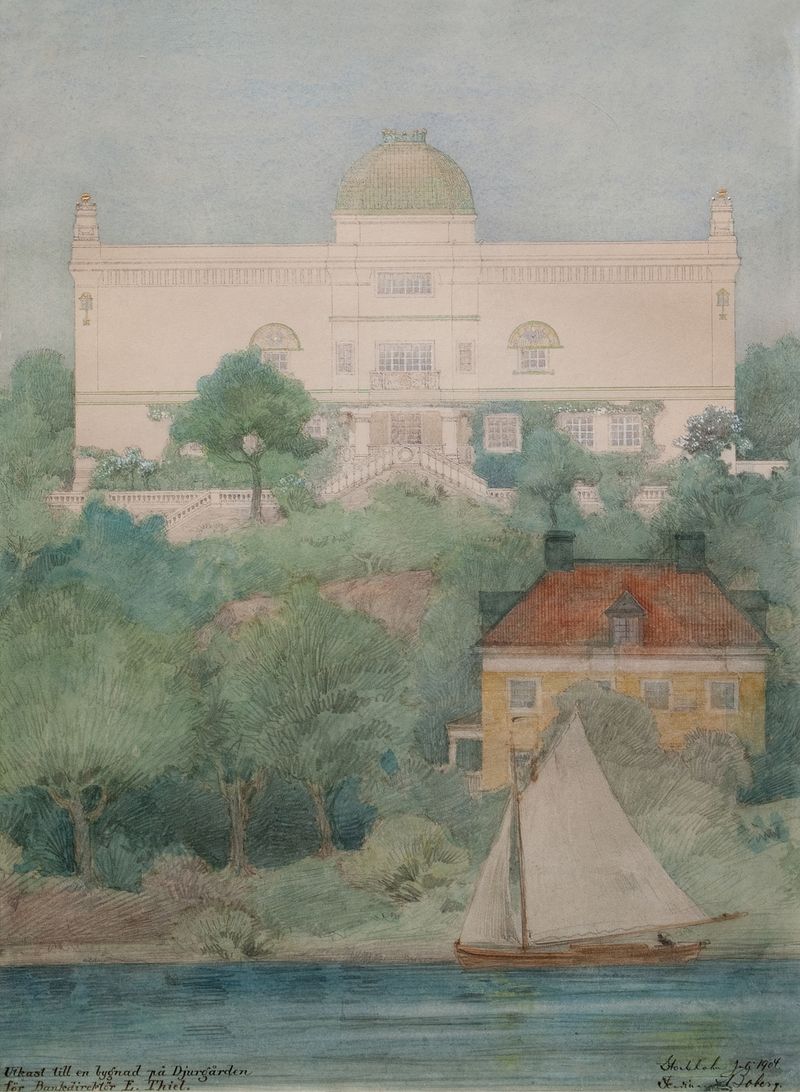
Sketch for a building for Thiel’s Gallery
Ferdinand Boberg
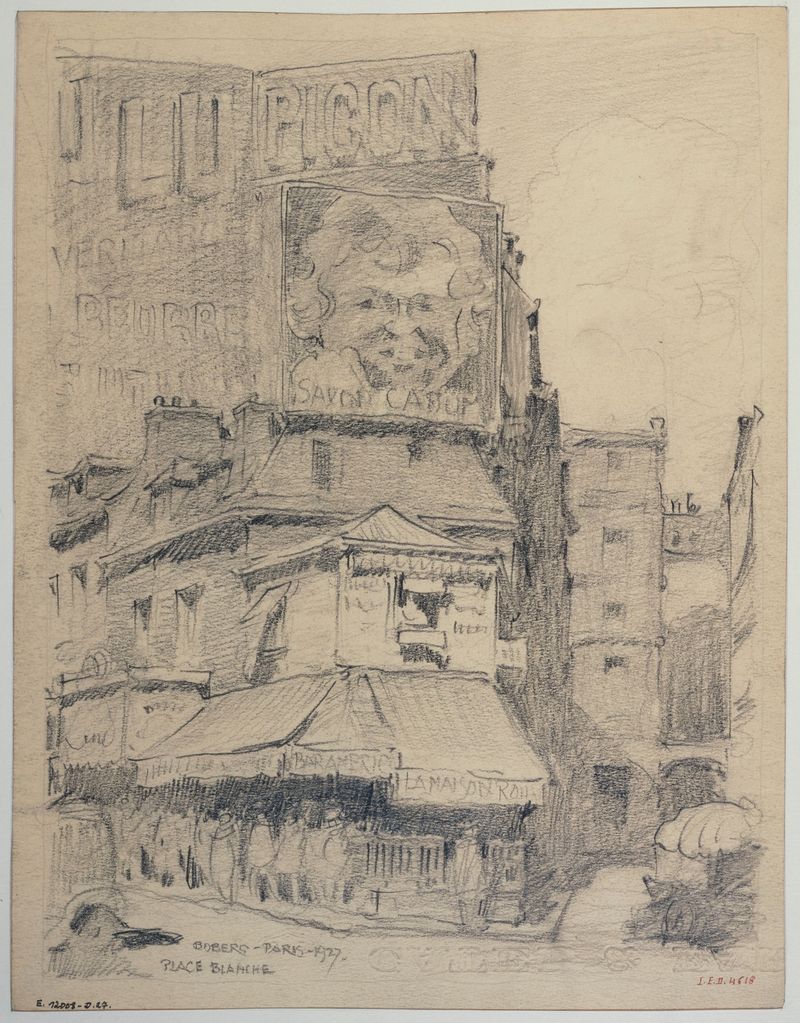
La place Blanche
Ferdinand Boberg





